
Wortels: rechtstreeks zaaien, rustig uitdunnen, vers oogsten
Carrots begin as fine seedlings, but your harvest develops beneath the foliage. Loose soil and space between plants help more than haste. Choose an early carrot for fresh use or a storage type that can stay in the bed longer.
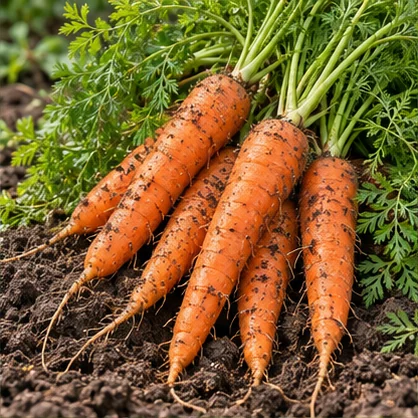
This image was created with AI from described plant characteristics and growing advice. It shows a possible situation and is not a photograph of a verified cultivar.
- Sowing
- Voorjaar tot zomer volgens het ras
- Harvesting
- Vanaf bruikbare wortelmaat; bewaarrassen later
- Location
- Zon en diepe, losse grond
- Opkweek
- Rechtstreeks zaaien op de eindplek
This growing advice helps you choose. Your variety, growth stage, weather and conditions in your space determine the actual timing.
Sowing under cover and raising seedlings
Direct zaaien · Carrot
Eind winter–voorjaar, alleen bij geschikt vroeg rasZaai direct in de definitieve kasgrond of diepe bak; later niet verplanten.
- Germination and temperature
- Wacht op bewerkbare, opgewarmde grond; volg de minimale zaaitemperatuur van het ras.
- After emergence
- Houd de zaairij gelijkmatig vochtig tijdens de opkomst en herkenbaar met een label.
- Pricking out and potting on
- Niet verspenen. Dun ter plekke uit; verplanten kan de penwortel beschadigen.
- Hardening off and planting out
- Blijft op de zaaiplek; afharden en uitplanten zijn bij directe zaai niet nodig.
Gebruik diepe, weinig verdichte grond. Een warm bakje op zolder is voor deze wortelteelt geen geschikte voorzaairoute.
Sources and use
Royal Horticultural Society · RHS — wortel kweken ↗Soort- of productgebonden bron; buitenlandse perioden zijn geen vaste Nederlandse zaaidatum.
De Bolster · De Bolster — Wortel telen ↗Nederlandse producent of teeltbron; de rasinstructie blijft leidend.
Guideline periods for the Netherlands and Flanders. Check the variety, available light, soil and measured temperatures. Greenhouse heating does not guarantee enough winter light.
A different flavour, a different harvest.
Choose by more than the name. Discover how these varieties and crop types taste, what you can use them for and what growing them involves.
11 of 11 choices · 8 named varieties
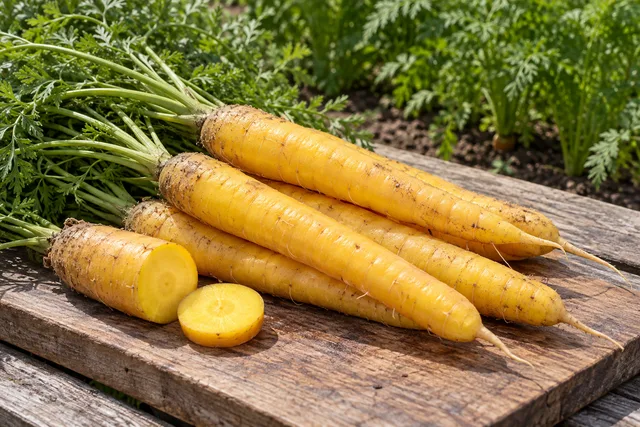
This image was created with AI from described plant characteristics and growing advice. It shows a possible situation and is not a photograph of a verified cultivar.
Jaune du Doubs
Gele bewaarwortel met een afgeronde punt.
Kies dit ras voor gele winterwortels en een bewaarbestemming. Geef een deel ruimte om uit te groeien en oogst enkele jonge wortels om het keukenkarakter te vergelijken.
Flavour, kitchen and growing
How does it taste?
De leverancier beschrijft Jaune du Doubs als zoet en mild. De gele kleur voegt vooral oogstvariatie toe; een vast verschil in suikergehalte is niet gemeten.
In the kitchen
Snijd gele wortels voor rauwkost of maak dikke staven voor de oven. Combineer met oranje wortel om het kleurverschil in hetzelfde gerecht zichtbaar te maken.
A space in the garden
Zaai rechtstreeks in diep losse grond en houd de kiemlaag vochtig. Dun uit naar de gewenste worteldikte en bescherm bij lokale wortelvliegdruk met goed sluitend insectengaas.
Harvesting
Rooi vanaf voldoende groei met een vork naast de rij. Voor voorraad verwijder je loof en bewaar je gave wortels koel in materiaal dat uitdrogen voorkomt.
Read the source notes →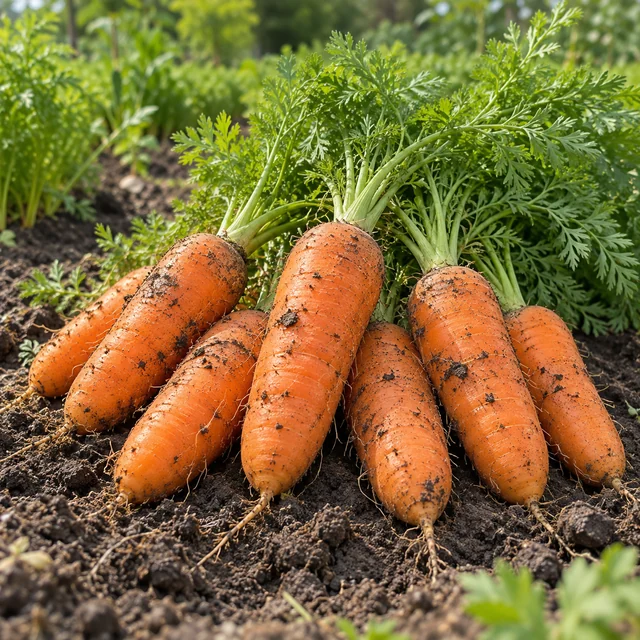
This image was created with AI from described plant characteristics and growing advice. It shows a possible situation and is not a photograph of a verified cultivar.
Nantes 2
Zoete zomerwortel voor verse oogst.
Kies Nantes 2 voor een klassieke worteloogst, vers per maaltijd of later voor bewaring. Nantaise 2 en Nantaise améliorée 2 zijn volgens het Europese rassenregister namen voor hetzelfde ras; een andere naam op het zakje betekent dus geen afzonderlijke smaakkeuze.
Flavour, kitchen and growing
How does it taste?
Nantes 2 wordt met een zoete wortelsmaak beschreven. De jonge wortel geeft een frisse beet; de werkelijk ervaren zoetheid hangt ook van rijpheid en bereiding af.
In the kitchen
Snijd de zomerwortels dun voor rauwkost of gaar ze kort zodat er beet overblijft. Verse wortels passen ook als kleine staven op een schaal met dip.
A space in the garden
Zaai direct in fijne, losse grond en voorkom een harde korst bij het kiemen. Dun voorzichtig uit; verstoor de penwortel niet door later te verplanten.
Harvesting
Oogst enkele wortels jong en laat andere op formaat komen. Controleer eerst een wortel en rooi per gewenste maaltijd. Bewaar alleen gave wortels, verwijder het loof en houd de oogst koel zonder uitdrogen.
Also listed as: Nantaise 2, Nantaise améliorée 2, Demi-longue Nantaise améliorée 2.
Read the source notes →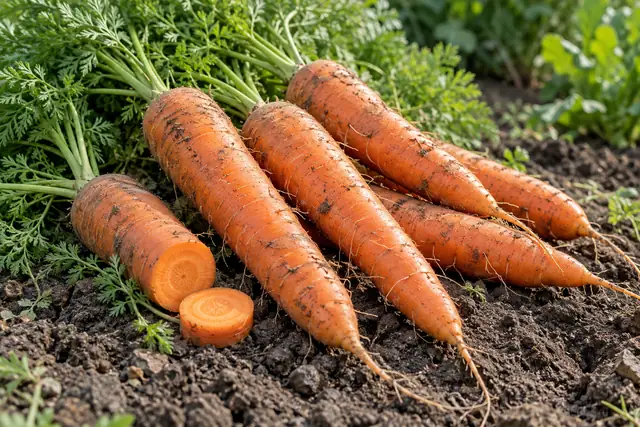
This image was created with AI from described plant characteristics and growing advice. It shows a possible situation and is not a photograph of a verified cultivar.
Flakkee 2
Grote oranje winterwortel voor een voorraadteelt.
Kies Flakkee 2 wanneer je ruimte hebt voor een grotere herfst- en winteroogst. Dit ras past bij een voorraadplan dat langer groeit dan een vroege bospeen.
Flavour, kitchen and growing
How does it taste?
Flakkee 2 wordt als zoet beschreven. De grote wortelmaat geeft meer stevige stukken per plant, passend bij stoofgerechten en soep; de bereiding beïnvloedt het mondgevoel.
In the kitchen
Maak blokjes voor soep of flinke parten voor de oven. Gaar grote stukken voldoende lang en snijd bij een gemengde schotel alle wortels op vergelijkbare maat.
A space in the garden
Zaai in het voorjaar volgens de verpakking in diep losgemaakte grond. Dun naar gewenste dikte en houd insectengaas goed gesloten als je wortelvlieg wilt weren.
Harvesting
De voorraad wordt vaak in de herfst gerooid, afhankelijk van de groei. Gebruik beschadigde wortels eerst en bewaar gave exemplaren koel in licht vochtig zand.
Also listed as: Flakkée 2.
Read the source notes →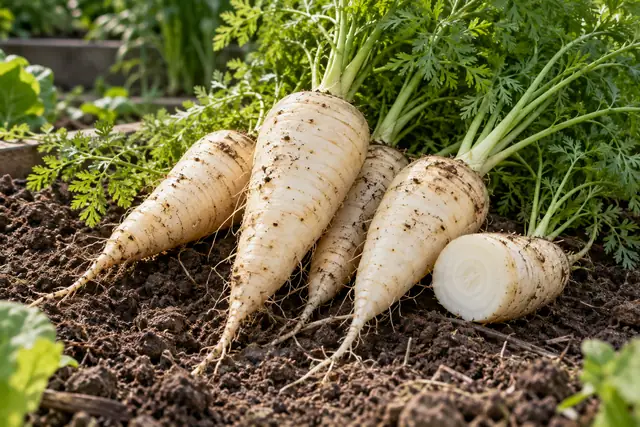
This image was created with AI from described plant characteristics and growing advice. It shows a possible situation and is not a photograph of a verified cultivar.
Blanche des Vosges
Witte wortel met brede schouder, het liefst jong in de keuken.
Kies dit ras voor een brede witte wortel en een historische gewasvorm. Richt de teelt op bruikbare keukenmaat in plaats van alleen op maximaal gewicht.
Flavour, kitchen and growing
How does it taste?
De bron noemt de wortel smakelijk bij jonge oogst. Rijpe grote wortels werden ook als voedergewas gebruikt; kies voor een fijne maaltijd daarom tijdig een jonge proefwortel.
This flavour description applies to the crop; there is no separate tasting result for this variety.In the kitchen
Snijd jonge witte wortels voor een lichte rauwkost of gaar gelijke stukken met andere wortelkleuren. De witte kleur geeft variatie zonder een aparte saus.
A space in the garden
Zaai direct op een los bed en dun uit voor de brede schouders. Controleer de ontwikkeling geregeld zodat de oogst niet ongemerkt te groot en grof wordt.
Harvesting
Rooi jonge wortels voor verse bereiding. De bron noemt ook winterbewaring; selecteer hiervoor gezonde wortels en bewaar ze koel beschermd tegen uitdroging.
Read the source notes →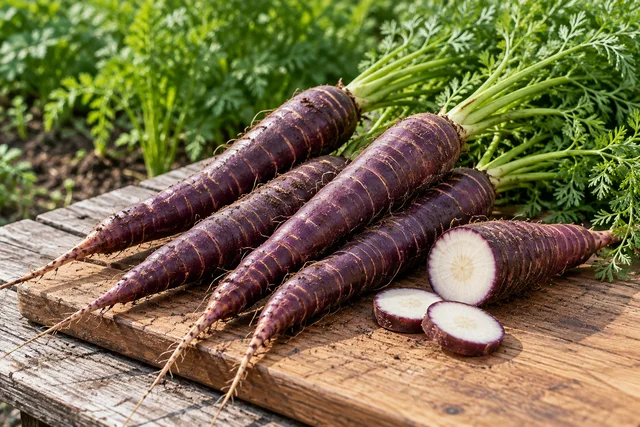
This image was created with AI from described plant characteristics and growing advice. It shows a possible situation and is not a photograph of a verified cultivar.
Gniff
Paarse buitenkant met een witte binnenkant.
Kies Gniff voor het kleurcontrast en een wortel die als bewaarbaar wordt aangeboden. Dat geeft een herkenbare keuze naast een volledig oranje of gele wortel.
Flavour, kitchen and growing
How does it taste?
Gniff wordt door de leverancier als zeer aromatisch beschreven. Proef de wortel eerst rauw en eenvoudig gaar om te ontdekken hoe het aroma in jouw oogst naar voren komt.
In the kitchen
Snijd dwarsplakjes zodat paars en wit zichtbaar blijven. Gebruik jonge rauwe plakjes in een salade of bereid grote stukken afzonderlijk voor een gekleurde schaal.
A space in the garden
Zaai direct in losse grond en laat de penwortel ongestoord ontwikkelen. Houd de opkomst vochtig en geef voldoende eindruimte voor de gekozen wortelmaat.
Harvesting
Controleer een eerste wortel op formaat en binnenkleur. Bewaar alleen gave exemplaren, verwijder loof voorzichtig en gebruik beschadigde wortels eerst.
Read the source notes →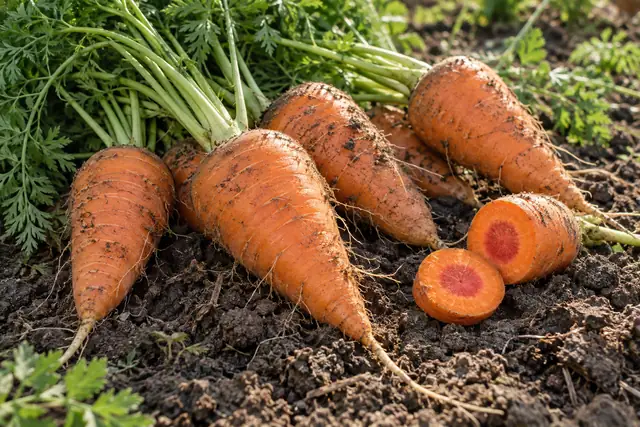
This image was created with AI from described plant characteristics and growing advice. It shows a possible situation and is not a photograph of a verified cultivar.
Rood Hart uit Chantenay
Brede halflange kegelwortel met een gekleurd hart.
Kies dit ras voor een volumineuze, kortere kegelvorm. Die past eerder in een minder diep bed dan een zeer lange wortel, mits de grond toch los is.
Flavour, kitchen and growing
How does it taste?
De wortel geeft het zoetige gewaskarakter. Het beschreven rode hart is een kleurkenmerk, geen bewijs van extra zoetheid tegenover andere Chantenay-typen.
This flavour description applies to the crop; there is no separate tasting result for this variety.In the kitchen
Snijd de brede wortel in gelijke blokjes voor soep of stevige parten voor de oven. De halflange vorm maakt grote stukken zonder een heel lange penwortel mogelijk.
A space in the garden
Zaai rechtstreeks en dun met ruimte voor de brede bovenzijde. Vermijd verdichte natte grond en houd de fijne kiemlaag tijdens opkomst vochtig.
Harvesting
Rooi op gewenste dikte en maak de grond eerst los. De brede wortel bevat veel keukenvolume; gebruik beschadigde stukken direct en sorteer gave wortels voor opslag.
Read the source notes →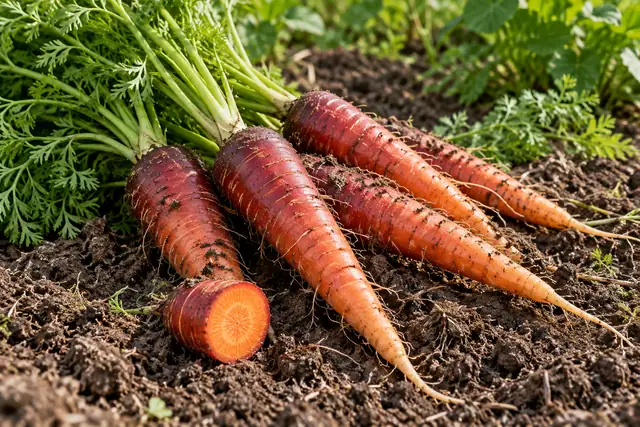
This image was created with AI from described plant characteristics and growing advice. It shows a possible situation and is not a photograph of a verified cultivar.
Rouge Sang
Bloedrode schouder met een kleurverloop naar de punt.
Kies Rouge Sang voor een bijzondere presentatie uit een eigen wortelrij. Enkele planten naast een geel ras geven genoeg verschil voor een kleine proefschaal.
Flavour, kitchen and growing
How does it taste?
Rouge Sang wordt als aangenaam zoet beschreven. Het kleurverloop is een duidelijk zichtbaar verschil; oogst en bereiding bepalen daarnaast hoe sterk je het wortelaroma ervaart.
In the kitchen
Snijd lange dunne linten of dwarsplakjes voor rauwkost. Gebruik gelijke wortelstukken in de oven wanneer je de tweekleurige schouder op een warme schaal wilt laten zien.
A space in the garden
Zaai direct en spreid kleine rijtjes als je vaker verse wortels wilt. Houd het fijne zaaibed vochtig en dun voorzichtig uit zonder de overblijvende penwortels te trekken.
Harvesting
Oogst op keukenmaat, niet alleen op kalender. Bekijk bij de eerste wortel het kleurverloop en proef; rooi per portie zolang bodem en seizoen dat toelaten.
Read the source notes →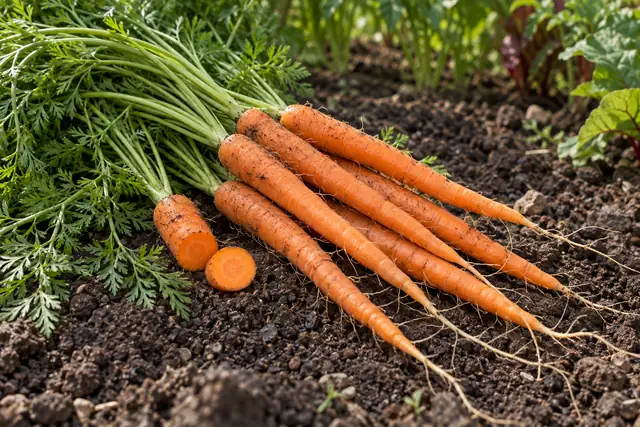
This image was created with AI from described plant characteristics and growing advice. It shows a possible situation and is not a photograph of a verified cultivar.
Amsterdamse Bak 2
Vroege dunne cilindrische bospeen.
Kies dit ras voor vroege bospeen en kleine maaltijdporties. De naam verwijst naar teelt in broeibakken; buiten kan het ras ook als vroege zomerwortel groeien.
Flavour, kitchen and growing
How does it taste?
Een jonge bospeen heeft het frisse, zoetige wortelkarakter. Bij Amsterdamse Bak 2 is vooral de dunne, vroege oogstvorm bepalend; een aparte smaakscore is niet vastgesteld.
This flavour description applies to the crop; there is no separate tasting result for this variety.In the kitchen
Gaar kleine wortels heel of serveer verse dunne peentjes met dip. Een korte bereiding houdt de fijne structuur beter herkenbaar dan lang stoven.
A space in the garden
Zaai direct in een bak of bed met losse grond. Een beschutte start kan vroeger, maar vraagt licht en vorstcontrole; voorkom verplanten van gevormde penwortels.
Harvesting
Oogst jonge dunne peentjes naar behoefte. Voor de verse bestemming hoef je niet op heel dikke wortels te wachten; een nieuwe zaai spreidt de oogst.
Read the source notes →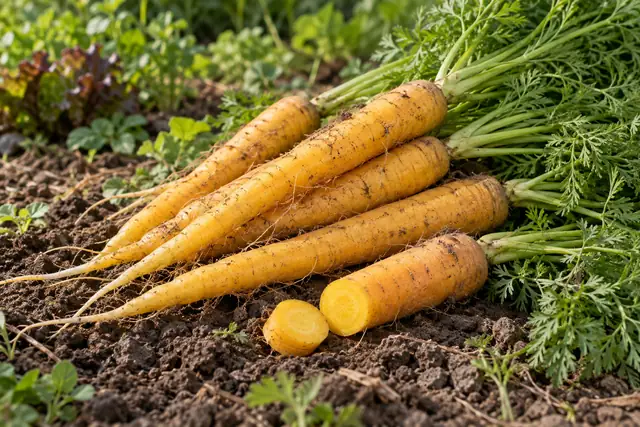
This image was created with AI from described plant characteristics and growing advice. It shows a possible situation and is not a photograph of a verified cultivar.
Lang geel uit België
Lang geel tot lichtoranje worteltype voor warm gebruik.
Kies dit regionale lange worteltype voor een gele tot lichtoranje oogst en warm gebruik. Een eigen rij voor stoofgerechten geeft een andere voorraad naast vroege verse bospeen.
Flavour, kitchen and growing
How does it taste?
De bron beschrijft een aromatische, licht zoete smaak. De kleur varieert van geel tot lichtoranje, zodat één vaste tint geen betrouwbare belofte voor elke wortel is.
This flavour description applies to the crop; there is no separate tasting result for this variety.In the kitchen
Gaar gelijke blokken in een stoofpot of rooster staven met olie. De beschreven bestemming is gekookt gebruik, waardoor warm proeven een logische eerste kennismaking geeft.
A space in the garden
Zaai rechtstreeks in diep losse grond en geef de lange wortel voldoende ruimte. Houd de opkomst gelijkmatig vochtig en dun uit naar de gewenste eindmaat.
Harvesting
Rooi met een vork naast de rij om breuk te voorkomen. Selecteer gave voorraadwortels en gebruik beschadigde stukken meteen in soep of een stoofgerecht.
Read the source notes →Discover all 11 choices
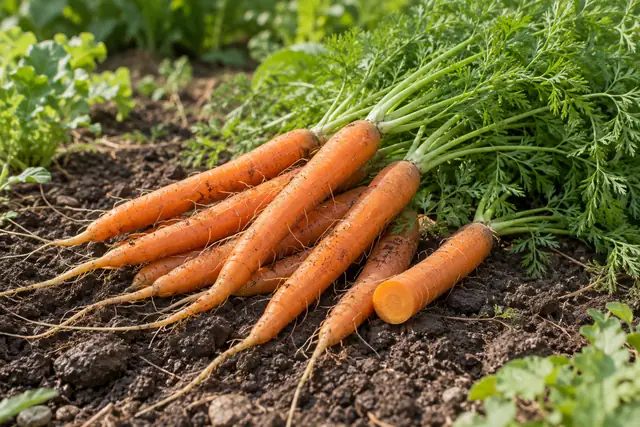
This image was created with AI from described plant characteristics and growing advice. It shows a possible situation and is not a photograph of a verified cultivar.
Vroeg uit Amsterdam
Vroeg dun cilindrisch worteltype voor verse oogst.
Kies dit type voor een vroege verse bestemming. De winkel geeft een algemene naam; voor zaadselectie blijft het daarom apart van een bewezen benoemd ras.
Flavour, kitchen and growing
How does it taste?
De leverancier beschrijft sappig en aromatisch vruchtvlees. Dat geeft een proefrichting voor een jonge oogst, zonder dit aanbod automatisch gelijk te stellen aan Amsterdamse Bak 2.
This flavour description applies to the crop; there is no separate tasting result for this variety.In the kitchen
Serveer dunne jonge wortels rauw of gaar ze kort heel. Kleine verse porties maken de sappige structuur herkenbaar op een eenvoudige schaal.
A space in the garden
Zaai direct op een beschutte, lichte plek in losse grond. Houd de kiemlaag vochtig en dun voorzichtig uit zodra planten te dicht op elkaar staan.
Harvesting
Oogst jong zodra de wortels een bruikbare dunne vorm hebben. Gebruik ze vers en spreid nieuwe zaairijtjes om meerdere keren kleine peentjes te kunnen eten.
Read the source notes →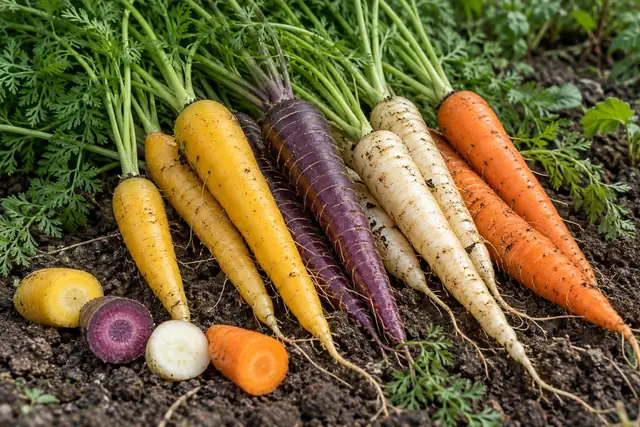
This image was created with AI from described plant characteristics and growing advice. It shows a possible situation and is not a photograph of a verified cultivar.
Gemengd
Mengsel van vier kleuren met een vergelijkbare ontwikkeling.
Kies gemengd om kleur te ontdekken zonder meerdere zakjes te openen. De bron noemt geel, wit, paars en oranje; de afzonderlijke cultivars zijn niet gespecificeerd.
Flavour, kitchen and growing
How does it taste?
De kleurenmix geeft verschillende worteltypen zonder één gegarandeerde zoetheid. Proef iedere kleur apart rauw en gaar voordat je conclusies over smaak trekt.
This flavour description applies to the crop; there is no separate tasting result for this variety.In the kitchen
Maak een rauwkostschaal met linten of rooster gelijke stukken. Bereid sterk kleurende wortels eventueel apart zodat gele en witte delen zichtbaar blijven.
A space in the garden
Zaai direct in een los bed en dun naar de gewenste wortelmaat. Houd rekening met de grootste vorm die je aantreft en voorkom verdringing tijdens groei.
Harvesting
Oogst een eerste selectie om de kleuren te bekijken en laat andere wortels verder groeien. De opgegeven vergelijkbare ontwikkeling sluit kleine verschillen tussen planten niet uit.
Read the source notes →Choose your way to grow
From a garden bed to a suitable pot or support: give your plant a place that suits your garden and the care you can provide.
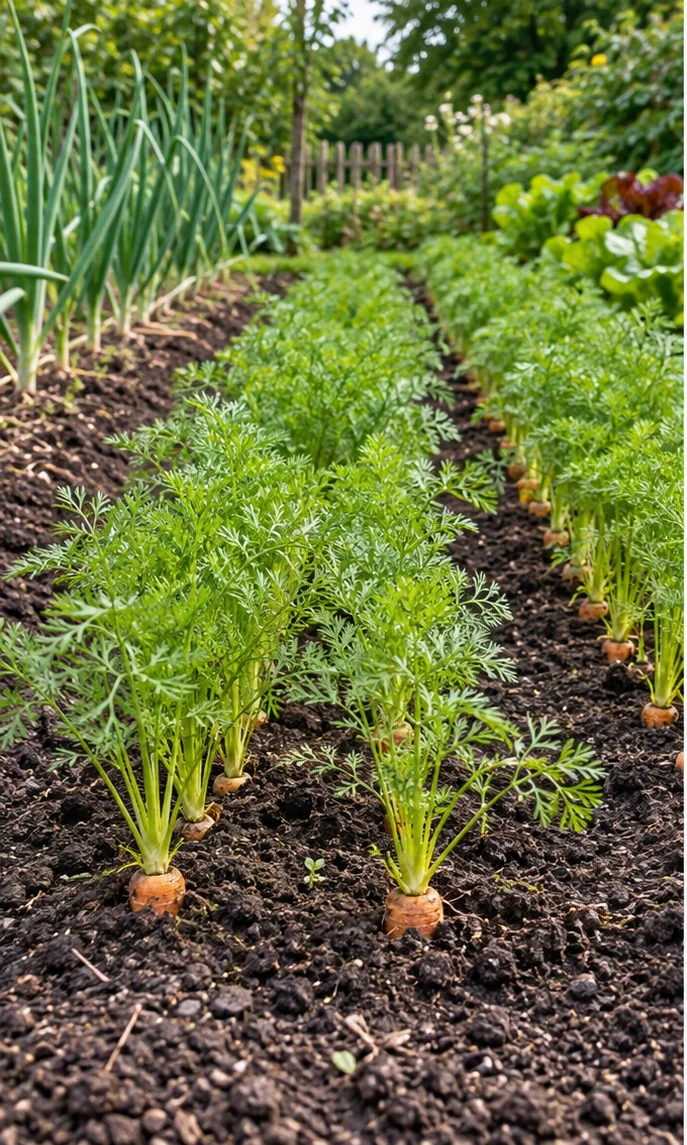
This image was created with AI from described plant characteristics and growing advice. It shows a possible situation and is not a photograph of a verified cultivar.
Sowing directly into a cleared bed
A root builds its harvest underground. First choose workable soil and a spot that will stay available for long enough. Sow directly and keep the row identifiable, even while seedlings are still small.
- Remove stones, weeds and hard clods without smearing wet clay into a compacted surface.
- Sow at the depth for the cultivar and keep the germination zone moist.
- Thin in time and harvest a first test specimen.
For anyone with a suitable bed and enough root space.
Tick off your supplies →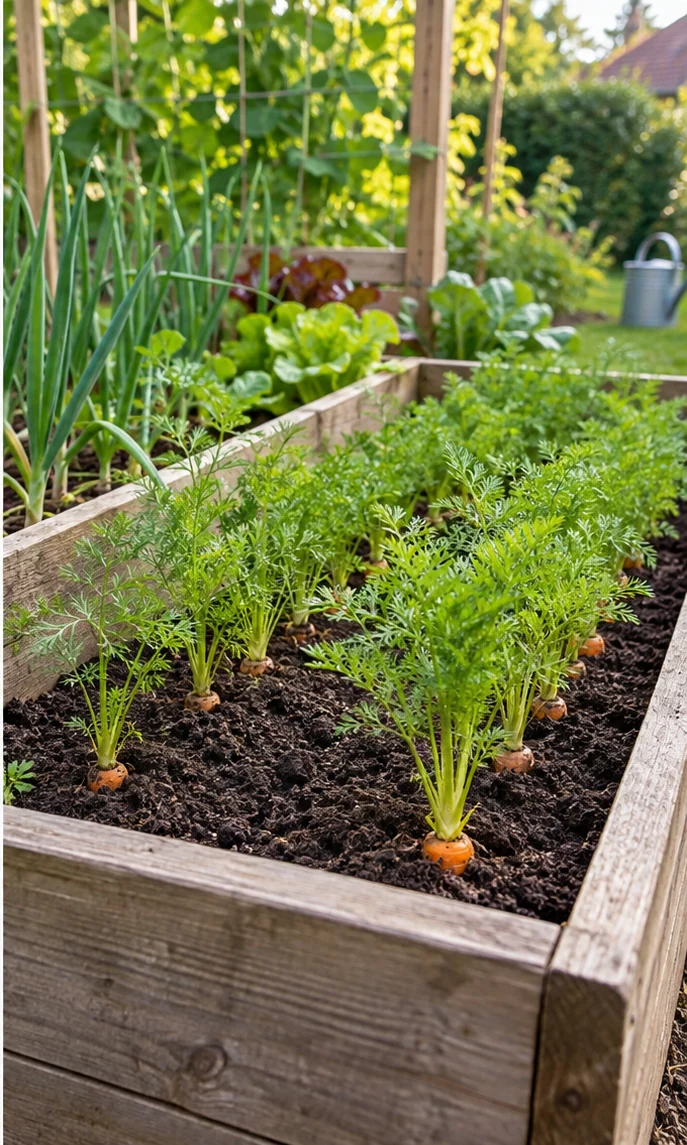
This image was created with AI from described plant characteristics and growing advice. It shows a possible situation and is not a photograph of a verified cultivar.
A small trial in a suitable container
Kies een pot die duidelijk dieper is dan de verwachte wortel en begin bij een kort of rond geschikt ras. Zaai direct in de pot en dun uit. Een losse vulling en afvoergaten geven de wortel meer kans dan harde, natte tuinbouwgrond in een kleine pot.
- Check the cultivar’s expected root size.
- Choose a container with enough depth and unobstructed drainage.
- Sow directly and check moisture more often than in the ground.
For limited space, provided the container suits the root shape.
Tick off your supplies →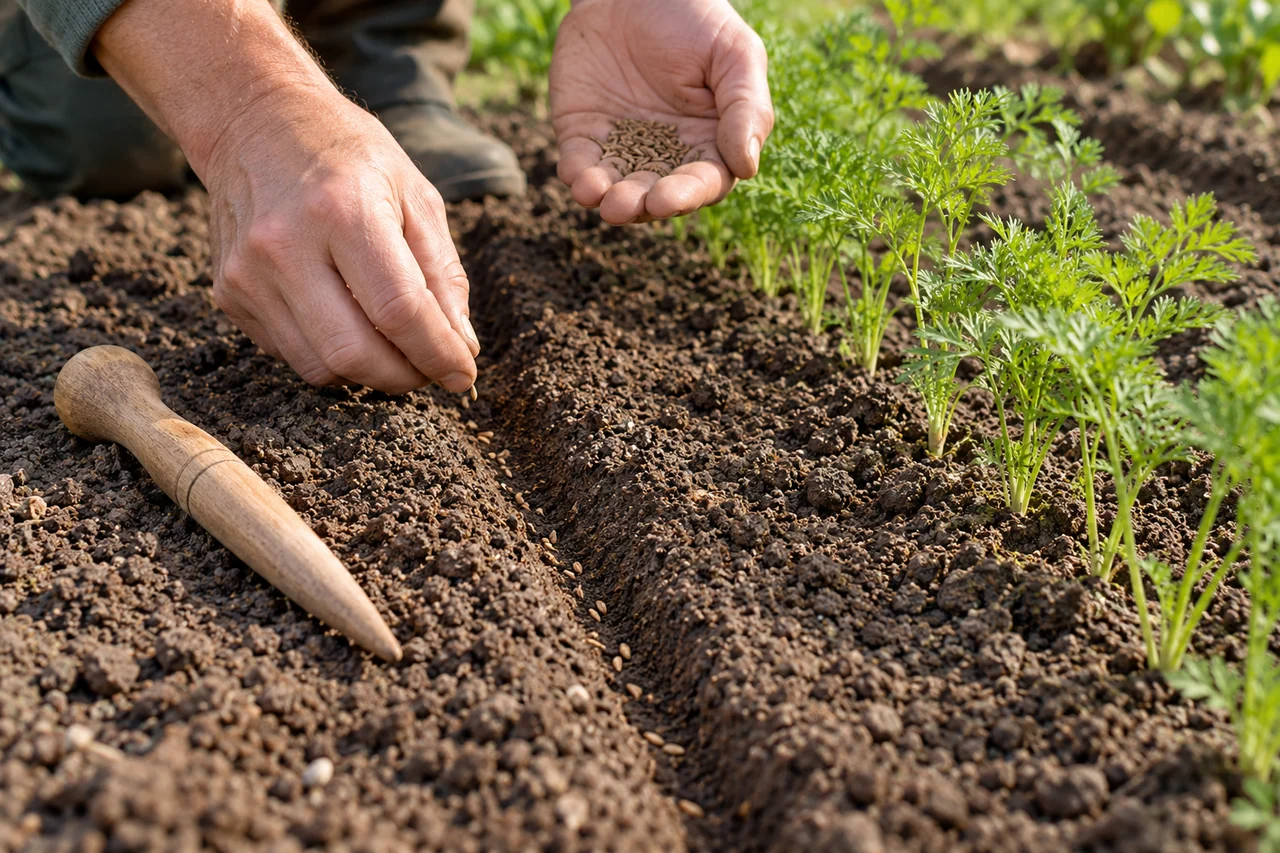
This image was created with AI from described plant characteristics and growing advice. It shows a possible situation and is not a photograph of a verified cultivar.
A tidy row starts with thin sowing
Spread the fine seed along a shallow drill. Gently cover it with soil and keep the surface moist until seedlings appear.
View your supplies →Explore the varieties
See the confirmed differences. Characteristics without supporting evidence are left blank.
16 of 16 varieties
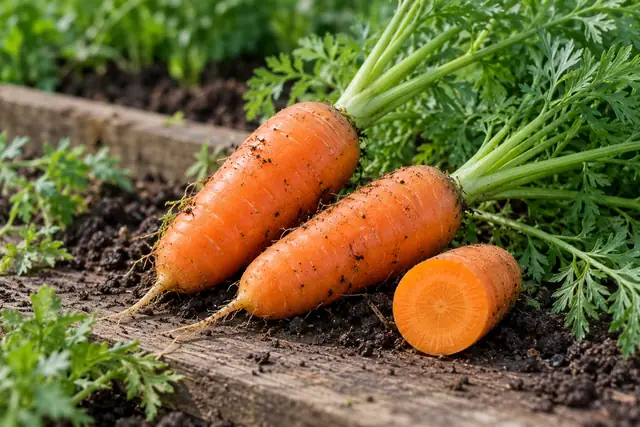
This image was created with AI from described plant characteristics and growing advice. It shows a possible situation and is not a photograph of a verified cultivar.
Adelaide
Explore this variety and use the growing guide to choose a place for your plant.
View variety →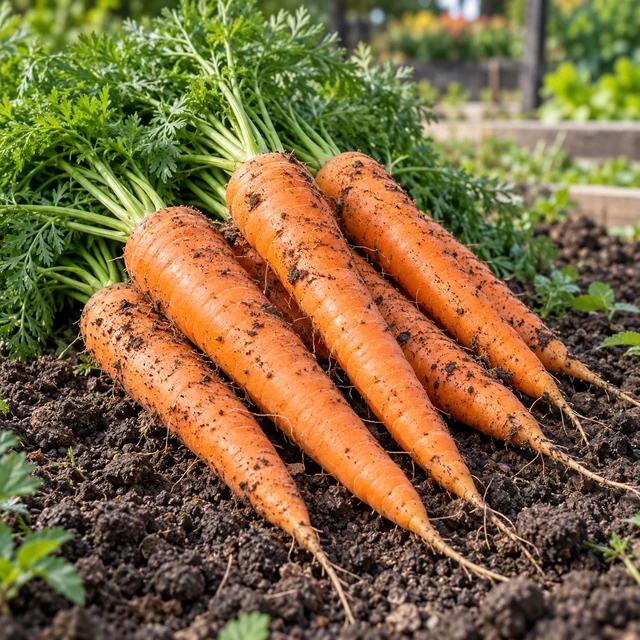
This image was created with AI from described plant characteristics and growing advice. It shows a possible situation and is not a photograph of a verified cultivar.
Autumn King 2
- Hoofdkleur
- Oranje wortelVerenigd Koninkrijk
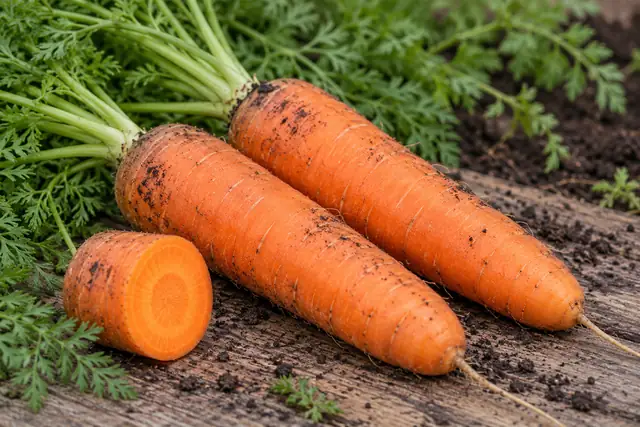
This image was created with AI from described plant characteristics and growing advice. It shows a possible situation and is not a photograph of a verified cultivar.
Bangor
Explore this variety and use the growing guide to choose a place for your plant.
View variety →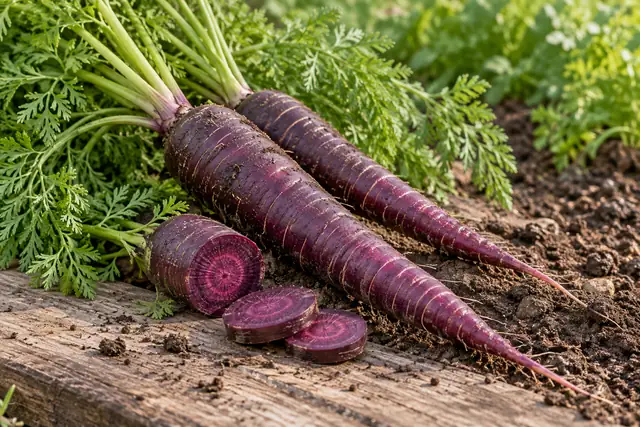
This image was created with AI from described plant characteristics and growing advice. It shows a possible situation and is not a photograph of a verified cultivar.
Deep Purple
Explore this variety and use the growing guide to choose a place for your plant.
View variety →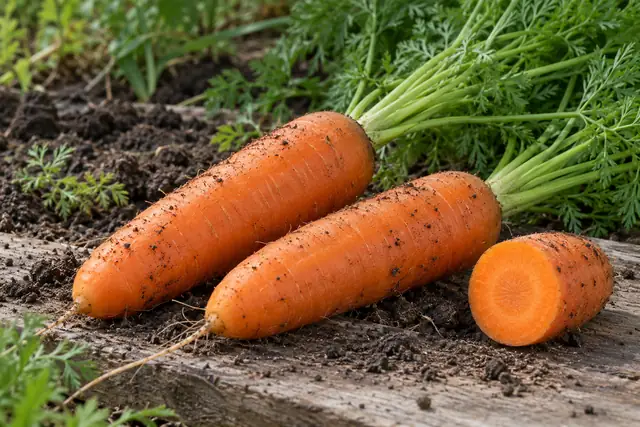
This image was created with AI from described plant characteristics and growing advice. It shows a possible situation and is not a photograph of a verified cultivar.
Eskimo
Explore this variety and use the growing guide to choose a place for your plant.
View variety →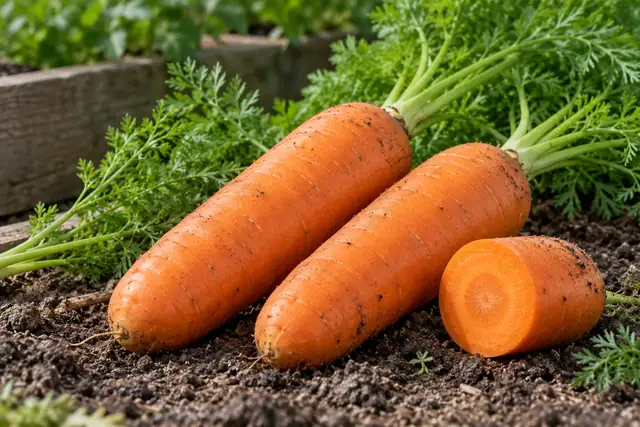
This image was created with AI from described plant characteristics and growing advice. It shows a possible situation and is not a photograph of a verified cultivar.
Extremo
Explore this variety and use the growing guide to choose a place for your plant.
View variety →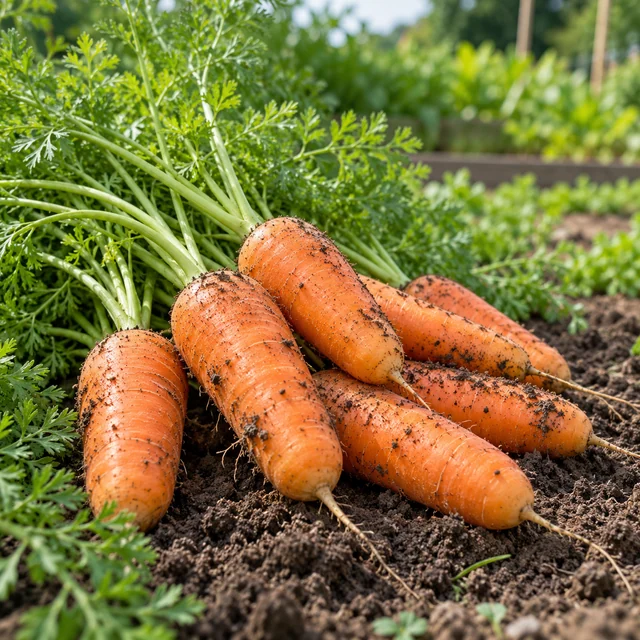
This image was created with AI from described plant characteristics and growing advice. It shows a possible situation and is not a photograph of a verified cultivar.
Flyaway
- Flavour
- Zoet volgens RHSVerenigd Koninkrijk
- Hoofdkleur
- Oranje wortelVerenigd Koninkrijk
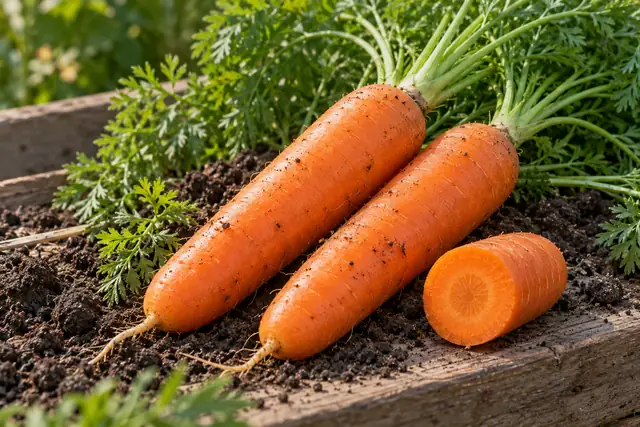
This image was created with AI from described plant characteristics and growing advice. It shows a possible situation and is not a photograph of a verified cultivar.
Maestro
Explore this variety and use the growing guide to choose a place for your plant.
View variety →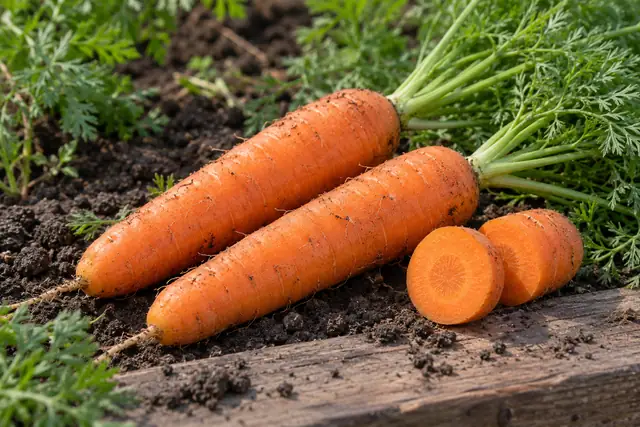
This image was created with AI from described plant characteristics and growing advice. It shows a possible situation and is not a photograph of a verified cultivar.
Marion
Explore this variety and use the growing guide to choose a place for your plant.
View variety →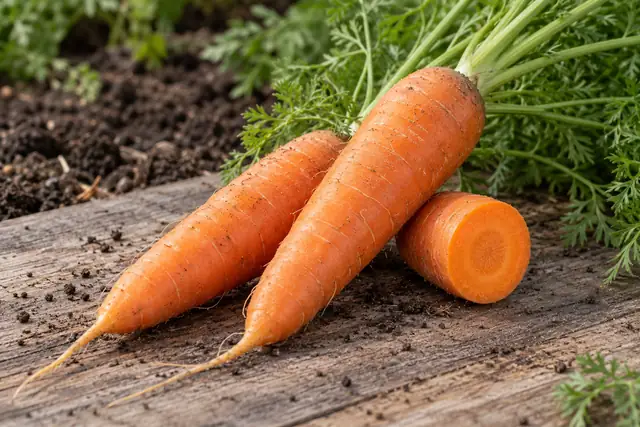
This image was created with AI from described plant characteristics and growing advice. It shows a possible situation and is not a photograph of a verified cultivar.
Nairobi
Explore this variety and use the growing guide to choose a place for your plant.
View variety →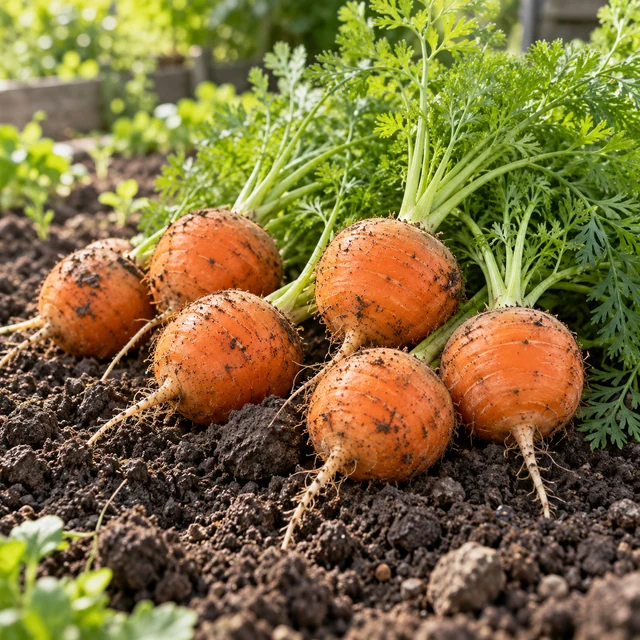
This image was created with AI from described plant characteristics and growing advice. It shows a possible situation and is not a photograph of a verified cultivar.
Parmex
- Flavour
- Zoet volgens RHSVerenigd Koninkrijk
- Geschikt voor pot
- JaVerenigd Koninkrijk · pot
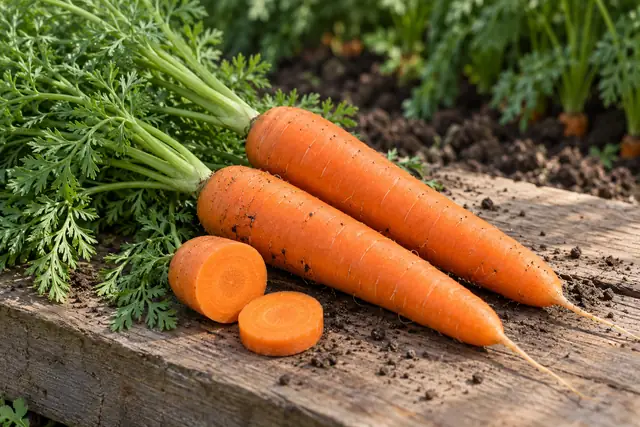
This image was created with AI from described plant characteristics and growing advice. It shows a possible situation and is not a photograph of a verified cultivar.
Romance
Explore this variety and use the growing guide to choose a place for your plant.
View variety →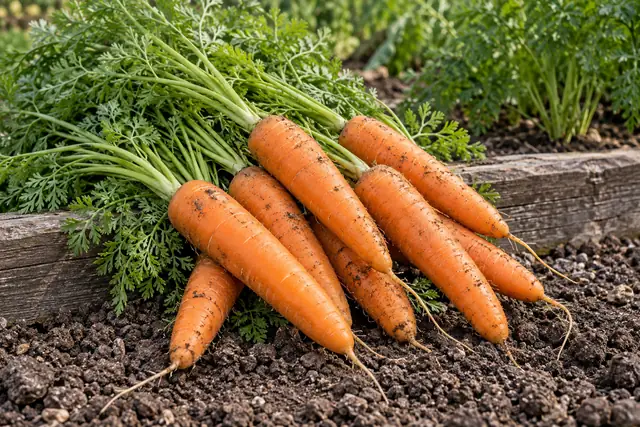
This image was created with AI from described plant characteristics and growing advice. It shows a possible situation and is not a photograph of a verified cultivar.
Silvano
Explore this variety and use the growing guide to choose a place for your plant.
View variety →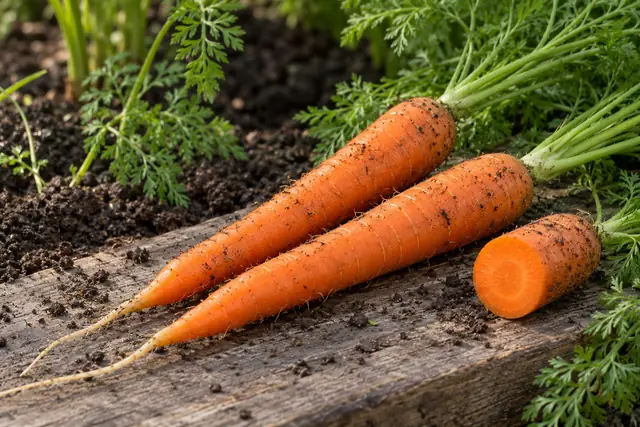
This image was created with AI from described plant characteristics and growing advice. It shows a possible situation and is not a photograph of a verified cultivar.
Sugarsnax 54
Explore this variety and use the growing guide to choose a place for your plant.
View variety →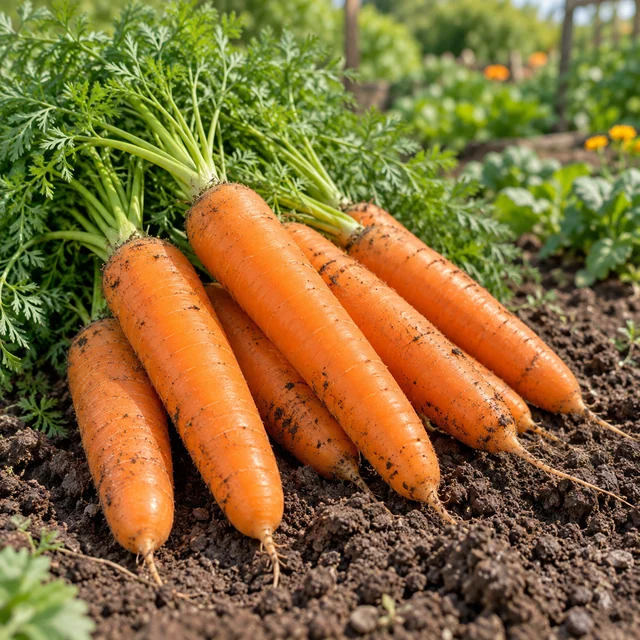
This image was created with AI from described plant characteristics and growing advice. It shows a possible situation and is not a photograph of a verified cultivar.
Sweet Candle
- Structuur
- Vrijwel zonder kern volgens RHSVerenigd Koninkrijk
- Flavour
- Zoet volgens RHSVerenigd Koninkrijk
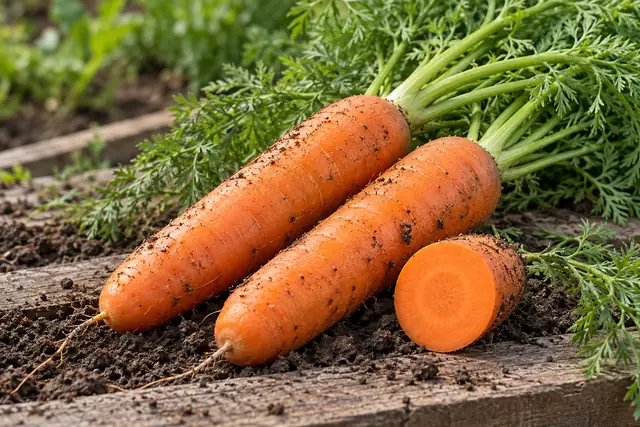
This image was created with AI from described plant characteristics and growing advice. It shows a possible situation and is not a photograph of a verified cultivar.
Tozresis
Explore this variety and use the growing guide to choose a place for your plant.
View variety →Choose two to four varieties to compare their source data side by side.
Choose by flavour, shape and use
Jaune du Doubs: Yellow storage carrot with a rounded tip. Slice yellow carrots for raw salads or cut into thick sticks for roasting. Combine with orange carrot to show the colour difference in the same dish.
The supplier describes Jaune du Doubs as sweet and mild. The yellow colour mainly adds harvest variety; no fixed difference in sugar content has been measured.
Nantes 2: Sweet summer carrot for fresh harvests. Slice summer carrots thinly for raw salads or cook briefly so they retain some bite. Fresh carrots also work as small sticks on a platter with dip.
Nantes 2 is described as having a sweet carrot flavour. The young root has a fresh bite; perceived sweetness also depends on ripeness and preparation.
Flakkee 2: Large orange winter carrot for growing a supply to store. Dice for soup or cut into generous wedges for roasting. Cook large pieces for long enough and cut all carrots to similar sizes in a mixed dish.
Flakkee 2 is described as sweet. The large root size gives more substantial pieces per plant, suited to stews and soup; preparation affects mouthfeel.
Blanche des Vosges: White carrot with broad shoulders, best used young in the kitchen. Slice young white carrots for a light raw salad or cook equal-sized pieces with other carrot colours. The white colour adds variety without a separate sauce.
The source describes the root as tasty when harvested young. Large mature roots were also used as a fodder crop; for a fine meal, therefore, try a young root in good time.
Choosing a suitable root crop
Summer carrots, winter carrots and short, round types need different space and time. Choose what fits your soil and pot first. A long root in a shallow container has no room to grow straight; a short type is more logical there.
Make room underground
Feel whether the soil is loose enough below the top layer. A fine surface can hide a hard layer. Carefully relieve obstructive compaction when the soil is workable. Avoid fresh, coarse manure directly in a row where straight roots need to develop.
Sow in the final position
Sow directly in a fine, cleared seedbed. Keep the surface moist during sometimes slow emergence and mark the row. Transplanting is inconvenient for an ordinary carrot crop because the young taproot damages easily and may branch as a result.
The surface layer deserves attention
After sowing, keep the germination zone evenly moist. A hard crust and drying can hold back small plants. Water with a fine rose and do not walk over the row. A label helps you find the sowing position before recognisable leaves appear.
Give every young plant its own space
Thin small groups in good time so each root can thicken. Keep to the cultivar's final spacing and work carefully. Sow thinly enough to avoid excessive pulling. An evenly spaced row is more useful than a dense carpet that mainly produces foliage.
Growing without large fluctuations
During dry periods, check moisture below the surface. Young plants and containers need more frequent watering checks than a well-rooted crop in a bed. Water according to need and let it soak down; a wet surface every day tells you little about the root zone.
Take time over the first one
Harvest gradually from a useful root size. Loosen heavy soil first with a fork so the foliage does not tear away. For a storage cultivar, let sound roots mature according to cultivar advice and harvest vulnerable or damaged specimens earlier.
An unusual root tells you something
Forked roots may relate to stones, compacted soil or damage to the young root. Carrot fly makes tunnels; where necessary, protect with suitable mesh and seal the edges. Fluctuating moisture can cause splitting. Choose a following growing position with better soil structure.
Start with a sound harvest
Use damaged roots first and store only sound ones, following guidance for the type and cultivar. Cool conditions and suitable humidity help limit drying, but check for deterioration. Storage advice for one winter cultivar is not a shelf-life promise for the whole species.
What you need
Tick what you already have. The extras depend on how you grow.
0 of 5 ticked off
Your ticks are saved in this browser.
Discover and grow more
More background, sources and image information
SeedSteps editorial team · updated on 11 October 2026. The AI images illustrate species and practical growing situations; they do not prove an exact cultivar, observations from your own garden or yield.
Britse gewasadviezen worden gecombineerd met Nederlandse en Vlaamse informatie waar beschikbaar. Amerikaanse Extension-bronnen ondersteunen plantprincipes en herkenning; hun kalenderdata, lokale plaagdruk, bestrijdingsmiddelen en mestdoseringen worden niet rechtstreeks op Nederland of Vlaanderen toegepast. Vorst, bodemwarmte, standplaats en expliciete rasinformatie blijven de lokale controle. Commerciële bronnen onderbouwen uitsluitend benoemde ras- en plantkenmerken; zij zijn geen affiliate-aanbeveling.
- World Checklist of Vascular Plants — 4 juni 2026Royal Botanic Gardens, Kew · accessed 2026-10-07
- Common catalogue of varieties of vegetable species — Supplement H 2025/11 (C/2025/6470), Nantaise 2Europese Commissie · accessed 2026-10-11
- Organic Zomerwortelen Nantes 2 zadenFeggies · accessed 2026-10-11
- Gele winterwortel 'Jaune Du Doubs' zaden biologischFeggies · accessed 2026-10-11
- Winterwortel Flakkee 2 BiologischFeggies · accessed 2026-10-11
- Wortel Blanche des VosgesFeggies · accessed 2026-10-11
- Wortel gemengdFeggies · accessed 2026-10-11
- Wortel Gniff zadenFeggies · accessed 2026-10-11
- Wortel lang geel uit BelgiëFeggies · accessed 2026-10-11
- Wortel Nantaise 2Feggies · accessed 2026-10-11
- Wortel Rood Hart uit Chantenay zaden biologischFeggies · accessed 2026-10-11
- Wortel Rouge Sang BiologischFeggies · accessed 2026-10-11
- Wortel vroege uit AmsterdamFeggies · accessed 2026-10-11
- Zomerwortel 'Amsterdamse Bak 2' BiologischFeggies · accessed 2026-10-11
- De Bolster — Wortel telenDe Bolster · accessed 2026-10-10
- RHS — wortel kwekenRoyal Horticultural Society · accessed 2026-10-10
- UMN Extension — wortel in de moestuinUniversity of Minnesota Extension · accessed 2026-10-10
Supporting evidence by chapter: Choose by flavour, shape and use: Feggies, Feggies, Feggies, Europese Commissie, Feggies, Feggies. Choosing a suitable root crop: Royal Horticultural Society, University of Minnesota Extension, De Bolster. Make room underground: Royal Horticultural Society, University of Minnesota Extension, De Bolster. Sow in the final position: Royal Horticultural Society, University of Minnesota Extension, De Bolster. The surface layer deserves attention: Royal Horticultural Society, University of Minnesota Extension, De Bolster. Give every young plant its own space: Royal Horticultural Society, University of Minnesota Extension, De Bolster. Growing without large fluctuations: Royal Horticultural Society, University of Minnesota Extension, De Bolster. Take time over the first one: Royal Horticultural Society, University of Minnesota Extension, De Bolster. An unusual root tells you something: Royal Horticultural Society, University of Minnesota Extension, De Bolster. Start with a sound harvest: Royal Horticultural Society, University of Minnesota Extension, De Bolster.