
Biet: kleur in je bed, van jong blad tot stevige wortel
Red is only the beginning of the beetroot world. There are also long, yellow and strikingly patterned forms. A short row lets you follow both young leaves and roots. First choose what you want to harvest; that determines how much room the plants and your kitchen plans need.
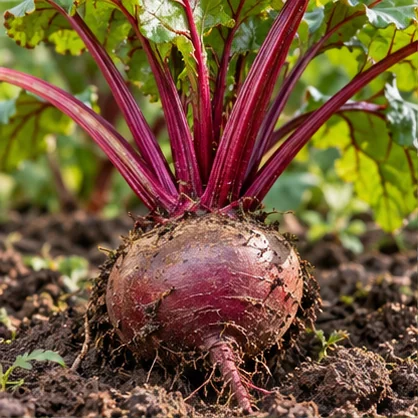
This image was created with AI from described plant characteristics and growing advice. It shows a possible situation and is not a photograph of a verified cultivar.
- Sowing
- Voorjaar en zomer, naar ras
- Location
- Zon, goed afwaterende grond
- Growing
- Tuinbed of ruime pot
- Harvest
- Jong blad en bruikbare wortels
This growing advice helps you choose. Your variety, growth stage, weather and conditions in your space determine the actual timing.
Sowing under cover and raising seedlings
Direct zaaien of in modules · Beetroot
Maart–april voor een vroege startZaai licht en beschut in modules; houd jonge planten niet lang in een warme kamer.
- Germination and temperature
- Begin niet in langdurig koude grond; vroege kou kan schieten bevorderen.
- After emergence
- Zet zaailingen direct na opkomst licht. Een donkere zolder vraagt geschikte groeiverlichting; warmte alleen is onvoldoende. Ventileer en houd de grond vochtig, zonder haar te verzadigen.
- Pricking out and potting on
- Je kunt in modules zaaien en met kluit uitplanten. Een zaadkluwen kan meerdere zaailingen geven; dun passend uit.
- Hardening off and planting out
- Laat binnen opgekweekte planten geleidelijk aan zon, wind en buitentemperatuur wennen; zet ze bij koude nachten weer beschut. Plant kleine stevige kluiten uit zonder de wortels uit elkaar te trekken.
Vroege zaai vraagt een geschikt, schietresistent ras. Kies het teeltdoel: babyblad of biet.
Sources and use
RHS · biet ↗Britse teeltrichtlijn voor een gematigd klimaat; de genoemde perioden zijn richtlijnen voor Nederland en Vlaanderen.
Feggies · Bieten in gemengde kleuren - 3 Root Grex ↗Nederlandse producent of teeltbron; de rasinstructie blijft leidend.
Feggies · Bieten Kogel Detroit 2 zaden ↗Nederlandse producent of teeltbron; de rasinstructie blijft leidend.
Guideline periods for the Netherlands and Flanders. Check the variety, available light, soil and measured temperatures. Greenhouse heating does not guarantee enough winter light.
A different flavour, a different harvest.
Choose by more than the name. Discover how these varieties and crop types taste, what you can use them for and what growing them involves.
9 of 9 choices · 7 named varieties
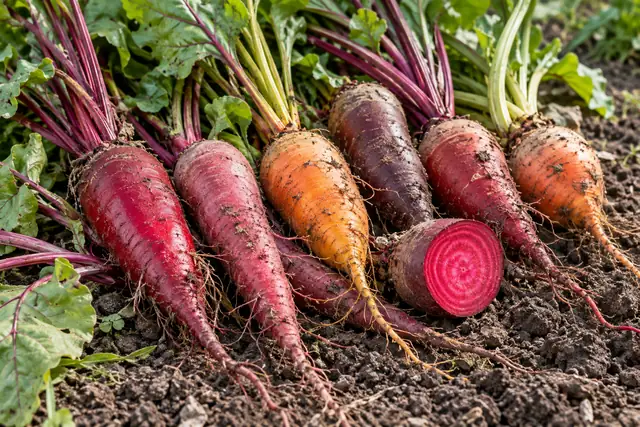
This image was created with AI from described plant characteristics and growing advice. It shows a possible situation and is not a photograph of a verified cultivar.
3 Root Grex
Genetisch diverse bietenpopulatie met wisselende kleuren en vormen.
Kies 3 Root Grex voor ontdekken en selecteren. Dit is een diverse zaadvaste populatie, aangeduid als mix, met wisselende wortels in plaats van één uniform rasbeeld.
Flavour, kitchen and growing
How does it taste?
De bieten hebben het aardse, zoetige gewaskarakter en kunnen onderling verschillen. Deze populatie belooft juist variatie, zodat één smaakomschrijving niet elke wortel dekt.
This flavour description applies to the crop; there is no separate tasting result for this variety.In the kitchen
Rooster enkele wortels afzonderlijk en proef ze naast elkaar. Snijd voor rauwkost dunne plakjes zodat de verschillen in kleuren en binnenkant zichtbaar blijven.
A space in the garden
Zaai in losse grond en dun ruimer uit voor de voornamelijk langwerpige wortels. Houd een paar planten herkenbaar als je later eigen selectie wilt leren.
Harvesting
Oogst op individuele maat; de planten worden niet allemaal gelijk. Proef jonge en grotere bieten en noteer welke vorm je bij een volgende selectie wilt terugzien.
Read the source notes →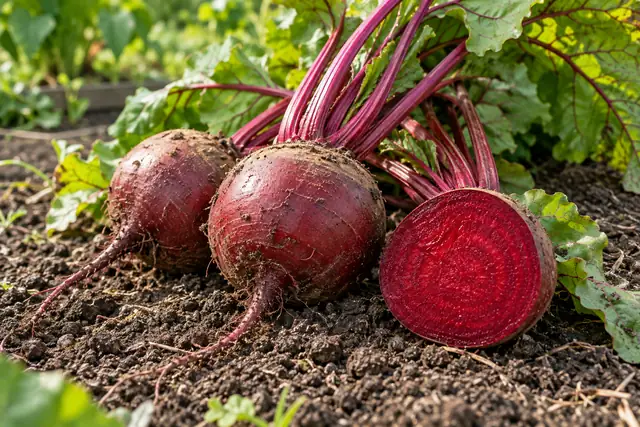
This image was created with AI from described plant characteristics and growing advice. It shows a possible situation and is not a photograph of a verified cultivar.
Kogel Detroit 2
Ronde rode biet voor een overzichtelijke zomerteelt.
Kies Detroit 2 voor ronde rode bieten en een eenvoudige directe zaai. Later gezaaide, gave wortels kunnen ook een bescheiden wintervoorraad leveren.
Flavour, kitchen and growing
How does it taste?
De smaak is het bekende zoetige, aardse bietenkarakter. De ronde vorm is hier het concrete rasverschil; extra zoetheid naast andere kogels is niet vastgesteld.
This flavour description applies to the crop; there is no separate tasting result for this variety.In the kitchen
Rooster ronde bieten heel of snijd gelijke parten voor de oven. Afgekoeld kun je blokjes door een salade met appel en iets fris zuurs mengen.
A space in the garden
Zaai in het voorjaar rechtstreeks en dun op tijd uit zodat elke biet ruimte krijgt. Houd het oppervlak vochtig tijdens opkomst zonder een harde korst te maken.
Harvesting
Oogst jonge bieten voor een maaltijd en laat een deel uitgroeien. Haal bewaarwortels voor strenge vorst binnen en bescherm ze koel tegen uitdroging.
Read the source notes →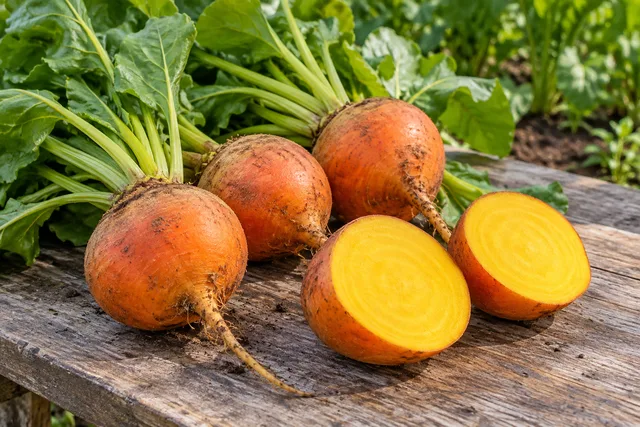
This image was created with AI from described plant characteristics and growing advice. It shows a possible situation and is not a photograph of a verified cultivar.
Boldor
Oranje buitenkant met een heldergele binnenkant.
Kies Boldor voor kleurvariatie en redelijk gelijkmatige knollen. Een rijtje naast een rood ras maakt het oogsten en samenstellen van een kleurrijke maaltijd aantrekkelijk.
Flavour, kitchen and growing
How does it taste?
Boldor geeft het zoetige bietenkarakter met een stevige structuur. Kies hem vooral voor de gele binnenkant; een precieze smaakrangorde met rode bieten is niet onderbouwd.
This flavour description applies to the crop; there is no separate tasting result for this variety.In the kitchen
Rasp een jonge biet voor gele rauwkost of rooster parten met wortel. Bereid rode bieten apart wanneer je de gele kleur op het bord zichtbaar wilt houden.
A space in the garden
Zaai buiten in het voorjaar of beschut voor een eerdere oogst. Dun tijdig uit en houd vooral bij droge groei de wortelzone gelijkmatig vochtig.
Harvesting
Oogst op gewenste maat en gebruik jonge knollen vers. Voor voorraad kies je gave wortels en bewaar je ze koel, donker en beschermd tegen uitdroging.
Read the source notes →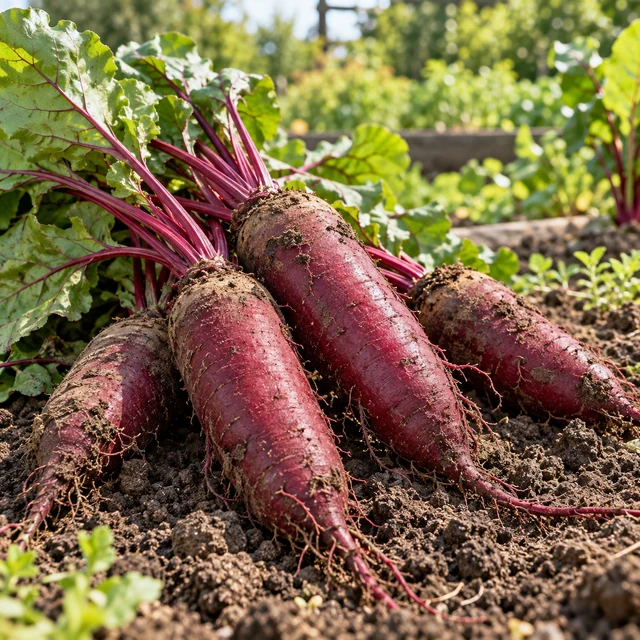
This image was created with AI from described plant characteristics and growing advice. It shows a possible situation and is not a photograph of a verified cultivar.
Cylindra
Smalle halflange biet voor gelijkmatige ronde plakjes.
Kies Cylindra wanneer je graag bieten snijdt voor schalen of potten. De smalle wortels zijn ook overzichtelijk in een rij en geven een herkenbare afwijkende oogstvorm.
Flavour, kitchen and growing
How does it taste?
Cylindra heeft de zoetige, aardse bietenbasis met stevig snijbaar vruchtvlees. Haar langwerpige vorm helpt bij een ander keukenresultaat dan een ronde kogelbiet.
This flavour description applies to the crop; there is no separate tasting result for this variety.In the kitchen
Gaar de wortel heel en snijd daarna gelijkmatige schijfjes voor garnering of inmaken. De lange vorm geeft veel plakjes met ongeveer dezelfde doorsnede.
A space in the garden
Zaai niet onnodig vroeg in koude grond en dun uit. Laat de langwerpige wortels zonder verdichte laag groeien en voorkom grote schommelingen tussen droog en nat.
Harvesting
Oogst zodra de wortel genoeg dikte heeft voor plakjes. Voor wintergebruik rooi je gave exemplaren voor strenge vorst en bewaar je ze koel zonder uitdrogen.
Read the source notes →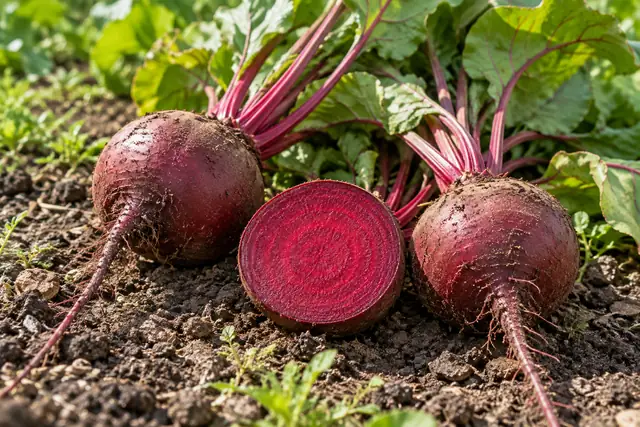
This image was created with AI from described plant characteristics and growing advice. It shows a possible situation and is not a photograph of a verified cultivar.
Kogel 2
Ronde rode zomer- en herfstbiet voor bewaren.
Kies Kogel 2 voor ronde bieten met een duidelijke bewaarbestemming. Een gespreide zaai geeft eerst verse maaltijden en later een selectie voor de winter.
Flavour, kitchen and growing
How does it taste?
Kogel 2 wordt als zoet en stevig beschreven. De ronde structuur is geschikt voor uiteenlopende bereidingen; de bron geeft geen score waarmee hij zoeter dan Detroit 2 zou zijn.
In the kitchen
Rasp jonge knollen voor rauwkost, rooster grotere bieten of maak blokjes voor een maaltijdsalade. Een beetje azijn of citroen geeft het aardse karakter frisheid.
A space in the garden
Zaai rechtstreeks in het voorjaar; voor een voorraadteelt noemt de leverancier de tweede helft van mei. Dun vroeg uit en houd de opkomst vochtig.
Harvesting
Oogst voor opslag in de herfst voordat strenge vorst schade geeft. Laat de wortels heel, verwijder het loof voorzichtig en bewaar koel in licht vochtig zand.
Read the source notes →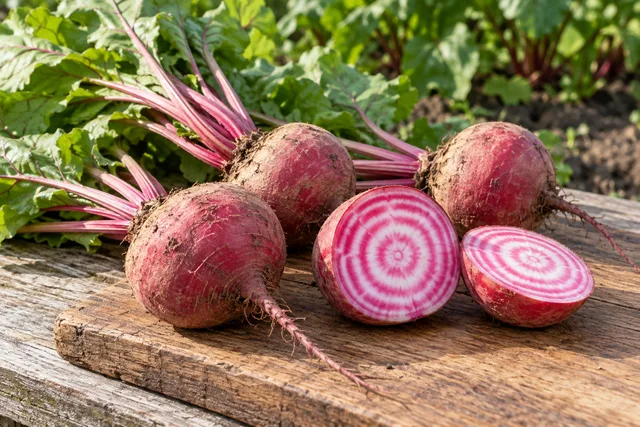
This image was created with AI from described plant characteristics and growing advice. It shows a possible situation and is not a photograph of a verified cultivar.
Tonda di Chioggia
Ronde biet met roze-rode en witte ringen.
Kies Chioggia voor een onverwachte binnenkant bij het doorsnijden. De volledige naam en de kortere Chioggia-benaming zijn bij deze bron expliciet aan elkaar gekoppeld.
Flavour, kitchen and growing
How does it taste?
De leverancier omschrijft Chioggia als mild en zoet. De ringen maken vooral het uiterlijk bijzonder; proef dunne plakjes om te zien hoe de oogst uit jouw tuin smaakt.
In the kitchen
Snijd rauwe dunne schijfjes voor een carpaccio met olie en citrus. Bij warme bereiding kan het ringpatroon vervagen, dus reserveer enkele jonge bieten voor rauwkost.
A space in the garden
Zaai in opgewarmde grond en dun uit zodat ronde wortels ruimte hebben. Spreid de zaai voor verschillende oogstmomenten en geef tijdens droogte regelmatig water.
Harvesting
Oogst jonge wortels voor fijn gesneden rauwkost en grotere voor koken. Controleer de maat onder het loof; wacht niet tot de hele rij even groot is.
Also listed as: Chioggia.
Read the source notes →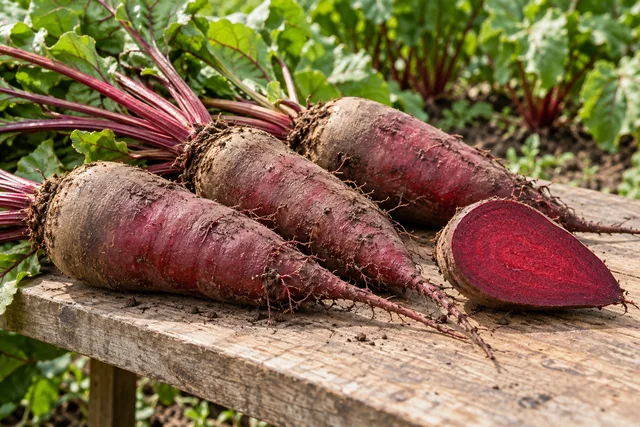
This image was created with AI from described plant characteristics and growing advice. It shows a possible situation and is not a photograph of a verified cultivar.
Crapaudine
Lange kegelvormige biet voor wintervoorraad.
Kies Crapaudine wanneer je een langwerpige voorraadbiet wilt. Haar vorm geeft variatie naast ronde kogels en vraagt vooraf een diep genoeg losgemaakt bed.
Flavour, kitchen and growing
How does it taste?
Crapaudine heeft het aardse, zoetige bietenkarakter. De afwijkende wortelvorm en bewaring zijn de concrete bronkenmerken; een sterkere smaak dan bij ronde bieten is niet bewezen.
This flavour description applies to the crop; there is no separate tasting result for this variety.In the kitchen
Gaar de lange wortel in de oven en snijd daarna stukken voor een warme schaal. Door gelijke parten te maken krijg je een goed gaar resultaat.
A space in the garden
Zaai rechtstreeks en dun uit met ruimte voor de kegelwortel. Vermijd een harde onderlaag en houd de bodem tijdens groei vochtig zonder langdurige waterverzadiging.
Harvesting
Rooi de winterselectie met een vork naast de wortel om breuk te voorkomen. Gebruik beschadigde exemplaren eerst en leg gave bieten koel en tegen uitdroging beschermd weg.
Read the source notes →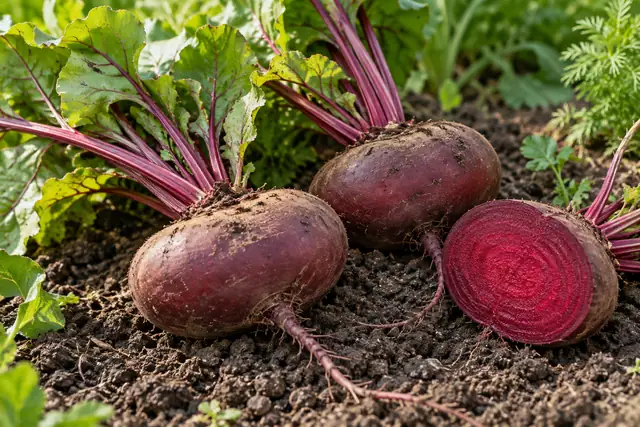
This image was created with AI from described plant characteristics and growing advice. It shows a possible situation and is not a photograph of a verified cultivar.
Plate uit Egypte
Vroege afgeplatte biet voor jong gebruik.
Kies deze biet voor een vroege zomeroogst. Hij geeft een duidelijk andere vorm naast ronde of lange bieten en past bij oogsten voor directe maaltijden.
Flavour, kitchen and growing
How does it taste?
Jong geoogst krijg je het malse, zoetige bietenkarakter. De vroege ontwikkeling en afgeplatte vorm bepalen de keuze; een eigen smaakrangorde is niet vastgesteld.
This flavour description applies to the crop; there is no separate tasting result for this variety.In the kitchen
Gaar kleine bieten heel of snijd platte parten voor een korte ovenbereiding. Gebruik verse jonge wortels bij een salade met kruiden en wat zuur.
A space in the garden
Begin zodra de voorjaarsgrond geschikt is en houd jonge groei gelijkmatig vochtig. Dun uit zodat de brede, afgeplatte wortels voldoende plaats hebben.
Harvesting
Controleer geregeld de grootte en oogst jong voor de fijnste structuur. Maak de vroege oogstplaats vrij voor een volgend gewas zodra de rij gebruikt is.
Read the source notes →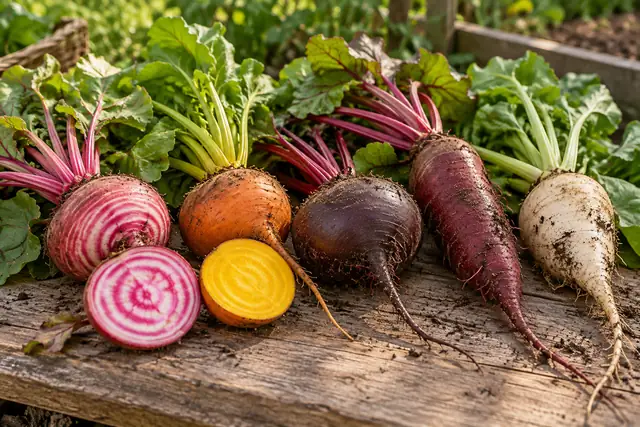
This image was created with AI from described plant characteristics and growing advice. It shows a possible situation and is not a photograph of a verified cultivar.
Rode bietenmengeling
Mengsel van vijf genoemde bietenrassen met verschillende kleuren.
Kies de mengeling voor ontdekking in één rij. De bron noemt Chioggia, Golden, Egyptian Black, Formanova en Vereduna Alba; het is een mix, geen nieuw uniform ras.
Flavour, kitchen and growing
How does it taste?
Het mengsel combineert verschillende bietenkarakters. Proef enkele wortels afzonderlijk: één zoetheids- of structuurbelofte past niet bij een mengsel met verschillende rascomponenten.
This flavour description applies to the crop; there is no separate tasting result for this variety.In the kitchen
Maak een schaal met rauwe schijfjes en geroosterde parten. Houd sterk rood kleurende wortels apart bij het garen om gele en witte stukken zichtbaar te houden.
A space in the garden
Zaai rechtstreeks en dun naar de ruimte die de grotere wortels nodig hebben. Houd rekening met verschillende vormen en selecteer per plant in plaats van per complete rij.
Harvesting
Oogst wortels zodra ze geschikt zijn voor je gerecht. Bekijk en proef de binnenkant en noteer favorieten; een volgende zak hoeft geen gelijke aantallen per ras te geven.
Read the source notes →Choose your way to grow
From a garden bed to a suitable pot or support: give your plant a place that suits your garden and the care you can provide.
This image was created with AI from described plant characteristics and growing advice. It shows a possible situation and is not a photograph of a verified cultivar.
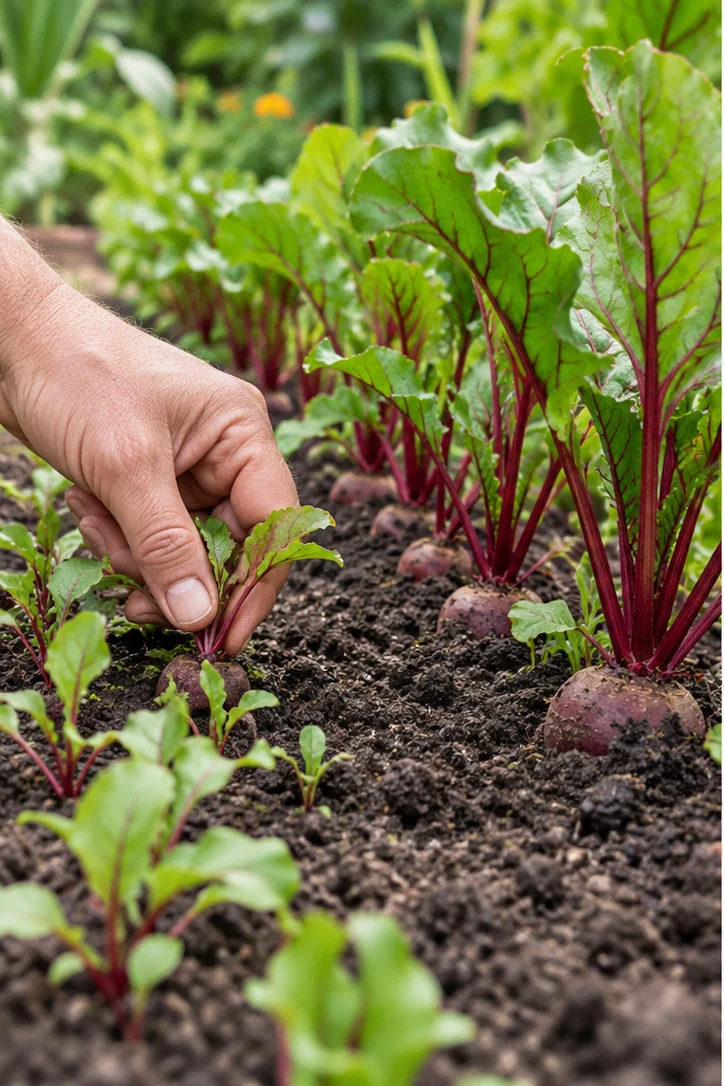
Een rij met worteloogst
Een overzichtelijke rij maakt uitdunnen en gespreid oogsten gemakkelijk.
- Zaai dun op de rasdiepte.
- Controleer of uit één zaadkluwentje meerdere planten komen.
- Geef groeiende wortels ruimte en oogst enkele tegelijk.
Voor verschillende wortelvormen en een grotere oogst.
Tick off your supplies →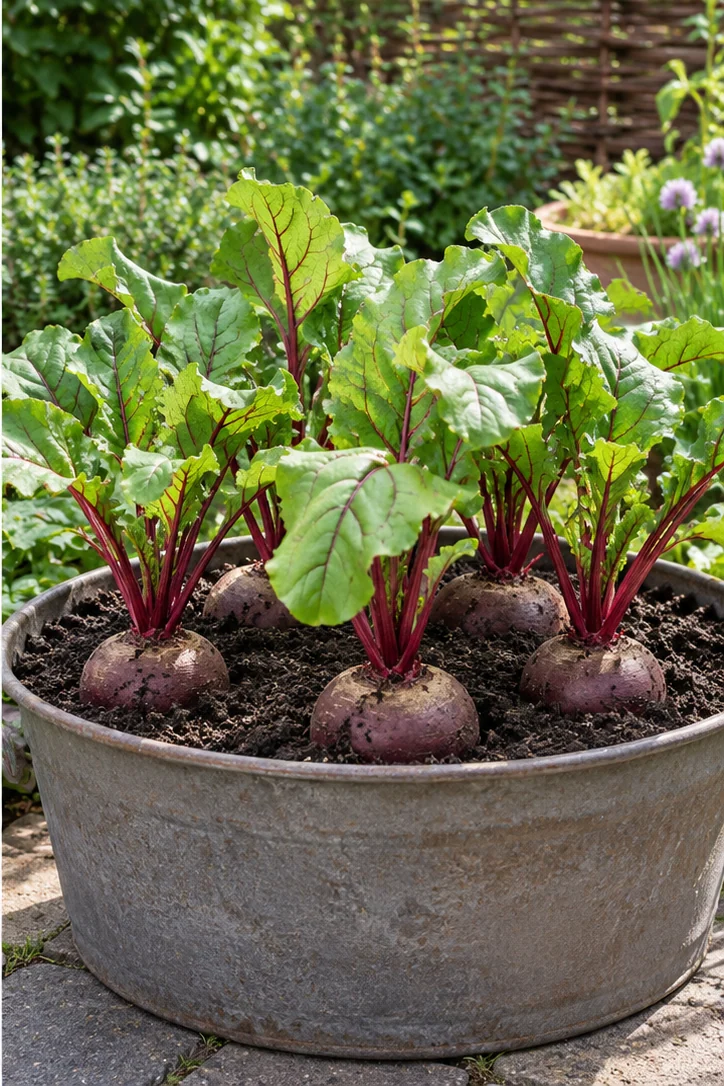
This image was created with AI from described plant characteristics and growing advice. It shows a possible situation and is not a photograph of a verified cultivar.
Ronde bieten in een brede pot
Ronde wortelvormen passen vaak beter dan lange bieten in een container.
- Kies een brede pot met afvoer.
- Zaai een kleine portie in geschikte potgrond.
- Dun uit en houd de pot gelijkmatig vochtig.
Voor enkele jonge bieten op een zonnig terras.
Tick off your supplies →Explore the varieties
See the confirmed differences. Characteristics without supporting evidence are left blank.
11 of 11 varieties
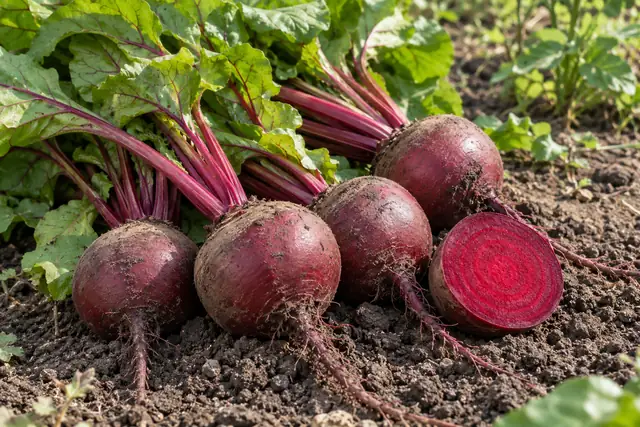
This image was created with AI from described plant characteristics and growing advice. It shows a possible situation and is not a photograph of a verified cultivar.
Action
Explore this variety and use the growing guide to choose a place for your plant.
View variety →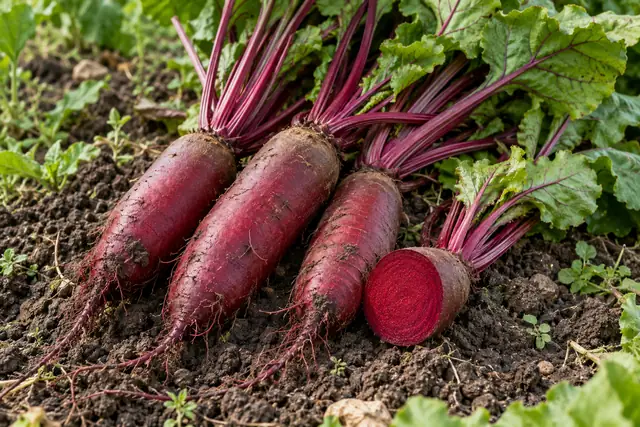
This image was created with AI from described plant characteristics and growing advice. It shows a possible situation and is not a photograph of a verified cultivar.
Alto
Explore this variety and use the growing guide to choose a place for your plant.
View variety →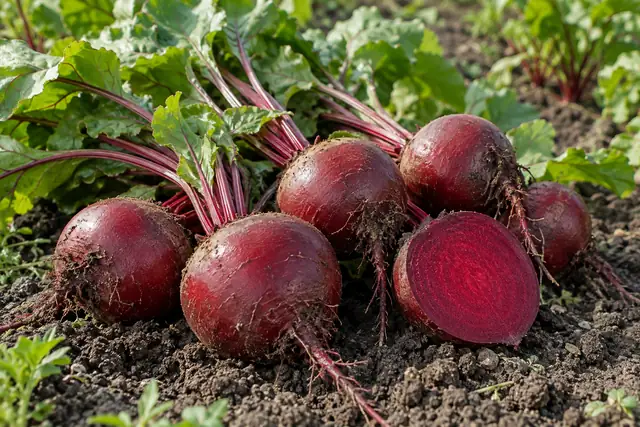
This image was created with AI from described plant characteristics and growing advice. It shows a possible situation and is not a photograph of a verified cultivar.
Bettollo
Explore this variety and use the growing guide to choose a place for your plant.
View variety →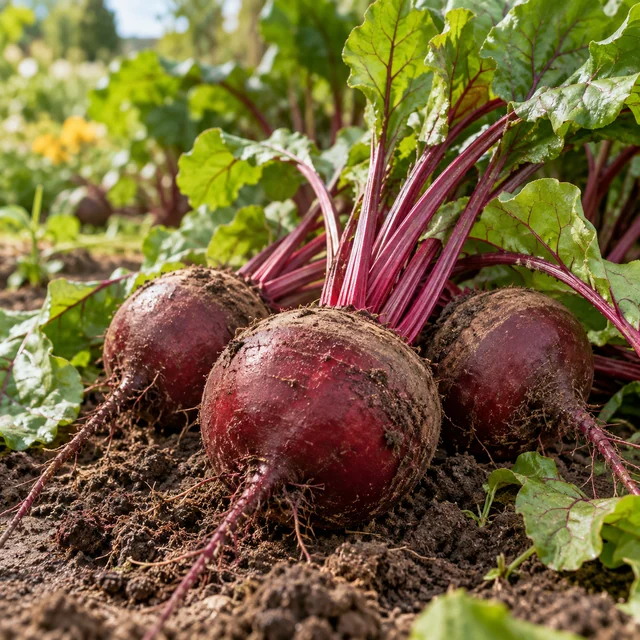
This image was created with AI from described plant characteristics and growing advice. It shows a possible situation and is not a photograph of a verified cultivar.
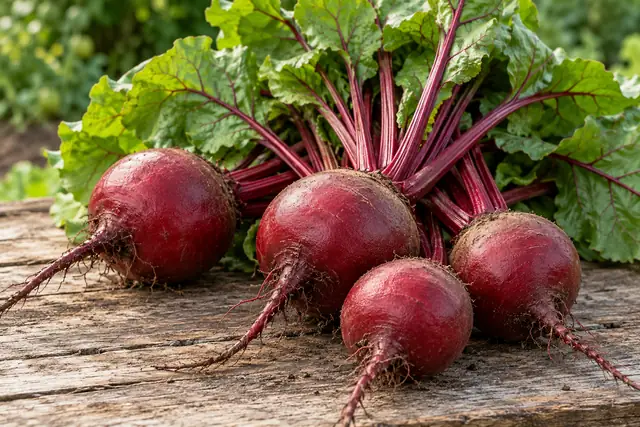
Boltardy
- Hoofdkleur
- Donkerrode wortelVerenigd Koninkrijk
- Geschikt voor pot
- JaVerenigd Koninkrijk · pot
This image was created with AI from described plant characteristics and growing advice. It shows a possible situation and is not a photograph of a verified cultivar.
Bona
Explore this variety and use the growing guide to choose a place for your plant.
View variety →
This image was created with AI from described plant characteristics and growing advice. It shows a possible situation and is not a photograph of a verified cultivar.
Boro
Explore this variety and use the growing guide to choose a place for your plant.
View variety →
This image was created with AI from described plant characteristics and growing advice. It shows a possible situation and is not a photograph of a verified cultivar.
Forono
Explore this variety and use the growing guide to choose a place for your plant.
View variety →
This image was created with AI from described plant characteristics and growing advice. It shows a possible situation and is not a photograph of a verified cultivar.
Pablo
Explore this variety and use the growing guide to choose a place for your plant.
View variety →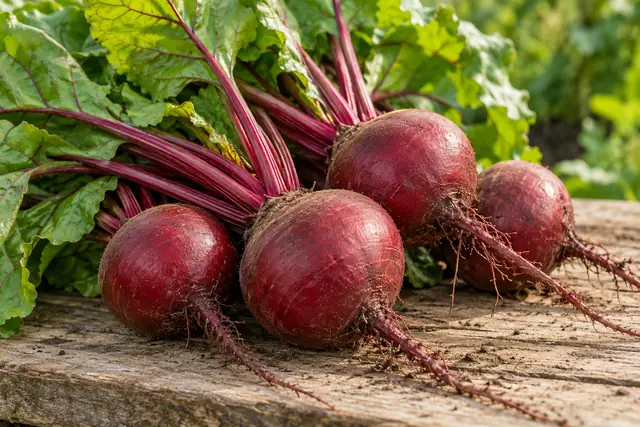
This image was created with AI from described plant characteristics and growing advice. It shows a possible situation and is not a photograph of a verified cultivar.
Red Ace
Explore this variety and use the growing guide to choose a place for your plant.
View variety →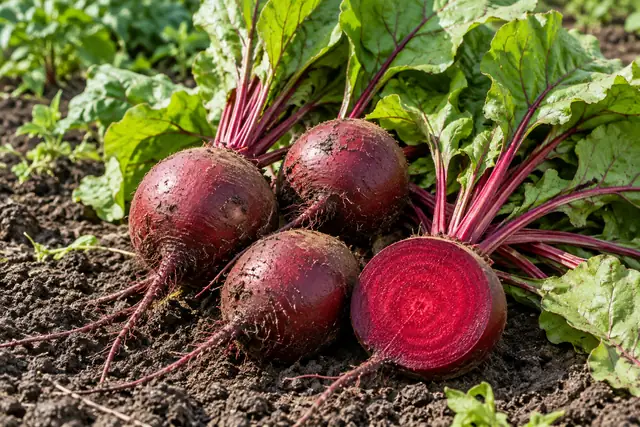
This image was created with AI from described plant characteristics and growing advice. It shows a possible situation and is not a photograph of a verified cultivar.
Subeto
Explore this variety and use the growing guide to choose a place for your plant.
View variety →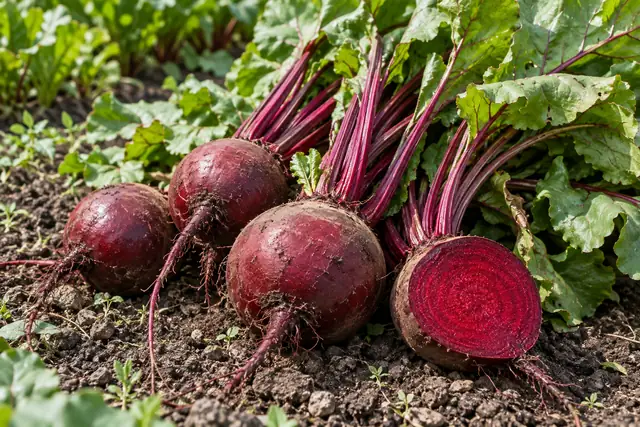
This image was created with AI from described plant characteristics and growing advice. It shows a possible situation and is not a photograph of a verified cultivar.
Wodan
Explore this variety and use the growing guide to choose a place for your plant.
View variety →Choose two to four varieties to compare their source data side by side.
Choose by flavour, shape and use
3 Root Grex: Genetically diverse beetroot population with varying colours and shapes. Roast a few roots separately and taste them side by side. For raw salads, cut thin slices so that differences in colour and interior remain visible.
The beetroot have the earthy, slightly sweet character of the crop and may differ from one another. This population specifically promises variation, so a single flavour description cannot cover every root.
Kogel Detroit 2: Round red beetroot for a manageable summer crop. Roast round beetroots whole or cut even wedges for the oven. Once cool, mix cubes into a salad with apple and something refreshingly acidic.
The flavour is the familiar sweetish, earthy beetroot character. The round shape is the concrete cultivar difference here; extra sweetness compared with other round types has not been established.
Boldor: Orange exterior with a bright yellow interior. Grate young beetroot for a yellow raw salad or roast wedges with carrot. Prepare red beetroot separately if you want to keep the yellow colour visible on the plate.
Boldor gives a sweetish beetroot character with a firm texture. Choose it mainly for its yellow interior; a precise flavour ranking against red beetroot is not substantiated.
Cylindra: Narrow, half-long beetroot for even round slices. Cook the root whole, then cut into even discs for garnishing or preserving. The long shape produces many slices of roughly the same diameter.
Cylindra has the sweetish, earthy beetroot base with firm flesh suitable for slicing. Its elongated shape gives a different kitchen result from a round beetroot.
Choose the shape of your harvest first
Round beetroot needs different root space from a long cultivar. Colours and markings vary too, but read the cultivar description rather than relying on a picture alone. Do you want plenty of young beetroot or larger roots to store? Start with a short row and record your harvest aim before sowing.
Prepare a fine, accessible seedbed
Beetroot grows well in fertile, well-drained soil. Remove weeds and make the top layer fine enough for even germination. On heavy soil, a hard crust can hinder seedlings. Do not damage wet clay in pursuit of a perfect row; wait until the soil is workable, then prepare the bed steadily.
One seed can produce several seedlings
Much beetroot seed consists of a cluster that produces more than one seedling. Sow thinly and check after germination how many plants are actually growing together. Direct sowing keeps the roots in place; modules also work, provided you transplant the young root ball carefully. Keep the sowing moist without waterlogging it.
Thin for the root size you want
Give the remaining plants the spacing appropriate to the chosen cultivar and harvest aim. Small young beetroot can grow closer together than a row for larger roots. Carefully snip off overcrowded seedlings if pulling would loosen their neighbours. The thinned young leaves can go to the kitchen, but leave enough plants to grow on healthily.
Let the roots swell steadily
Severe drought followed by plenty of water can cause roots to split. In prolonged dry weather, check the soil below the surface. Water where needed and avoid persistently wet soil. Weeds compete particularly with young beetroot; remove them shallowly. A little mulch between established plants can make moisture checks easier.
Pick leaves with the root harvest in mind
Young beetroot leaves are useful, but a plant that needs to form roots also needs leaves to keep growing. Take only a few outer leaves and leave enough healthy foliage. If you mainly want to pick leaves, a separate small patch may be more convenient. Leave the growing point undisturbed at every harvest.
Flowering or split beetroot calls for a look back
A flower stalk means the plant is shifting its development towards seed. Sowing too early, cold and growth stress may play a part; choose a suitable cultivar and time for a new attempt. With splitting, first look at the pattern of drought and watering. One unusual root does not prove a problem with the whole cultivar.
Use young beetroot and select the storage harvest
Harvest at the size you want to eat, without lifting all the roots at once. Loosen the soil carefully and avoid cuts or punctures. For storage, select sound roots and remove the foliage; use damaged ones first. Cool storage protected from drying out helps, but check regularly for soft or rotten patches.
What you need
Tick what you already have. The extras depend on how you grow.
0 of 6 ticked off
Your ticks are saved in this browser.
Discover and grow more
More background, sources and image information
SeedSteps editorial team · updated on 11 October 2026. The AI images illustrate species and practical growing situations; they do not prove an exact cultivar, observations from your own garden or yield.
Britse gewasadviezen worden gecombineerd met Nederlandse en Vlaamse informatie waar beschikbaar. Amerikaanse Extension-bronnen ondersteunen plantprincipes en herkenning; hun kalenderdata, lokale plaagdruk, bestrijdingsmiddelen en mestdoseringen worden niet rechtstreeks op Nederland of Vlaanderen toegepast. Vorst, bodemwarmte, standplaats en expliciete rasinformatie blijven de lokale controle. Commerciële bronnen onderbouwen uitsluitend benoemde ras- en plantkenmerken; zij zijn geen affiliate-aanbeveling.
- World Checklist of Vascular Plants — 4 juni 2026Royal Botanic Gardens, Kew · accessed 2026-10-07
- Bieten in gemengde kleuren - 3 Root GrexFeggies · accessed 2026-10-11
- Bieten Kogel Detroit 2 zadenFeggies · accessed 2026-10-11
- Gele biet Boldor BiologischFeggies · accessed 2026-10-11
- Rode biet Chioggia zadenFeggies · accessed 2026-10-11
- Rode biet Crapaudine zadenFeggies · accessed 2026-10-11
- Rode biet 'Cylindra' BiologischFeggies · accessed 2026-10-11
- Rode biet 'Kogel 2' BiologischFeggies · accessed 2026-10-11
- Rode biet Plate uit Egypte zadenFeggies · accessed 2026-10-11
- Rode biet 'Tonda di Chioggia' zaden biologischFeggies · accessed 2026-10-11
- Rode bieten mengeling zadenFeggies · accessed 2026-10-11
- Bieten kweken - RHSRoyal Horticultural Society · accessed 2026-10-08
- How to Grow Beets in Your GardenUtah State University Extension · accessed 2026-10-08
Supporting evidence by chapter: Choose by flavour, shape and use: Feggies, Feggies, Feggies, Feggies. Choose the shape of your harvest first: Royal Horticultural Society, Utah State University Extension. Prepare a fine, accessible seedbed: Royal Horticultural Society, Utah State University Extension. One seed can produce several seedlings: Royal Horticultural Society, Utah State University Extension. Thin for the root size you want: Royal Horticultural Society, Utah State University Extension. Let the roots swell steadily: Royal Horticultural Society, Utah State University Extension. Pick leaves with the root harvest in mind: Royal Horticultural Society, Utah State University Extension. Flowering or split beetroot calls for a look back: Royal Horticultural Society, Utah State University Extension. Use young beetroot and select the storage harvest: Royal Horticultural Society, Utah State University Extension.