Choose by flavour, shape and use
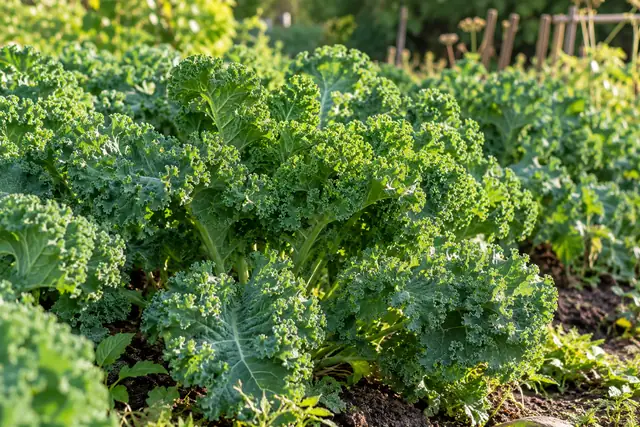
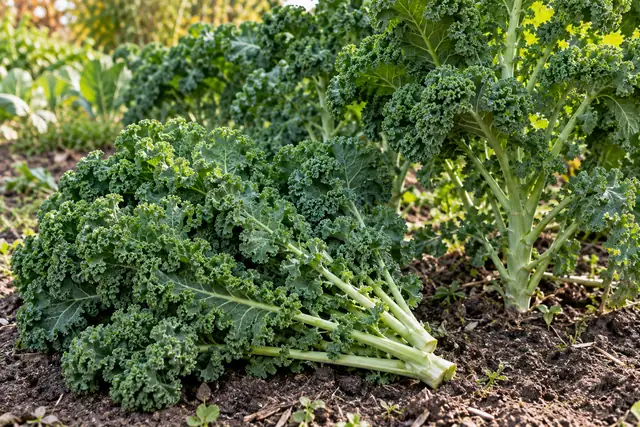
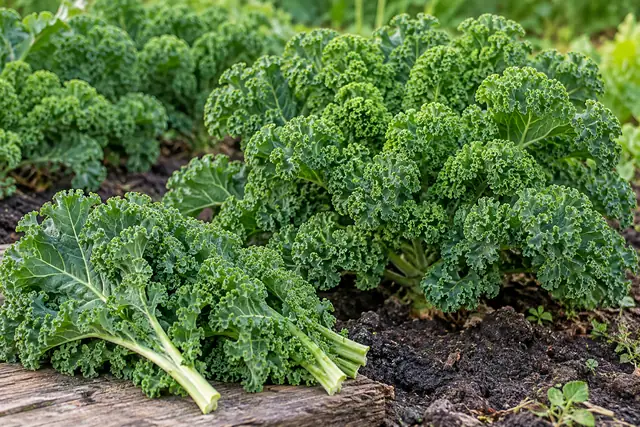
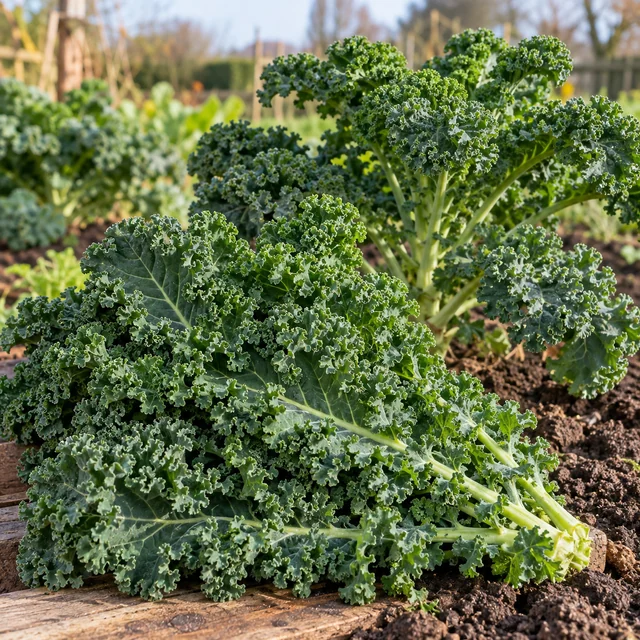
Westlandse Herfst: Westlandse Herfst is a curled kale selection for the cooler part of the season. Its firm leaves add volume to the winter bed. Cut thick veins separately and use finely sliced leaves in stamppot or a stir-fry. This lets you control texture.
In kale, cold conditions can make the perceived flavour milder. This is crop information, not an exclusive feature of this selection.
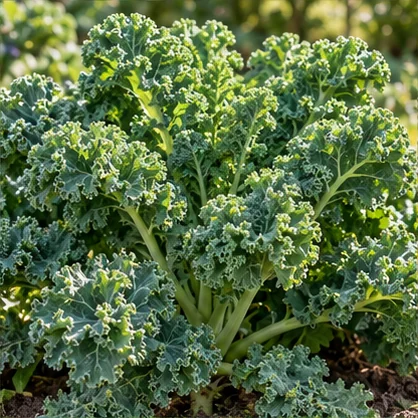
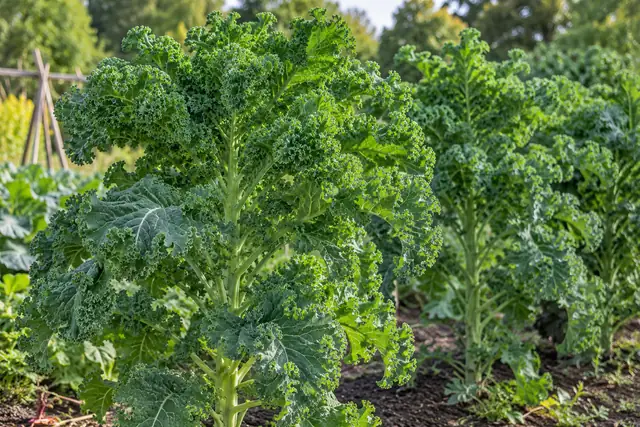
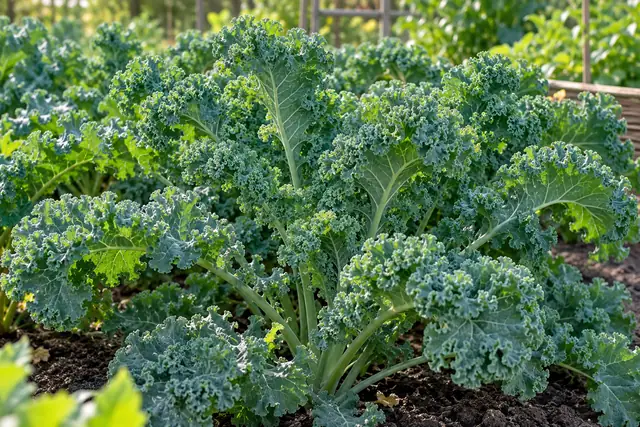
Grand vert du Nord: Tall green curly kale from northern France. The source describes substantial plants with abundant curly leaves. Use in mashed potato or finely sliced as a cooked vegetable base. Process thicker veins separately if desired.
Traditional appreciation after cold is a kale characteristic. A distinct aroma ranking for this cultivar has not been established.
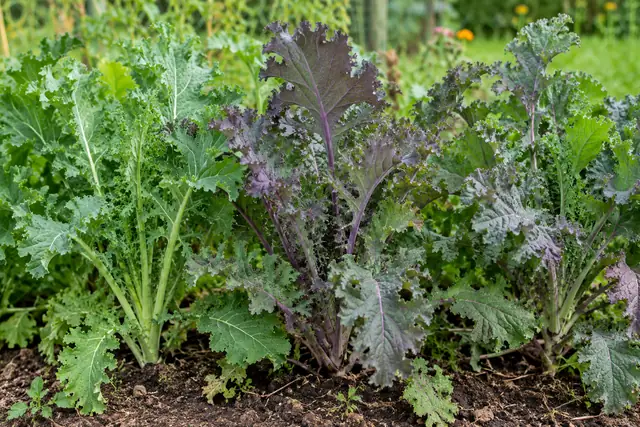
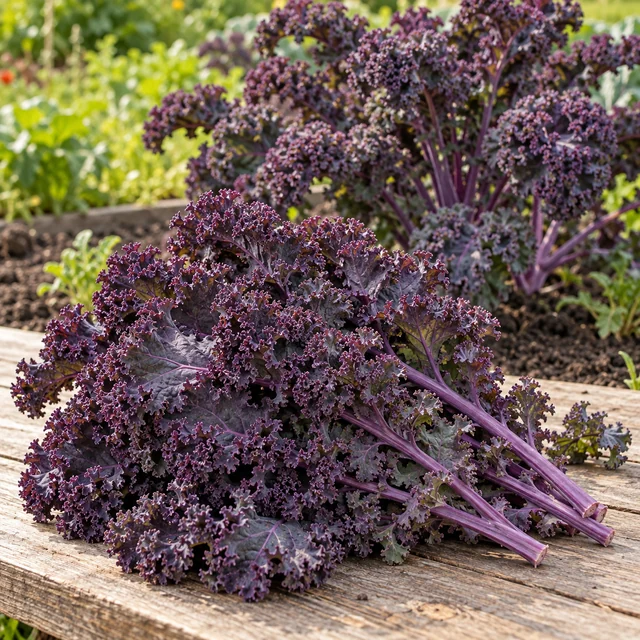
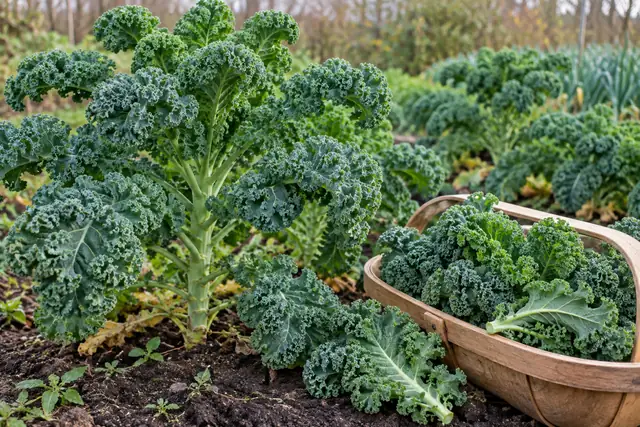
Gulag Stars: A gene-pool selection with varied leaf shapes and colours. Variation between plants is part of the offering. Combine young leaves from different plants in a cooked dish. Select softer leaves when you want a fine texture.
The source mentions soft texture and good flavour, but no detailed aroma. Plants within this population may differ.
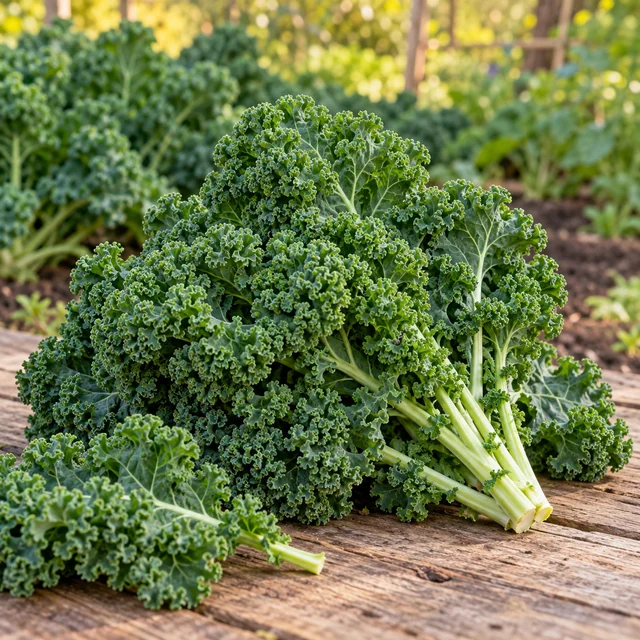
Siber Frill: Siber Frill has blue-green, strongly curled leaves. The firm leaf structure gives a distinctly different appearance from flat-leaved cabbage types. Use finely sliced leaves in a stir-fry or cook them gently in a stew. Adapt the cooking method to their firmness.
Seed producer Redwood Seeds describes Siber Frill as mild and sweet. This is a cultivar description, without fixed sweetness at every harvest stage.
An old leafy vegetable with many faces
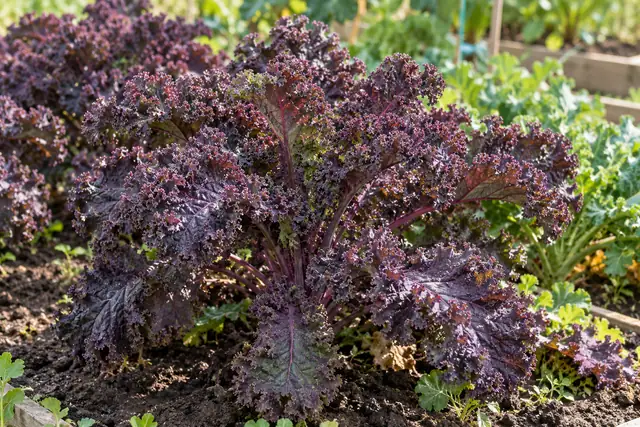
Kale has a long place in European and Asian vegetable gardens; RHS describes this at species level. Your bed restarts the story with practical leaf choices. Green and purple varieties differ visually, while compact plants need different layouts from tall forms.
First choose between baby leaves and a mature plant
Baby leaves and winter plants share species but differ in aims. Follow young dense-sowing guidance for baby leaves. Plants staying months need growing room. Label harvest aims so later spacing and calendar choices make sense.
Match the start to the final position
Modules can preserve intact roots at transplanting. Acclimatise indoor plants gradually. Judge actual sturdy growth and suitable root balls, not dates alone. Water young plants to ensure good root-soil contact.
A small plant already calls for a big decision
Use variety guidance for final sites. De Bolster's Westlandse Winter spacing differs from general cabbage advice, for example. Keep paths recognisable. You need lower-leaf access and views underneath without repeatedly working through other plants.
The root zone still matters beneath full foliage
Kale likes draining soil with organic matter. Check beneath surfaces in drought. American guidance links water stress and heat to sharper leaves. Use this to monitor conditions; taste changes alone do not identify the local cause.
Include protection in your garden round
The British growing guide describes insect mesh on a supporting structure and protection from birds. Check the cover seals well and still leaves enough space above plants. Remove yellowing lower leaves where needed. If you see feeding or other damage, inspect leaves carefully before assuming one cause and choosing a measure.
Harvest leaves and leave room for what follows
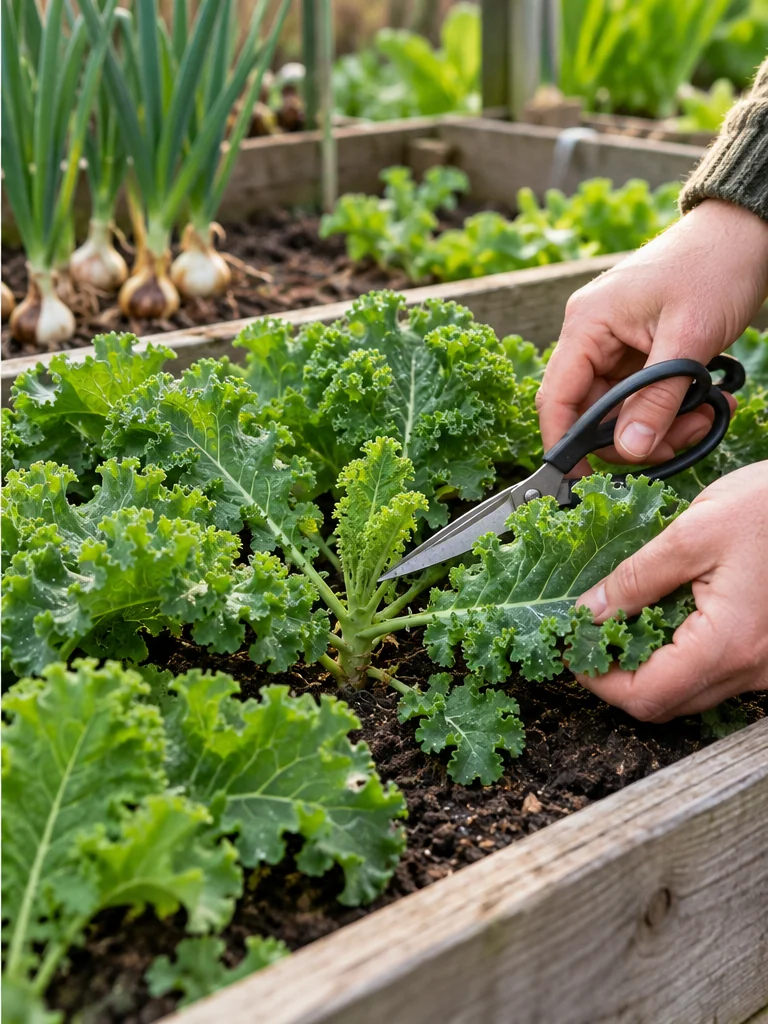
For individual leaf harvesting, start outside with usable leaves and let others grow on. Observe plant development during every round. This approach gives you something different from one end date for the whole bed. Baby leaves also have their own harvesting approach; follow the chosen cultivar and growing aim.
A winter bed needs continued observation
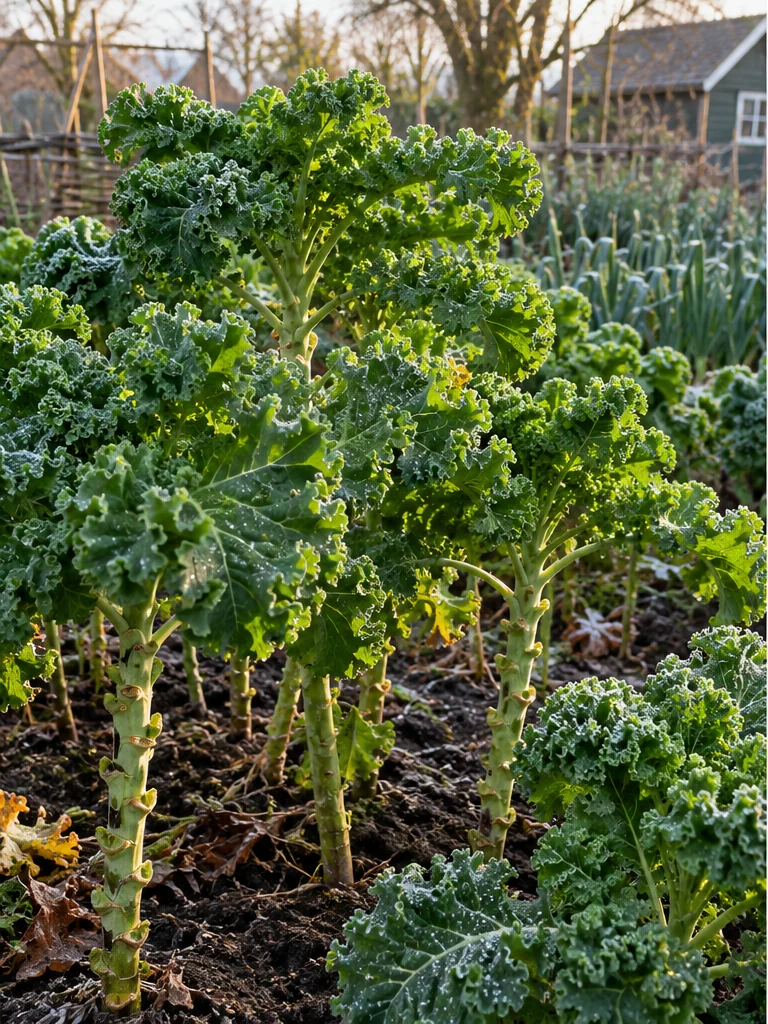
The Dutch school gardening handbook describes winter harvesting of mature kale from November to March. This guides planning rather than guaranteeing every plant remains harvestable in every winter. Cold can halt growth. Note usable leaves, weather and subsequent plant response; this creates your own story for the next kale bed.
Match sowing to the harvest aim
For a winter plant, start within the cultivar’s sowing or planting window and give the crop time to grow large before the cold months. Baby leaves occupy the space for less time. Plan room after an early harvest, but do not wait until late autumn and still expect a substantial winter plant.
For holes, look beneath the leaves too
Caterpillars, eggs and damage often lie beneath leaves. Under mesh, check closures and trapped pests regularly. For wilting in wet soil, inspect roots; more water does not automatically help. Remove diseased material carefully.