
Grow something lovely
Loading the garden guide…
Loading the garden guide…
Lettuce need not be a row of identical green heads. Different leaf types make an attractive bed and a varied salad. First choose how you want to harvest: a whole head at once or a few leaves at a time.
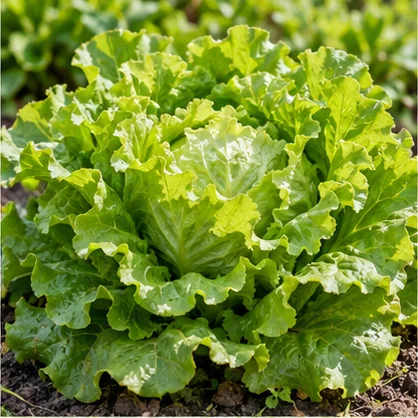
This image was created with AI from described plant characteristics and growing advice. It shows a possible situation and is not a photograph of a verified cultivar.
This growing advice helps you choose. Your variety, growth stage, weather and conditions in your space determine the actual timing.
Start under cover in cool conditions or sow directly · Lettuce
February–August, depending on cultivarSow in a bright position that is not hot. A warm loft can be too hot.
Choose a spring, summer or winter cultivar. Celtuce has a different harvest aim from heading lettuce; follow its own cultivar window.
Royal Horticultural Society · RHS — sla kweken ↗Soort- of productgebonden bron; buitenlandse perioden zijn geen vaste Nederlandse zaaidatum.
Utah State University Extension · USU Extension — sla in de tuin ↗Soort- of productgebonden bron; buitenlandse perioden zijn geen vaste Nederlandse zaaidatum.
Guideline periods for the Netherlands and Flanders. Check the variety, available light, soil and measured temperatures. Greenhouse heating does not guarantee enough winter light.
Choose by more than the name. Discover how these varieties and crop types taste, what you can use them for and what growing them involves.
21 of 21 choices · 15 named varieties
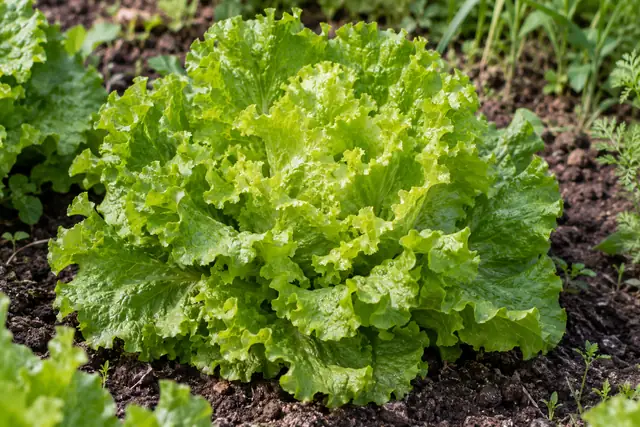
This image was created with AI from described plant characteristics and growing advice. It shows a possible situation and is not a photograph of a verified cultivar.
Chou de Naples is a Batavia lettuce with lightly curled leaves and a firm, not fully closed head. Its name does not make it a cabbage crop.
Choose this selection for more bite than soft butterhead lettuce, while the head remains looser than classic iceberg.
The product source describes a fresh, mild flavour. The crisp leaf texture also contributes to the eating experience.
Use the crisp leaves on bread or in a substantial main-meal salad. Outer leaves and a whole heart provide different portion sizes.
Sow small successive batches and allow room for a broad head. Keep the soil consistently moist during leaf formation.
Pick healthy outer leaves first or harvest the whole head later. Do not end selection solely by a fixed calendar week.
Also listed as: Napolitaanse kool.
Read the source notes →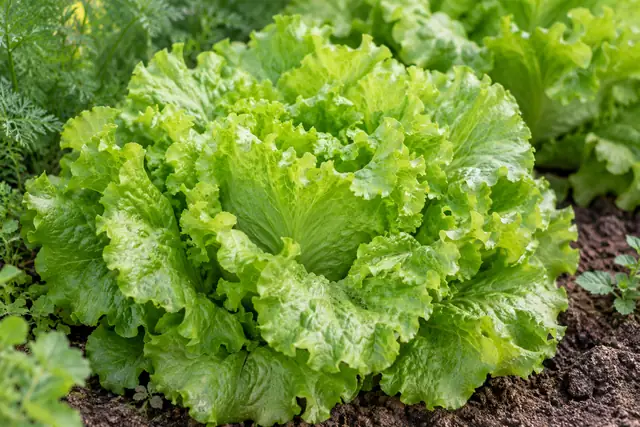
This image was created with AI from described plant characteristics and growing advice. It shows a possible situation and is not a photograph of a verified cultivar.
Soissons is a French Batavia lettuce with large, firm, green heads. The lightly curled leaves fill a generous bowl.
Choose Soissons for a summer-focused Batavia head. Sow fewer at once if you do not want a collection of large heads at one harvest time.
The source describes the flavour as fresh and mild, with crisp leaves that are more tender than typical iceberg lettuce.
Use the leaves in a summer salad or as a crisp layer on bread. A whole heart can be divided between several preparations.
Sow in conditions cool enough for reliable germination and keep the top layer moist. Give each plant about thirty centimetres for head formation.
Harvest outer leaves for a small portion or cut a developed head at once. Spread harvesting with separate sowing rounds.
Read the source notes →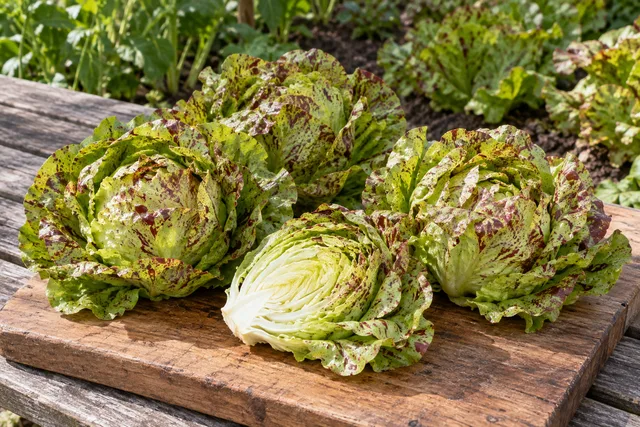
This image was created with AI from described plant characteristics and growing advice. It shows a possible situation and is not a photograph of a verified cultivar.
Queue de Truite has green leaves with red speckles and forms a small cos lettuce. It is Lactuca lettuce despite the shop alias 'Witloof panaché'.
Choose this selection for speckled leaves and a compact romaine shape. Use the alias when searching, not to create a different crop.
The source describes crisp leaves but no distinct aroma profile. The name does not justify a chicory or witloof flavour.
This flavour description applies to the crop; there is no separate tasting result for this variety.Use small leaves whole or cut a heart into strips. The speckles remain most recognisable when served fresh.
Plan cool spring development and avoid drought stress. The described slower tendency to bolt is not absolute protection against flowering.
Harvest a small, firm head before a flower stem forms. Pick outer leaves if you want the head to develop further.
Also listed as: Witloof panaché.
Read the source notes →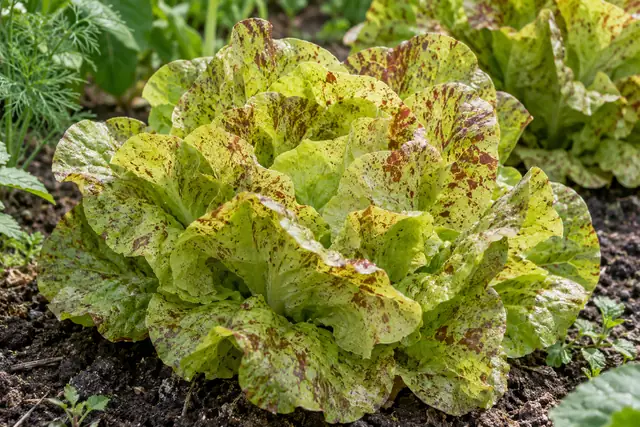
This image was created with AI from described plant characteristics and growing advice. It shows a possible situation and is not a photograph of a verified cultivar.
Speckled Amish is a traditional butterhead lettuce with light green leaves and reddish-brown speckles. The head stays loose and the leaves are tender.
Choose this selection if you want to compare speckled butterhead leaves with the firmer cos lettuce Queue de Truite. Leaf shape is the concrete difference.
The source does not confirm a distinct aroma. 'Mild appearance' describes the look and is not used as evidence of flavour.
This flavour description applies to the crop; there is no separate tasting result for this variety.Use the tender leaves in larger pieces and add dressing only shortly before eating. This keeps the speckled pattern visible.
Give young plants room for a loose head and prevent prolonged drying. Follow the seed packet for propagation.
Harvest healthy outer leaves or a sufficiently filled head. Tender leaves are most appealing when handled freshly and carefully.
Also listed as: Gespikkelde Amish-sla.
Read the source notes →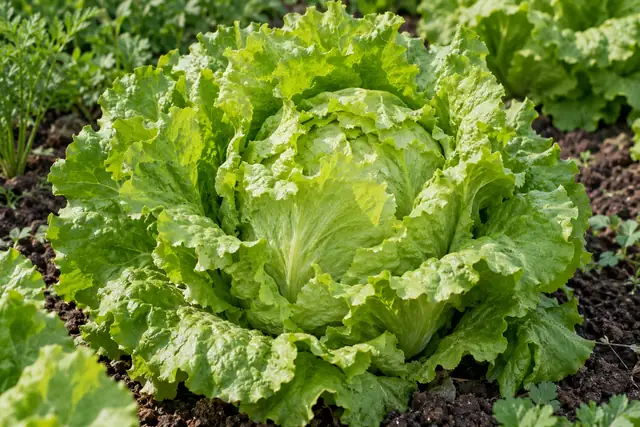
This image was created with AI from described plant characteristics and growing advice. It shows a possible situation and is not a photograph of a verified cultivar.
Grazer Krauthäuptel is an old Austrian selection from the Graz region. The offering emphasises crisp leaves and low susceptibility to bolting.
Choose this selection when bite and manageable storage matter. Low susceptibility to bolting does not rule out problems in heat or drought.
The source gives no separate aroma for this variety. Described crispness is used as texture, not a sweetness claim.
This flavour description applies to the crop; there is no separate tasting result for this variety.Use leaves in a salad with substantial ingredients. The source states a whole, healthy head can be refrigerated.
Sow early in a cold greenhouse or later outdoors. Cover seed only lightly, as the source notes light for germination.
Harvest a formed head before the flower stem lengthens. Cool fresh produce if not using it the same day.
Also listed as: Grazer Krauthauptel.
Read the source notes →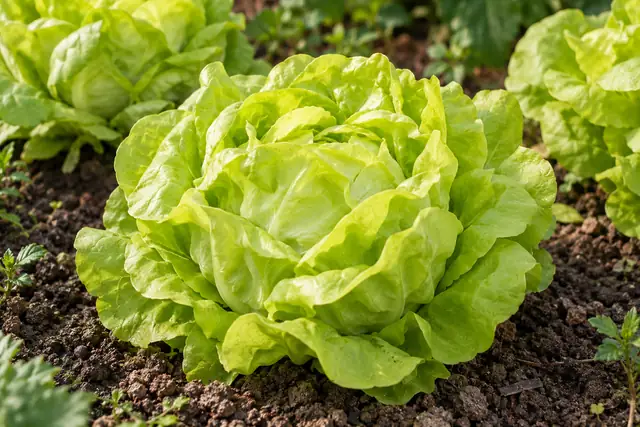
This image was created with AI from described plant characteristics and growing advice. It shows a possible situation and is not a photograph of a verified cultivar.
Gotte d’Or is very early lettuce with small, dense, pale green heads. Its limited size suits a short spring plan.
Choose this variety when a small, early head matters more than a large summer yield. Compare it with Grosse Blonde Paresseuse.
The source emphasises tenderness without a detailed aroma description. The practical advantage is a soft leaf texture with an early harvest.
This flavour description applies to the crop; there is no separate tasting result for this variety.Use one small head in a meal or tender outer leaves on sandwiches. This leaves little cut lettuce over.
Start under cover with sufficient coolness for germination. Ensure a small pot does not dry as the first leaves emerge.
Harvest the small formed head in good time. Leaving it standing simply to gain more bulk may defeat its intended early use.
Also listed as: Gotte d'Or.
Read the source notes →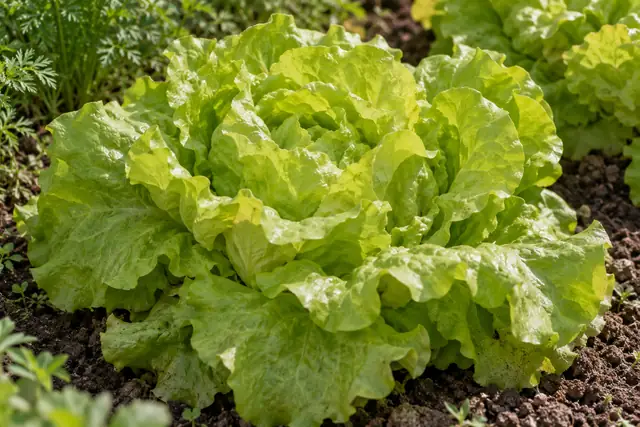
This image was created with AI from described plant characteristics and growing advice. It shows a possible situation and is not a photograph of a verified cultivar.
Grosse Blonde Paresseuse forms a large, light green head with tender leaves. The source describes a relatively slow tendency to bolt in summer growing.
Choose this selection for a large, tender summer lettuce. Reserve more space and plan harvesting around your portions.
No specific flavour profile is available. Soft texture and summer head development are better supported than a distinctive aroma.
This flavour description applies to the crop; there is no separate tasting result for this variety.Use the broad leaves for a tender salad or to wrap a cold filling. Handle them gently when washing and mixing.
Leave enough space between plants and avoid drought stress. Slower bolting does not mean the head can stay indefinitely.
Harvest outer leaves or a whole head before the stem rises. Stagger sowings so large heads are not all ready together.
Read the source notes →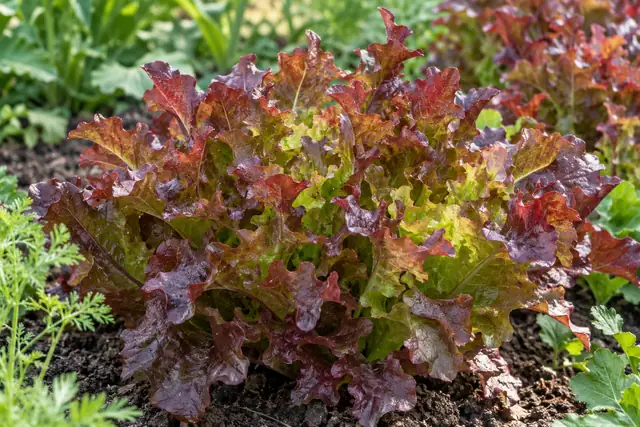
This image was created with AI from described plant characteristics and growing advice. It shows a possible situation and is not a photograph of a verified cultivar.
Red Salad Bowl is red, oak-leaved picking lettuce. Individual leaf picking suits harvesting in small portions.
Choose Red Salad Bowl if you want red picking leaves and want to let the heart continue growing. Red Salad remains a separate retail name.
The source confirms no separate variety flavour. Colour supports selection, not proof of stronger or sweeter leaves.
This flavour description applies to the crop; there is no separate tasting result for this variety.Combine the leaves with green picking lettuce for contrast. Add dressing only to the harvested meal portion.
Sow or plant with room for a loose rosette and keep soil moist. A container works if drainage is effective.
Take usable outer leaves and retain the growing heart. Repeat while the plant keeps producing healthy young leaves.
Read the source notes →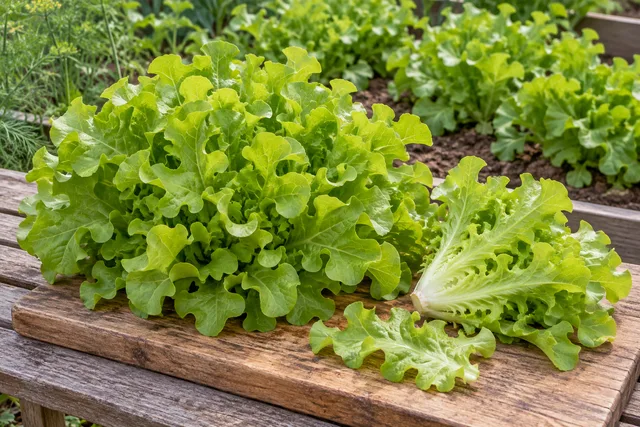
This image was created with AI from described plant characteristics and growing advice. It shows a possible situation and is not a photograph of a verified cultivar.
Green Salad Bowl has oakleaf-shaped leaves and is intended for picking. You do not have to wait for a compact, closed heart.
Choose this selection for a manageable green picking rosette. Its demonstrable difference from Red Salad Bowl is leaf colour.
The product source gives no distinct aroma profile. General mild lettuce use remains crop information and is not presented as a unique variety flavour.
This flavour description applies to the crop; there is no separate tasting result for this variety.Use individual leaves in daily salad or sandwiches. Pair with red picking leaves if colour variation is wanted.
Give a picking plant sufficient root space and regular moisture. In warm weather, check a container rootball more often.
Harvest outer leaves and retain the young centre. Take a meal portion rather than stripping the whole plant prematurely.
Also listed as: Salad Bowl.
Read the source notes →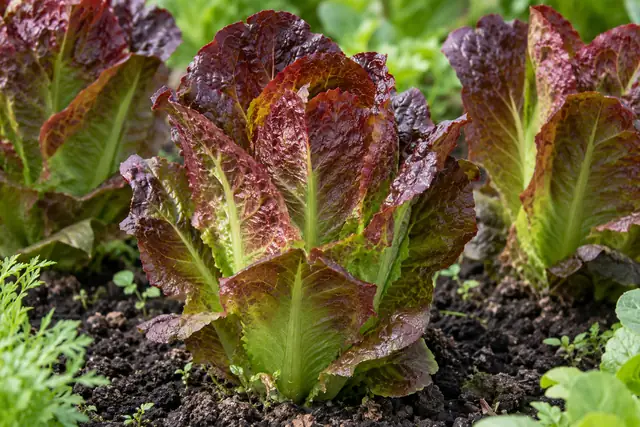
This image was created with AI from described plant characteristics and growing advice. It shows a possible situation and is not a photograph of a verified cultivar.
Red Cos is offered as a small red romaine of the Little Gem type. The upright head shape differs from a flat loose-leaf lettuce rosette.
Choose this variety for small cos lettuce with coloured leaves. It is a named selection within romaine lettuce.
No distinctive Red Cos aroma is described. Romaine shape and red colour offer more guidance than unproven flavour claims.
This flavour description applies to the crop; there is no separate tasting result for this variety.Use small leaves whole or cut a head lengthways into sections. The shape allows compact portions for a fresh salad.
Sow in sufficiently cool conditions; the source warns of poor germination in heat. Keep the germinating surface moist.
Harvest once the small head has formed and is healthy. Do not let it bolt solely for extra size.
Also listed as: Rode romaine.
Read the source notes →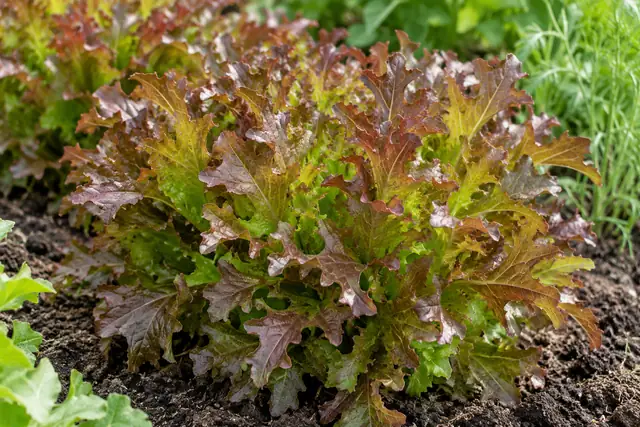
This image was created with AI from described plant characteristics and growing advice. It shows a possible situation and is not a photograph of a verified cultivar.
Biscia Rossa has bronze-green, deeply cut leaves and is grown as cutting lettuce. Its Italian alias describes curled leaves for cutting.
Choose this selection if you want a traditional cutting lettuce with a bronze tint. This offering differs from a closed head lettuce.
The source mentions tender leaves but no distinctive aroma. Rossa is not translated into an unproven red-colour flavour.
This flavour description applies to the crop; there is no separate tasting result for this variety.Use a portion of young leaves as a salad base. The loose form makes it easy to mix with differently shaped leaves.
Sow small, successive quantities and keep soil moist. Some partial shade can be practical in warm weather.
Cut young, usable leaves and retain the growing point if you want regrowth. Harvest before leaves become too coarse for your salad.
Also listed as: Rossa Foglia Riccia da Taglio.
Read the source notes →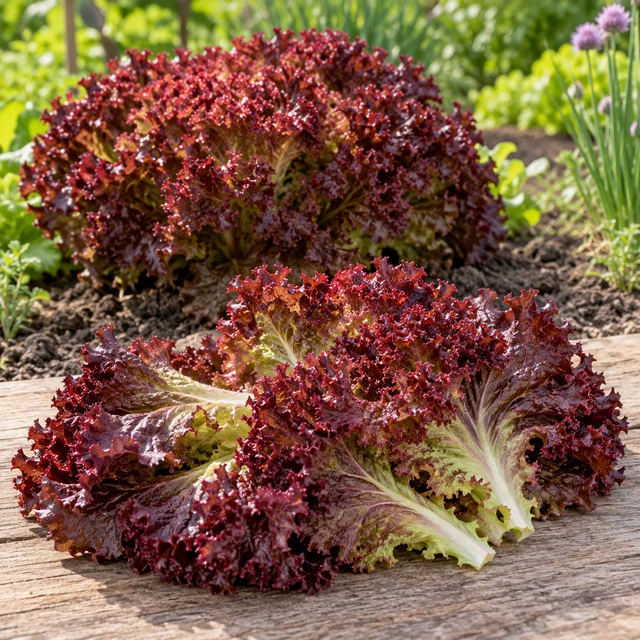
This image was created with AI from described plant characteristics and growing advice. It shows a possible situation and is not a photograph of a verified cultivar.
Lollo Rossa produces finely curled leaves in green, brown and red shades. The loose, airy structure makes a portion look larger.
Choose Lollo Rossa for pronounced curling and colour variation. Compare butterhead or cos lettuce for smoother leaves.
The source mentions a well-regarded flavour without a specific aroma profile. The curled shape is a better-confirmed reason to choose it.
This flavour description applies to the crop; there is no separate tasting result for this variety.Use curled leaves around a salad or mix with flatter leaves. A light dressing suits the fine texture.
Give loose rosettes sufficient room and prevent root-zone drying. Handle young plants carefully when transplanting.
Pick usable outer leaves or harvest a whole rosette. Leaves are ready at the desired texture, even without a dense head.
Read the source notes →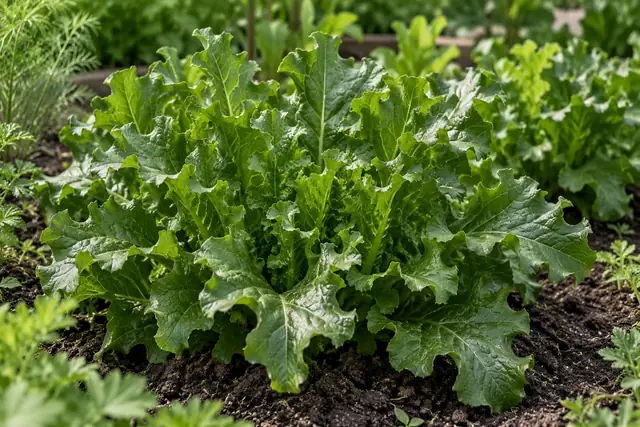
This image was created with AI from described plant characteristics and growing advice. It shows a possible situation and is not a photograph of a verified cultivar.
Radichetta produces broad, dark green, cut leaves without a closed lettuce heart. The shape supports repeated cutting or picking.
Choose Radichetta for dark green, loose-leaf lettuce. The name does not mean it is a Cichorium radicchio.
The source speaks positively about flavour without describing a distinct aroma. Radicchio-like bitterness is not inferred from the name.
This flavour description applies to the crop; there is no separate tasting result for this variety.Use young leaves in mixed salad. Tear large leaves so their divided shape remains recognisable on the plate.
Provide a moist but well-drained root zone and plan several small sowings. Conflicting winter claims are not treated as guarantees.
Harvest young leaves without waiting for heart formation. Retain the growing base if you want another picking.
Read the source notes →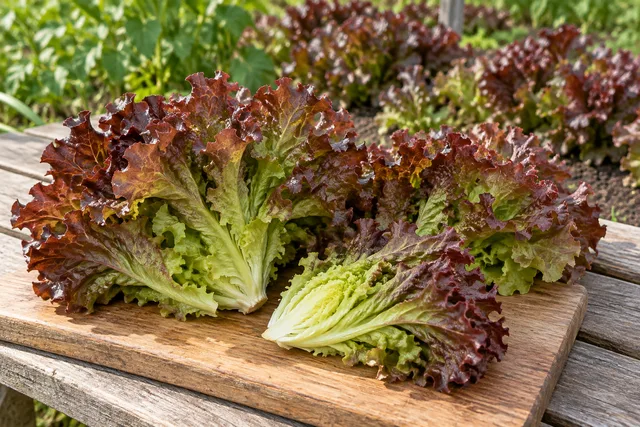
This image was created with AI from described plant characteristics and growing advice. It shows a possible situation and is not a photograph of a verified cultivar.
Red Velvet has reddish-brown outer parts and a green-brown leaf base. The colour gradient makes the cutting leaves recognisable in a mixed harvest.
Choose Red Velvet for dark cutting leaves contrasting with pale green selections. The translated name Rood fluweel is not a second cultivar.
The source confirms pleasant flavour and crispness without further aroma. This establishes no sweetness ranking.
This flavour description applies to the crop; there is no separate tasting result for this variety.Use whole young leaves for a colour accent or combine with green oak-leaf lettuce. Harvest a portion just before use.
Sow small amounts repeatedly for young leaves. Keep fine seed trays particularly evenly moist during germination.
Cut at the desired leaf size and respect the heart during repeat harvesting. Follow older cutting plants with a new sowing.
Also listed as: Rood fluweel.
Read the source notes →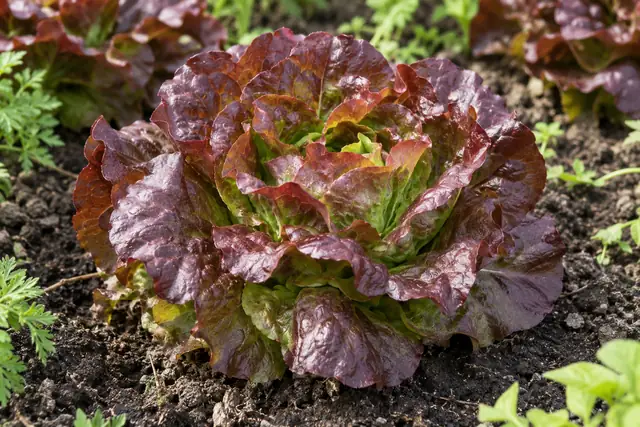
This image was created with AI from described plant characteristics and growing advice. It shows a possible situation and is not a photograph of a verified cultivar.
Maribor is a small red butterhead lettuce with a growing emphasis on winter and early spring. The source describes heads of about two hundred grams.
Choose this selection for a winter-focused schedule with suitable protection. The German calendar advice is not an automatic Dutch yield guarantee.
No specific Maribor aroma is described. Demonstrable differences are head size, colour and planned growing season.
This flavour description applies to the crop; there is no separate tasting result for this variety.Use a small head as a tender salad portion. Its modest size may suit a meal that does not need a large summer lettuce.
Start propagation for well-developed young plants before winter. Maintain airflow under protection and assess frost risk.
Harvest formed, healthy heads once growth is sufficient again. Winter growing needs observation and does not provide a constant weekly harvest.
Also listed as: Rode Boterkop.
Read the source notes →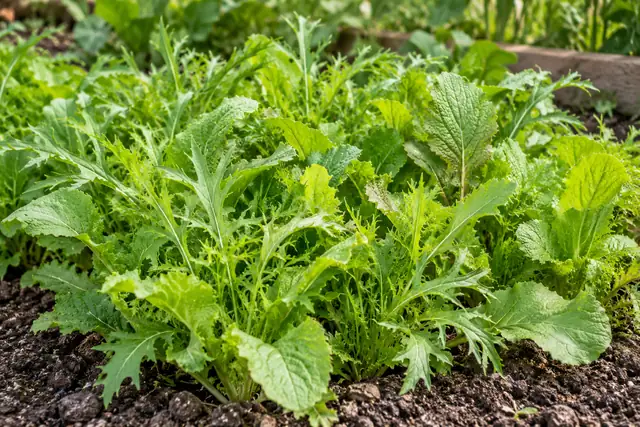
This image was created with AI from described plant characteristics and growing advice. It shows a possible situation and is not a photograph of a verified cultivar.
This mesclun combines several leafy crops. One product source names mustard, Mizuna and Namenia, so it is not a single lettuce cultivar.
Choose this mix if you want variety from one sowing. Check the packaging, as the two offerings do not prove the same proportions.
Flavour belongs to the mixture and depends on composition. Mustard-like accents are not a variety aroma of Lactuca lettuce.
This flavour description applies to the crop; there is no separate tasting result for this variety.Use the combined young harvest as mixed salad. Changing proportions between cuts can change the plate too.
Sow directly in soil or a container and keep the surface moist. Cooler weather suits the named Asian leaf cabbage components.
Cut young leaves and retain growing points for a possible next round. Not every component regrows equally quickly.
Also listed as: Mesclun, Aziatische mix, Asiasla mesclun.
Read the source notes →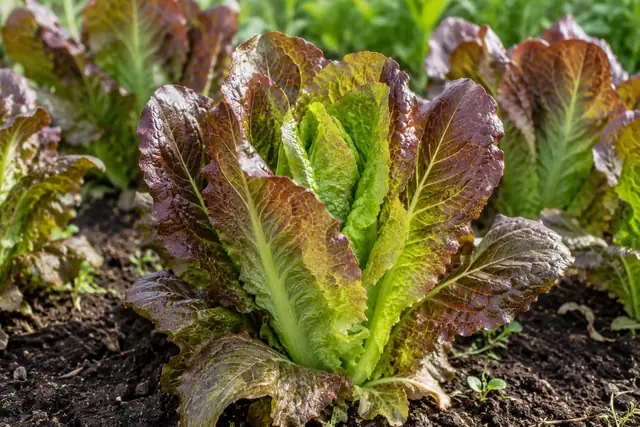
This image was created with AI from described plant characteristics and growing advice. It shows a possible situation and is not a photograph of a verified cultivar.
This type is a red winter cos lettuce with elongated heads and green inner leaves. The offering gives no separately confirmed cultivar name.
Choose this type when red cos lettuce fits a cool growing plan. Match protection to local weather.
A distinct aroma for this type designation is not supported by evidence. Its winter-growing purpose does not prove greater sweetness.
This flavour description applies to the crop; there is no separate tasting result for this variety.Slice a developed head into strips or use larger outer leaves as a firm salad base. Inner and outer leaves provide different colours.
Plan raising for enough plant development before winter. A regional calendar from warmer conditions needs adapting in the Netherlands and Belgium.
Harvest healthy, formed heads at a usable stage. Under winter protection, check for damaged leaves and inadequate ventilation.
Also listed as: Rode winterbindsla.
Read the source notes →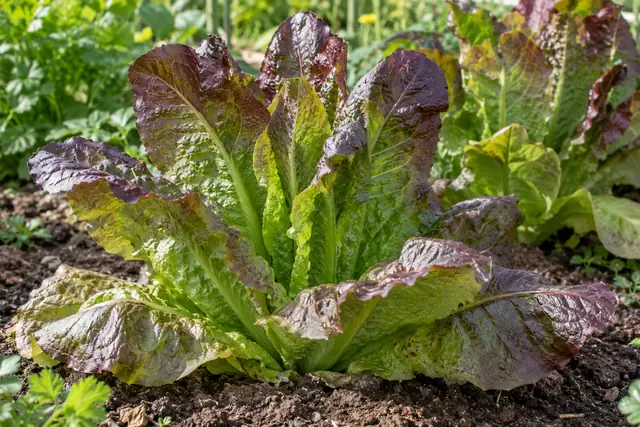
This image was created with AI from described plant characteristics and growing advice. It shows a possible situation and is not a photograph of a verified cultivar.
Duivelstong has long romaine leaves with dark red to purple tips. The offering names an open-pollinated selection without further cultivar registration.
Choose this romaine shape if you want upright leaves with coloured tips. The practical type classification avoids unproven extra variety identities.
The product source describes mild, fresh, slightly sweet, aromatic flavour. This is linked to the named selection.
This flavour description applies to the crop; there is no separate tasting result for this variety.Use young leaves individually or let a larger head develop. Longer leaves give substantial strips for a main-meal salad.
Sow in succession and keep the soil consistently moist. Allow transplanted plants about twenty-five to thirty centimetres of space.
Harvest outer leaves in small portions or take a formed, loose head. Young harvesting gives a different texture from mature leaves.
Also listed as: Duivelstong.
Read the source notes →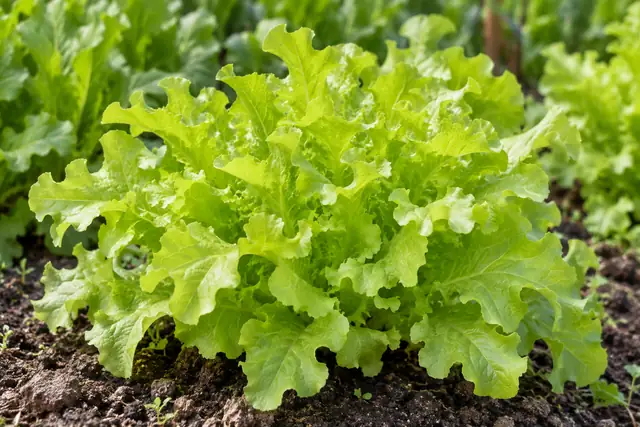
This image was created with AI from described plant characteristics and growing advice. It shows a possible situation and is not a photograph of a verified cultivar.
This offering is a light green oakleaf form of cutting lettuce. The colour and shape name is not a further confirmed cultivar identity.
Choose this type for soft, pale leaves and simple cut harvesting. It also suits a limited container trial.
The source describes soft, tender leaves without a distinctive aroma. A yellow-green name proves no different sweetness.
This flavour description applies to the crop; there is no separate tasting result for this variety.Use the tender leaves among firmer salad vegetables. The light green contrasts clearly with dark red loose-leaf selections.
Sow thinly in a free-draining container or small bed and keep the surface moist. Do not fill every space with one sowing.
Harvest young leaves at the desired size and retain the growing base for further picking. Sow again when older plants decline in quality.
Read the source notes →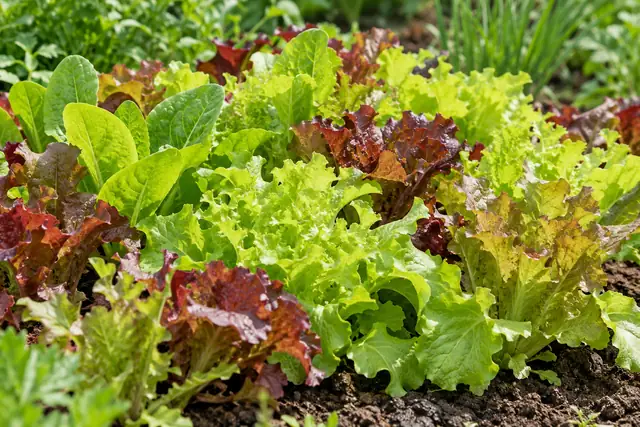
This image was created with AI from described plant characteristics and growing advice. It shows a possible situation and is not a photograph of a verified cultivar.
This mixture provides different lettuce colours and leaf shapes from one packet. It is a shared cutting harvest, not a uniform cultivar.
Choose this offering for variety without sowing separate packets. Named selections are more suitable for an exact cultivar comparison.
The mixture source mentions varied flavours but does not demonstrate a fixed aroma profile for every component. The proportions also influence the result.
This flavour description applies to the crop; there is no separate tasting result for this variety.Use the young leaves as a mixed salad base. Keep part of the harvest separate if you want to compare colours or textures.
Sow a small amount in a bed or container and keep the germination layer moist. Follow with successive sowings.
Cut young leaves and observe which plants regrow afterwards. Mix components need not reach the same size together.
Also listed as: Gemengde snijsla.
Read the source notes →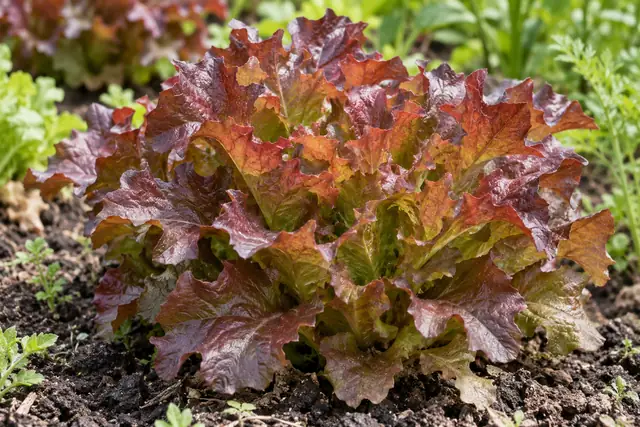
This image was created with AI from described plant characteristics and growing advice. It shows a possible situation and is not a photograph of a verified cultivar.
Red Salad is listed as a separate product name on Feggies. The source describes reddish oakleaf foliage but does not confirm synonymy with Red Salad Bowl.
Choose this designation if you want to follow this particular product. A similar name or leaf colour is not enough to merge the two identities.
The product source states mild, tender leaves. This describes the selection, not a proven flavour difference from Red Salad Bowl.
This flavour description applies to the crop; there is no separate tasting result for this variety.Use young leaves as red accents among green salad leaves. Small, repeated picking suits daily portions.
Sow directly or use a free-draining container and keep soil moist. Allow the loose rosette room for new leaves.
Pick outer leaves and retain the heart. Let usable leaves regrow before taking another large portion.
Read the source notes →From a garden bed to a suitable pot or support: give your plant a place that suits your garden and the care you can provide.
This image was created with AI from described plant characteristics and growing advice. It shows a possible situation and is not a photograph of a verified cultivar.
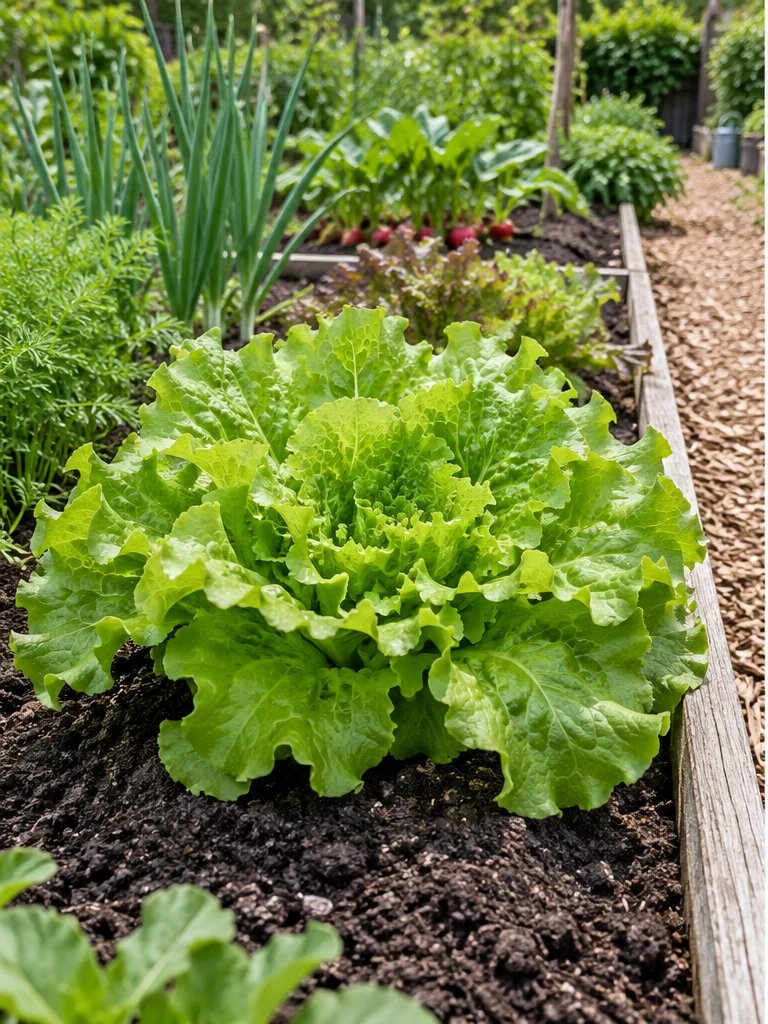
A small lettuce row makes care manageable. Choose the right season, keep weeds away and follow leaves. Plan another batch once you see how much you actually use.
For anyone with a small bed or a space available after another harvest.
Tick off your supplies →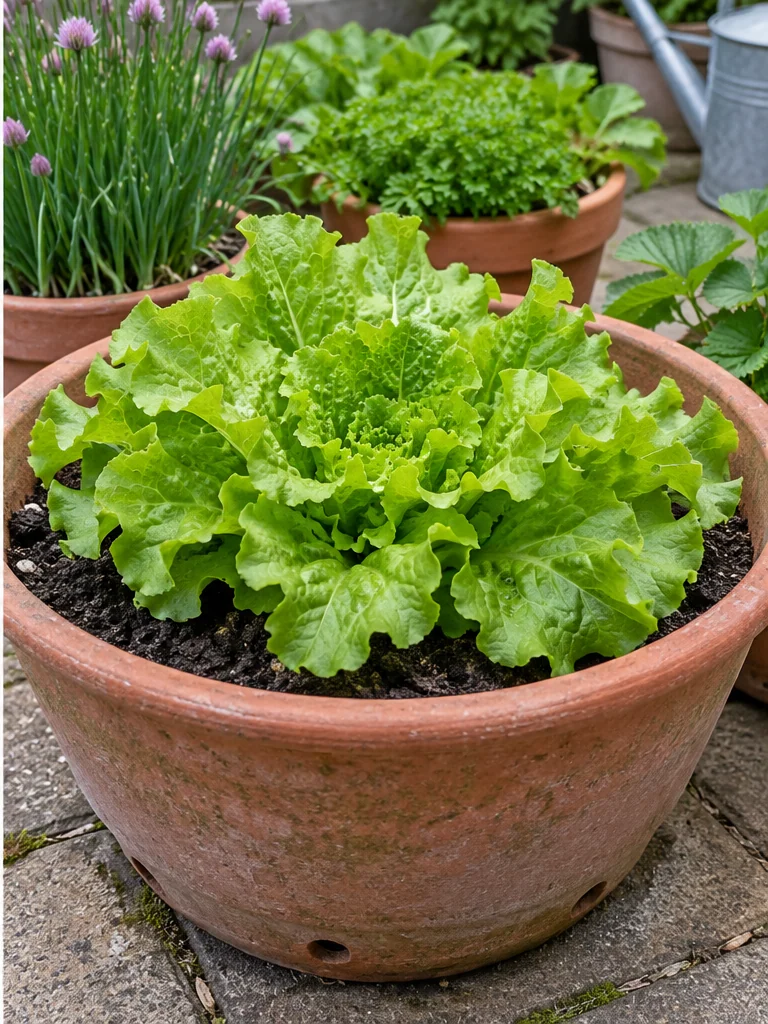
This image was created with AI from described plant characteristics and growing advice. It shows a possible situation and is not a photograph of a verified cultivar.
Loose-leaf lettuce suits a broad pot. Harvest only what you need and easily see when another sowing is needed. Leave enough room for light and air between rosettes.
For limited space or a smaller, more accessible leaf crop.
Tick off your supplies →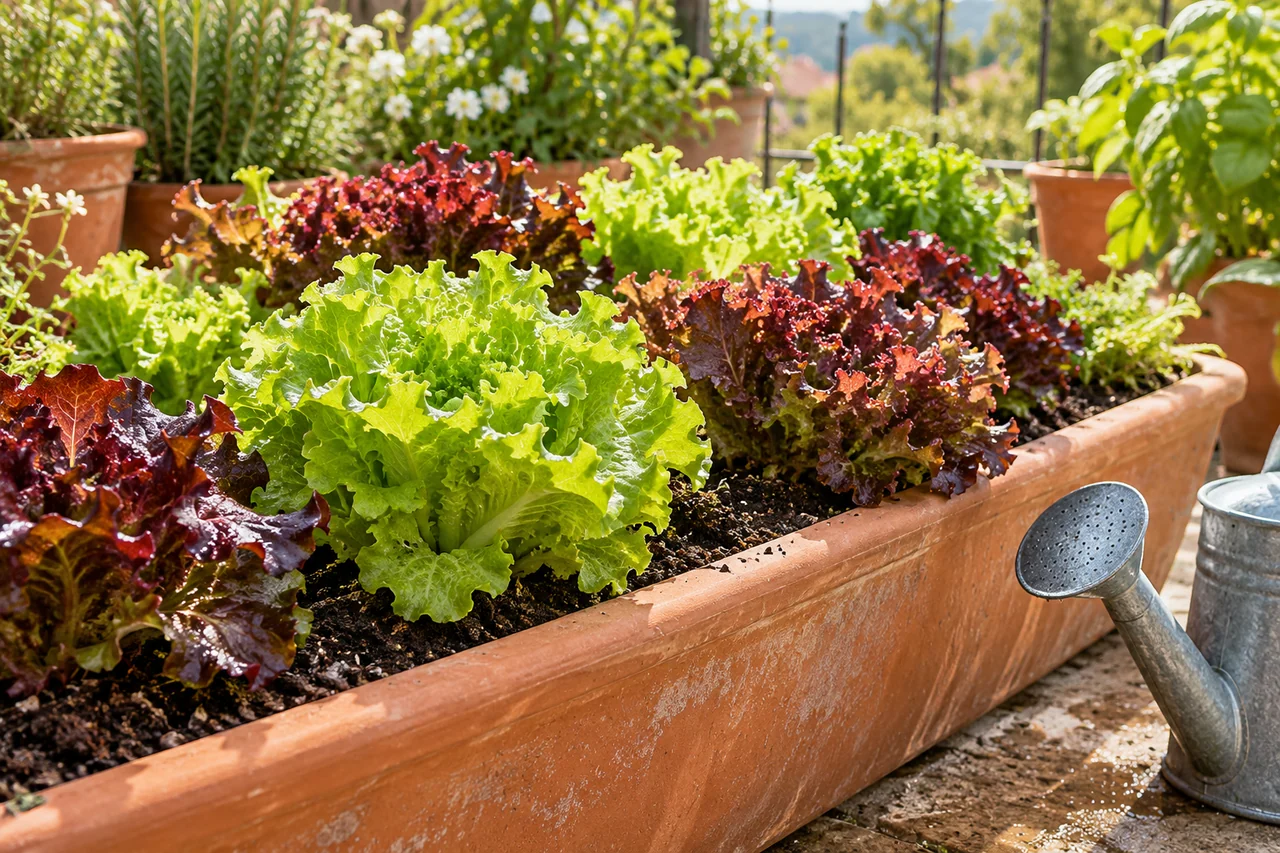
This image was created with AI from described plant characteristics and growing advice. It shows a possible situation and is not a photograph of a verified cultivar.
Use a roomy container with drainage holes and keep the potting compost evenly moist. Give the plants space and gradually pick the outer leaves.
View your supplies →See the confirmed differences. Characteristics without supporting evidence are left blank.
12 of 12 varieties
This image was created with AI from described plant characteristics and growing advice. It shows a possible situation and is not a photograph of a verified cultivar.
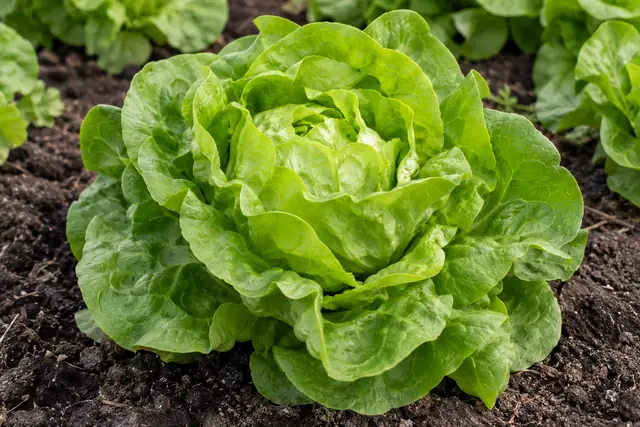
Explore this variety and use the growing guide to choose a place for your plant.
View variety →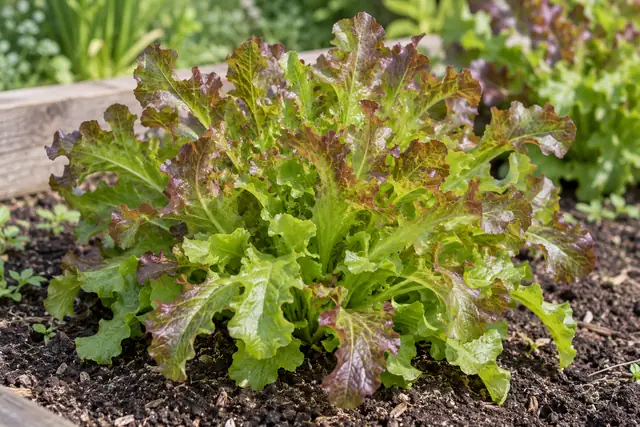
This image was created with AI from described plant characteristics and growing advice. It shows a possible situation and is not a photograph of a verified cultivar.
Explore this variety and use the growing guide to choose a place for your plant.
View variety →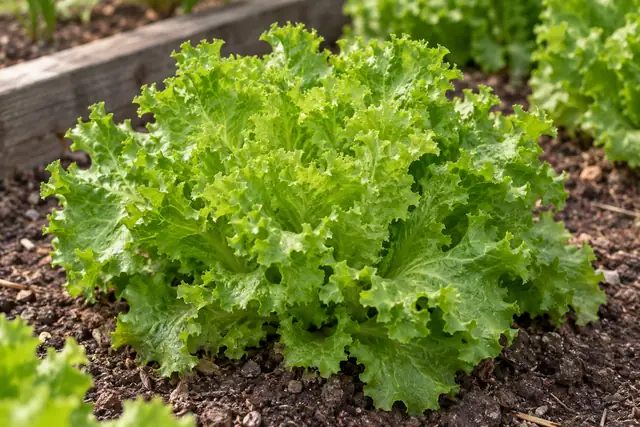
This image was created with AI from described plant characteristics and growing advice. It shows a possible situation and is not a photograph of a verified cultivar.
Explore this variety and use the growing guide to choose a place for your plant.
View variety →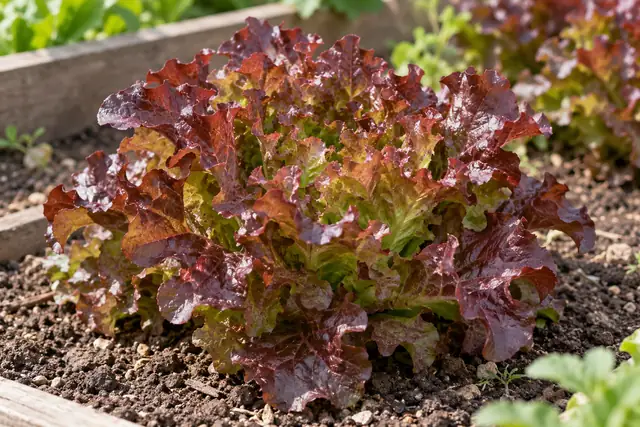
This image was created with AI from described plant characteristics and growing advice. It shows a possible situation and is not a photograph of a verified cultivar.
Explore this variety and use the growing guide to choose a place for your plant.
View variety →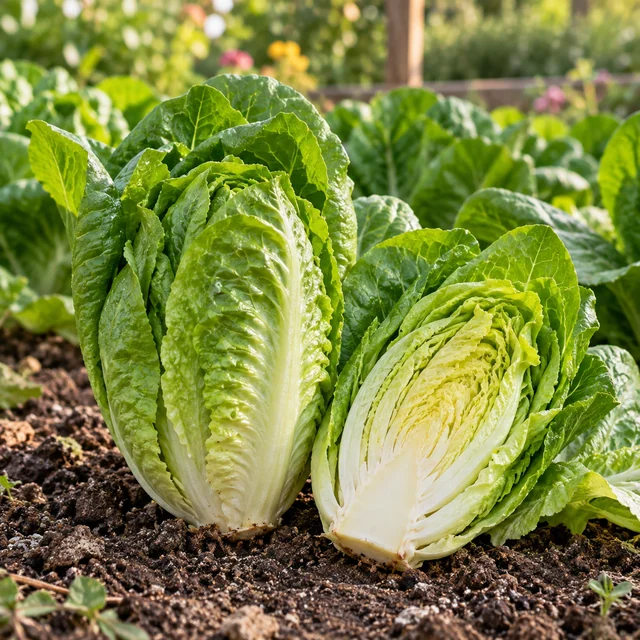
This image was created with AI from described plant characteristics and growing advice. It shows a possible situation and is not a photograph of a verified cultivar.
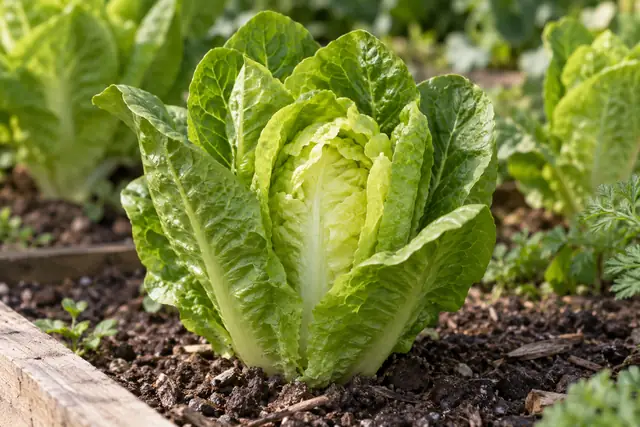
This image was created with AI from described plant characteristics and growing advice. It shows a possible situation and is not a photograph of a verified cultivar.
Explore this variety and use the growing guide to choose a place for your plant.
View variety →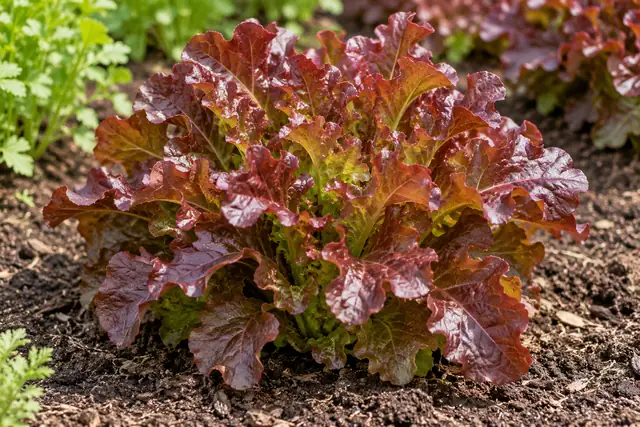
This image was created with AI from described plant characteristics and growing advice. It shows a possible situation and is not a photograph of a verified cultivar.
Explore this variety and use the growing guide to choose a place for your plant.
View variety →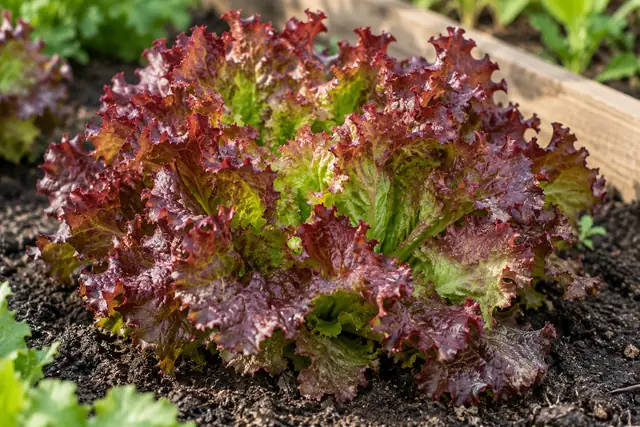
This image was created with AI from described plant characteristics and growing advice. It shows a possible situation and is not a photograph of a verified cultivar.
Explore this variety and use the growing guide to choose a place for your plant.
View variety →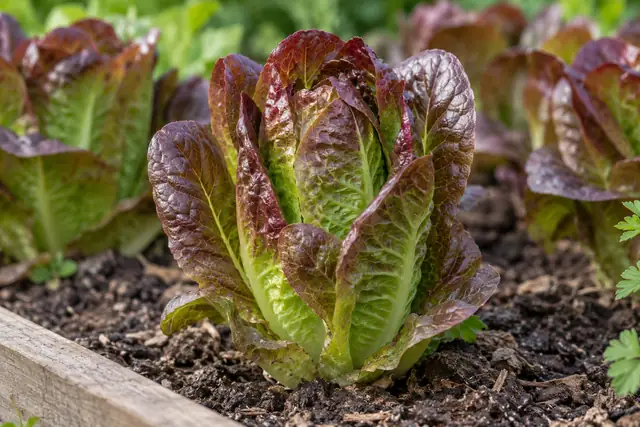
This image was created with AI from described plant characteristics and growing advice. It shows a possible situation and is not a photograph of a verified cultivar.
Explore this variety and use the growing guide to choose a place for your plant.
View variety →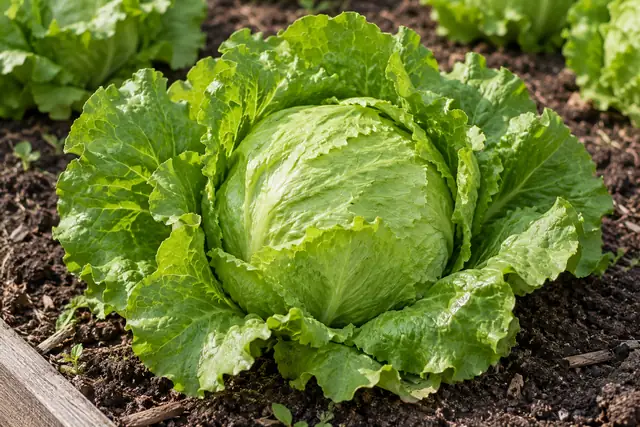
This image was created with AI from described plant characteristics and growing advice. It shows a possible situation and is not a photograph of a verified cultivar.
Explore this variety and use the growing guide to choose a place for your plant.
View variety →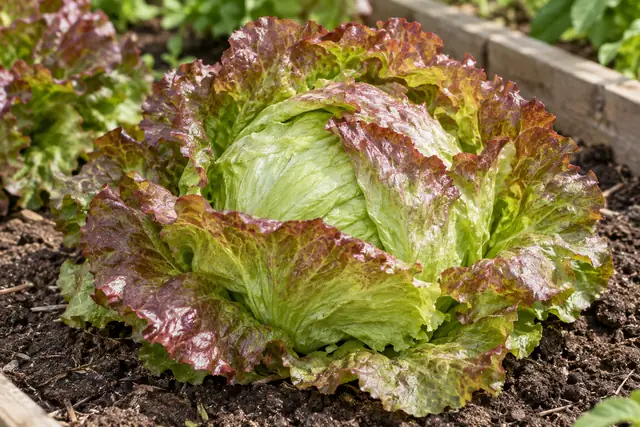
This image was created with AI from described plant characteristics and growing advice. It shows a possible situation and is not a photograph of a verified cultivar.
Explore this variety and use the growing guide to choose a place for your plant.
View variety →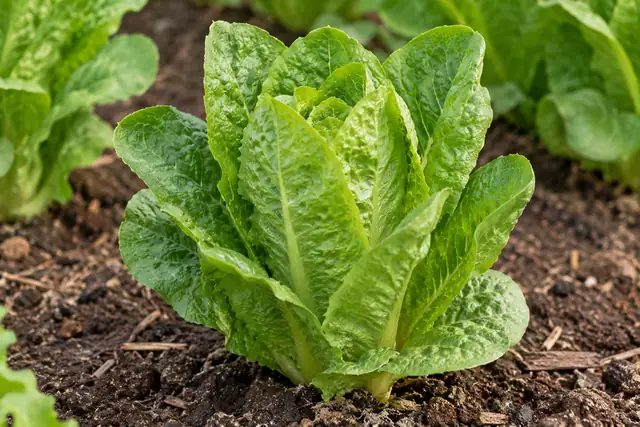
This image was created with AI from described plant characteristics and growing advice. It shows a possible situation and is not a photograph of a verified cultivar.
Explore this variety and use the growing guide to choose a place for your plant.
View variety →Choose two to four varieties to compare their source data side by side.
Chou de Naples: Chou de Naples is a Batavia lettuce with lightly curled leaves and a firm, not fully closed heart. Its name does not make it a cabbage crop. Use the crisp leaves on bread or in a substantial main-meal salad. Outer leaves and a whole heart provide different portion sizes.
The product source describes a fresh, mild flavour. The crisp leaf texture also contributes to the eating experience.
Soissons: Soissons is a French Batavia lettuce with large, firm green hearts. The lightly curled leaves fill a generous bowl. Use the leaves in a summer salad or as a crisp layer on bread. A whole heart can be divided between several preparations.
The source describes the flavour as fresh and mild, with crisp leaves that are more tender than typical iceberg lettuce.
Queue de Truite: Queue de Truite has green leaves with red speckles and forms a small cos lettuce. It is a Lactuca lettuce, despite the retail alias 'Witloof panaché'. Use small leaves whole or cut a heart into strips. The speckles remain most recognisable when served fresh.
The source describes crisp leaves but no distinct aroma profile. The name does not justify a chicory or witloof flavour.
Speckled Amish: Speckled Amish is a traditional butterhead lettuce with light green leaves and reddish-brown speckles. The heart stays loose and the leaves are tender. Use the tender leaves in larger pieces and add dressing only shortly before eating. This keeps the speckled pattern visible.
The source does not confirm a distinct aroma. 'Mild appearance' describes the look and is not used as evidence of flavour.
Hearting, cos and loose-leaf lettuces are harvested differently. A closed heart needs more time and space than young picked leaves. Choose a type that suits your cooking routine and look for a cultivar intended for cool growing for autumn.
Sow small batches in clean compost and give emerging seedlings light. Lettuce germinates less well in great heat; choose a cooler sowing position then. Hearting lettuce can be started in modules, while a thinly sown leafy edging is manageable directly in the bed.
Choose a bright spot and prepare a fine enough surface for the small seeds or young rootballs. Water must be able to drain away after rain. In a pot, check that the drainage holes are clear; a layer of wet soil does not help produce a healthy leaf harvest.
Thin young plants in good time or plant individual rootballs at the cultivar's spacing. A lettuce does not form a good heart if its leaves compete with too many neighbours. Keep the soil moist and remove weeds that shade small lettuce seedlings.
Cut a filled-out heart all at once or pick young outer leaves from loose-leaf lettuce. Leave the growing centre if you want to continue harvesting. Assess the leaves, not just a planned date: warmth can change the harvest more quickly.
Slugs can eat almost all of the first young plants. Look for feeding damage and hiding places early. A central stem rising quickly indicates bolting; the leaves may become more bitter. Sow another small batch in a more suitable position or a better season.
Harvest at a cool time and keep the leaves cool after picking. Wash them before use and remove damaged parts. A small fresh portion wastes less than harvesting a whole container when you only need a handful.
Record sowing and the first harvest so you can compare what works in your space next season. Do not leave an empty row unplanned for long. A new batch within a suitable window gives a better spread than hoping overmature leaves will become young again.
Tick what you already have. The extras depend on how you grow.
0 of 5 ticked off
Your ticks are saved in this browser.
SeedSteps editorial team · updated on 11 October 2026. The AI images illustrate species and practical growing situations; they do not prove an exact cultivar, observations from your own garden or yield.
Britse gewasadviezen worden gecombineerd met Nederlandse en Vlaamse informatie waar beschikbaar. Amerikaanse Extension-bronnen ondersteunen plantprincipes en herkenning; hun kalenderdata, lokale plaagdruk, bestrijdingsmiddelen en mestdoseringen worden niet rechtstreeks op Nederland of Vlaanderen toegepast. Vorst, bodemwarmte, standplaats en expliciete rasinformatie blijven de lokale controle. Commerciële bronnen onderbouwen uitsluitend benoemde ras- en plantkenmerken; zij zijn geen affiliate-aanbeveling.
Supporting evidence by chapter: Choose by flavour, shape and use: Feggies, Feggies, Feggies, Feggies. Choose the type to suit your harvest: Royal Horticultural Society, Utah State University Extension. A small, sound start: Royal Horticultural Society, Utah State University Extension. Light and soil that can drain: Royal Horticultural Society, Utah State University Extension. Care for the young leaves: Royal Horticultural Society, Utah State University Extension. Harvest for quality: Royal Horticultural Society, Utah State University Extension. Recognise what the leaves tell you: Royal Horticultural Society, Utah State University Extension. Fresh leaves start with a small picking: Royal Horticultural Society, Utah State University Extension. Make room for the next round: Royal Horticultural Society, Utah State University Extension.