
Sla: kies een hele krop of blijf jonge bladeren plukken
Lettuce need not be a row of identical green heads. Different leaf types make an attractive bed and a varied salad. First choose how you want to harvest: a whole head at once or a few leaves at a time.
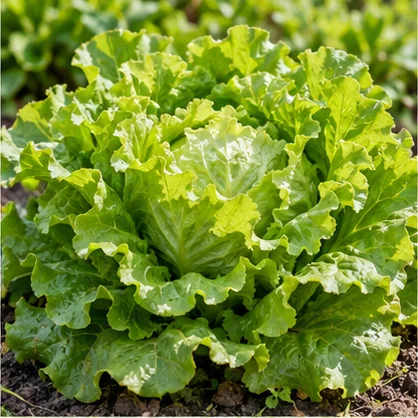
This image was created with AI from described plant characteristics and growing advice. It shows a possible situation and is not a photograph of a verified cultivar.
- Sowing
- Voorjaar tot najaar; kies een passend seizoenras
- Harvesting
- Jong blad of een gevulde krop
- Location
- Licht; bij hitte liever koeler en deels beschut
- Pot
- Goed mogelijk met passend type en voldoende ruimte
This growing advice helps you choose. Your variety, growth stage, weather and conditions in your space determine the actual timing.
Sowing under cover and raising seedlings
Koel voorzaaien of direct zaaien · Lettuce
Februari–augustus, naar rasZaai op een lichte, niet hete plek. Een warme zolder kan te warm zijn.
- Germination and temperature
- Koel en licht laten kiemen; veel sla kiemt slecht boven ongeveer 25 °C.
- After emergence
- Zet opgekomen sla licht en luchtig; voorkom hoge kastemperaturen en uitdroging.
- Pricking out and potting on
- Zaai in modules of verspeen hanteerbare zaailingen naar een eigen cel. Houd de kluit bij uitplanten heel.
- Hardening off and planting out
- Laat binnen opgekweekte planten geleidelijk aan zon, wind en buitentemperatuur wennen; zet ze bij koude nachten weer beschut. Plant stevige jonge planten uit; houd het groeipunt vrij en bescherm tegen slakken.
Kies een voorjaar-, zomer- of winterras. Aspergesla heeft een ander oogstdoel dan kropsla; volg het eigen rasvenster.
Sources and use
Royal Horticultural Society · RHS — sla kweken ↗Soort- of productgebonden bron; buitenlandse perioden zijn geen vaste Nederlandse zaaidatum.
Utah State University Extension · USU Extension — sla in de tuin ↗Soort- of productgebonden bron; buitenlandse perioden zijn geen vaste Nederlandse zaaidatum.
Guideline periods for the Netherlands and Flanders. Check the variety, available light, soil and measured temperatures. Greenhouse heating does not guarantee enough winter light.
A different flavour, a different harvest.
Choose by more than the name. Discover how these varieties and crop types taste, what you can use them for and what growing them involves.
21 of 21 choices · 15 named varieties
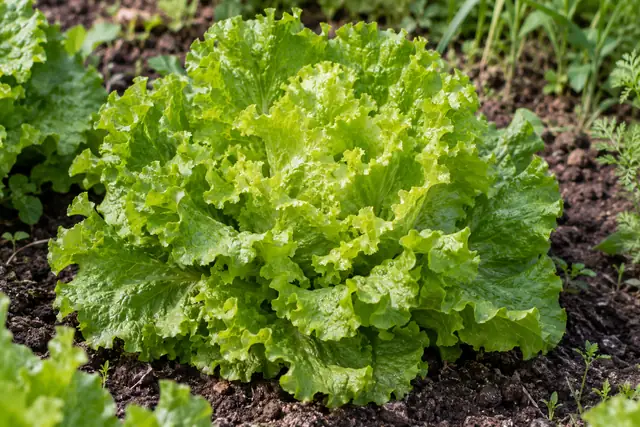
This image was created with AI from described plant characteristics and growing advice. It shows a possible situation and is not a photograph of a verified cultivar.
Chou de Naples
Chou de Naples is een bataviasla met licht gekruld blad en een stevige, niet volledig gesloten krop. De naam maakt het geen koolgewas.
Kies deze selectie wanneer je meer beet wilt dan bij zachte botersla, terwijl de krop losser blijft dan klassieke ijsbergsla.
Flavour, kitchen and growing
How does it taste?
De productbron beschrijft een frisse, milde smaak. De knapperige bladstructuur draagt daarnaast aan de gebruikservaring bij.
In the kitchen
Gebruik het knapperige blad op brood of in een flinke maaltijdsalade. Buitenblad en een hele krop bieden verschillende portiegroottes.
A space in the garden
Zaai in kleine opeenvolgende hoeveelheden en geef ruimte voor een brede krop. Houd de bodem tijdens de bladvorming regelmatig vochtig.
Harvesting
Pluk eerst gezonde buitenbladeren of oogst later de hele krop. Stop de selectie niet alleen op basis van een vaste kalenderweek.
Also listed as: Napolitaanse kool.
Read the source notes →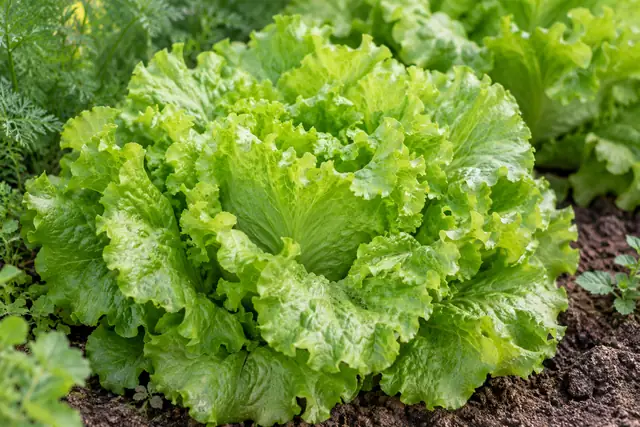
This image was created with AI from described plant characteristics and growing advice. It shows a possible situation and is not a photograph of a verified cultivar.
Soissons
Soissons is een Franse bataviasla met grote, stevige groene kroppen. Het licht gekrulde blad geeft een ruim gevulde schaal.
Kies Soissons voor een zomergerichte bataviakrop. Zaai minder tegelijk wanneer je geen verzameling grote kroppen op één oogstmoment wilt.
Flavour, kitchen and growing
How does it taste?
De bron noemt de smaak fris en mild, met knapperig blad dat malser is dan typische ijsbergsla.
In the kitchen
Gebruik de bladeren in een zomerse salade of als knapperige laag op brood. Een hele krop kun je over meerdere bereidingen verdelen.
A space in the garden
Zaai koel genoeg voor betrouwbare kieming en houd de bovenlaag vochtig. Geef elke plant ongeveer dertig centimeter ruimte voor kropvorming.
Harvesting
Oogst buitenblad voor een kleine portie of snijd een ontwikkelde krop in één keer. Spreid de oogst met afzonderlijke zaairondes.
Read the source notes →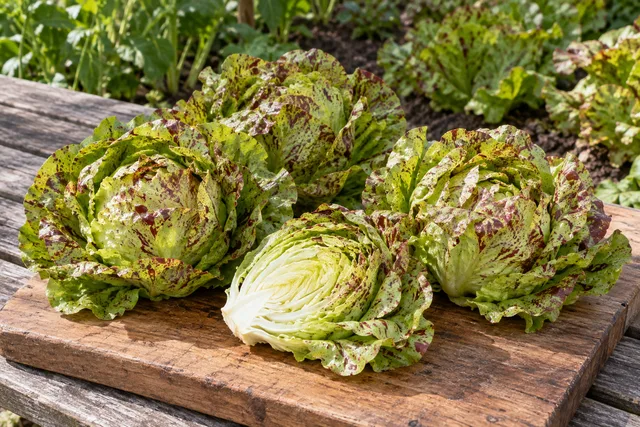
This image was created with AI from described plant characteristics and growing advice. It shows a possible situation and is not a photograph of a verified cultivar.
Queue de Truite
Queue de Truite heeft groene bladeren met rode spikkels en vormt een kleine bindsla. Het is Lactuca-sla, ondanks de winkelalias 'Witloof panaché'.
Kies deze selectie voor gespikkeld blad en een compacte romainevorm. Gebruik de alias bij zoeken, niet om een ander gewas aan te maken.
Flavour, kitchen and growing
How does it taste?
De bron beschrijft knapperig blad maar geen eigen aromaprofiel. De naam rechtvaardigt geen cichorei- of witlofsmaak.
This flavour description applies to the crop; there is no separate tasting result for this variety.In the kitchen
Gebruik hele kleine blaadjes of snijd een krop in reepjes. De spikkels blijven vooral bij een verse presentatie herkenbaar.
A space in the garden
Plan een koele voorjaarsontwikkeling en voorkom droogtestress. De beschreven tragere schietneiging is geen absolute bescherming tegen bloei.
Harvesting
Oogst een kleine stevige krop vóór een bloemstengel ontstaat. Pluk buitenblad wanneer je de krop nog verder wilt laten ontwikkelen.
Also listed as: Witloof panaché.
Read the source notes →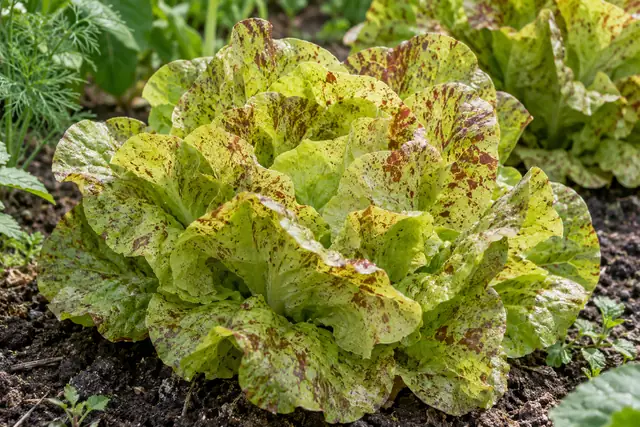
This image was created with AI from described plant characteristics and growing advice. It shows a possible situation and is not a photograph of a verified cultivar.
Speckled Amish
Speckled Amish is een traditionele botersla met lichtgroen blad en roodbruine spikkels. De krop blijft los en de bladeren zijn zacht.
Kies deze selectie als je gespikkeld boterslablad wilt vergelijken met de steviger bindsla Queue de Truite. De bladvorm is het concrete verschil.
Flavour, kitchen and growing
How does it taste?
De bron bevestigt geen eigen aroma. 'Milde uitstraling' is een omschrijving van het uiterlijk en wordt niet als smaakbewijs gebruikt.
This flavour description applies to the crop; there is no separate tasting result for this variety.In the kitchen
Gebruik de zachte bladeren in grotere stukken en meng een dressing pas kort voor het eten. Zo blijft het gespikkelde patroon zichtbaar.
A space in the garden
Geef jonge planten ruimte voor een losse krop en voorkom langdurige uitdroging. Stem de opkweek af op de zaadverpakking.
Harvesting
Oogst gezonde buitenbladeren of een voldoende gevulde krop. Zacht blad is het aantrekkelijkst wanneer je het vers en zorgvuldig behandelt.
Also listed as: Gespikkelde Amish-sla.
Read the source notes →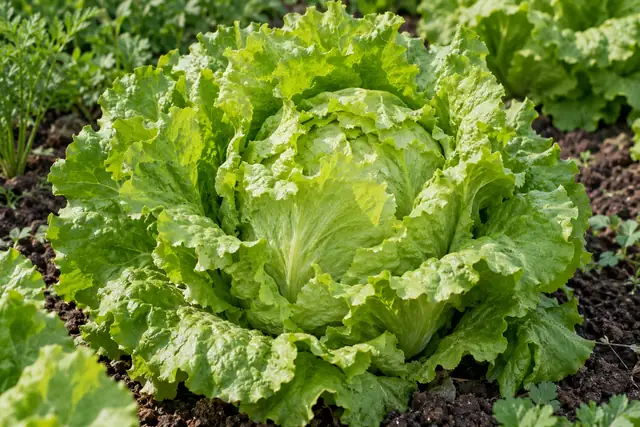
This image was created with AI from described plant characteristics and growing advice. It shows a possible situation and is not a photograph of a verified cultivar.
Grazer Krauthäuptel
Grazer Krauthäuptel is een oude Oostenrijkse selectie uit de regio Graz. Het aanbod benadrukt knapperig blad en een lage schietgevoeligheid.
Kies deze selectie wanneer beet en hanteerbare bewaring meetellen. Lage schietgevoeligheid sluit problemen bij hitte of droogte niet uit.
Flavour, kitchen and growing
How does it taste?
De bron geeft geen apart aroma voor dit ras. De beschreven knapperigheid wordt als textuur, niet als zoetheidsclaim gebruikt.
This flavour description applies to the crop; there is no separate tasting result for this variety.In the kitchen
Gebruik de bladeren voor een salade met stevige ingrediënten. Een complete gezonde krop kan volgens de bron gekoeld worden bewaard.
A space in the garden
Zaai vroeg in een koude kas of later buiten. Bedek het zaad slechts licht, omdat de bron licht bij kieming noemt.
Harvesting
Oogst een gevormde krop voordat de bloemstengel verlengt. Koel de verse oogst wanneer je hem niet dezelfde dag verwerkt.
Also listed as: Grazer Krauthauptel.
Read the source notes →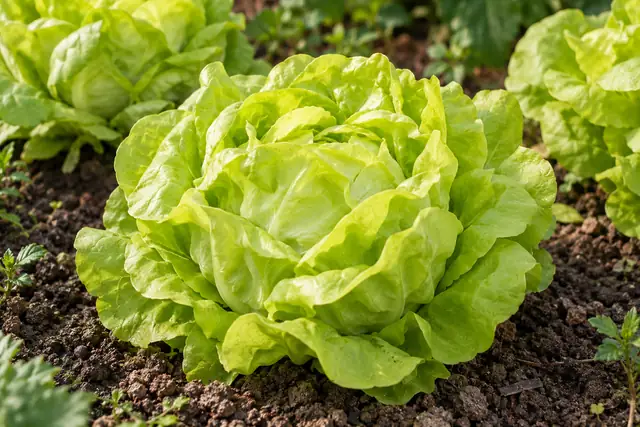
This image was created with AI from described plant characteristics and growing advice. It shows a possible situation and is not a photograph of a verified cultivar.
Gotte d’Or
Gotte d’Or is een zeer vroege sla met kleine, dichte, blondgroene kroppen. De beperkte maat past bij een korte voorjaarsplanning.
Kies dit ras wanneer een kleine vroege krop belangrijker is dan een grote zomerse opbrengst. Vergelijk het met Grosse Blonde Paresseuse.
Flavour, kitchen and growing
How does it taste?
De bron benadrukt malsheid zonder uitgewerkt aroma. Het concrete voordeel is een zachte bladstructuur bij een vroege oogst.
This flavour description applies to the crop; there is no separate tasting result for this variety.In the kitchen
Gebruik een kleine krop in één maaltijd of neem zachte buitenbladeren mee voor brood. Zo blijft weinig aangesneden sla over.
A space in the garden
Start beschermd en voldoende koel voor kieming. Let erop dat een kleine pot niet droogvalt zodra de eerste bladeren verschijnen.
Harvesting
Oogst de gevormde kleine krop tijdig. Langer laten staan alleen om meer massa te krijgen kan het vroege gebruiksdoel voorbijschieten.
Also listed as: Gotte d'Or.
Read the source notes →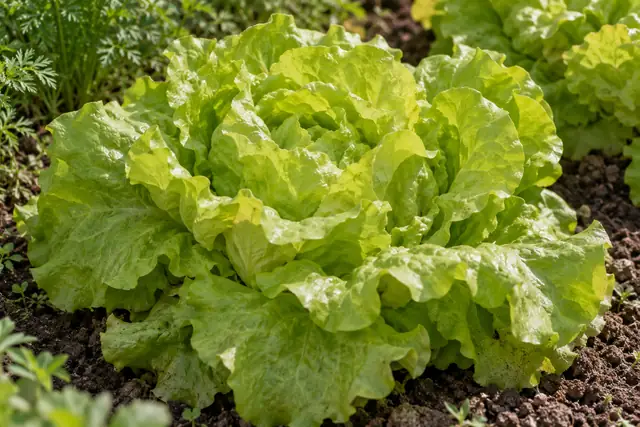
This image was created with AI from described plant characteristics and growing advice. It shows a possible situation and is not a photograph of a verified cultivar.
Grosse Blonde Paresseuse
Grosse Blonde Paresseuse vormt een grote lichtgroene krop met zacht blad. De bron beschrijft een relatief trage schietneiging bij zomerteelt.
Kies deze selectie wanneer je een grote zachte zomersla zoekt. Reserveer meer plek en plan de oogst op jouw porties.
Flavour, kitchen and growing
How does it taste?
Een eigen smaakprofiel ontbreekt. De zachte textuur en zomerse kropontwikkeling zijn beter bevestigd dan een bijzonder aroma.
This flavour description applies to the crop; there is no separate tasting result for this variety.In the kitchen
Gebruik de ruime bladeren voor een zachte salade of als omhulsel van een koude vulling. Behandel ze voorzichtig bij wassen en mengen.
A space in the garden
Houd voldoende afstand tussen planten en voorkom droogtestress. Tragere schietneiging betekent niet dat de krop onbeperkt kan blijven staan.
Harvesting
Oogst buitenblad of een volledige krop voordat de stengel omhoogkomt. Zaai gespreid zodat grote kroppen niet tegelijk klaarstaan.
Read the source notes →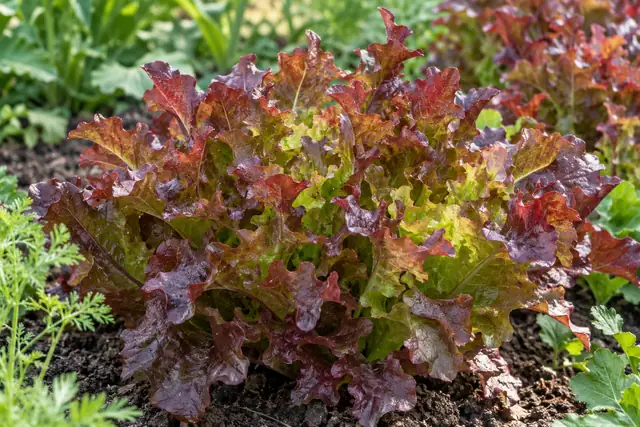
This image was created with AI from described plant characteristics and growing advice. It shows a possible situation and is not a photograph of a verified cultivar.
Red Salad Bowl
Red Salad Bowl is een rode eikenbladachtige pluksla. Losse bladpluk maakt dit aanbod geschikt voor een oogst in kleine porties.
Kies Red Salad Bowl als je rood plukblad wilt en het hart wilt laten doorgroeien. Red Salad blijft een afzonderlijke winkelbenaming.
Flavour, kitchen and growing
How does it taste?
De bron bevestigt geen afzonderlijke rassmaak. De kleur is een selectieargument, geen bewijs voor een sterker of zoeter blad.
This flavour description applies to the crop; there is no separate tasting result for this variety.In the kitchen
Combineer de blaadjes met een groene pluksla voor kleurcontrast. Voeg dressing pas aan de geoogste maaltijdportie toe.
A space in the garden
Zaai of plant met ruimte voor een losse rozet en houd de grond vochtig. Een bak is bruikbaar wanneer afwatering goed werkt.
Harvesting
Neem de buitenste bruikbare bladeren en behoud het groeihart. Herhaal zolang de plant gezond jong blad blijft vormen.
Read the source notes →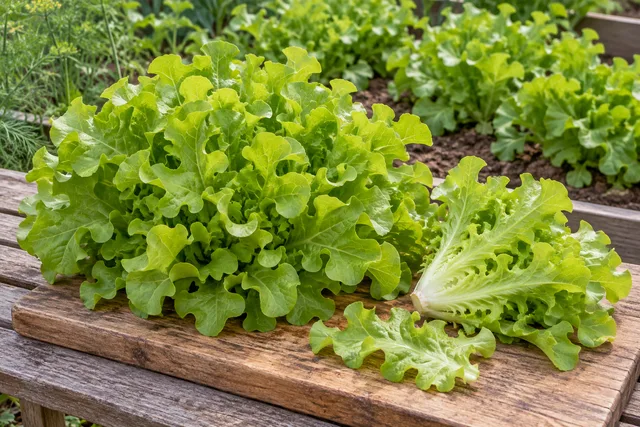
This image was created with AI from described plant characteristics and growing advice. It shows a possible situation and is not a photograph of a verified cultivar.
Salad Bowl groen
De groene Salad Bowl heeft eikenbladachtig blad en is bedoeld voor pluk. Je hoeft niet op een compacte gesloten krop te wachten.
Kies deze selectie voor een overzichtelijke groene plukrozet. Het verschil met Red Salad Bowl is aantoonbaar de bladkleur.
Flavour, kitchen and growing
How does it taste?
De productbron geeft geen eigen aromaprofiel. Algemene milde slatoepassing blijft gewasinformatie en wordt niet als unieke rassmaak gepresenteerd.
This flavour description applies to the crop; there is no separate tasting result for this variety.In the kitchen
Gebruik losse bladeren in een dagelijkse salade of op brood. Combineer ze met rood plukblad wanneer kleurvariatie gewenst is.
A space in the garden
Geef een plukplant voldoende wortelruimte en regelmatige vochtvoorziening. Houd bij een bak in warm weer vaker de kluit in de gaten.
Harvesting
Oogst buitenblad en behoud het jonge midden. Neem liever een maaltijdportie mee dan de hele plant voortijdig kaal te plukken.
Also listed as: Salad Bowl.
Read the source notes →Discover all 21 choices
This image was created with AI from described plant characteristics and growing advice. It shows a possible situation and is not a photograph of a verified cultivar.
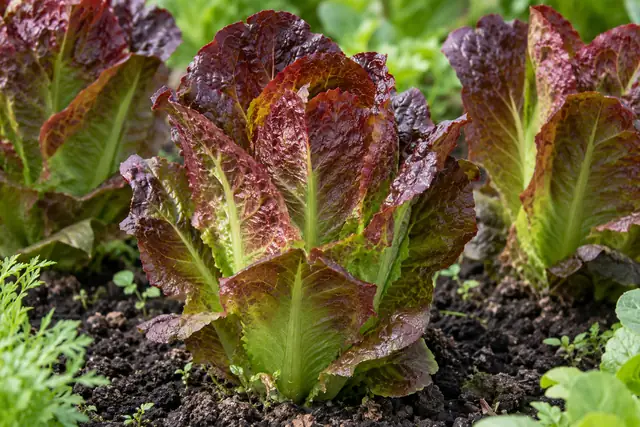
Red Cos
Red Cos wordt aangeboden als een kleine rode romaine van het Little Gem-type. De verticale kropvorm verschilt van een platte plukslarozet.
Kies dit ras wanneer je kleine bindsla wilt met kleur aan het blad. Het is een benoemde selectie binnen romainesla.
Flavour, kitchen and growing
How does it taste?
Een eigen Red Cos-aroma is niet beschreven. De romainevorm en rode kleur geven meer houvast dan onbewezen smaakclaims.
This flavour description applies to the crop; there is no separate tasting result for this variety.In the kitchen
Gebruik kleine bladeren heel of snijd een krop in lengtedelen. De vorm maakt compacte porties voor een verse salade mogelijk.
A space in the garden
Zaai bij voldoende koele omstandigheden; de bron waarschuwt voor slechte kieming bij hitte. Houd de kiemende bovenlaag vochtig.
Harvesting
Oogst wanneer de kleine krop gevormd en gezond is. Laat hem niet uitsluitend voor extra formaat doorschieten.
Also listed as: Rode romaine.
Read the source notes →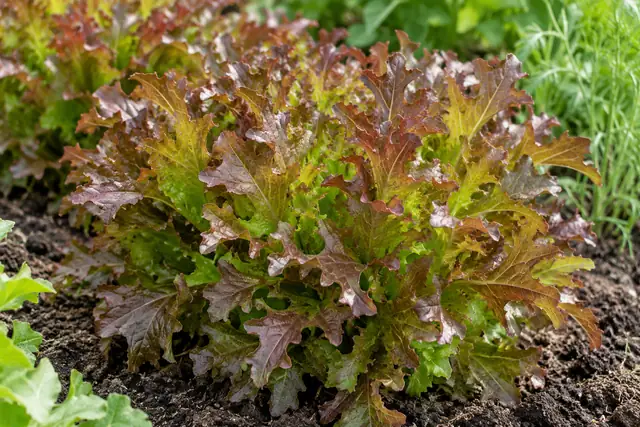
This image was created with AI from described plant characteristics and growing advice. It shows a possible situation and is not a photograph of a verified cultivar.
Biscia Rossa
Biscia Rossa heeft bronsgroen, ingesneden blad en wordt als snijsla geteeld. De Italiaanse alias beschrijft gekruld blad voor snijgebruik.
Kies deze selectie wanneer je een traditioneel snijblad met een bronstint zoekt. Het aanbod onderscheidt zich van een gesloten kropsla.
Flavour, kitchen and growing
How does it taste?
De bron noemt mals blad, maar geen eigen aroma. De naam 'Rossa' wordt niet vertaald naar een onbewezen rode-kleursmaak.
This flavour description applies to the crop; there is no separate tasting result for this variety.In the kitchen
Gebruik een jonge bladportie als saladebasis. De losse vorm maakt mengen met anders gevormde bladeren gemakkelijk.
A space in the garden
Zaai kleine opeenvolgende hoeveelheden en houd de grond vochtig. Een plek met wat halfschaduw kan bij warm weer praktisch zijn.
Harvesting
Knip jong bruikbaar blad en behoud bij gewenste hergroei het groeipunt. Oogst vóór de bladeren te grof worden voor je salade.
Also listed as: Rossa Foglia Riccia da Taglio.
Read the source notes →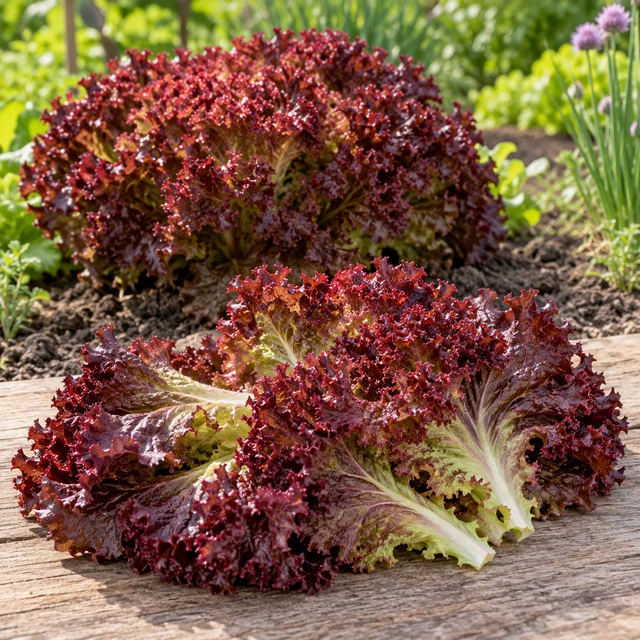
This image was created with AI from described plant characteristics and growing advice. It shows a possible situation and is not a photograph of a verified cultivar.
Lollo Rossa
Lollo Rossa geeft fijn gekruld blad in groene, bruine en rode tinten. De losse, luchtige structuur maakt een portie visueel groter.
Kies Lollo Rossa voor uitgesproken krulblad en kleurvariatie. Wie gladder blad wil, kan een botersla of bindsla vergelijken.
Flavour, kitchen and growing
How does it taste?
De bron noemt een gewaardeerde smaak zonder concreet aromaprofiel. De krulvorm is een betere bevestigde reden om te kiezen.
This flavour description applies to the crop; there is no separate tasting result for this variety.In the kitchen
Gebruik de krulblaadjes als rand van een salade of meng ze met vlakker blad. Een lichte dressing past bij de fijne structuur.
A space in the garden
Laat losse rozetten genoeg ruimte en voorkom uitdroging van de wortelzone. Behandel jonge planten voorzichtig bij verplanten.
Harvesting
Pluk bruikbare buitenbladeren of oogst een volledige rozet. Het blad is klaar op gewenste textuur, ook zonder dichte krop.
Read the source notes →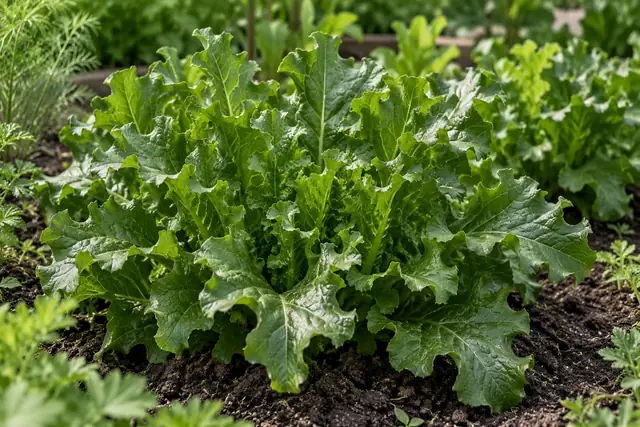
This image was created with AI from described plant characteristics and growing advice. It shows a possible situation and is not a photograph of a verified cultivar.
Radichetta
Radichetta maakt breed, donkergroen, ingesneden blad zonder een gesloten slahart. De vorm ondersteunt een herhaalde snij- of plukoogst.
Kies Radichetta wanneer je een donkergroene losse bladsla zoekt. De naam betekent niet dat het een Cichorium-radicchio is.
Flavour, kitchen and growing
How does it taste?
De bron spreekt positief over smaak zonder een eigen aromabeschrijving. Er wordt geen radicchioachtige bitterheid uit de naam afgeleid.
This flavour description applies to the crop; there is no separate tasting result for this variety.In the kitchen
Gebruik jong blad in een gemengde salade. Grote bladeren kun je scheuren zodat de bladinsnijding op het bord herkenbaar blijft.
A space in the garden
Geef een vochtige maar afwaterende wortelzone en plan meerdere kleine zaaimomenten. Tegenstrijdige winterclaims worden niet als garantie overgenomen.
Harvesting
Oogst jong blad zonder op hartvorming te wachten. Bewaar de groeibasis wanneer je de plant nog een vervolgpluk wilt laten maken.
Read the source notes →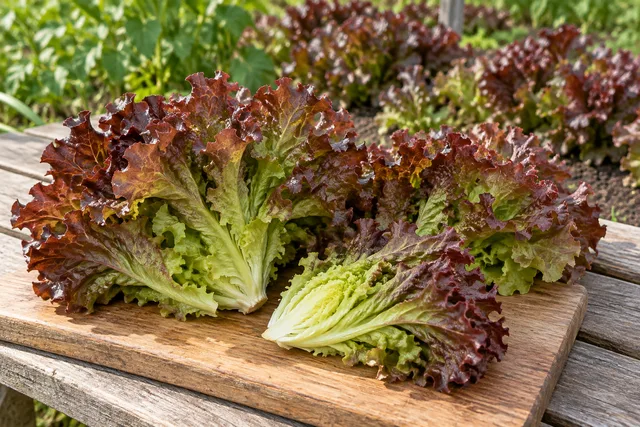
This image was created with AI from described plant characteristics and growing advice. It shows a possible situation and is not a photograph of a verified cultivar.
Red Velvet
Red Velvet heeft roodbruine buitenste delen en een groenbruine bladvoet. Het kleurverloop maakt het snijblad herkenbaar in een gemengde oogst.
Kies Red Velvet voor donker snijblad en contrast met lichtgroene selecties. De vertaalnaam Rood fluweel is geen tweede cultivar.
Flavour, kitchen and growing
How does it taste?
De bron bevestigt prettige smaak en knapperigheid zonder verder aroma. Daaruit volgt geen onderbouwde zoetheidsrangschikking.
This flavour description applies to the crop; there is no separate tasting result for this variety.In the kitchen
Gebruik hele jonge blaadjes voor een kleuraccent of combineer ze met groene eikenbladsla. Oogst een portie vlak voor gebruik.
A space in the garden
Zaai herhaaldelijk kleine hoeveelheden voor jong blad. Houd vooral een fijne zaaibak tijdens de kieming gelijkmatig vochtig.
Harvesting
Snijd op gewenste bladmaat en blijf het hart respecteren bij herhaaloogst. Laat een nieuwe zaai de oudere snijplanten opvolgen.
Also listed as: Rood fluweel.
Read the source notes →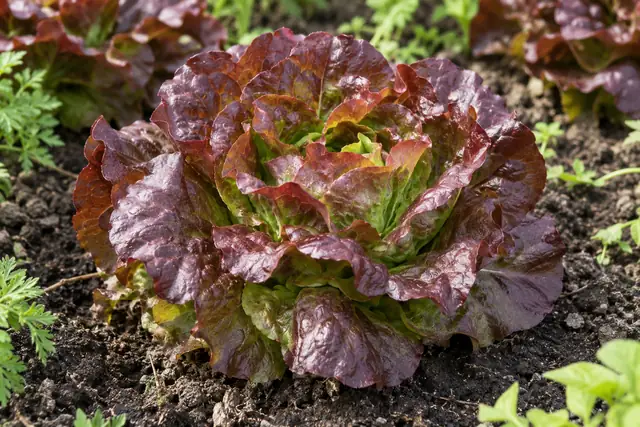
This image was created with AI from described plant characteristics and growing advice. It shows a possible situation and is not a photograph of a verified cultivar.
Maribor
Maribor is een kleine rode botersla met een teeltaccent op winter en vroeg voorjaar. De bron beschrijft kroppen van ongeveer tweehonderd gram.
Kies deze selectie voor een wintergericht traject met geschikte bescherming. Het Duitse kalenderadvies is geen automatische Nederlandse opbrengstgarantie.
Flavour, kitchen and growing
How does it taste?
Een specifiek Maribor-aroma is niet beschreven. Het verschil zit aantoonbaar in kropmaat, kleur en het geplande groeiseizoen.
This flavour description applies to the crop; there is no separate tasting result for this variety.In the kitchen
Gebruik een kleine krop als zachte saladeportie. De bescheiden maat kan passen bij een maaltijd waarvoor geen grote zomersla nodig is.
A space in the garden
Begin de opkweek voor goed ontwikkelde jonge planten vóór de winter. Houd bij bescherming voldoende lucht en beoordeel vorstrisico.
Harvesting
Oogst gevormde, gezonde kroppen zodra de groei weer voldoende is. Winterteelt vraagt observatie en levert geen constante wekelijkse oogst.
Also listed as: Rode Boterkop.
Read the source notes →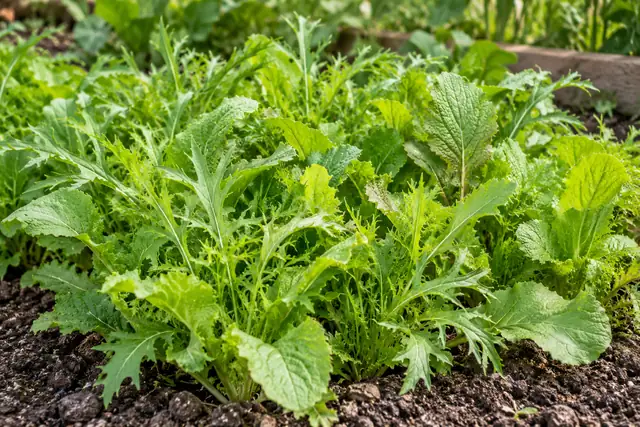
This image was created with AI from described plant characteristics and growing advice. It shows a possible situation and is not a photograph of a verified cultivar.
Mesclun/aziatische mix
Deze mesclun combineert verschillende bladgewassen. Een productbron noemt mosterd, Mizuna en Namenia; het is dus geen enkel slaras.
Kies deze mix als je variatie uit één zaaisel wilt. Controleer de verpakking, omdat de twee aanbiedingen niet dezelfde verhouding bewijzen.
Flavour, kitchen and growing
How does it taste?
De smaak is een mengseleigenschap en hangt van de samenstelling af. Mosterdachtige accenten zijn geen rasaroma van Lactuca-sla.
This flavour description applies to the crop; there is no separate tasting result for this variety.In the kitchen
Gebruik de gezamenlijke jonge oogst als gemengde salade. Door een andere verhouding per snijbeurt kan ook het bord veranderen.
A space in the garden
Zaai direct in grond of bak en houd de bovenlaag vochtig. Koeler weer past bij de genoemde Aziatische bladkoolbestanddelen.
Harvesting
Knip jonge bladeren en laat groeipunten staan voor een mogelijke volgende ronde. Niet elke component groeit daarna even snel terug.
Also listed as: Mesclun, Aziatische mix, Asiasla mesclun.
Read the source notes →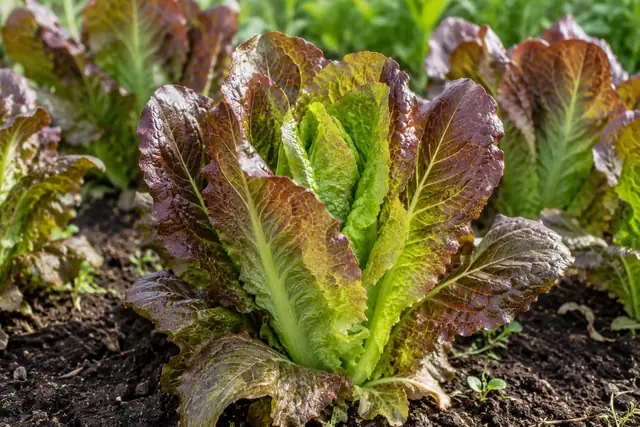
This image was created with AI from described plant characteristics and growing advice. It shows a possible situation and is not a photograph of a verified cultivar.
Bindsla winter rood
Dit type is een rode winterbindsla met langwerpige kroppen en groen binnenblad. Het aanbod geeft geen afzonderlijk bevestigde cultivarbenaming.
Kies dit type wanneer een rode bindsla in een koel groeitraject past. Stem bescherming af op het lokale weer.
Flavour, kitchen and growing
How does it taste?
Een eigen aroma voor deze typebenaming is niet onderbouwd. Het winterteeltdoel is geen bewijs voor meer zoetheid.
This flavour description applies to the crop; there is no separate tasting result for this variety.In the kitchen
Snijd een ontwikkelde krop in reepjes of gebruik grotere buitenbladeren als stevige saladebasis. Binnen- en buitenblad geven kleurverschil.
A space in the garden
Plan de opkweek voor voldoende plantontwikkeling vóór de winter. Een regionale kalender uit warmere omstandigheden vraagt aanpassing in Nederland en België.
Harvesting
Oogst gezonde gevormde kroppen bij bruikbare ontwikkeling. Controleer onder winterbescherming op beschadigd blad en onvoldoende ventilatie.
Also listed as: Rode winterbindsla.
Read the source notes →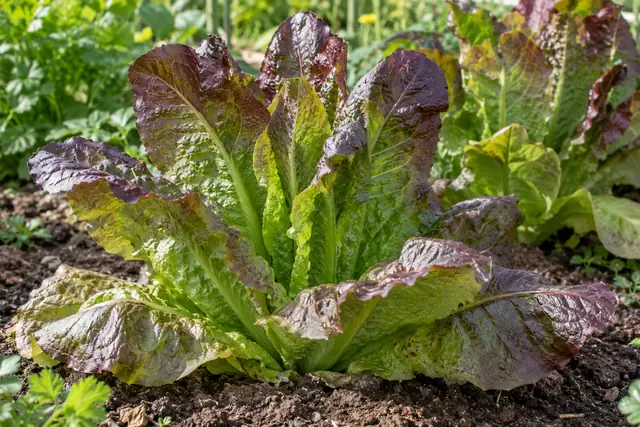
This image was created with AI from described plant characteristics and growing advice. It shows a possible situation and is not a photograph of a verified cultivar.
Duivelstong romaine
Duivelstong heeft lange romainebladeren met donkerrode tot paarse toppen. Het aanbod noemt een zaadvaste selectie, zonder aanvullende rasregistratie.
Kies deze romainevorm wanneer je verticale bladeren met gekleurde toppen wilt. De praktische type-indeling voorkomt onbewezen extra rasidentiteiten.
Flavour, kitchen and growing
How does it taste?
De productbron omschrijft de smaak als mild, fris, licht zoet en aromatisch. Dat wordt aan deze benoemde aanbodselectie gekoppeld.
This flavour description applies to the crop; there is no separate tasting result for this variety.In the kitchen
Gebruik jong blad los of laat een ruimere krop ontwikkelen. Langere bladeren geven stevige reepjes voor een maaltijdsalade.
A space in the garden
Zaai gespreid en houd de grond regelmatig vochtig. Geef uitgeplante planten ongeveer vijfentwintig tot dertig centimeter ruimte.
Harvesting
Oogst buitenblad in kleine porties of neem een gevormde losse krop mee. Jong oogsten levert een andere textuur dan volwassen blad.
Also listed as: Duivelstong.
Read the source notes →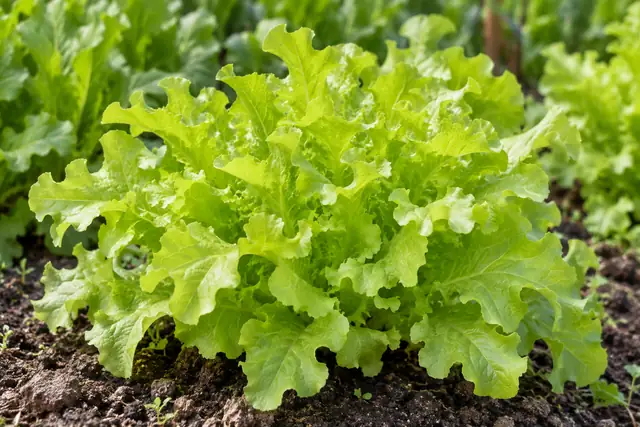
This image was created with AI from described plant characteristics and growing advice. It shows a possible situation and is not a photograph of a verified cultivar.
Geel eikenblad
Dit aanbod is een lichtgroene eikenbladvorm van snijsla. De kleur- en vormnaam is geen nader bevestigde cultivaridentiteit.
Kies dit type voor zacht, licht blad en een eenvoudige snijoogst. Het past ook bij een beperkte containerproef.
Flavour, kitchen and growing
How does it taste?
De bron beschrijft zacht, mals blad zonder een eigen aroma. Een geelgroene naam bewijst geen afwijkende zoetheid.
This flavour description applies to the crop; there is no separate tasting result for this variety.In the kitchen
Gebruik het zachte blad tussen steviger saladegroenten. Het lichte groen vormt een duidelijk contrast met donkerrode plukselecties.
A space in the garden
Zaai dun in een afwaterende bak of een klein bed en houd de bovenlaag vochtig. Vul niet meteen alle ruimte met één zaai.
Harvesting
Oogst jong blad op gewenste maat en behoud de groeibasis bij vervolgpluk. Zaai opnieuw als oudere planten in kwaliteit teruglopen.
Read the source notes →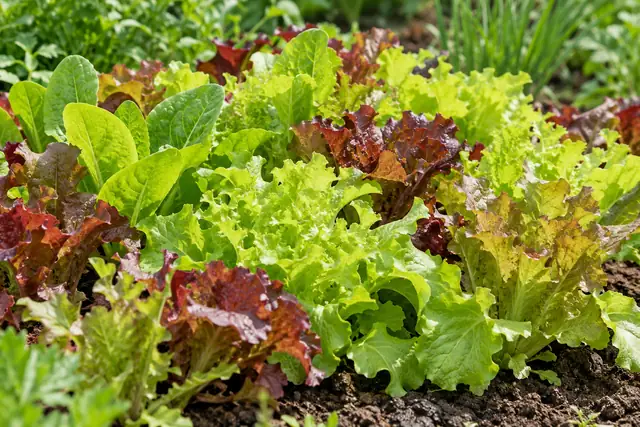
This image was created with AI from described plant characteristics and growing advice. It shows a possible situation and is not a photograph of a verified cultivar.
Snijsla gemengd
Dit mengsel levert verschillende slakleuren en bladvormen uit één zakje. Het is een gezamenlijke snijoogst, geen uniform ras.
Kies dit aanbod voor variatie zonder aparte zakjes te zaaien. Voor een exacte cultivarvergelijking zijn benoemde selecties geschikter.
Flavour, kitchen and growing
How does it taste?
De mengselbron noemt uiteenlopende smaken, maar bewijst geen vast aromaprofiel voor elke component. De verhouding bepaalt mede het resultaat.
This flavour description applies to the crop; there is no separate tasting result for this variety.In the kitchen
Gebruik de jonge blaadjes als gemengde saladebasis. Houd een deel van de oogst apart wanneer je kleuren of texturen wilt vergelijken.
A space in the garden
Zaai een kleine hoeveelheid in een bed of bak en houd de kiemlaag vochtig. Laat volgende zaaisels de oogst opvolgen.
Harvesting
Knip jong blad en observeer welke planten na pluk doorgroeien. Mengselcomponenten hoeven niet tegelijk dezelfde maat te bereiken.
Also listed as: Gemengde snijsla.
Read the source notes →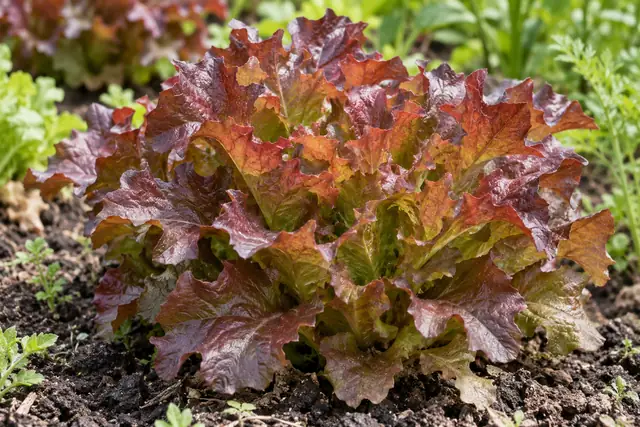
This image was created with AI from described plant characteristics and growing advice. It shows a possible situation and is not a photograph of a verified cultivar.
Red Salad
Red Salad staat als afzonderlijke productbenaming op Feggies. De bron beschrijft roodachtig eikenblad, maar bevestigt geen synonymie met Red Salad Bowl.
Kies deze benaming als je juist dit product wilt volgen. Een vergelijkbare naam of bladkleur is onvoldoende om beide identiteiten samen te voegen.
Flavour, kitchen and growing
How does it taste?
De productbron noemt mild, mals blad. Dat is een beschrijving van dit aanbod, geen bewezen smaakverschil met Red Salad Bowl.
This flavour description applies to the crop; there is no separate tasting result for this variety.In the kitchen
Gebruik de jonge bladeren als rood accent tussen groene saladebladeren. Een kleine herhaalde pluk past bij dagelijkse porties.
A space in the garden
Zaai rechtstreeks of gebruik een afwaterende bak en houd de grond vochtig. Geef de losse rozet ruimte voor vervolgblad.
Harvesting
Pluk buitenbladeren en behoud het hart. Laat de plant opnieuw bruikbaar blad vormen voordat je een volgende grote portie neemt.
Read the source notes →Choose your way to grow
From a garden bed to a suitable pot or support: give your plant a place that suits your garden and the care you can provide.
This image was created with AI from described plant characteristics and growing advice. It shows a possible situation and is not a photograph of a verified cultivar.
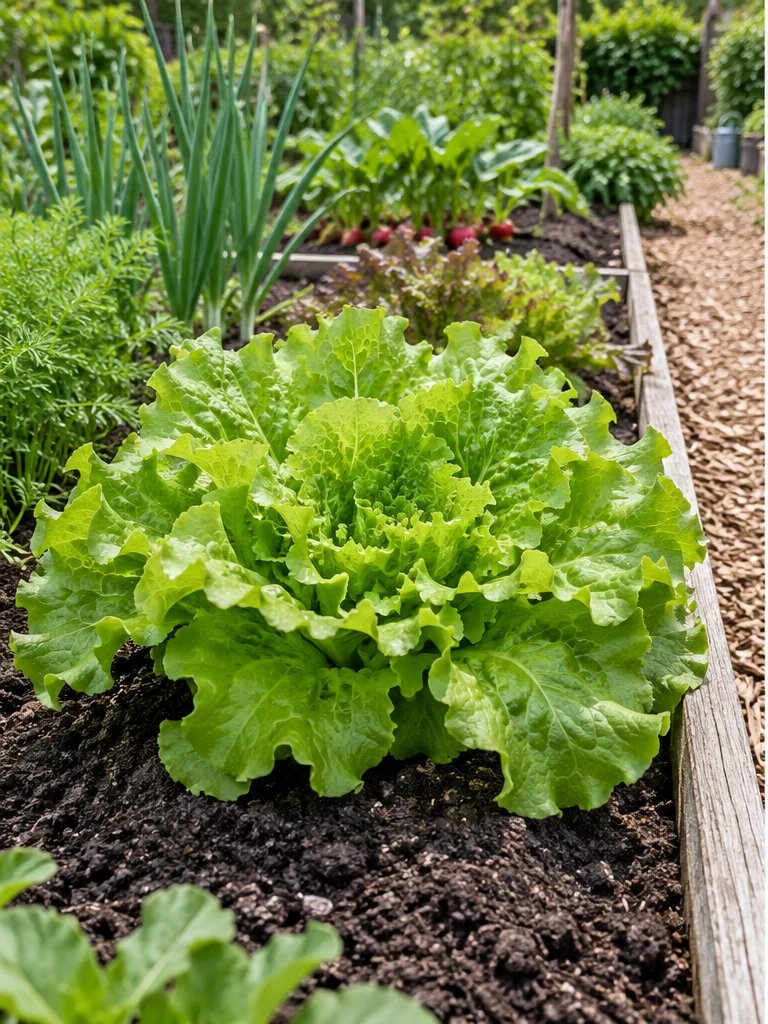
Short rows in a garden bed
Met een kleine rij sla maak je de verzorging overzichtelijk. Kies het juiste seizoen, houd het bed vrij van onkruid en volg het blad. Een volgende portie kun je plannen wanneer je ziet hoeveel je werkelijk gebruikt.
- Prepare a fine soil surface and remove weeds.
- Sow or plant at the spacing for the chosen type.
- Keep the germination and root zones moist and harvest according to leaf quality.
For anyone with a small bed or a space available after another harvest.
Tick off your supplies →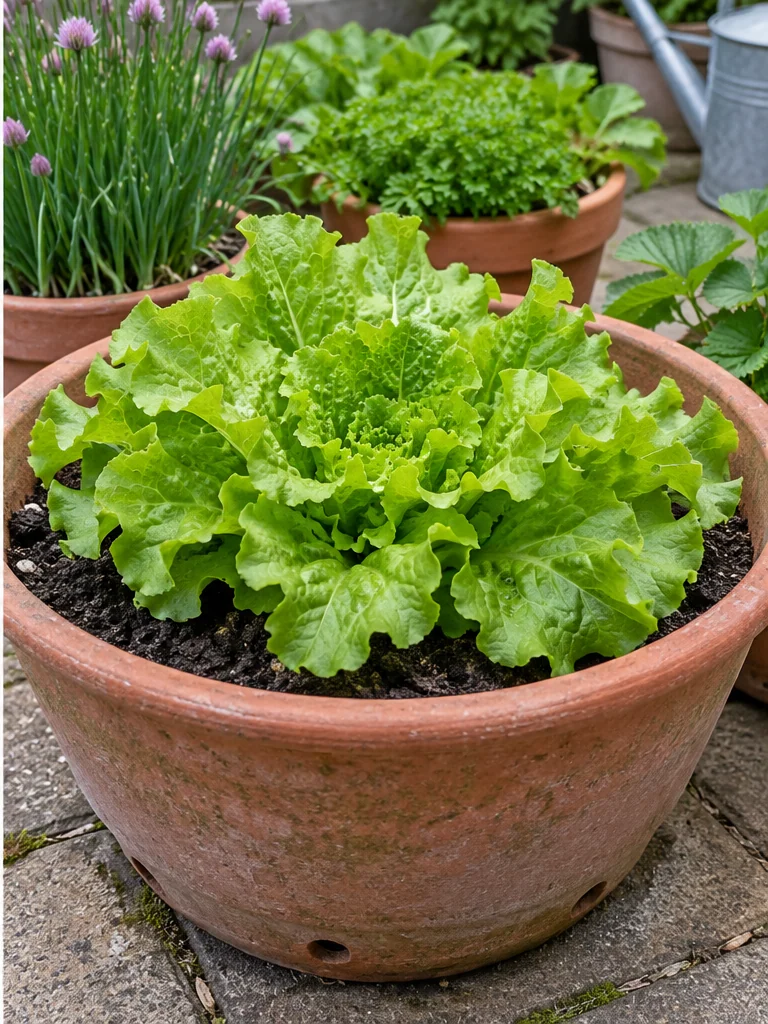
This image was created with AI from described plant characteristics and growing advice. It shows a possible situation and is not a photograph of a verified cultivar.
Een kleine saladebak bij de deur
Losse bladsla is prettig in een brede pot. Je kunt alleen oogsten wat je nodig hebt en ziet makkelijk wanneer een volgende zaai nodig is. Houd genoeg ruimte voor licht en lucht tussen de rozetten.
- Kies losse bladsla of een bevestigd compact kropje.
- Gebruik een pot met afwatering en geschikte potgrond.
- Oogst buitenblad of hele kroppen volgens het gekozen type.
For limited space or a smaller, more accessible leaf crop.
Tick off your supplies →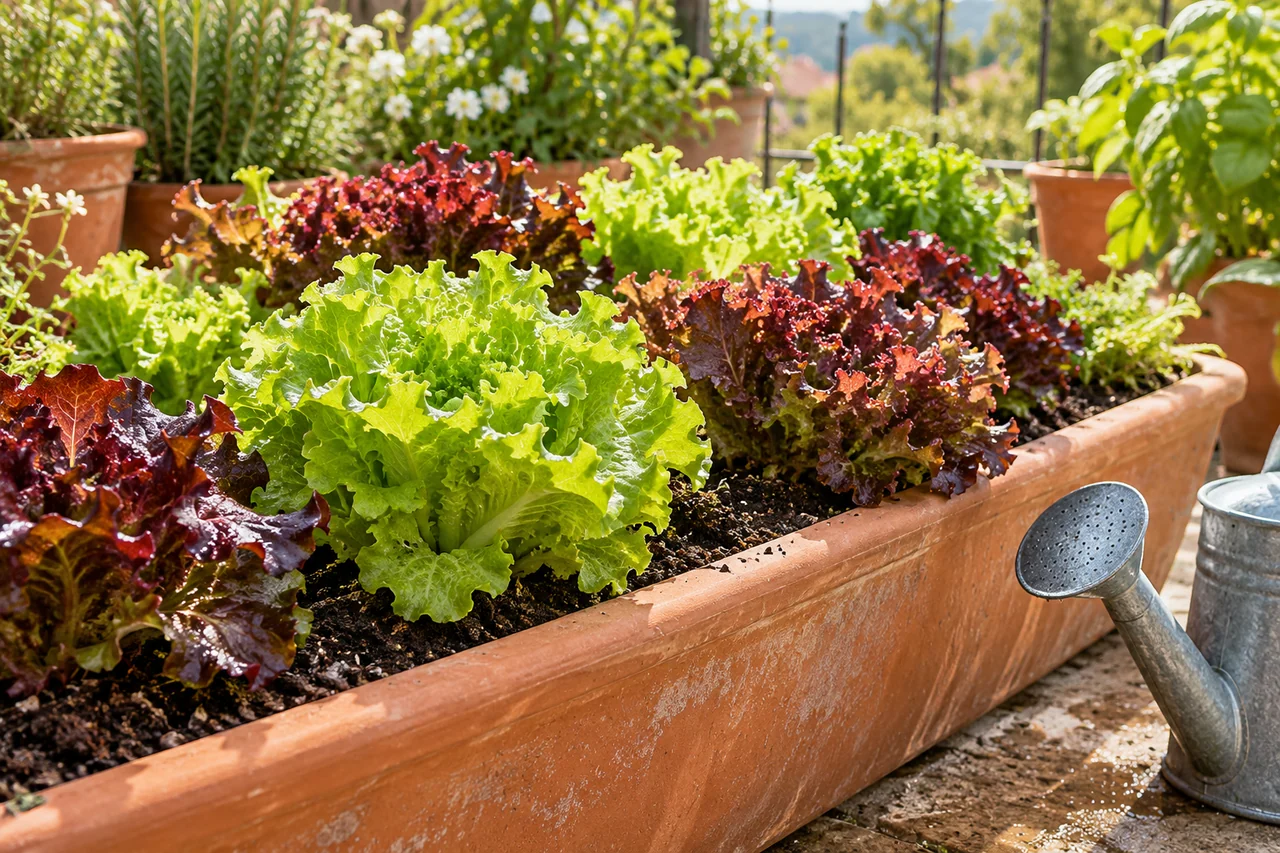
This image was created with AI from described plant characteristics and growing advice. It shows a possible situation and is not a photograph of a verified cultivar.
Even a patio planter can be a picking garden
Use a roomy container with drainage holes and keep the potting compost evenly moist. Give the plants space and gradually pick the outer leaves.
View your supplies →Explore the varieties
See the confirmed differences. Characteristics without supporting evidence are left blank.
12 of 12 varieties
This image was created with AI from described plant characteristics and growing advice. It shows a possible situation and is not a photograph of a verified cultivar.
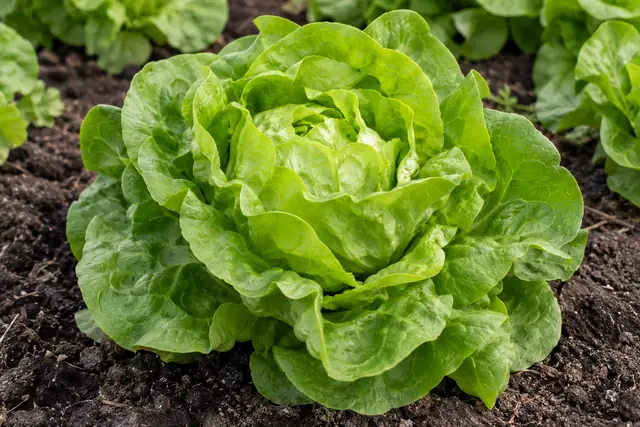
Analena
Explore this variety and use the growing guide to choose a place for your plant.
View variety →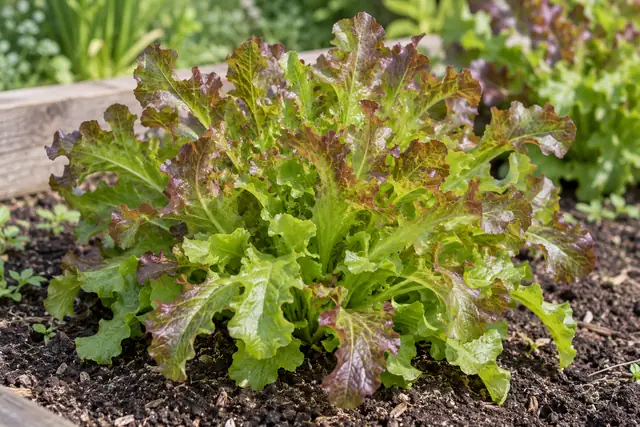
This image was created with AI from described plant characteristics and growing advice. It shows a possible situation and is not a photograph of a verified cultivar.
Cocarde
Explore this variety and use the growing guide to choose a place for your plant.
View variety →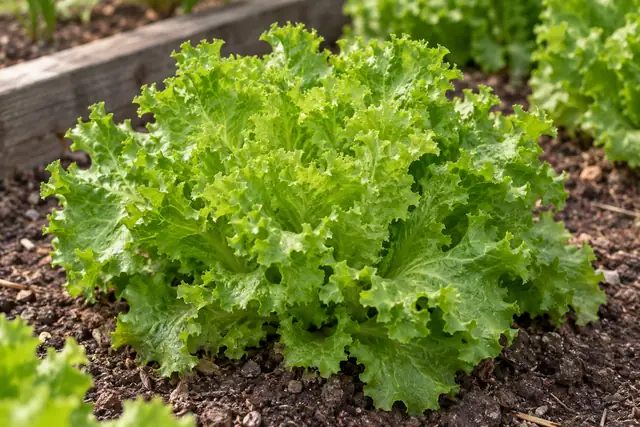
This image was created with AI from described plant characteristics and growing advice. It shows a possible situation and is not a photograph of a verified cultivar.
Frillice
Explore this variety and use the growing guide to choose a place for your plant.
View variety →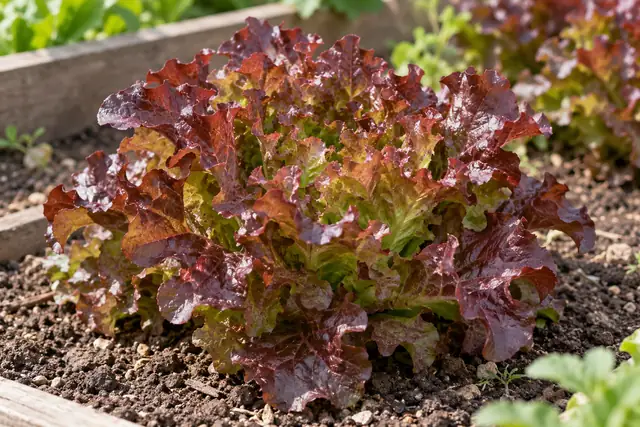
This image was created with AI from described plant characteristics and growing advice. It shows a possible situation and is not a photograph of a verified cultivar.
Grenadine
Explore this variety and use the growing guide to choose a place for your plant.
View variety →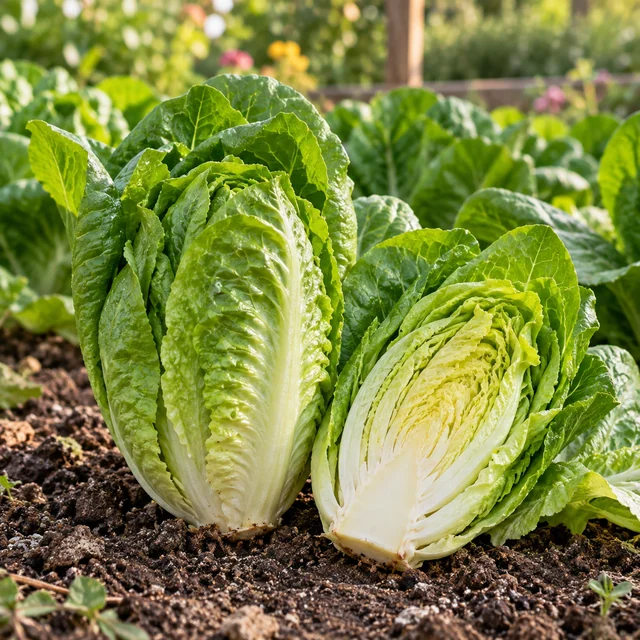
This image was created with AI from described plant characteristics and growing advice. It shows a possible situation and is not a photograph of a verified cultivar.
Little Gem
- Structuur
- Knapperig hartVerenigd Koninkrijk
- Flavour
- Zoet hartVerenigd Koninkrijk
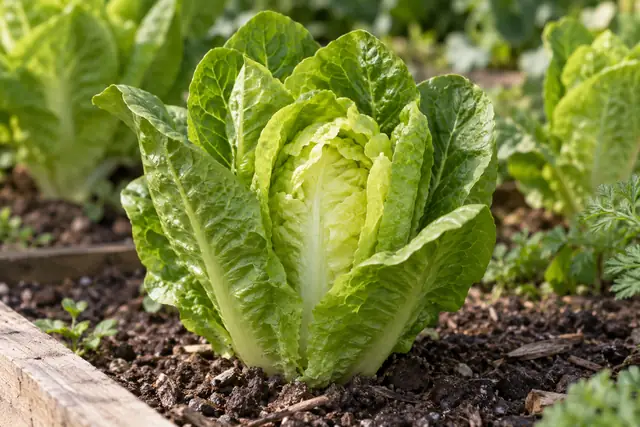
This image was created with AI from described plant characteristics and growing advice. It shows a possible situation and is not a photograph of a verified cultivar.
Maureen
Explore this variety and use the growing guide to choose a place for your plant.
View variety →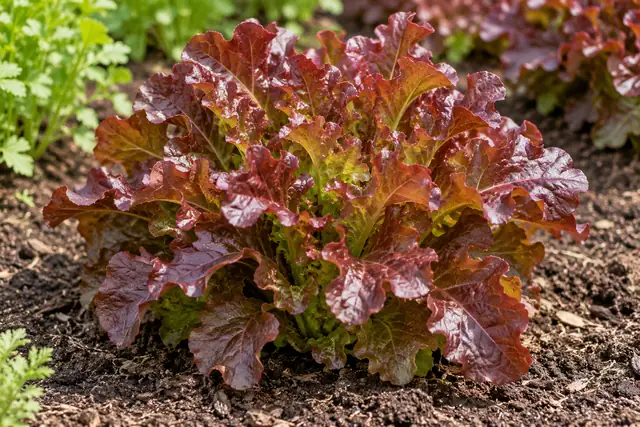
This image was created with AI from described plant characteristics and growing advice. It shows a possible situation and is not a photograph of a verified cultivar.
Navara
Explore this variety and use the growing guide to choose a place for your plant.
View variety →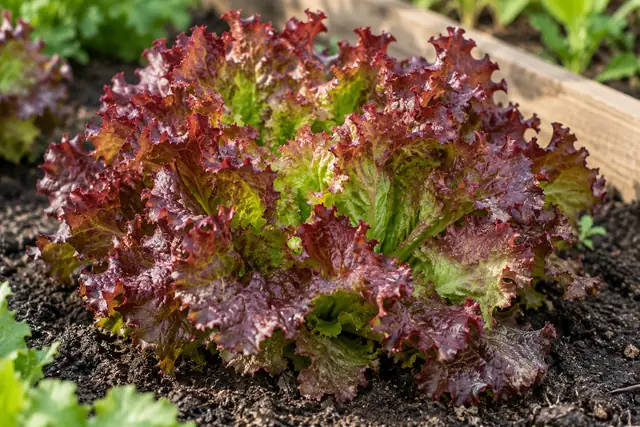
This image was created with AI from described plant characteristics and growing advice. It shows a possible situation and is not a photograph of a verified cultivar.
New Red Fire
Explore this variety and use the growing guide to choose a place for your plant.
View variety →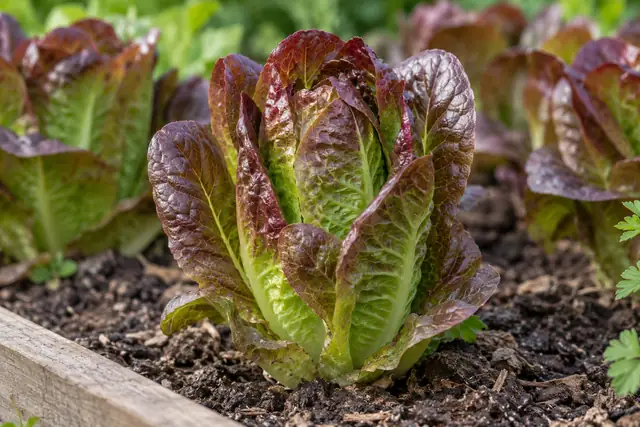
This image was created with AI from described plant characteristics and growing advice. It shows a possible situation and is not a photograph of a verified cultivar.
Pigale
Explore this variety and use the growing guide to choose a place for your plant.
View variety →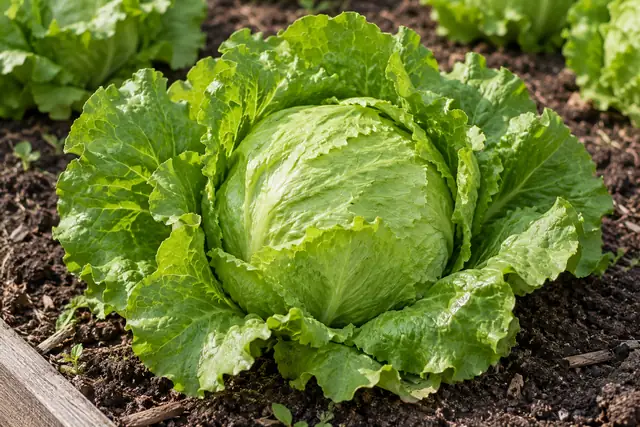
This image was created with AI from described plant characteristics and growing advice. It shows a possible situation and is not a photograph of a verified cultivar.
Robinson
Explore this variety and use the growing guide to choose a place for your plant.
View variety →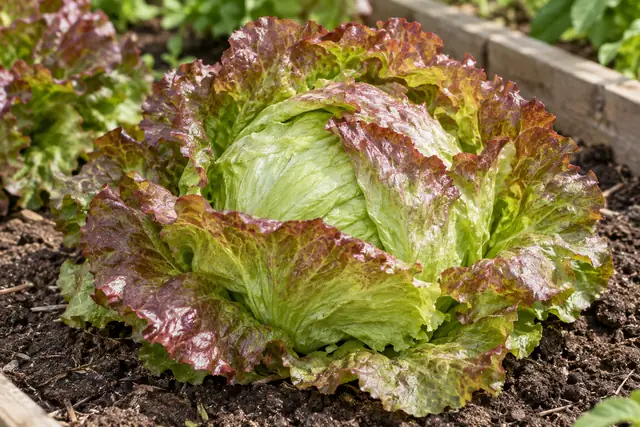
This image was created with AI from described plant characteristics and growing advice. It shows a possible situation and is not a photograph of a verified cultivar.
Sioux
Explore this variety and use the growing guide to choose a place for your plant.
View variety →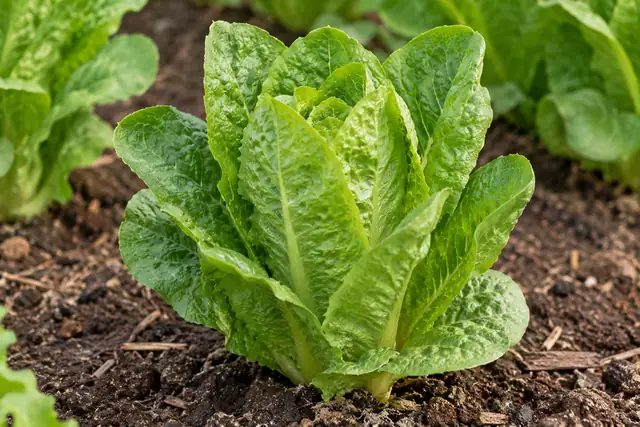
This image was created with AI from described plant characteristics and growing advice. It shows a possible situation and is not a photograph of a verified cultivar.
Tantan
Explore this variety and use the growing guide to choose a place for your plant.
View variety →Choose two to four varieties to compare their source data side by side.
Choose by flavour, shape and use
Chou de Naples: Chou de Naples is a Batavia lettuce with lightly curled leaves and a firm, not fully closed heart. Its name does not make it a cabbage crop. Use the crisp leaves on bread or in a substantial main-meal salad. Outer leaves and a whole heart provide different portion sizes.
The product source describes a fresh, mild flavour. The crisp leaf texture also contributes to the eating experience.
Soissons: Soissons is a French Batavia lettuce with large, firm green hearts. The lightly curled leaves fill a generous bowl. Use the leaves in a summer salad or as a crisp layer on bread. A whole heart can be divided between several preparations.
The source describes the flavour as fresh and mild, with crisp leaves that are more tender than typical iceberg lettuce.
Queue de Truite: Queue de Truite has green leaves with red speckles and forms a small cos lettuce. It is a Lactuca lettuce, despite the retail alias 'Witloof panaché'. Use small leaves whole or cut a heart into strips. The speckles remain most recognisable when served fresh.
The source describes crisp leaves but no distinct aroma profile. The name does not justify a chicory or witloof flavour.
Speckled Amish: Speckled Amish is a traditional butterhead lettuce with light green leaves and reddish-brown speckles. The heart stays loose and the leaves are tender. Use the tender leaves in larger pieces and add dressing only shortly before eating. This keeps the speckled pattern visible.
The source does not confirm a distinct aroma. 'Mild appearance' describes the look and is not used as evidence of flavour.
Choose the type to suit your harvest
Hearting, cos and loose-leaf lettuces are harvested differently. A closed heart needs more time and space than young picked leaves. Choose a type that suits your cooking routine and look for a cultivar intended for cool growing for autumn.
A small, sound start
Sow small batches in clean compost and give emerging seedlings light. Lettuce germinates less well in great heat; choose a cooler sowing position then. Hearting lettuce can be started in modules, while a thinly sown leafy edging is manageable directly in the bed.
Light and soil that can drain
Choose a bright spot and prepare a fine enough surface for the small seeds or young rootballs. Water must be able to drain away after rain. In a pot, check that the drainage holes are clear; a layer of wet soil does not help produce a healthy leaf harvest.
Care for the young leaves
Thin young plants in good time or plant individual rootballs at the cultivar's spacing. A lettuce does not form a good heart if its leaves compete with too many neighbours. Keep the soil moist and remove weeds that shade small lettuce seedlings.
Harvest for quality
Cut a filled-out heart all at once or pick young outer leaves from loose-leaf lettuce. Leave the growing centre if you want to continue harvesting. Assess the leaves, not just a planned date: warmth can change the harvest more quickly.
Recognise what the leaves tell you
Slugs can eat almost all of the first young plants. Look for feeding damage and hiding places early. A central stem rising quickly indicates bolting; the leaves may become more bitter. Sow another small batch in a more suitable position or a better season.
Fresh leaves start with a small picking
Harvest at a cool time and keep the leaves cool after picking. Wash them before use and remove damaged parts. A small fresh portion wastes less than harvesting a whole container when you only need a handful.
Make room for the next round
Record sowing and the first harvest so you can compare what works in your space next season. Do not leave an empty row unplanned for long. A new batch within a suitable window gives a better spread than hoping overmature leaves will become young again.
What you need
Tick what you already have. The extras depend on how you grow.
0 of 5 ticked off
Your ticks are saved in this browser.
Discover and grow more
More background, sources and image information
SeedSteps editorial team · updated on 11 October 2026. The AI images illustrate species and practical growing situations; they do not prove an exact cultivar, observations from your own garden or yield.
Britse gewasadviezen worden gecombineerd met Nederlandse en Vlaamse informatie waar beschikbaar. Amerikaanse Extension-bronnen ondersteunen plantprincipes en herkenning; hun kalenderdata, lokale plaagdruk, bestrijdingsmiddelen en mestdoseringen worden niet rechtstreeks op Nederland of Vlaanderen toegepast. Vorst, bodemwarmte, standplaats en expliciete rasinformatie blijven de lokale controle. Commerciële bronnen onderbouwen uitsluitend benoemde ras- en plantkenmerken; zij zijn geen affiliate-aanbeveling.
- World Checklist of Vascular Plants — 4 juni 2026Royal Botanic Gardens, Kew · accessed 2026-10-07
- Asiasla mesclun zaden biologischFeggies · accessed 2026-10-11
- Batavia sla Chou de NaplesFeggies · accessed 2026-10-11
- Batavia Zomersla SoissonsFeggies · accessed 2026-10-11
- Bindsla Queue de Truite (Witloof panaché) zaden biologischFeggies · accessed 2026-10-11
- Bindsla winter rood zaden biologischFeggies · accessed 2026-10-11
- Botersla ‘Speckled Amish’ (Lactuca sativa) – biologische zadenFeggies · accessed 2026-10-11
- Organic Pluksla Red Salad Bowl zadenFeggies · accessed 2026-10-11
- Organic Pluksla Salad Bowl, groen zadenFeggies · accessed 2026-10-11
- Duivelstong Romaine slaFeggies · accessed 2026-10-11
- Ijsbergsla 'Grazer Krauthäuptel' zaden biologischFeggies · accessed 2026-10-11
- Kropsla (lente-) Gotte d'Or zaden biologischFeggies · accessed 2026-10-11
- Kropsla (zomer-) Grosse Blonde Paresseuse zaden biologischFeggies · accessed 2026-10-11
- Mesclun aziatische mix – biologische slazaden (doorplukker)Feggies · accessed 2026-10-11
- Pluksla red salad – biologische slazaden (doorplukker)Feggies · accessed 2026-10-11
- Romaanse sla 'Red Cos' zaden BiologischFeggies · accessed 2026-10-11
- Snijsla Biscia RossaFeggies · accessed 2026-10-11
- Snijsla Geel Eikenblad zadenFeggies · accessed 2026-10-11
- Snijsla gemengd zadenFeggies · accessed 2026-10-11
- Snijsla Lollo Rossa zadenFeggies · accessed 2026-10-11
- Snijsla Radichetta zaden biologischFeggies · accessed 2026-10-11
- Snijsla Red VelvetFeggies · accessed 2026-10-11
- Wintersalade Rode Boterkop (Maribor) biologische zadenFeggies · accessed 2026-10-11
- RHS — sla kwekenRoyal Horticultural Society · accessed 2026-10-10
- USU Extension — sla in de tuinUtah State University Extension · accessed 2026-10-10
Supporting evidence by chapter: Choose by flavour, shape and use: Feggies, Feggies, Feggies, Feggies. Choose the type to suit your harvest: Royal Horticultural Society, Utah State University Extension. A small, sound start: Royal Horticultural Society, Utah State University Extension. Light and soil that can drain: Royal Horticultural Society, Utah State University Extension. Care for the young leaves: Royal Horticultural Society, Utah State University Extension. Harvest for quality: Royal Horticultural Society, Utah State University Extension. Recognise what the leaves tell you: Royal Horticultural Society, Utah State University Extension. Fresh leaves start with a small picking: Royal Horticultural Society, Utah State University Extension. Make room for the next round: Royal Horticultural Society, Utah State University Extension.