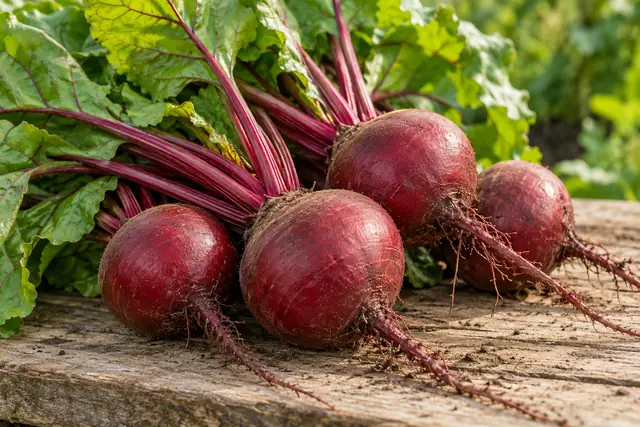
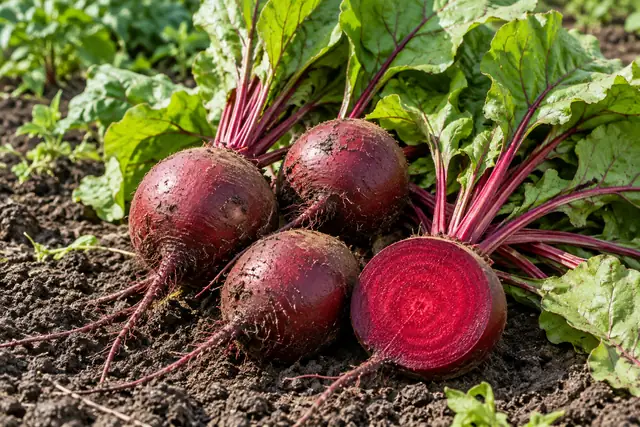
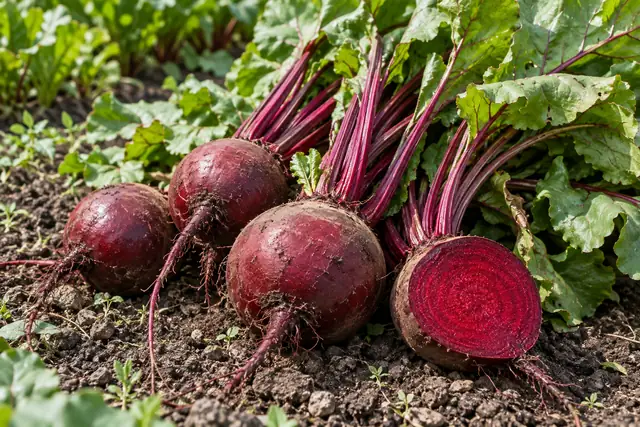
Choose by flavour, shape and use
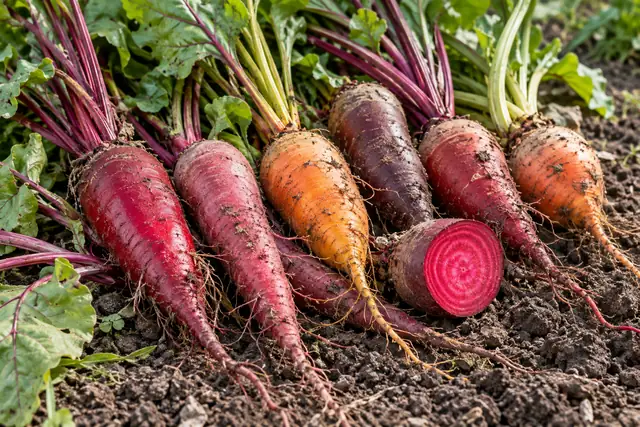
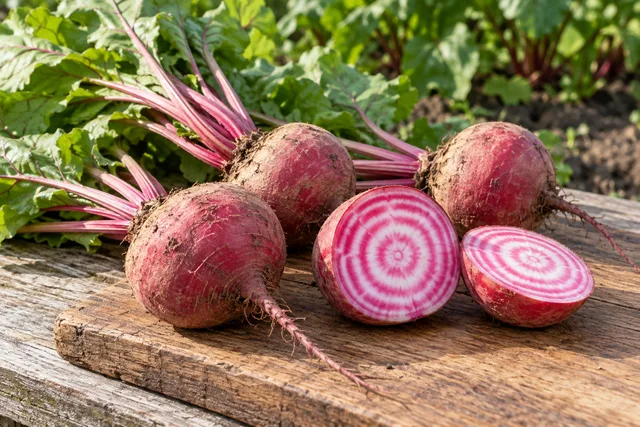
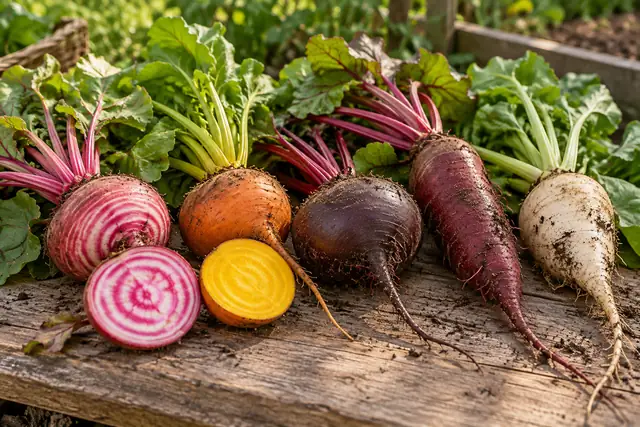
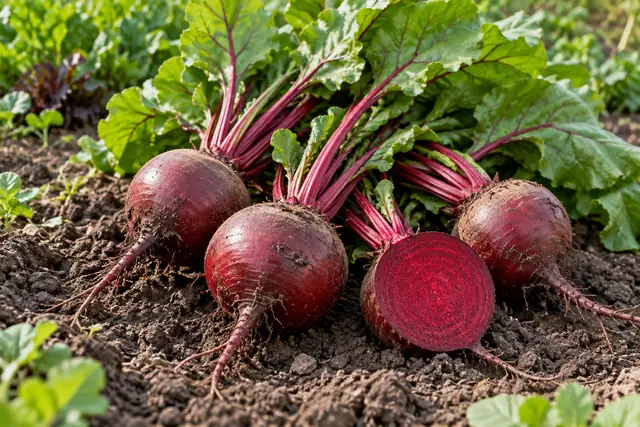
3 Root Grex: Genetically diverse beetroot population with varying colours and shapes. Roast a few roots separately and taste them side by side. For raw salads, cut thin slices so that differences in colour and interior remain visible.
The beetroot have the earthy, slightly sweet character of the crop and may differ from one another. This population specifically promises variation, so a single flavour description cannot cover every root.
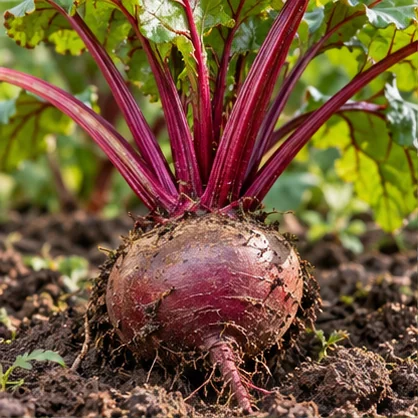
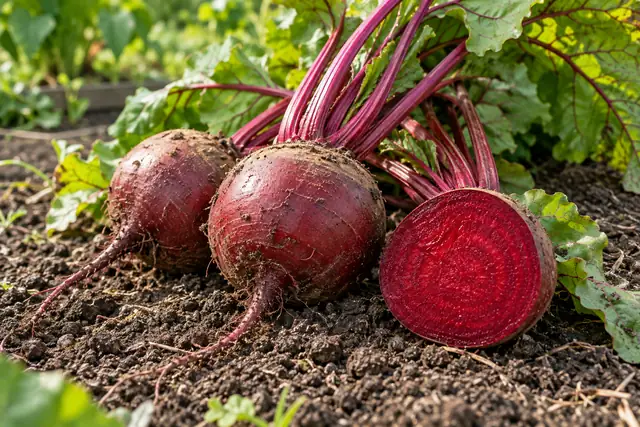
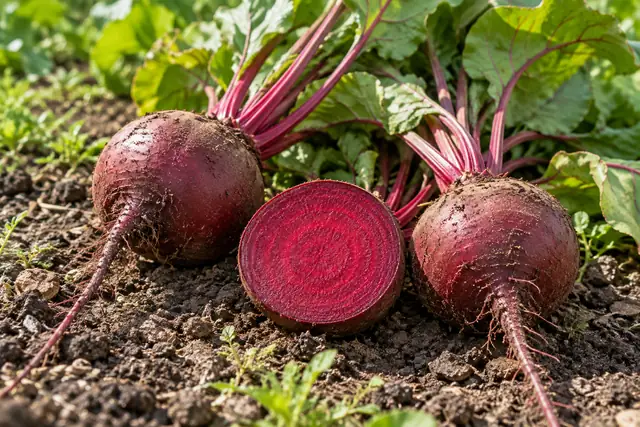
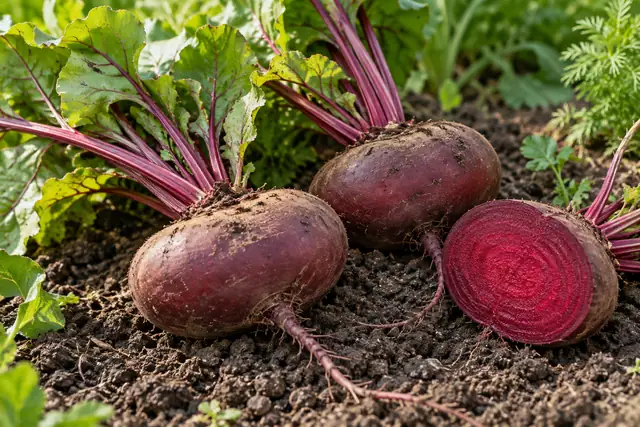
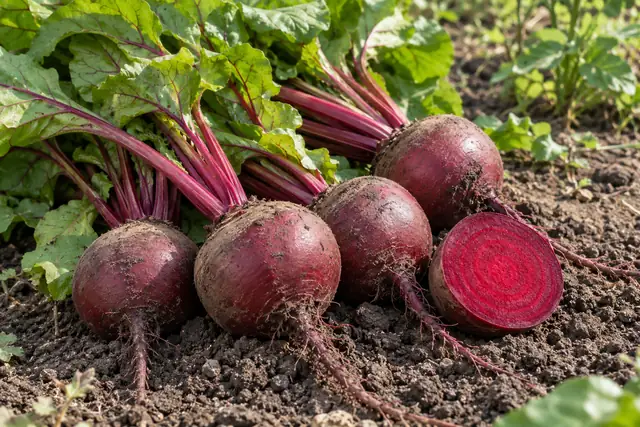
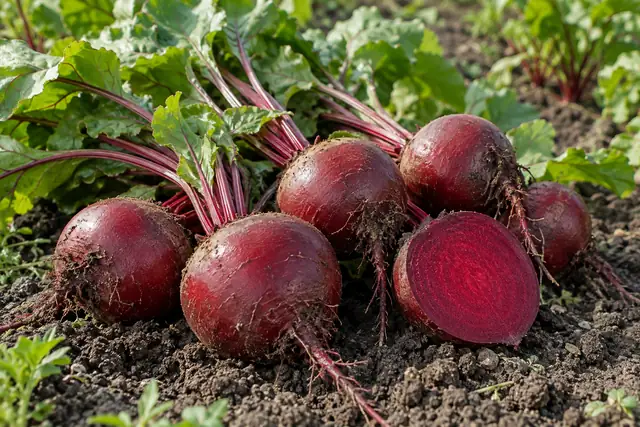
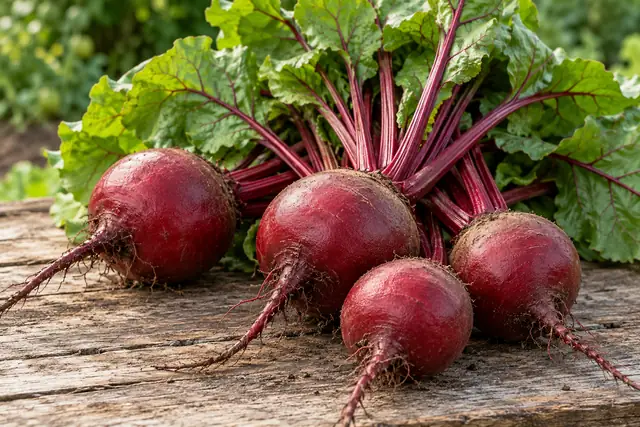
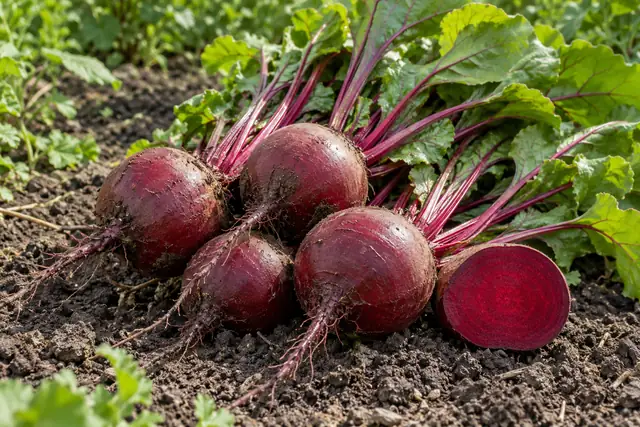
Kogel Detroit 2: Round red beetroot for a manageable summer crop. Roast round beetroots whole or cut even wedges for the oven. Once cool, mix cubes into a salad with apple and something refreshingly acidic.
The flavour is the familiar sweetish, earthy beetroot character. The round shape is the concrete cultivar difference here; extra sweetness compared with other round types has not been established.
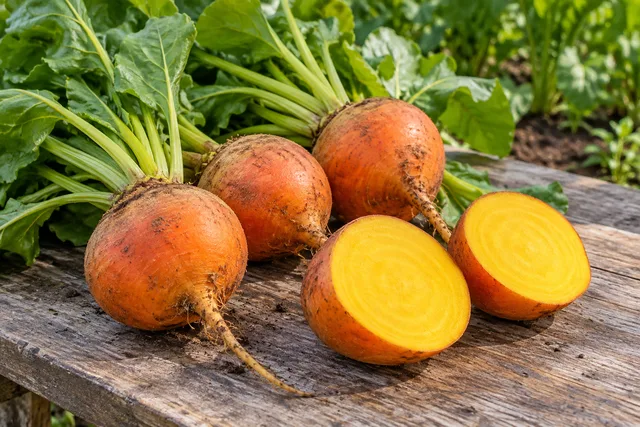
Boldor: Orange exterior with a bright yellow interior. Grate young beetroot for a yellow raw salad or roast wedges with carrot. Prepare red beetroot separately if you want to keep the yellow colour visible on the plate.
Boldor gives a sweetish beetroot character with a firm texture. Choose it mainly for its yellow interior; a precise flavour ranking against red beetroot is not substantiated.
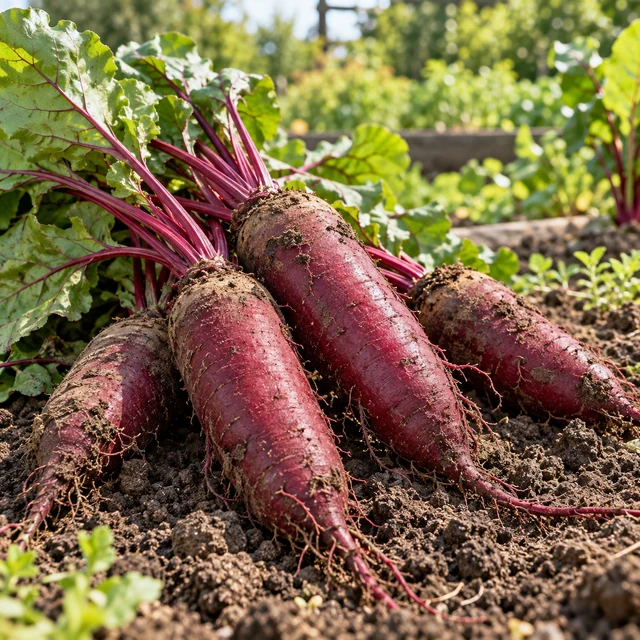
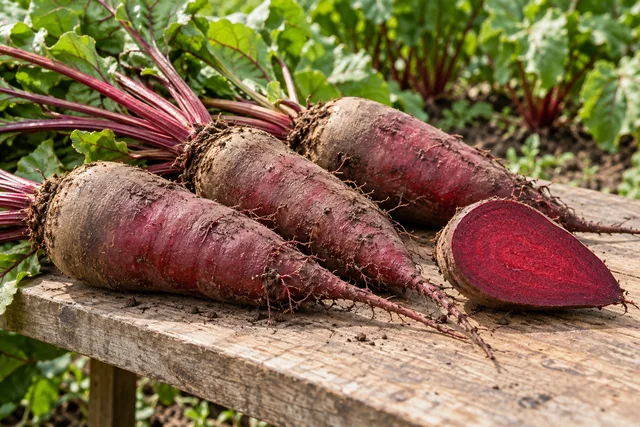
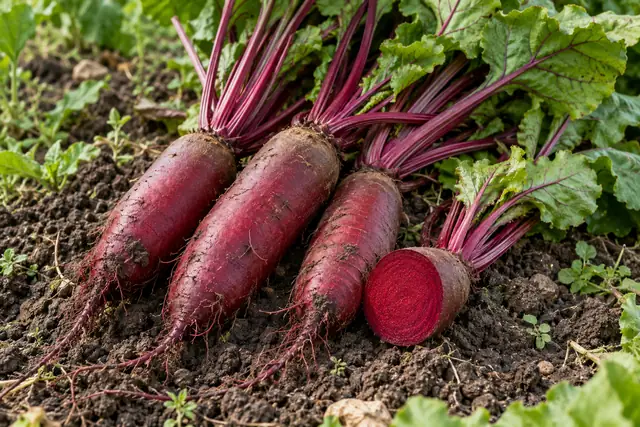
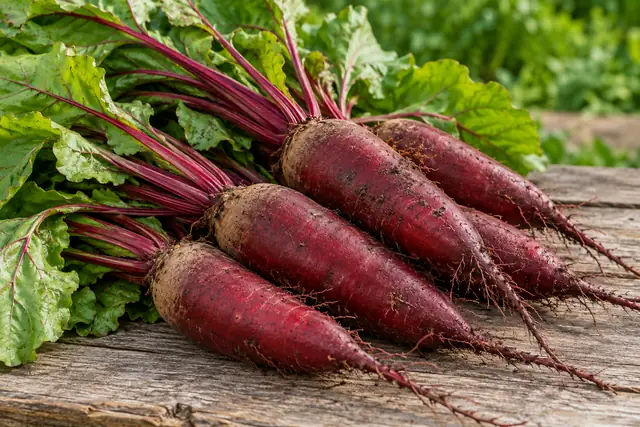
Cylindra: Narrow, half-long beetroot for even round slices. Cook the root whole, then cut into even discs for garnishing or preserving. The long shape produces many slices of roughly the same diameter.
Cylindra has the sweetish, earthy beetroot base with firm flesh suitable for slicing. Its elongated shape gives a different kitchen result from a round beetroot.
Choose the shape of your harvest first
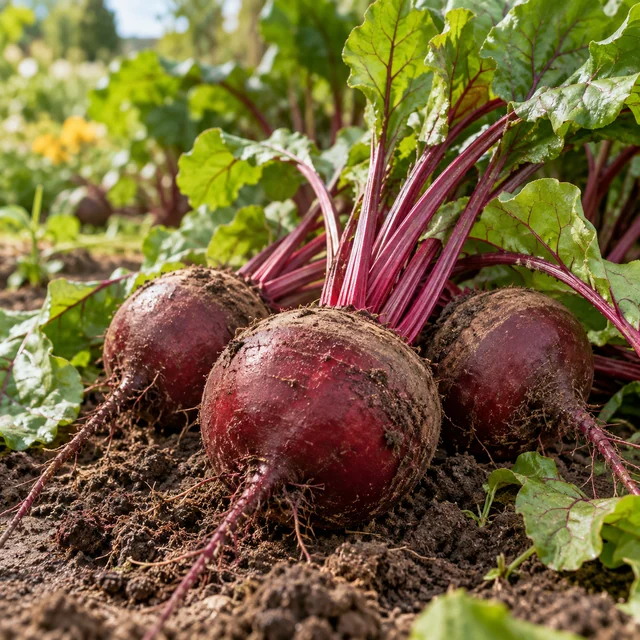
Round beetroot needs different root space from a long cultivar. Colours and markings vary too, but read the cultivar description rather than relying on a picture alone. Do you want plenty of young beetroot or larger roots to store? Start with a short row and record your harvest aim before sowing.
Prepare a fine, accessible seedbed
Beetroot grows well in fertile, well-drained soil. Remove weeds and make the top layer fine enough for even germination. On heavy soil, a hard crust can hinder seedlings. Do not damage wet clay in pursuit of a perfect row; wait until the soil is workable, then prepare the bed steadily.
One seed can produce several seedlings
Much beetroot seed consists of a cluster that produces more than one seedling. Sow thinly and check after germination how many plants are actually growing together. Direct sowing keeps the roots in place; modules also work, provided you transplant the young root ball carefully. Keep the sowing moist without waterlogging it.
Thin for the root size you want
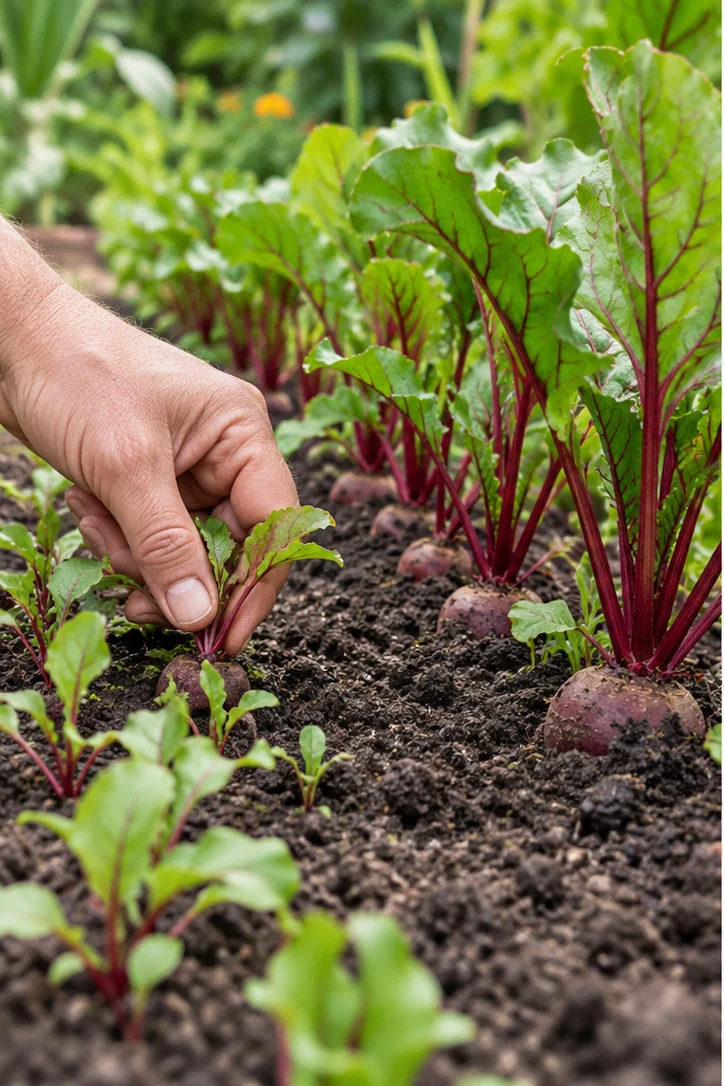
Give the remaining plants the spacing appropriate to the chosen cultivar and harvest aim. Small young beetroot can grow closer together than a row for larger roots. Carefully snip off overcrowded seedlings if pulling would loosen their neighbours. The thinned young leaves can go to the kitchen, but leave enough plants to grow on healthily.
Let the roots swell steadily
Severe drought followed by plenty of water can cause roots to split. In prolonged dry weather, check the soil below the surface. Water where needed and avoid persistently wet soil. Weeds compete particularly with young beetroot; remove them shallowly. A little mulch between established plants can make moisture checks easier.
Pick leaves with the root harvest in mind
Young beetroot leaves are useful, but a plant that needs to form roots also needs leaves to keep growing. Take only a few outer leaves and leave enough healthy foliage. If you mainly want to pick leaves, a separate small patch may be more convenient. Leave the growing point undisturbed at every harvest.
Flowering or split beetroot calls for a look back
A flower stalk means the plant is shifting its development towards seed. Sowing too early, cold and growth stress may play a part; choose a suitable cultivar and time for a new attempt. With splitting, first look at the pattern of drought and watering. One unusual root does not prove a problem with the whole cultivar.
Use young beetroot and select the storage harvest
Harvest at the size you want to eat, without lifting all the roots at once. Loosen the soil carefully and avoid cuts or punctures. For storage, select sound roots and remove the foliage; use damaged ones first. Cool storage protected from drying out helps, but check regularly for soft or rotten patches.