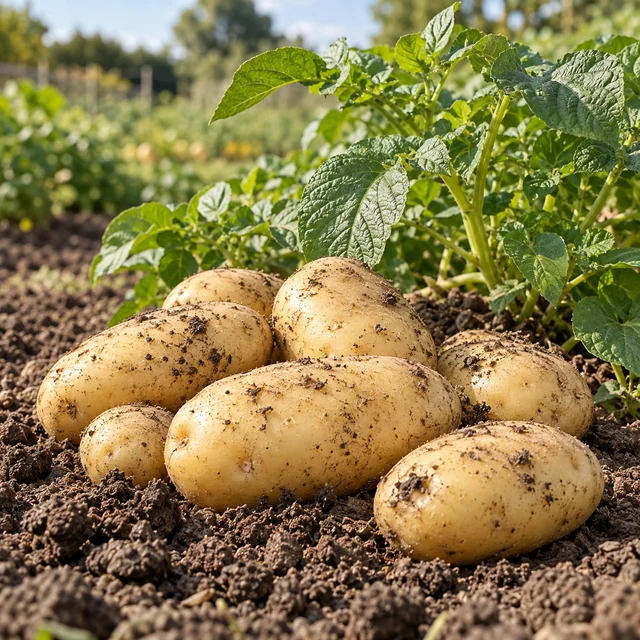
Choose by flavour, shape and use
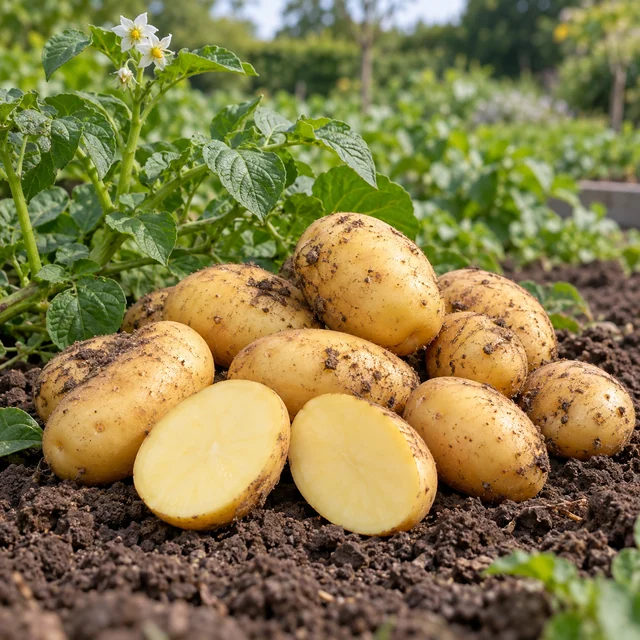
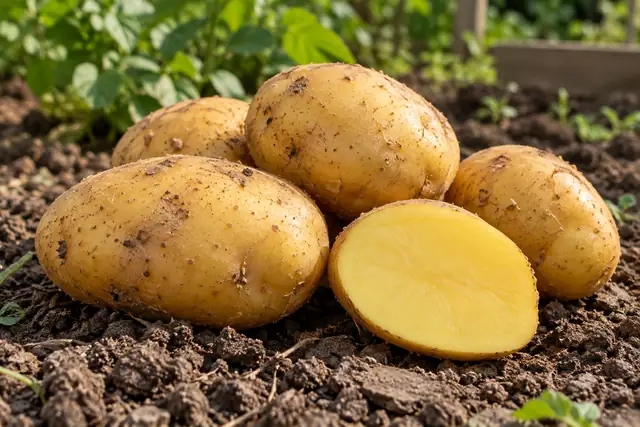
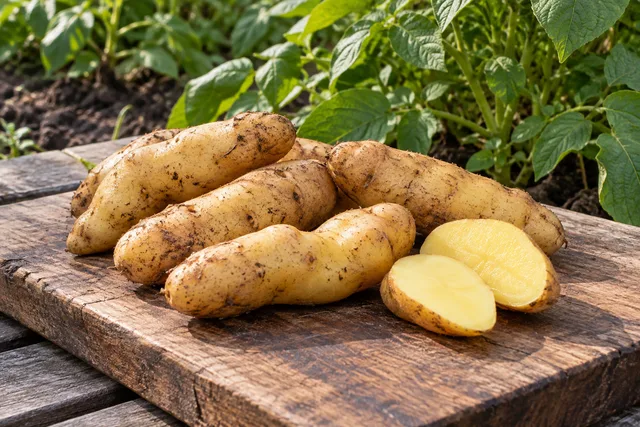
Charlotte: Regular, elongated tubers with firm yellow flesh. Boil small tubers in their skins, let them steam dry and slice for salad. The even shape helps slices cook uniformly in a gratin.
Charlotte's waxy character is the main reason to choose it: it keeps a pleasantly firm bite. The potato flavour comes through well in a simple preparation with a little butter.
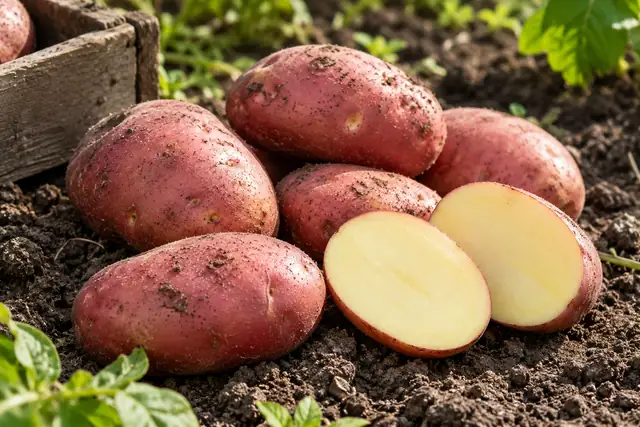
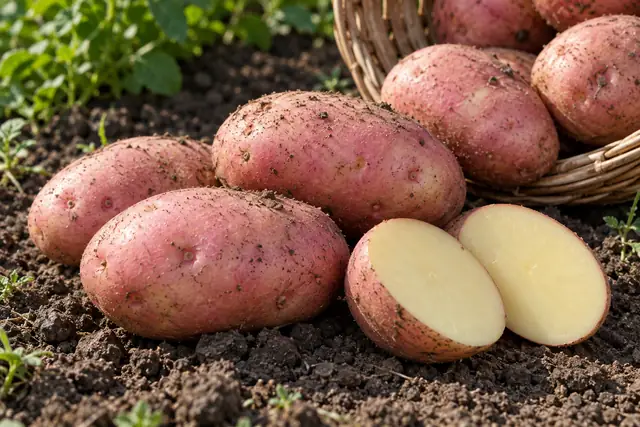
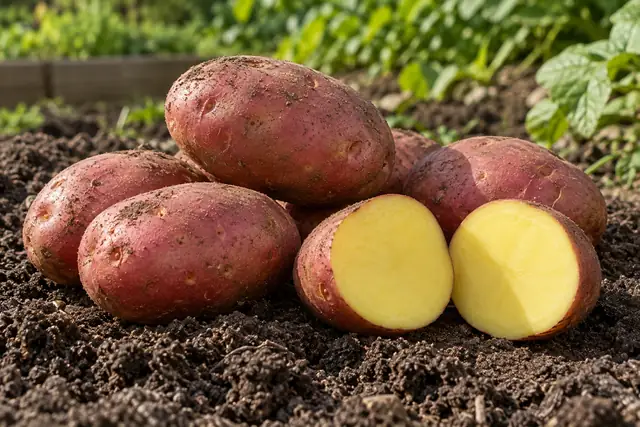
Cherie: An early potato with red skin and firm flesh. Wash first-early tubers carefully and boil or steam them in their skins. Leave the red skin visible in a warm potato salad with dill and a light dressing.
Cherie combines potato flavour with a firm texture after cooking. The red exterior is mainly a visible difference and does not prove extra sweetness.
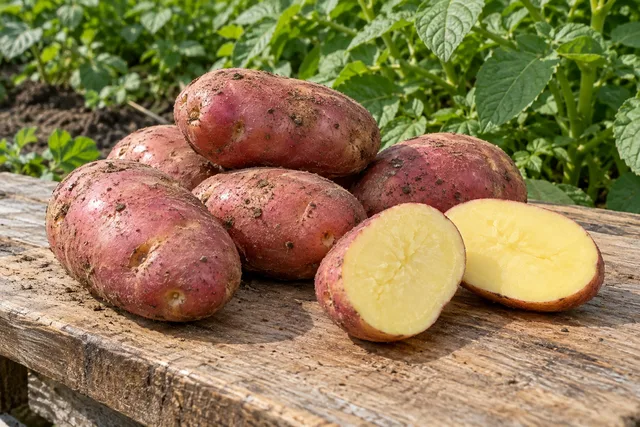
Désirée: Red skin, yellow flesh and a more floury result when cooked. Make mash or roast pieces in the oven with a little oil. Let boiled tubers steam dry thoroughly before mashing so the mash is less watery.
Désirée stands out for its floury texture. Cooked tubers break up more readily than a firm salad potato, making a light mash work well.
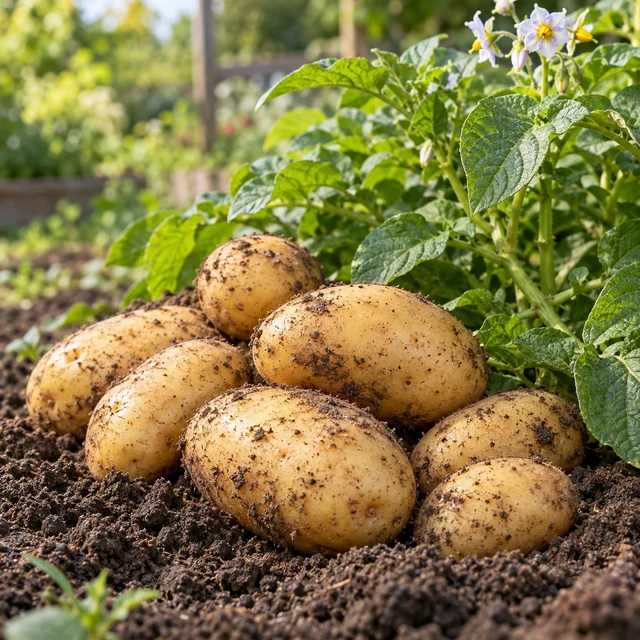
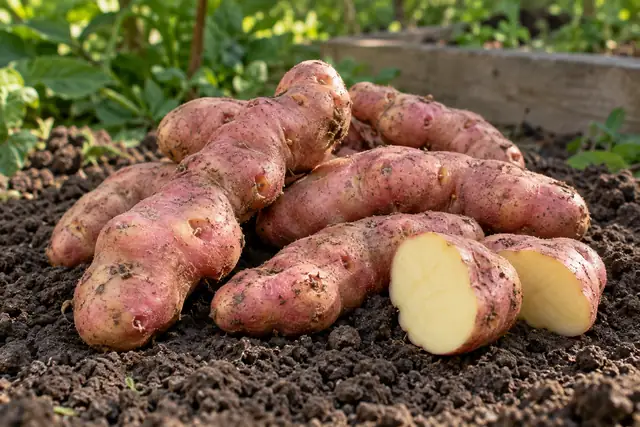
Etincelle: A mid-early cultivar with regular tubers and thin skin. Try the harvest as chips or mash. Prepare a small portion first to see how tubers from your garden behave when boiled and fried.
Etincelle has creamy flesh, with a softer mouthfeel than a distinctly waxy potato. No separate nutty or extra-sweet flavour is substantiated.
Choose early potatoes or storage
An early cultivar gives young tubers while summer is still in full swing. A maincrop cultivar occupies the bed longer and may provide a storage harvest after full maturity. Consider cooking properties: waxy, floury or suitable for frying. One clearly identified cultivar per row keeps the later harvest recognisable.
Start with healthy tubers
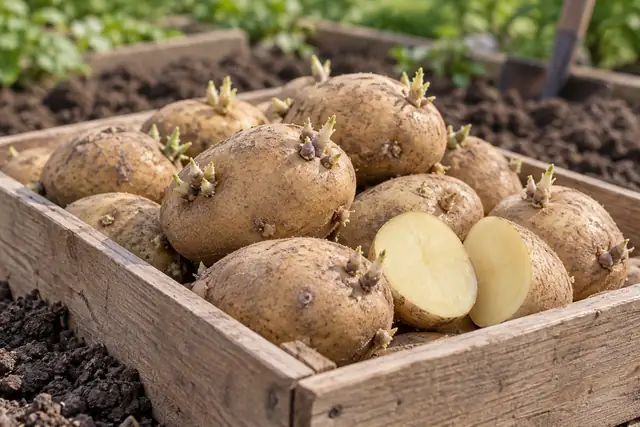
Use clearly identified, certified seed potatoes. Eating potatoes may be treated to inhibit sprouting and are not a reliable alternative. For early cultivars, you can encourage short, sturdy shoots in a light, cool, frost-free place. Long white shoots from a dark cupboard break easily; handle seed potatoes carefully.
Find a sunny, accessible bed
Potatoes need light and soil that drains excess water. Remove persistent weeds before planting and improve poor soil with mature compost. Leave room between rows for earthing up and harvesting. Grow potatoes in a different position each year to give soil problems less opportunity.
Plant when the soil is suitable
Spring is the usual planting window, but cold, wet soil is a reason to wait. Plant seed tubers with the shoots pointing upwards; follow the spacing for your cultivar. Protect emerging foliage when frost is forecast. A sunny afternoon tells you little about the temperature of the coming night.
Keep tubers out of the light
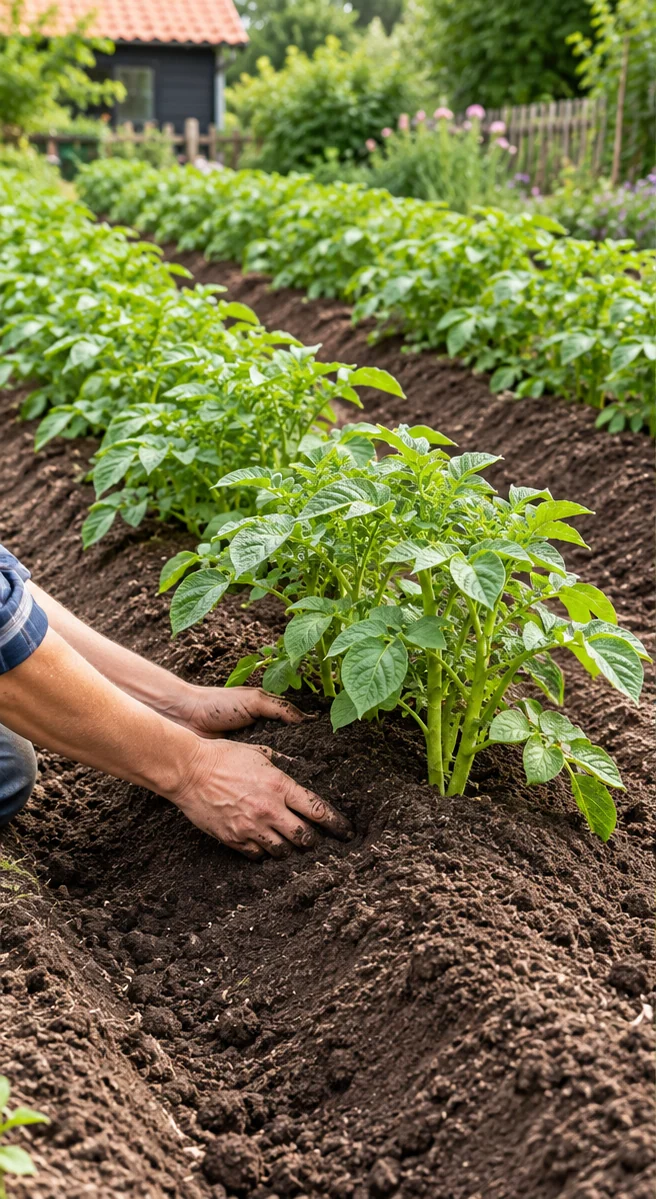
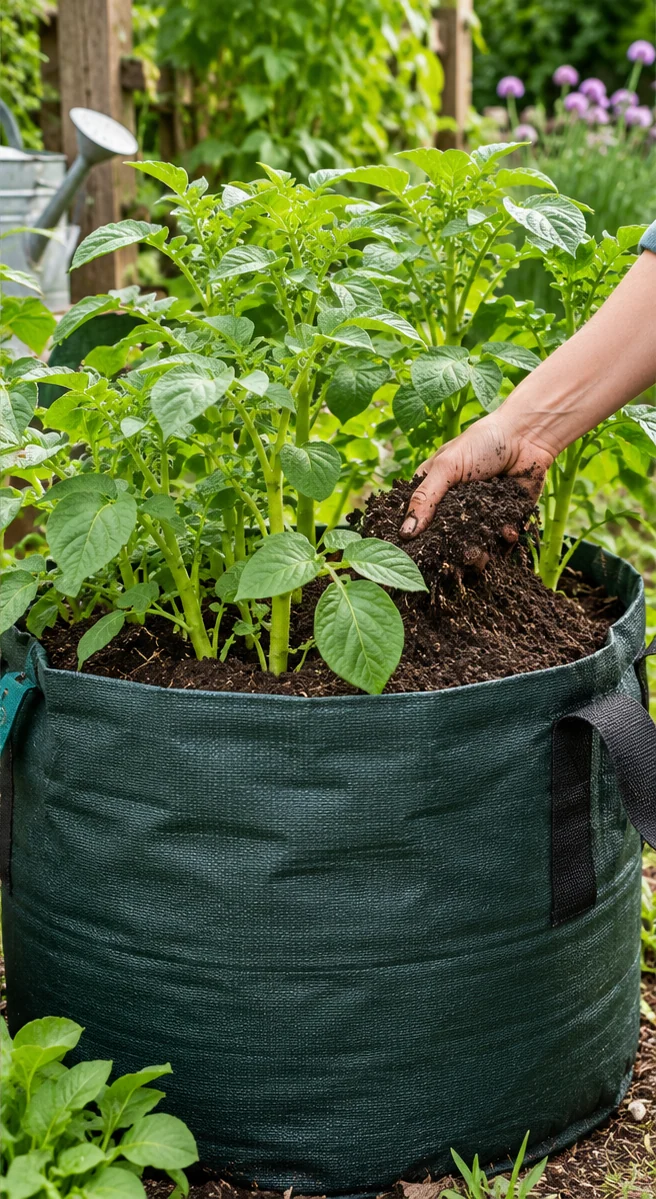
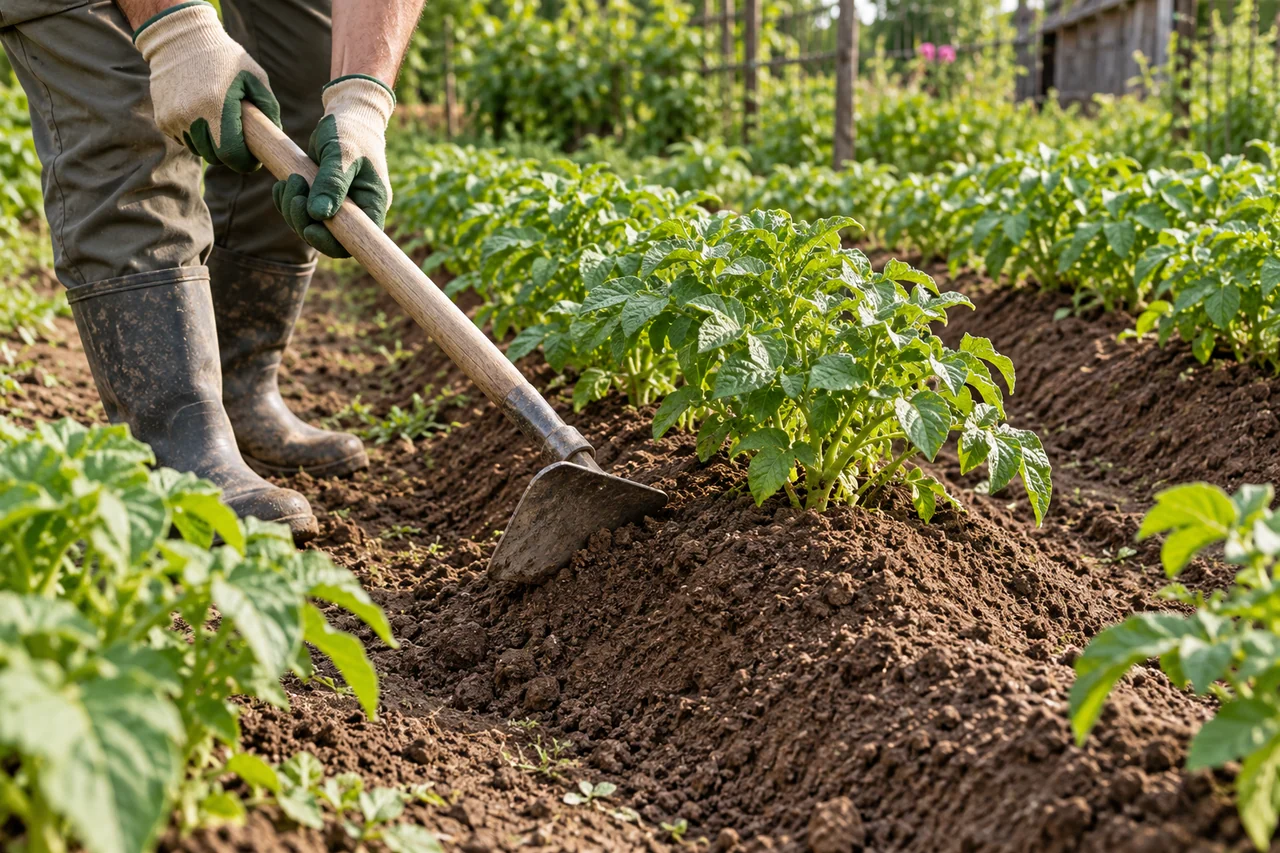
During growth, draw loose soil around the stems without damaging young foliage. In a container, gradually add potting compost. Check the ridge after heavy rain: exposed potatoes turn green. Do not eat green tubers. The bed does not need perfectly straight lines, but it does need sufficient cover.
Pay particular attention during tuber formation
In dry weather, feel below the top layer and water when the root zone dries out. A pot can stay dry in rain because the leaves cover its opening. Use feed in containers according to the product label. Extra fertiliser is not automatically needed in rich open ground; plentiful foliage does not guarantee plentiful tubers.
Spots on foliage: look straight away
Rapidly spreading brown patches in humid weather may fit potato blight. Check stems and neighbouring plants too and consult a specific disease guide. Diseased foliage requires a different approach from normal yellowing at the end of growing. Do not store affected tubers with healthy ones or use them as seed potatoes.
Lift carefully and sort straight away
For early potatoes, check a plant or a few tubers first; flowers alone do not reliably measure yield. Let storage varieties mature. Insert a fork well beside the plant and continue searching by hand. Store only sound, dry tubers in a cool, dark, frost-free place; use young or damaged potatoes first.