
Growing cucumbers: on a frame, in a greenhouse or along the ground
An upward-growing vine makes the harvest visible; an outdoor cucumber can also trail over the bed. Choose the variety first and build the growing space around it. A close-up of a loose tie shows how to support the tender stem without pinching it.
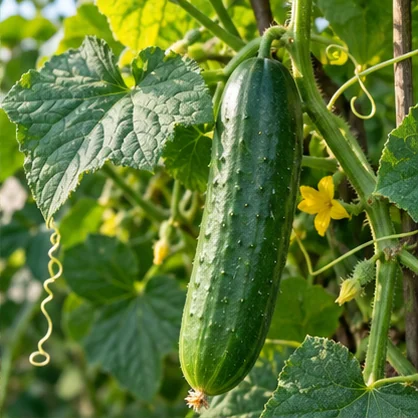
This image was created with AI from described plant characteristics and growing advice. It shows a possible situation and is not a photograph of a verified cultivar.
- Growing location
- Greenhouse variety under glass; outdoor variety in a warm position
- Plant out
- Frost-free, with sufficiently warm nights
- Pollination
- Check the characteristics of your variety
This growing advice helps you choose. Your variety, growth stage, weather and conditions in your space determine the actual timing.
Sowing under cover and raising seedlings
Start under cover in warmth · Cucumber
April for an unheated greenhouse; late April for outdoor cultivarsStart indoors in warmth and reserve enough bright space for raising plants.
- Germination and temperature
- Germinate in warmth, around 20 °C; young plants remain sensitive to cold.
- After emergence
- Give seedlings light immediately after emergence. A dark loft needs suitable grow lights; warmth alone is insufficient. Ventilate and keep the compost moist without saturating it.
- Pricking out and potting on
- Sow in individual pots or deep modules. Do not prick out bare-rooted; move the whole root ball before the roots become restricted.
- Hardening off and planting out
- Gradually acclimatise indoor-raised plants to sun, wind and outdoor temperatures; shelter them again on cold nights. Move an intact root ball to its final position only when soil and nights are warm enough. Outdoors after the last frost, usually late May–June.
A February start requires an actually heated greenhouse for growing on. Choose a greenhouse or outdoor cultivar suited to your final position.
Sources and use
RHS · komkommer ↗Britse teeltrichtlijn voor een gematigd klimaat; de genoemde perioden zijn richtlijnen voor Nederland en Vlaanderen.
Feggies · Komkommer Bodoana — ras- en teeltbeschrijving ↗Nederlandse producent of teeltbron; de rasinstructie blijft leidend.
Feggies · Komkommer Early Fortune — ras- en teeltbeschrijving ↗Nederlandse producent of teeltbron; de rasinstructie blijft leidend.
Guideline periods for the Netherlands and Flanders. Check the variety, available light, soil and measured temperatures. Greenhouse heating does not guarantee enough winter light.
A different flavour, a different harvest.
Choose by more than the name. Discover how these varieties and crop types taste, what you can use them for and what growing them involves.
16 of 16 choices · 13 named varieties
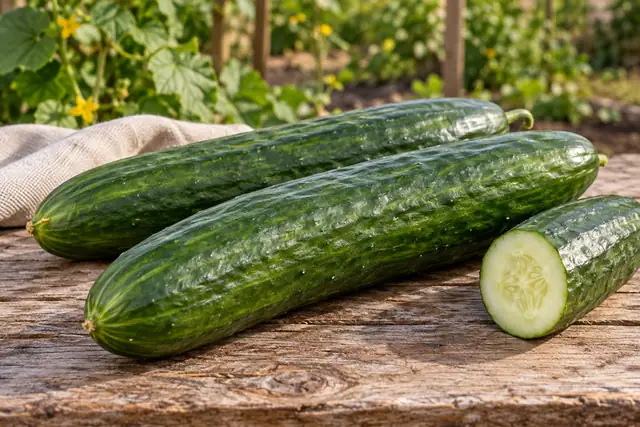
This image was created with AI from described plant characteristics and growing advice. It shows a possible situation and is not a photograph of a verified cultivar.
Bodoana
A cucumber with longer, heavier fruit than Gundel, with which the supplier compares it; harvest-focused and recognisable in shape.
Choose Bodoana for classic cucumbers and a relatively early start compared with Gundel, not as a compact snack plant.
Flavour, kitchen and growing
How does it taste?
The described flavour is fresh and balanced. This is therefore a salad profile, without claiming exceptional sweetness for the cultivar.
In the kitchen
Cut slices for a salad or make a refreshing cucumber sauce. A larger fruit easily provides several portions.
A space in the garden
Provide a sunny, sheltered position with loose, fertile soil. Regular watering and moderate feeding improve yield according to the supplier.
Harvesting
Pick fruits while they are firm and tender. Even a drought-tolerant variety produces a better harvest with consistent care.
Read the source notes →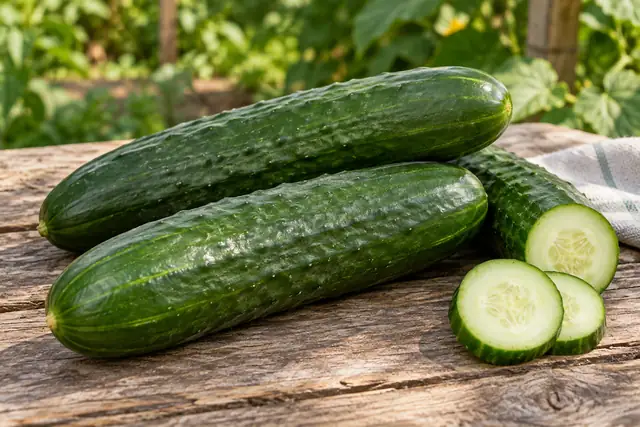
This image was created with AI from described plant characteristics and growing advice. It shows a possible situation and is not a photograph of a verified cultivar.
Early Fortune
An early, old variety with dark green fruits approximately 20 cm long: a manageable, classic slicing cucumber.
Choose Early Fortune for an earlier-developing classic variety alongside a long Asian or round cucumber type.
Flavour, kitchen and growing
How does it taste?
The flesh is described as firm and without bitterness. Warmth and consistent care remain important for the actual quality of the harvest.
In the kitchen
Cut thick, crisp slices for a salad or sticks for a raw vegetable platter.
A space in the garden
Sow in warm pots and plant intact rootballs after frost. Provide compost-rich soil and sufficient vine space.
Harvesting
Harvest at useful slicing-cucumber size before dark green skin yellows or seeds coarsen. Keep picking regularly.
Read the source notes →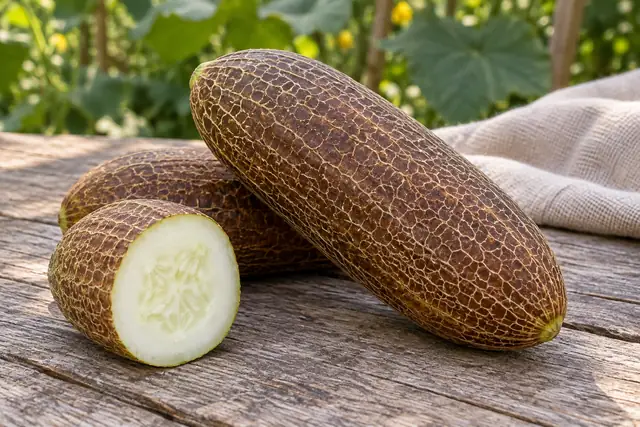
This image was created with AI from described plant characteristics and growing advice. It shows a possible situation and is not a photograph of a verified cultivar.
Kaliser Alexander
Full maturity produces a dark brown, netted skin: a cucumber with a very different exterior from supermarket types.
Choose this variety if shape and ripe colour interest you. Brown, netted skin belongs to later development, not disease.
Flavour, kitchen and growing
How does it taste?
The white flesh is described as both tender and crisp. The source praises the flavour without giving a precise sweetness ranking.
In the kitchen
First cut a young fruit for a salad. With a more mature, thicker skin, you can peel it and assess the seed cavity separately.
A space in the garden
Grow in warmth and give the vines room or support. Label this variety so that its unusual final colour is not mistaken for a damaged cucumber.
Harvesting
The supplier recommends harvesting at around 15 cm. Let a trial fruit ripen further to see the netted skin, but compare kitchen quality yourself.
Read the source notes →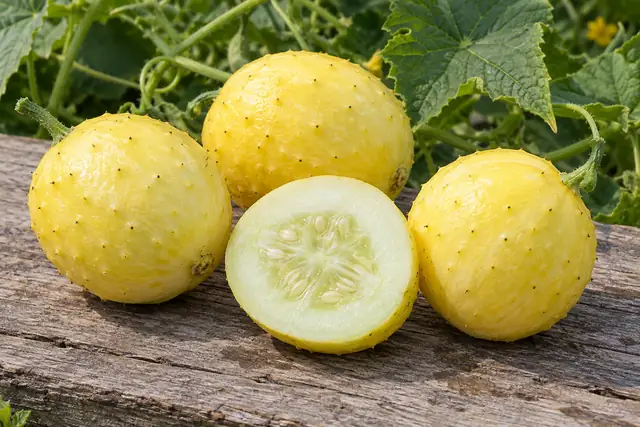
This image was created with AI from described plant characteristics and growing advice. It shows a possible situation and is not a photograph of a verified cultivar.
Lemon
Round to oval, yellow cucumbers resemble lemons but remain botanically ordinary cucumbers.
Choose Lemon for yellow, round fruits and a surprising harvest basket to contrast with long, green cucumbers.
Flavour, kitchen and growing
How does it taste?
The lemon name describes the shape and colour, not a proven citrus aroma. According to the supplier, eating quality is good at a lemon-yellow colour.
This flavour description applies to the crop; there is no separate tasting result for this variety.In the kitchen
Cut the round fruits into wedges for a salad or use thin discs as an unusual raw garnish.
A space in the garden
A warm outdoor position or greenhouse is suitable. Provide fertile soil and regular water; this old variety remains frost-sensitive.
Harvesting
Pick around the desired young, lemon-yellow stage, with firm flesh. Do not leave the fruit hanging for weeks to obtain a darker colour.
Also listed as: Citroenkomkommer.
Read the source notes →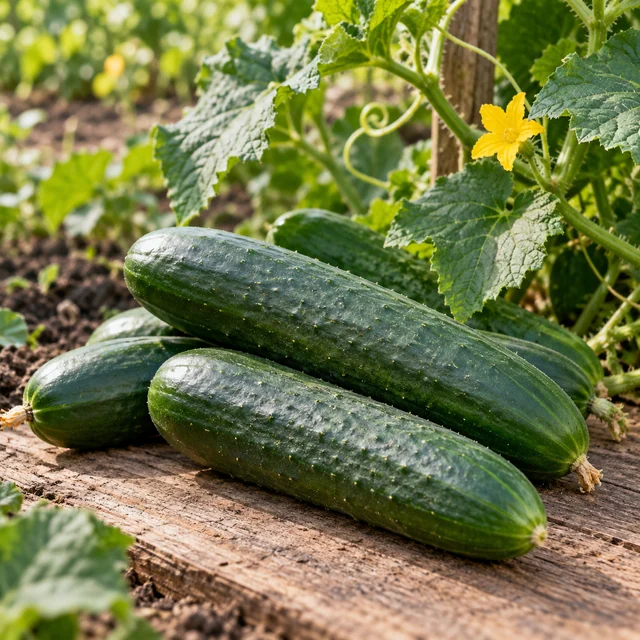
This image was created with AI from described plant characteristics and growing advice. It shows a possible situation and is not a photograph of a verified cultivar.
Marketmore
A familiar cucumber variety for a greenhouse or sunny garden position, aimed at regular summer harvesting.
Choose Marketmore for a familiar slicing cucumber and regular, usable fruits.
Flavour, kitchen and growing
How does it taste?
The flavour and texture are described as fresh and crisp. This suits raw use without promising a precise level of sweetness.
In the kitchen
Use fresh produce in cucumber salad, sandwiches or dipping sticks. Keep preparation simple for crispness.
A space in the garden
Start indoors and plant out after the last frost. Provide a frame or sufficient ground space and keep watering even.
Harvesting
Pick regularly once fruits are tender and firm. Do not leave large, ripening specimens among the leaves.
Read the source notes →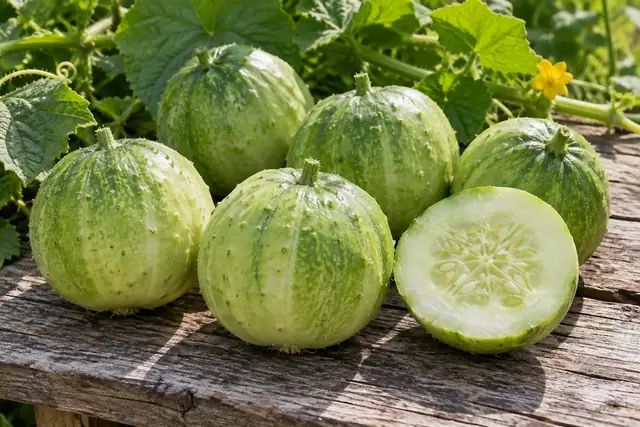
This image was created with AI from described plant characteristics and growing advice. It shows a possible situation and is not a photograph of a verified cultivar.
Richmond Green Apple
An old Australian variety with light green, apple-shaped fruits: round, manageable and strikingly different-looking.
Choose Richmond Green Apple for round green cucumbers, without waiting for the yellow colour of Lemon.
Flavour, kitchen and growing
How does it taste?
The flesh is firm and crisp with a mild flavour. The apple name refers to shape and size, not a proven apple flavour.
In the kitchen
Cut wedges for salad or snack on a young fruit. The apple shape gives playful portions.
A space in the garden
Start in warmth and plant in fertile soil after frost. In a damp garden, train vines on a frame to keep fruits clear.
Harvesting
Harvest while skin is light green. It turns brown at full maturity; pick earlier for young eating quality.
Read the source notes →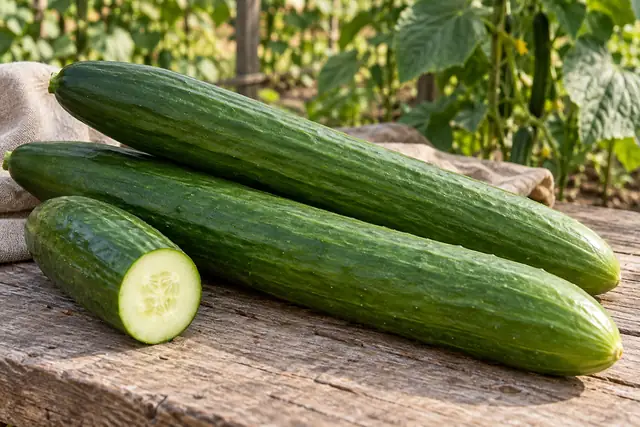
This image was created with AI from described plant characteristics and growing advice. It shows a possible situation and is not a photograph of a verified cultivar.
Satsuki Madori
Long cucumbers approximately 30–40 cm long with few seeds give this Asian variety a practical salad identity.
Choose Satsuki Madori for long cucumbers with few seeds rather than round fruits or mini snacks.
Flavour, kitchen and growing
How does it taste?
Soft flesh without bitterness is described. This is a favourable kitchen characteristic, without making stress-free growing unnecessary.
In the kitchen
Make long, raw strips or light salad slices. The limited seed quantity makes cutting manageable.
A space in the garden
Provide warmth and support so the long fruits can hang freely. Plant with the rootball intact and do not let the soil dry out severely.
Harvesting
Pick long, firm fruit before it turns yellow. Check the top of the support too; length alone does not tell you whether a fruit is becoming overripe.
Read the source notes →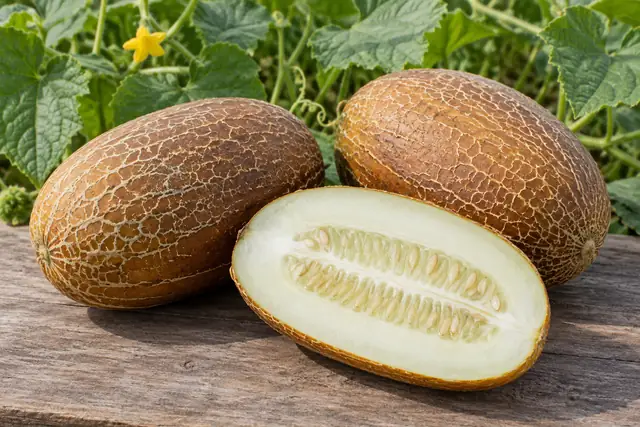
This image was created with AI from described plant characteristics and growing advice. It shows a possible situation and is not a photograph of a verified cultivar.
Sikkim
An old Himalayan variety with oval fruits that develop a thick, brown, netted skin when ripe: more of a discovery than a uniform supermarket variety.
Choose Sikkim to learn about a cucumber with unusual ripe colour and skin, especially if you enjoy comparison and notes.
Flavour, kitchen and growing
How does it taste?
The source mentions flesh without acidity under good storage conditions. This does not prove a fixed storage life in every household store.
This flavour description applies to the crop; there is no separate tasting result for this variety.In the kitchen
Taste young and riper fruits separately; peel a ripe fruit and assess the seed cavity and texture for salad.
A space in the garden
Give vines a warm position and room. Keep a trial fruit aside to follow ripening without leaving every fruit hanging for a long time.
Harvesting
For a fresh, young harvest, use firm fruit. If you want to try harvesting at storage maturity, check every fruit and do not store damaged specimens.
Read the source notes →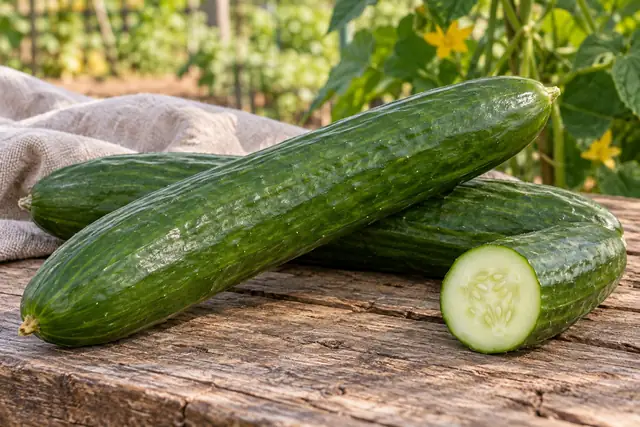
This image was created with AI from described plant characteristics and growing advice. It shows a possible situation and is not a photograph of a verified cultivar.
Vert Long Maraicher
Long, strongly green, almost spineless fruits on a vigorous plant: a classic long shape with a smoother feel.
Choose this variety for long, green cucumbers and a described sweet flavour rather than a selection mainly distinguished by colour.
Flavour, kitchen and growing
How does it taste?
The white flesh is described as firm, crisp and very sweet. Actual sweetness also varies with harvest time and the season.
In the kitchen
Use long slices in fresh salad or cut thin ribbons. The crisp texture works well raw.
A space in the garden
Grow in warm conditions, provide a sturdy support and water regularly. A vigorous plant still needs enough root space later in the season.
Harvesting
Harvest young, firm fruits before the skin yellows. Rinse the skin clean; almost spineless does not mean the fruit stays clean by itself.
Read the source notes →Discover all 16 choices
This image was created with AI from described plant characteristics and growing advice. It shows a possible situation and is not a photograph of a verified cultivar.
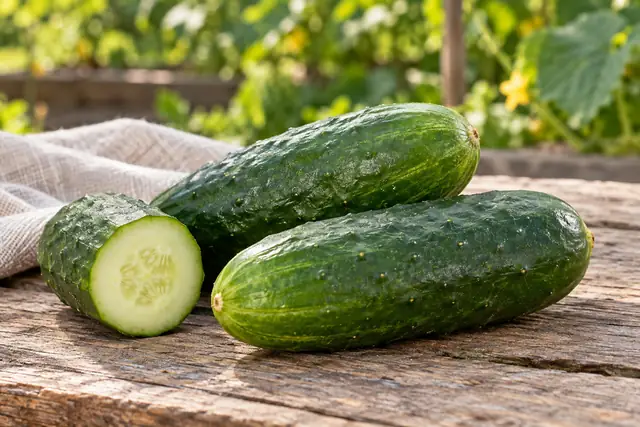
Antje
A compact pot cucumber with short, even fruits, selected for containers and pots.
Choose Antje if a balcony or patio is your main growing space. Suitability for pots is the supported difference here.
Flavour, kitchen and growing
How does it taste?
A separate flavour description is unavailable. The usual fresh cucumber flavour makes these short fruits suitable for raw portions.
This flavour description applies to the crop; there is no separate tasting result for this variety.In the kitchen
Cut young fruits into snack sticks or use in a small salad; a compact harvest suits immediate eating.
A space in the garden
Put one plant in a large container with drainage and support. Compost dries faster in pots; check water regularly in warmth.
Harvesting
Pick short fruits young and regularly. Small growth does not mean fruits can remain on the plant indefinitely.
Read the source notes →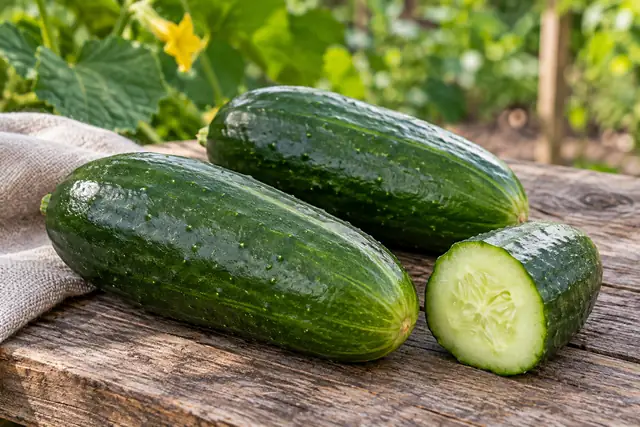
This image was created with AI from described plant characteristics and growing advice. It shows a possible situation and is not a photograph of a verified cultivar.
Bushy
A very early, compact variety from southern Russia with smooth, dark green snack fruits approximately 8–12 cm long.
Choose Bushy for more compact growth and early snacks; recommendation for cooler regions does not make it frost-hardy.
Flavour, kitchen and growing
How does it taste?
No distinctive aroma is documented. Snack size and young harvesting provide a general fresh cucumber experience in small portions.
This flavour description applies to the crop; there is no separate tasting result for this variety.In the kitchen
Use whole young fruits or halve for a snack platter. There is no need to cut a large cucumber for a salad.
A space in the garden
Grow in a warm, sheltered position and provide enough root space. Keep the plant manageable so that the small fruit remains accessible.
Harvesting
Pick around 8–12 cm and look beneath leaves regularly. Even a short cucumber can outgrow tender snacking quality.
Read the source notes →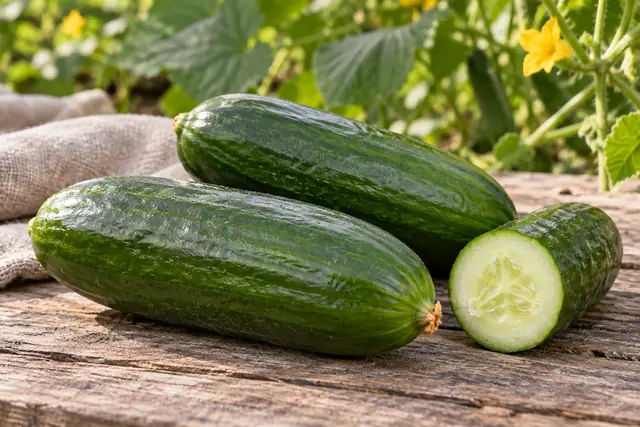
This image was created with AI from described plant characteristics and growing advice. It shows a possible situation and is not a photograph of a verified cultivar.
Kaban
Short, smooth snack cucumbers on a compact, manageable plant: a variety for small, fresh pickings.
Choose Kaban for short, smooth snacks and more compact growth in a greenhouse, garden or larger pot.
Flavour, kitchen and growing
How does it taste?
A specific aroma is not described. The fresh crop flavour of young cucumber suits the snacking use for which Kaban is offered.
This flavour description applies to the crop; there is no separate tasting result for this variety.In the kitchen
Make sticks for a lunchbox or small cucumber halves with a dip. Use the young harvest fresh if possible.
A space in the garden
In a pot, provide generous root space with drainage and stable support. Protect young plants from cold nights and do not let the root ball dry out.
Harvesting
Check often for young fruit during summer. Harvest for tenderness and a short snack shape, without promising an unknown fixed length.
Read the source notes →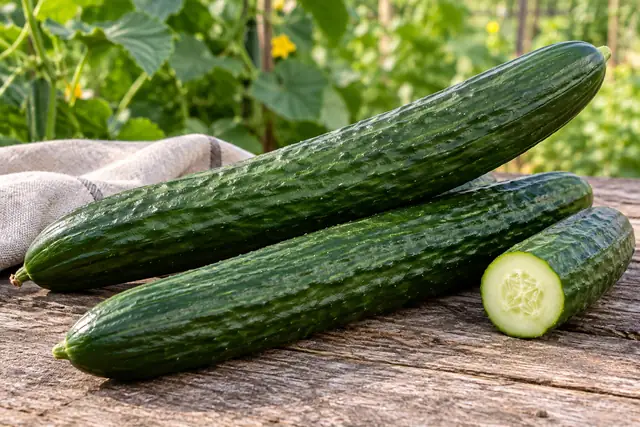
This image was created with AI from described plant characteristics and growing advice. It shows a possible situation and is not a photograph of a verified cultivar.
Soo Yoh Long
Dark green, ribbed Chinese cucumbers approximately 30–40 cm long with thin skin and sometimes a slight curve.
Choose Soo Yoh Long when length, ribbing and thin skin appeal more than smooth, uniform snacks.
Flavour, kitchen and growing
How does it taste?
Mild flavour, firm, crisp flesh and few seeds are described. The thin skin usually need not be removed for fresh preparation.
In the kitchen
Cut thin rounds for salad or make long strips. Keeping skin retains the ribbed exterior.
A space in the garden
Give this vigorously climbing variety a sturdy support. Freely hanging fruit grows straight more easily than fruit resting against obstacles.
Harvesting
Harvest when dark green and firm. Pick regularly, and do not leave a curved fruit just because it is less straight.
Read the source notes →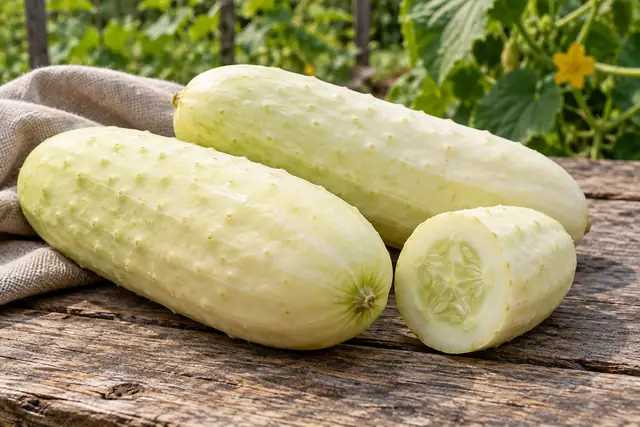
This image was created with AI from described plant characteristics and growing advice. It shows a possible situation and is not a photograph of a verified cultivar.
Blanc
Stocky cream-white cucumbers about 15–20 cm long: a pale slicing type without a further proven cultivar identity.
Choose Blanc for a medium-length white cucumber. Compare it with the slightly longer wit halflang offering without automatically equating the two.
Flavour, kitchen and growing
How does it taste?
The flesh is described as crisp, sweet and rarely bitter. A fresh, pale skin belongs to this selection.
In the kitchen
Slice for salad with green cucumber for colour contrast. Decide on peeling according to your harvest's skin thickness.
A space in the garden
Grow in warmth in a greenhouse or sheltered garden and water regularly. White colour does not change basic warmth needs.
Harvesting
Pick creamy white fruits young and firm around the described size. Do not wait for them to turn green.
Read the source notes →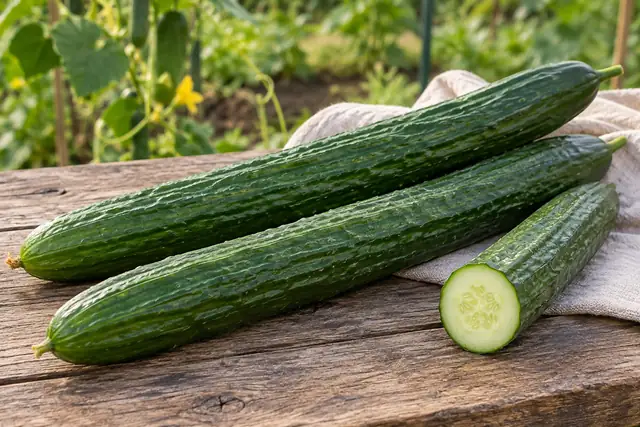
This image was created with AI from described plant characteristics and growing advice. It shows a possible situation and is not a photograph of a verified cultivar.
groen lang uit China/slangenkomkommer
A Chinese offering with very long ribbed fruits, sometimes 50 cm or longer; the name snake cucumber describes the shape.
Choose this type for pronounced length and ribs. It is ordinary Cucumis sativus, unlike the cucumber melon Armenian Painted Serpent.
Flavour, kitchen and growing
How does it taste?
White, crisp, refreshing flesh and few seeds are described. This is not evidence that every snake cucumber is the same variety.
This flavour description applies to the crop; there is no separate tasting result for this variety.In the kitchen
Cut long salad strips or thin slices from part of the fruit. A large cucumber quickly gives several portions.
A space in the garden
A tall frame with clear hanging space is practical. Prevent long fruits bending on the ground or becoming trapped between crossbars.
Harvesting
Pick for young, tender texture; maximum length is no culinary aim. Examine the seed cavity when cutting a large fruit.
Read the source notes →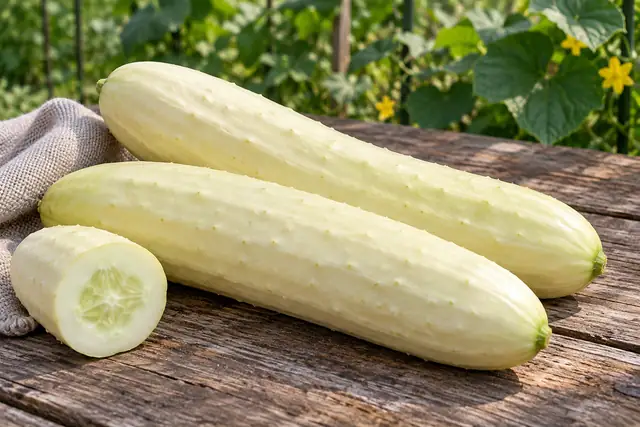
This image was created with AI from described plant characteristics and growing advice. It shows a possible situation and is not a photograph of a verified cultivar.
white half-long
Cream-white fruits about 20–25 cm long make this offering a pale, fairly long slicing cucumber.
Choose this offering for creamy-white, medium-length fruit. Its identity has not been proven to match Blanc, which is listed separately in the range.
Flavour, kitchen and growing
How does it taste?
Sweet flesh without bitterness is described. The actual harvest result still depends on young picking and even care.
In the kitchen
Use fresh half-moons in salad or pair white and green on a raw vegetable platter. Fruit need not turn green first.
A space in the garden
Provide warm shelter and compost-rich soil. Plant rootballs intact and let the crop grow outdoors only after the last frost.
Harvesting
Harvest young, firm, creamy-white fruit, often at the size described. Do not leave it ripening further while waiting for another colour.
Read the source notes →Choose your way to grow
From a garden bed to a suitable pot or support: give your plant a place that suits your garden and the care you can provide.
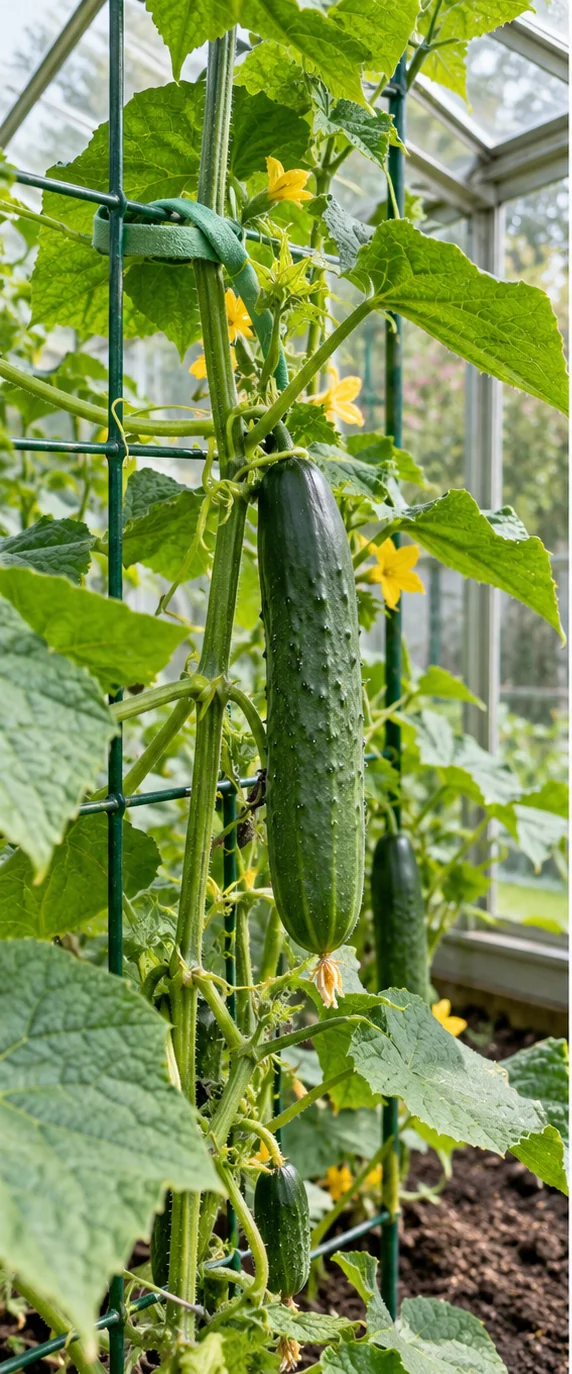
This image was created with AI from described plant characteristics and growing advice. It shows a possible situation and is not a photograph of a verified cultivar.
Along a frame or greenhouse wire
Turn a trailing cucumber into a green wall with accessible fruits.
- Install the frame or taut wire before the plant grows large.
- Guide the main growth gently along support; add a loose, soft loop if needed.
- Check ties and guide new vines so they do not shade neighbouring plants.
For trailing greenhouse or outdoor varieties; adapt pruning to the specific variety.
Tick off your supplies →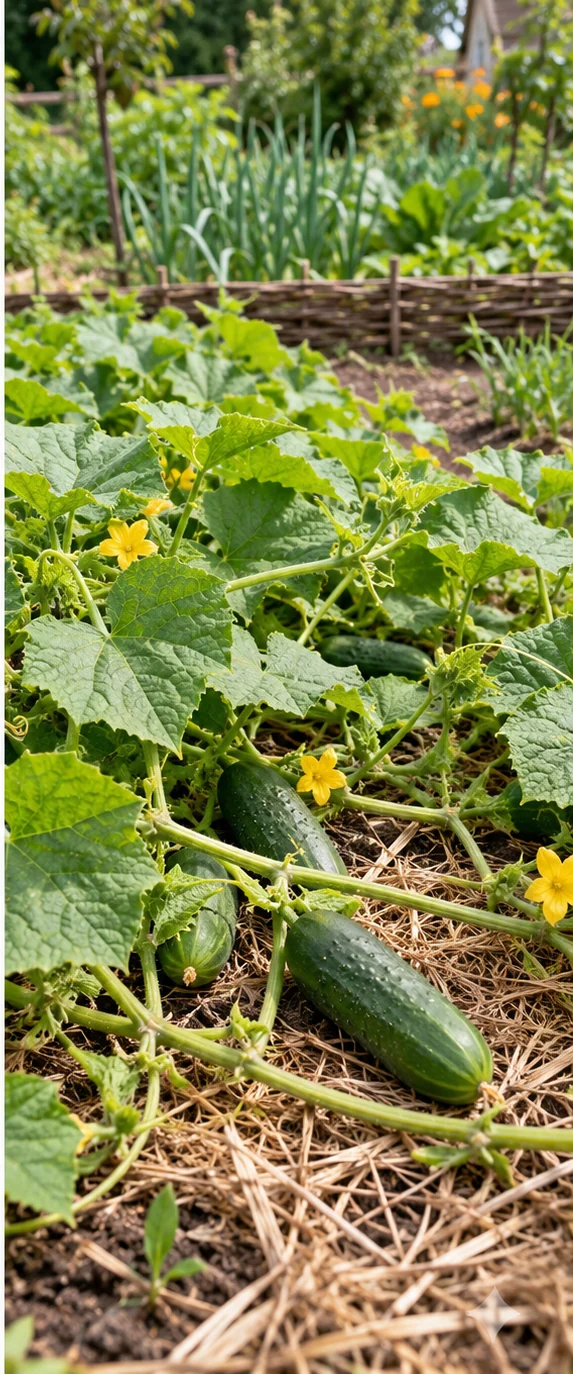
This image was created with AI from described plant characteristics and growing advice. It shows a possible situation and is not a photograph of a verified cultivar.
An outdoor variety across the bed
On a warm, open bed, suitable outdoor varieties can grow without a tall structure.
- Choose an outdoor variety and allow for expected vine length.
- Create a clean, airy surface where fruits do not rest continually in wet soil.
- Lift leaves each picking round and harvest hidden young fruits.
For a sheltered outdoor position with sufficient ground area and all-round access.
Tick off your supplies →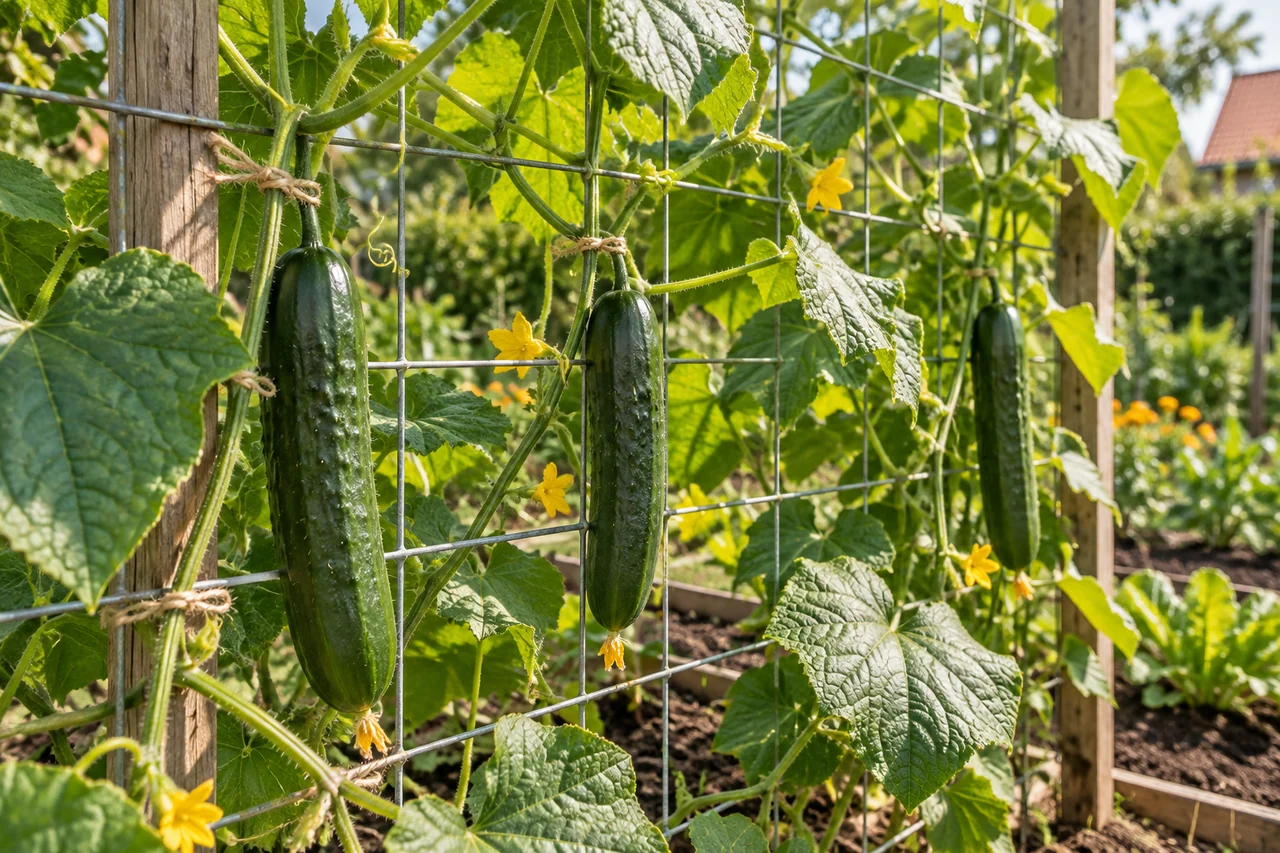
This image was created with AI from described plant characteristics and growing advice. It shows a possible situation and is not a photograph of a verified cultivar.
Let the tendrils find the support
Put a sturdy frame in place before the plant gets large. Gently guide young shoots towards the netting; the tendrils will then grip the support themselves.
View your supplies →Explore the varieties
See the confirmed differences. Characteristics without supporting evidence are left blank.
5 of 5 varieties
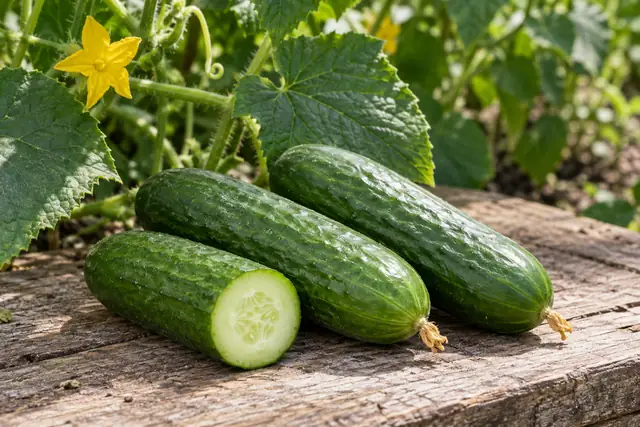
This image was created with AI from described plant characteristics and growing advice. It shows a possible situation and is not a photograph of a verified cultivar.
Amadora
Explore this variety and use the growing guide to choose a place for your plant.
View variety →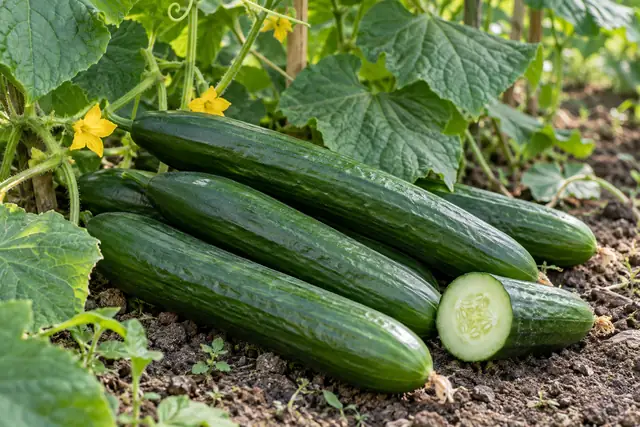
This image was created with AI from described plant characteristics and growing advice. It shows a possible situation and is not a photograph of a verified cultivar.
Carmen
- Suitable for a greenhouse
- YesVerenigd Koninkrijk
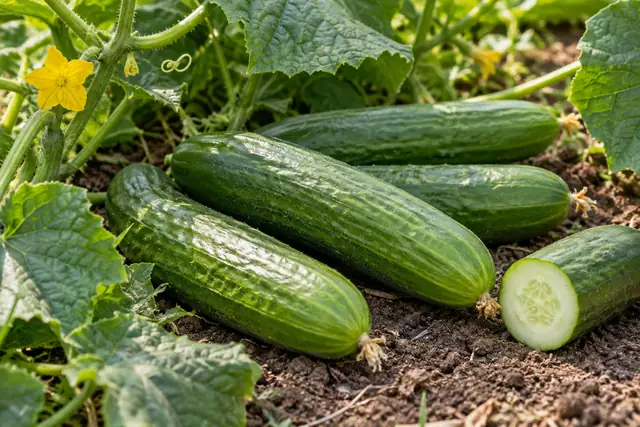
This image was created with AI from described plant characteristics and growing advice. It shows a possible situation and is not a photograph of a verified cultivar.
Delistar
- Texture
- Thin skinVerenigd Koninkrijk
- Fruit size
- Medium-sizedVerenigd Koninkrijk
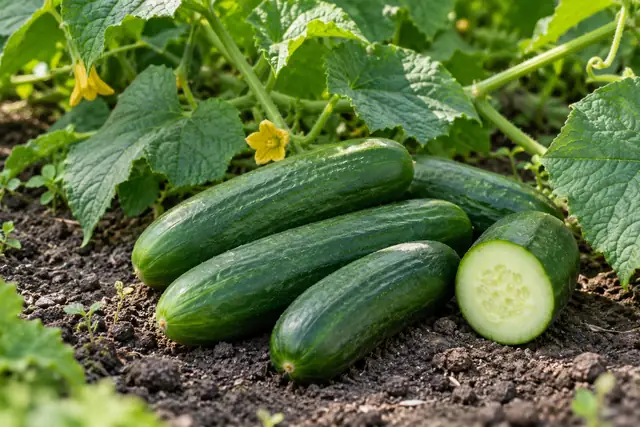
This image was created with AI from described plant characteristics and growing advice. It shows a possible situation and is not a photograph of a verified cultivar.
Emilie
- Texture
- Smooth skinVerenigd Koninkrijk
- Fruit size
- Medium-sizedVerenigd Koninkrijk
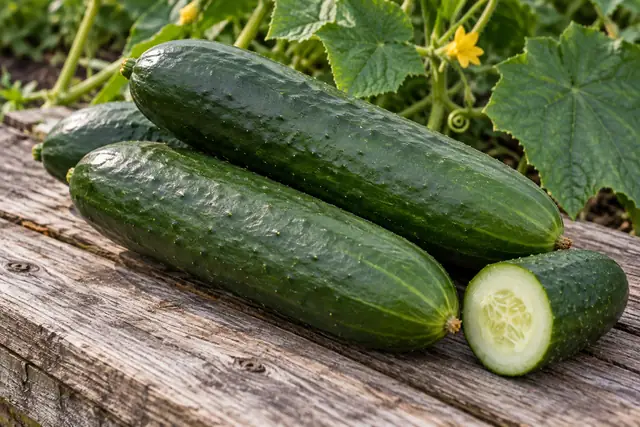
This image was created with AI from described plant characteristics and growing advice. It shows a possible situation and is not a photograph of a verified cultivar.
Lili
- Suitable for outdoors
- YesVerenigd Koninkrijk
- Suitable for a greenhouse
- YesVerenigd Koninkrijk
Choose two to four varieties to compare their source data side by side.
Choose by flavour, shape and use
Bodoana: A cucumber with longer, heavier fruits than the Gundel with which the supplier compares it; focused on harvest and distinctive in shape. Cut slices for a salad or make a refreshing cucumber sauce. A larger fruit easily provides several portions.
The described flavour is fresh and balanced. This is therefore a salad profile, without claiming exceptional sweetness for the cultivar.
Early Fortune: An early, old cultivar with dark green fruits about 20 cm long: a manageable classic slicing cucumber. Cut thick, crisp slices for a salad or sticks for a raw vegetable platter.
The flesh is described as firm and without bitterness. Warmth and consistent care remain important for the actual quality of the harvest.
Kaliser Alexander: A dark brown, netted skin develops at full ripeness: a cucumber with a very different exterior from a supermarket type. First cut a young fruit for a salad. With a more mature, thicker skin, you can peel it and assess the seed cavity separately.
The white flesh is described as both tender and crisp. The source praises the flavour without giving a precise sweetness ranking.
Lemon: Round to oval yellow cucumbers resemble lemons but remain ordinary cucumbers botanically. Cut the round fruits into wedges for a salad or use thin discs as an unusual raw garnish.
The lemon name describes the shape and colour, not a proven citrus aroma. According to the supplier, eating quality is good at a lemon-yellow colour.
Start by choosing greenhouse or outdoors
Greenhouse and outdoor cultivars are not interchangeable choices. A greenhouse extends protected growing, while outdoor cucumbers depend on a warm, sheltered spot. Consider fruit size too: a mini cucumber is harvested smaller than a long cultivar. Choose the growing position and cultivar together before sowing.
Sow with room for the rootball
Cucumbers can be direct-sown or planted out as young plants. When starting them under cover, protect the roots during transplanting: damage slows establishment. Let the young plant develop a well-formed rootball. Move it outdoors only when frost risk has passed and the soil is becoming warm enough.
Moist soil without waterlogging
Fertile soil that retains moisture and drains excess water helps the plant through the growing season. Improve the structure with mature compost where necessary. Base feeding on soil conditions; do not copy a dosage from an overseas growing trial into your bed without considering the soil and product.
Give vines sturdy support
A vining cucumber can grow up a frame or wire; more compact bush types also exist. Check your cultivar's growth habit before allocating space. A larger vining plant needs different space from a bush form. Consider the expected mature growth when spacing it from neighbouring plants.
Female flowers and fruit set
Many cucumbers bear separate male and female flowers. Pollinators can move pollen between them. Some cultivars form fruit without pollination: this is called parthenocarpy. The label “female flowering” alone does not prove that characteristic. Read the specific cultivar information before removing flowers or planting a pollinating cultivar alongside.
Keep the root zone evenly moist
A regular water supply matters particularly during fruit formation. Pots dry out faster than open ground. Feel in the root zone and water at the plant's base to keep leaves as dry as possible. An outdoor rain forecast does not tell you how much water a plant in your greenhouse has received.
Resistance concerns a specific disease
A mention of resistance is useful only when the disease concerned is clear. Seed catalogues may use codes for this. Keep the full description with your chosen cultivar. Do not infer protection against every problem from a general term such as “strong”, and keep checking the plant while growing it.
Pick before the fruits become too old
Harvest at the cultivar's intended size while the fruit is young and firm. With further growth, seeds and skin may harden. Avoid lifting or twisting the plant unnecessarily when picking. Check behind the leaves regularly; a hidden cucumber can quickly grow too far.
Use actual conditions as the final check
The RHS and American universities describe different climates and growing systems. Their calendar dates are therefore not fixed timings for every garden in the Netherlands or Flanders. Check night temperatures before planting out and let the plant acclimatise gradually. The RHS uses temperatures consistently above 12 °C as a starting point for safe planting out.
How to make a tie that allows for growth
Use soft material and leave a visible gap between tie and stem. A loop connects the plant to its support; it does not need to press the stem tightly against a stake. Check weekly that the loop is still loose. Add another tie higher up when new growth requires it.
Follow leaves and fruit as a whole
Wilting may relate to dry roots or, conversely, poorly drained soil. Check both before giving more water. Inspect young leaves for aphids and older leaves for discolouration or fungal disease. Keep air between plants, harvest in good time and carefully remove badly affected material. Save a photograph with your crop to follow changes.
What you need
Tick what you already have. The extras depend on how you grow.
0 of 6 ticked off
Your ticks are saved in this browser.
Discover and grow more
More background, sources and image information
SeedSteps editorial team · updated on 11 October 2026. The AI images illustrate species and practical growing situations; they do not prove an exact cultivar, observations from your own garden or yield.
Britse gewasadviezen worden gecombineerd met Nederlandse en Vlaamse informatie waar beschikbaar. Amerikaanse Extension-bronnen ondersteunen plantprincipes en herkenning; hun kalenderdata, lokale plaagdruk, bestrijdingsmiddelen en mestdoseringen worden niet rechtstreeks op Nederland of Vlaanderen toegepast. Vorst, bodemwarmte, standplaats en expliciete rasinformatie blijven de lokale controle. Commerciële bronnen onderbouwen uitsluitend benoemde ras- en plantkenmerken; zij zijn geen affiliate-aanbeveling.
- World Checklist of Vascular Plants — 4 juni 2026Royal Botanic Gardens, Kew · accessed 2026-10-07
- Growing cucumbers in home gardensUniversity of Minnesota Extension · accessed 2026-10-07
- Komkommer Antje — ras- en teeltbeschrijvingFeggies · accessed 2026-10-11
- Komkommer Blanc — ras- en teeltbeschrijvingFeggies · accessed 2026-10-11
- Komkommer Bodoana — ras- en teeltbeschrijvingFeggies · accessed 2026-10-11
- Komkommer Bushy — ras- en teeltbeschrijvingFeggies · accessed 2026-10-11
- Komkommer Early Fortune — ras- en teeltbeschrijvingFeggies · accessed 2026-10-11
- Komkommer groen lang uit China/slangenkomkommer — ras- en teeltbeschrijvingFeggies · accessed 2026-10-11
- Komkommer Kaban — ras- en teeltbeschrijvingFeggies · accessed 2026-10-11
- Komkommer Kaliser Alexander — ras- en teeltbeschrijvingFeggies · accessed 2026-10-11
- Komkommer Lemon — ras- en teeltbeschrijvingFeggies · accessed 2026-10-11
- Komkommer Marketmore — ras- en teeltbeschrijvingFeggies · accessed 2026-10-11
- Komkommer Richmond Green Apple — ras- en teeltbeschrijvingFeggies · accessed 2026-10-11
- Komkommer Satsuki Madori — ras- en teeltbeschrijvingFeggies · accessed 2026-10-11
- Komkommer Sikkim — ras- en teeltbeschrijvingFeggies · accessed 2026-10-11
- Komkommer Soo Yoh Long — ras- en teeltbeschrijvingFeggies · accessed 2026-10-11
- Komkommer Vert Long Maraicher — ras- en teeltbeschrijvingFeggies · accessed 2026-10-11
- Komkommer wit halflang — ras- en teeltbeschrijvingFeggies · accessed 2026-10-11
- Cucumbers kweken — RHSRoyal Horticultural Society · accessed 2026-10-08
- Cucumber in the gardenUtah State University Extension · accessed 2026-10-07
Supporting evidence by chapter: Choose by flavour, shape and use: Feggies, Feggies, Feggies, Feggies. Start by choosing greenhouse or outdoors: Royal Horticultural Society. Sow with room for the rootball: Utah State University Extension. Moist soil without waterlogging: Utah State University Extension. Give vines sturdy support: University of Minnesota Extension. Female flowers and fruit set: University of Minnesota Extension. Keep the root zone evenly moist: Royal Horticultural Society. Resistance concerns a specific disease: University of Minnesota Extension. Pick before the fruits become too old: Utah State University Extension. Use actual conditions as the final check: Royal Horticultural Society. How to make a tie that allows for growth: Royal Horticultural Society, Utah State University Extension, University of Minnesota Extension. Follow leaves and fruit as a whole: Royal Horticultural Society, Utah State University Extension, University of Minnesota Extension.