Why grow Petit vert de Paris?
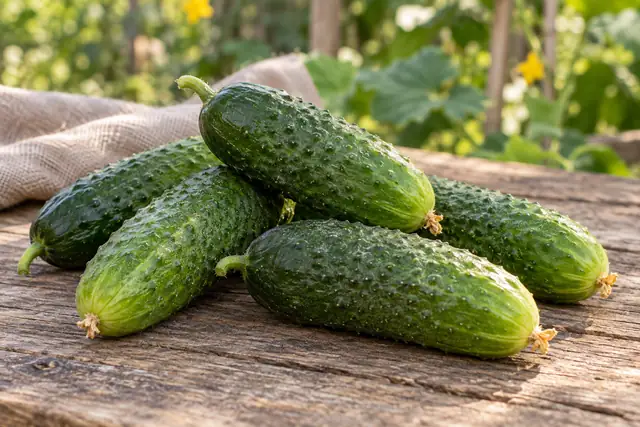
Small, elongated gherkins for a fine cornichon harvest: the intended picking size is approximately 4–5 cm.
Choose this variety for small, even portions rather than large slicing cucumbers. It needs frequent plant checks.
How this choice tastes
A cultivar aroma is not described. For this offering, the flavour result depends on young, crisp fruit and the chosen pickling preparation.
From harvest to kitchen
Use the small gherkins as a sour garnish with a meal. For storage outside the fridge, follow a tested preserving recipe.
What needs attention when growing
Provide a warm bed or greenhouse position, rich soil and regular water. Keep vines and fruit accessible for picking.
Pick around 4–5 cm. Missing a few days can make a big difference; keep larger specimens separate from the small selection.
Choose by flavour, shape and use
Hokus: A green gherkin for a sheltered outdoor bed, practical for regular small pickling batches. Preserve small, fresh fruit using a tested pickling recipe. Keep different sizes separate so that texture after preparation remains comparable.
A distinct aroma is not described. The final flavour of pickled gherkins mainly comes from harvesting young and the vinegar and herbs used.
Petit vert de Paris: Small elongated gherkins for a fine cornichon harvest: the desired picking size is around 4–5 cm. Use the small gherkins as a sour garnish with a meal. For storage outside the fridge, follow a tested preserving recipe.
A cultivar aroma is not described. For this offering, the flavour result depends on young, crisp fruit and the chosen pickling preparation.
Bourbonne: An old French cultivar with long, thin, green, lightly hairy fruit and two useful harvest sizes. Use small fruit for pickled gherkins and larger, still tender fruit in salad. Do not automatically mix sizes in one preserving jar.
The source gives no separate aroma. Harvested young, the texture suits gherkins; grown larger, the same plant produces fruit for fresh cucumber use.
Choose gherkin seed for the intended use
Gherkin belongs to cucumber, but cultivar choice and young harvesting give a different kitchen product. Check the packet for outdoor suitability and pollination. Picking an ordinary long cucumber early does not automatically give the same firm small fruit as a described gherkin cultivar.
Sow shortly before the warm planting period
Start indoors in separate pots if you can keep young plants light and warm. The root ball must later move outdoors intact. Sowing too early gives large plants waiting indoors for a long time. Direct sowing works in sufficiently warm soil, with protection from cold and feeding damage.
Wait for warm nights and warm soil
Plant only after frost danger and when the position stays warm enough. Gradually acclimatise indoor plants to sun and wind. Keep roots intact. Use nutritious, well-drained soil and water gently to settle the root ball into its new surroundings.
A frame or a bed determines the harvest round
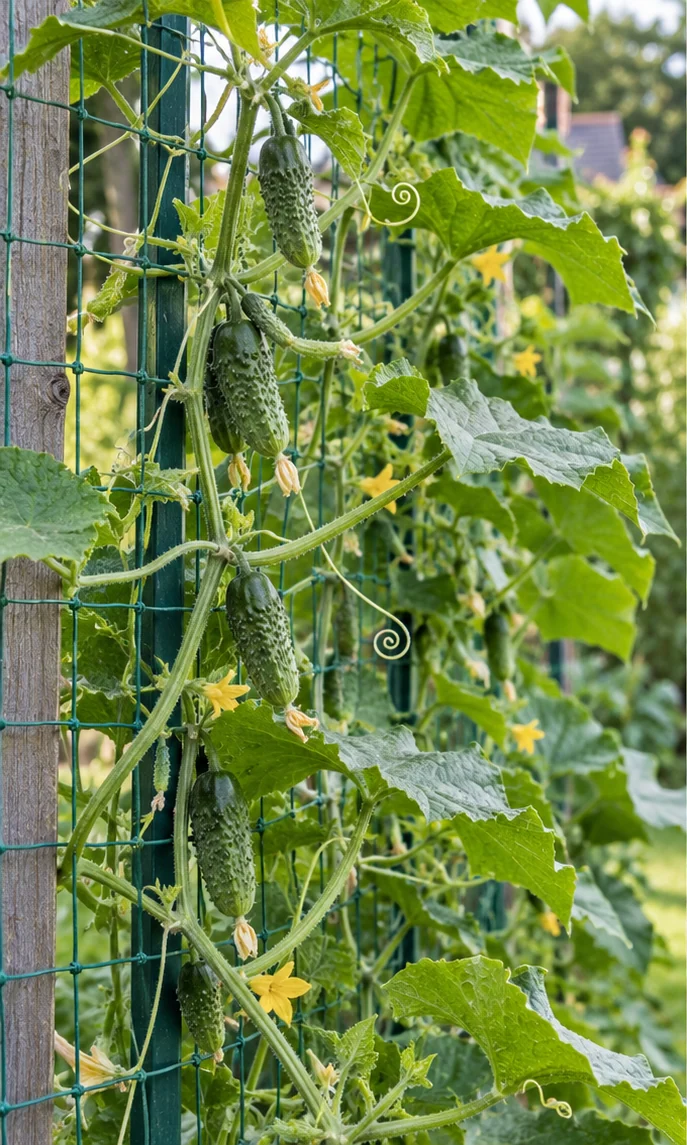
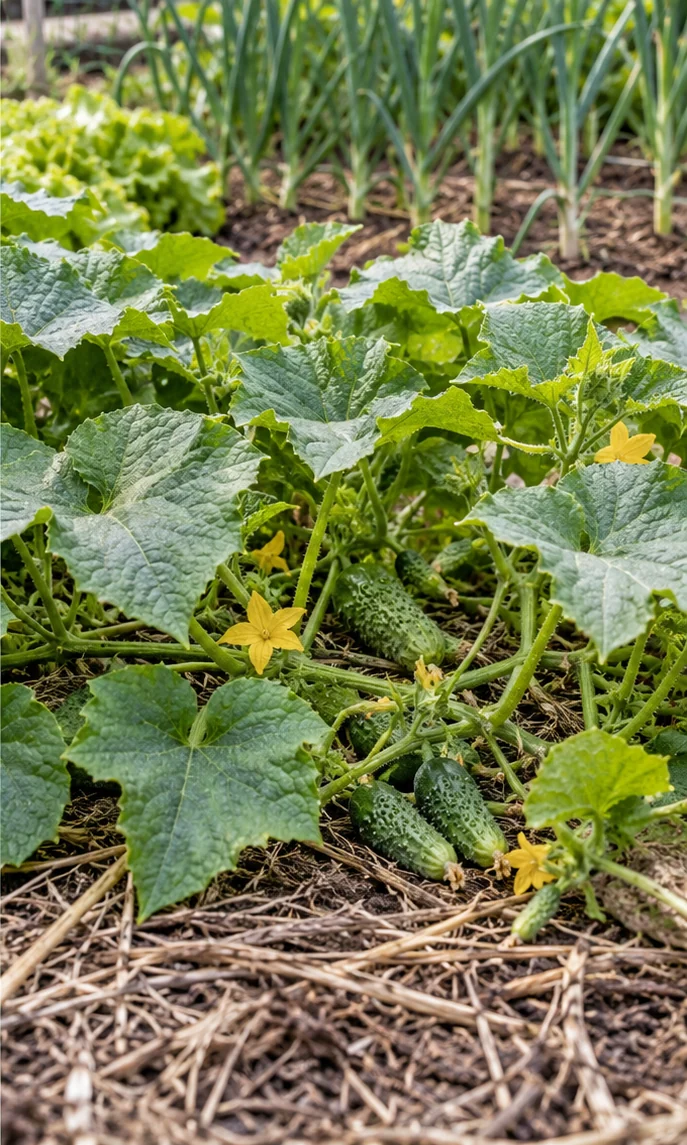
Fruit hangs visibly on sturdy supports, using less ground area. Ground growing needs more width and checking behind leaves. Choose according to variety growth. Add support before plants become large, avoiding later work among fragile vines.
Read about the cultivar before removing flowers
Some cucumber types need pollination; others can form fruit without it. Do not remove male flowers as a general rule. A female-flowering cultivar is not automatically parthenocarpic. Let pollinators reach flowers on cultivars needing them, even if you previously protected young plants under a cover.
Keep growth steady
Gherkins need even moisture during fruiting. Check roots and water soil as it dries. Strong drought-to-soaking swings do not help. Weed gently and use mulch where soil remains airy and accessible. Pots need extra warm-day checks.
Inspect misshapen or dropping fruit
Fruit failing to grow can reflect poor pollination or stress. Check flowers, weather and moisture before assigning causes. Spotted or deformed leaves need separate assessment. Avoid one treatment for every leaf problem; track damaged and clearly diseased plants separately from healthy harvests.
Pick small and use a tested pickling recipe
Check beneath the leaves regularly and harvest the size suited to your kitchen plan. Cut the stalk or support the vine when picking. Chill fresh fruit if not using it straight away. For pickling, use a proven food-safe recipe with correct proportions; an arbitrary amount of vinegar gives no reliable storage guarantee.