Loading the garden guide…
Loading the garden guide…
One botanical species can produce very different harvests. With courgettes and pattypans, you pick young, tender fruit; suitable winter types are left to ripen for storage. This comparison helps you choose a growing form, with space for a compact bush or a small-fruited vine.
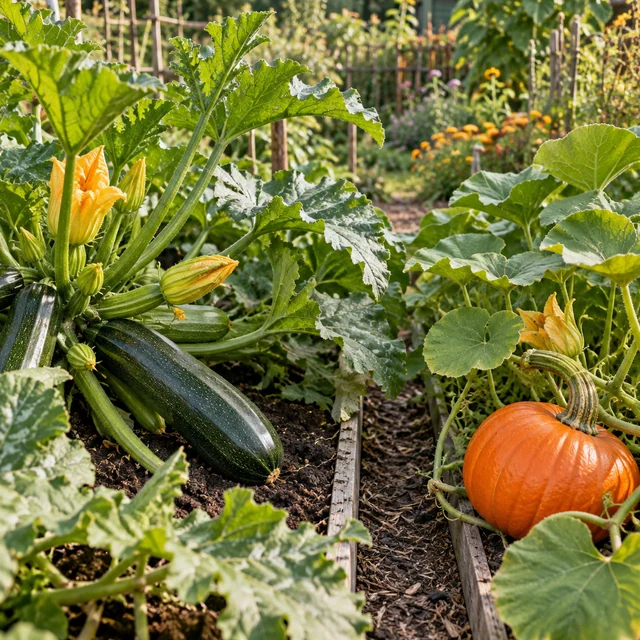
This image was created with AI from described plant characteristics and growing advice. It shows a possible situation and is not a photograph of a verified cultivar.
This growing advice helps you choose. Your variety, growth stage, weather and conditions in your space determine the actual timing.
Start under cover in warmth · Pumpkin & courgette (Cucurbita pepo)
April–early MayStart indoors in warmth and reserve enough bright space for raising plants.
These plants grow quickly. Do not start in February if you cannot plant out until late May.
RHS · courgette ↗Britse teeltrichtlijn voor een gematigd klimaat; de genoemde perioden zijn richtlijnen voor Nederland en Vlaanderen.
Royal Horticultural Society · Zomer- en winterpompoenen kweken ↗Soort- of productgebonden bron; buitenlandse perioden zijn geen vaste Nederlandse zaaidatum.
University of Minnesota Extension · Zomerpompoen en courgette kweken ↗Soort- of productgebonden bron; buitenlandse perioden zijn geen vaste Nederlandse zaaidatum.
Guideline periods for the Netherlands and Flanders. Check the variety, available light, soil and measured temperatures. Greenhouse heating does not guarantee enough winter light.
Choose by more than the name. Discover how these varieties and crop types taste, what you can use them for and what growing them involves.
16 of 16 choices · 10 named varieties
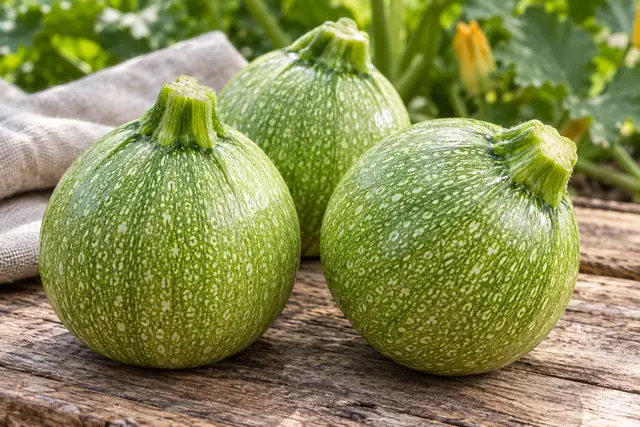
This image was created with AI from described plant characteristics and growing advice. It shows a possible situation and is not a photograph of a verified cultivar.
Round, light green courgettes with white speckles on a bushy plant: precisely the shape for small stuffed rounds.
Choose Ola Redonda for stuffed courgettes and a manageable bush habit rather than long grilling slices.
No separate aroma is described. Harvesting young gives a tender courgette texture; the round shape is the clear cultivar difference here.
This flavour description applies to the crop; there is no separate tasting result for this variety.Cut off a lid, hollow out the young fruit and fill with rice or vegetables. Include the scooped-out flesh in the filling.
The plant does not trail. Give it a spacious plot and let the leaves develop; daily checks prevent hidden, oversized fruits.
Harvest young rounds, often around 250–300 grams according to the producer. Treat size as a guide and avoid hardened skin.
Read the source notes →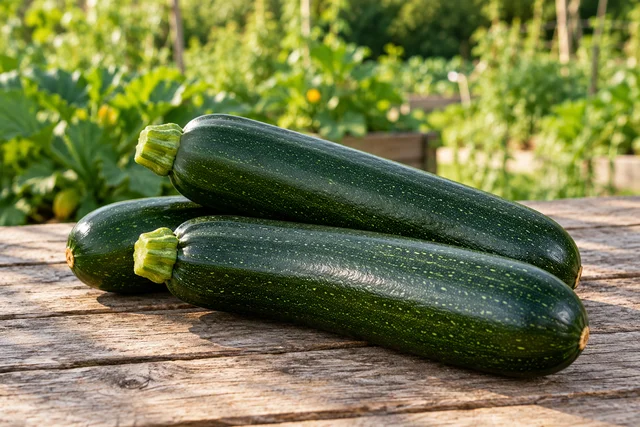
This image was created with AI from described plant characteristics and growing advice. It shows a possible situation and is not a photograph of a verified cultivar.
The practical, classic courgette: a non-trailing plant for regular summer harvests of young fruits.
Choose Black Beauty for a familiar courgette without a climbing frame; generous leaf space is still needed.
The source advice centres on harvesting young for a tender texture. No specific sweetness relative to other green cultivars is documented.
This flavour description applies to the crop; there is no separate tasting result for this variety.Cut young fruits lengthways for the barbecue or turn the harvest into soup. This gives both small and slightly larger specimens a place in the same kitchen.
Start under cover from mid-April and plant out only when frost has passed. The non-trailing growth makes training it as a climber unnecessary.
Usually harvest at 15–20 cm and keep picking regularly. An overlooked large fruit costs the plant more energy.
Read the source notes →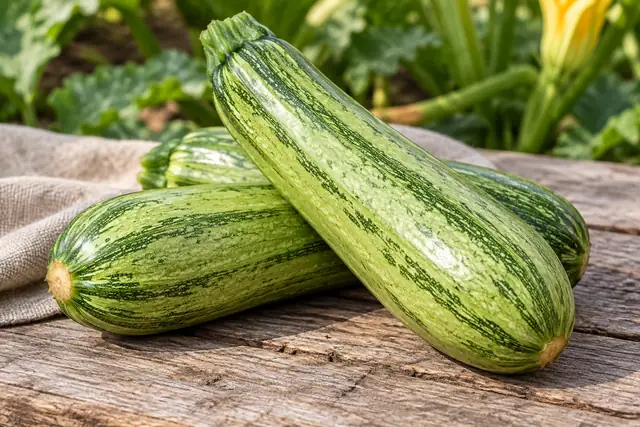
This image was created with AI from described plant characteristics and growing advice. It shows a possible situation and is not a photograph of a verified cultivar.
Light green, half-long fruits with dark stripes make Caserta a fresh variation on uniformly green courgettes.
Choose Caserta for striped fruit on a bushy plant. The supplier mentions adaptation to cooler regions, without the variety tolerating frost.
The firm flesh is described as good cooking quality. A separate claim about aroma or sweetness is absent; texture is the main distinction.
This flavour description applies to the crop; there is no separate tasting result for this variety.Cut striped slices for a vegetable traybake or firm cubes for a quick stir-fry.
Provide fertile soil and enough room for the bush. Sow or plant outdoors only when soil and nights are warm enough.
Pick half-long fruits young, before the seeds become coarse. The source's reference to early harvesting is not a fixed calendar date for every garden.
Read the source notes →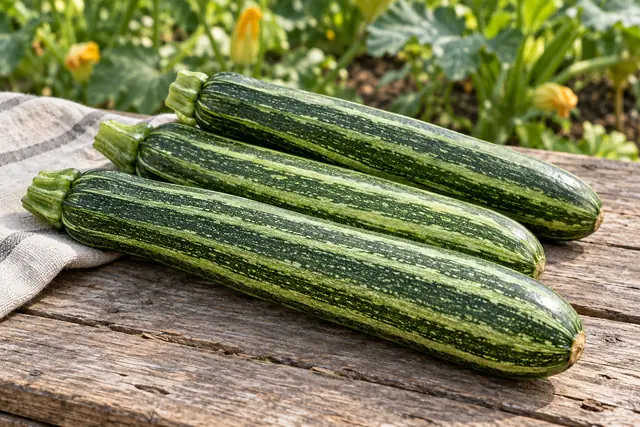
This image was created with AI from described plant characteristics and growing advice. It shows a possible situation and is not a photograph of a verified cultivar.
Long, narrow, green courgettes with pale stripes; the classic elongated shape gains a visible pattern here.
Choose Cocozelle for long, striped fruits; beside round Ronde de Nice, it gives a very different harvest basket.
The described flavour is mild. That mildness suits simple preparations in which the courgette remains recognisable.
Cut fine, long slices for grilling or thin rounds for a summer vegetable dish.
Provide compost-rich soil and around 80 cm of space according to the sowing advice. Start under cover from April; sow outdoors only after frost in warm soil.
Harvest at around 15–20 cm. Picking young keeps the skin and texture pleasant and prevents the narrow fruit from growing on unnoticed.
Read the source notes →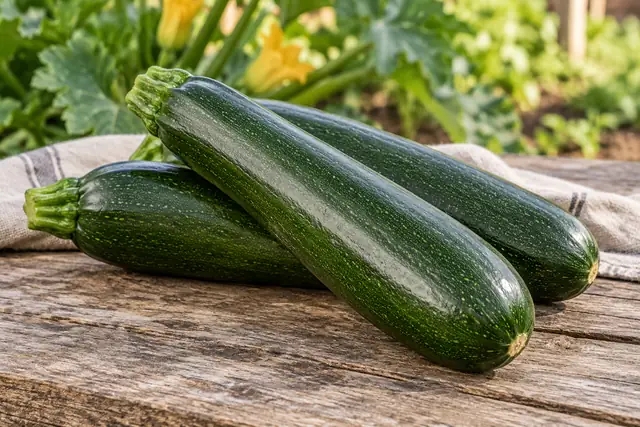
This image was created with AI from described plant characteristics and growing advice. It shows a possible situation and is not a photograph of a verified cultivar.
A bushy variety with elongated, cylindrical, dark green, glossy fruits: a neat shape for everyday kitchen use.
Choose Mutabile for a productive bush and uniformly shaped green fruits with little need for a climbing structure.
No pronounced distinctive aroma is described. Harvested young, this variety provides courgette's mild flavour and tender texture.
This flavour description applies to the crop; there is no separate tasting result for this variety.The cylindrical shape gives even rounds for gratin or firm strips for grilling. Let seasoning and cooking method provide the flavour accent.
Provide fertile, humus-rich soil and open space around the leaves. The mention of mildew resistance does not guarantee freedom from infection.
Pick young fruits regularly, including behind large leaves. Use gloss and tender skin as kitchen-quality indicators.
Read the source notes →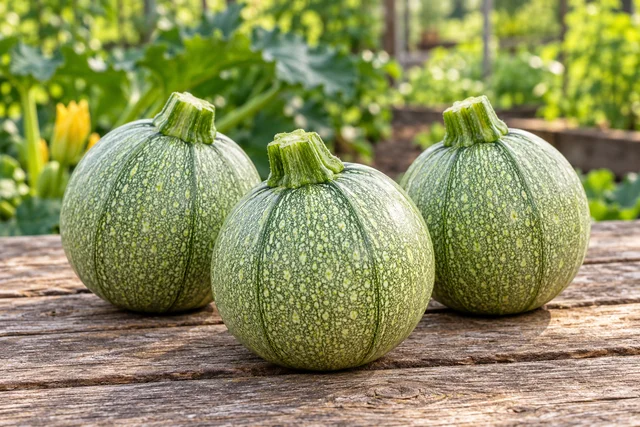
This image was created with AI from described plant characteristics and growing advice. It shows a possible situation and is not a photograph of a verified cultivar.
An early, non-trailing variety with round, green, lightly speckled fruits: the summer globe from Nice.
Choose this variety for round portions and early development. Harvest time has more influence on kitchen quality than maximum fruit size.
According to the source, young fruits have tender, melting flesh with a fine flavour. The texture becomes more fibrous when fully grown.
Use young round fruits as edible bowls with a filling, or cut thick wedges for roasting.
Let the non-trailing plant spread widely on fertile soil. Look beneath the leaves, as round fruit quickly disappears from view.
Pick well before fruits turn yellow and fully ripe. The described tenderness belongs to young, still-green rounds.
Read the source notes →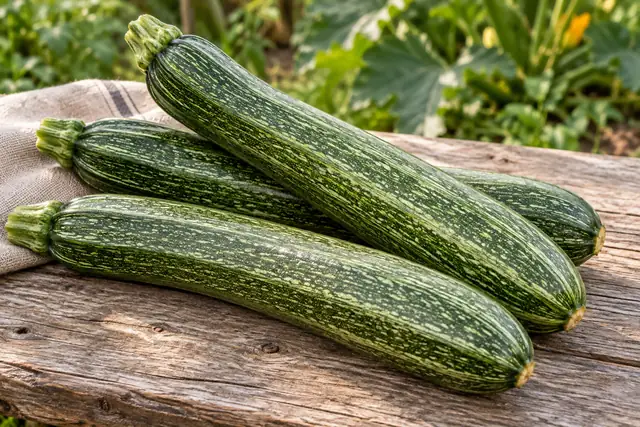
This image was created with AI from described plant characteristics and growing advice. It shows a possible situation and is not a photograph of a verified cultivar.
Long, green courgettes with silvery stripes on a vigorous, non-trailing plant.
Choose Verte d’Italie for long, striped fruits on a bush rather than a truly climbing variety.
No separate flavour profile is given. Choose the silver markings for appearance, and harvest young for the usual mild courgette flavour.
This flavour description applies to the crop; there is no separate tasting result for this variety.The long shape suits courgette ribbons or long grilling slices. Thin cutting keeps the striped edge visible.
Give the vigorous plant enough leaf space and regular water. A supporting stake does not automatically make this variety a climbing type.
Pick young fruits regularly. Do not let long courgettes harden just to admire their silver markings longer.
Also listed as: Verte d'Italie.
Read the source notes →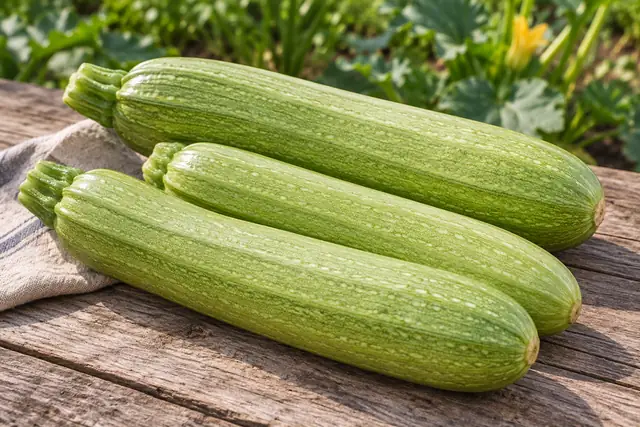
This image was created with AI from described plant characteristics and growing advice. It shows a possible situation and is not a photograph of a verified cultivar.
A traditional Moroccan courgette with elongated fruits and robust growth, interesting for a sunny trial corner.
Choose Tabergmouzt to try a Moroccan selection in a warm position alongside a familiar courgette variety.
A distinct flavour comparison is not described. The kitchen basis is the mild flavour of young courgette; origin alone does not prove extra spiciness.
This flavour description applies to the crop; there is no separate tasting result for this variety.Cut pieces for a spiced vegetable stew or roast long wedges. Mild flesh provides a background for seasoning.
Provide a sunny, warm and fertile position. In a cool spring, planting out later helps more than an early start in cold soil.
Harvest young, elongated fruit regularly. Assess production in your own season; robust growth does not guarantee every Dutch gardening year.
Read the source notes →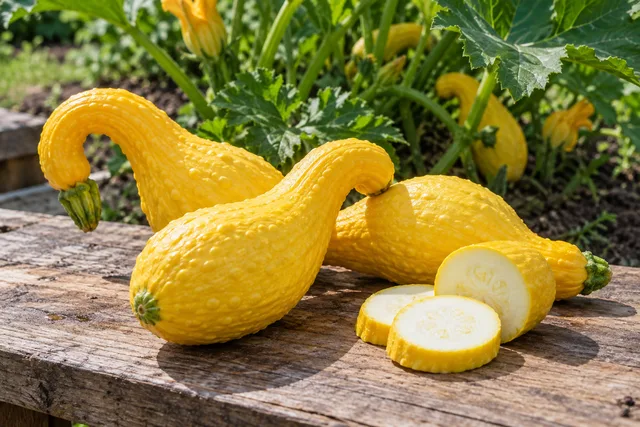
This image was created with AI from described plant characteristics and growing advice. It shows a possible situation and is not a photograph of a verified cultivar.
Bright yellow fruits with a curved neck give this old summer squash its own silhouette among straight courgettes.
Choose Yellow Crookneck for its colour and characteristic neck. The source mentions early production, appealing if you want to try a summer type.
No precise aroma comparison is substantiated. As a summer squash, it is eaten young for tender skin and texture.
This flavour description applies to the crop; there is no separate tasting result for this variety.Cut curved fruits into rounds or short cooking pieces. Combine yellow and green in a simple summer dish.
Provide the same warm, fertile, frost-free start as other summer squash. Prevent the neck becoming trapped between leaf stalks.
Pick young and regularly. Do not let yellow mislead you: it is the normal young variety colour, not proof of overripeness.
Read the source notes →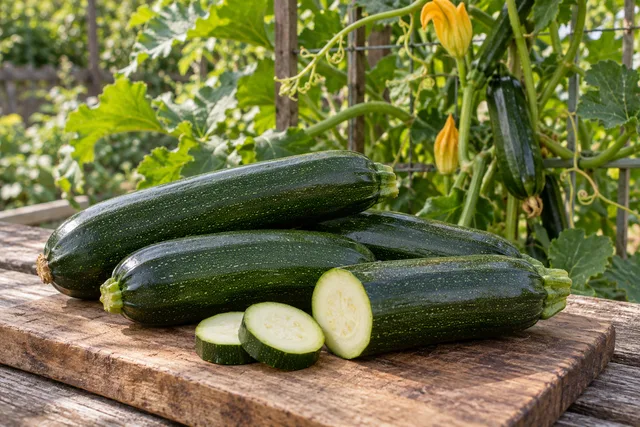
This image was created with AI from described plant characteristics and growing advice. It shows a possible situation and is not a photograph of a verified cultivar.
A genuinely trailing courgette with dark green fruits: suitable for covering a fence or frame with edible growth.
Choose Ola Escaladora for vertical growing; this differs from training an ordinary bush courgette along a stake.
The producer describes tasty fruit without a precise sweetness comparison. Harvesting young remains important for courgette texture.
This flavour description applies to the crop; there is no separate tasting result for this variety.Use young, long fruits for grilling or cut ribbons. The hanging harvest makes picking and checking manageable.
Prepare a sturdy support and tie in the vines regularly with soft ties. They can grow several metres long; leave growing space above and to the sides.
Pick at about 15–20 cm and check higher up the frame too. Support the fruit as you cut the stalk.
Read the source notes →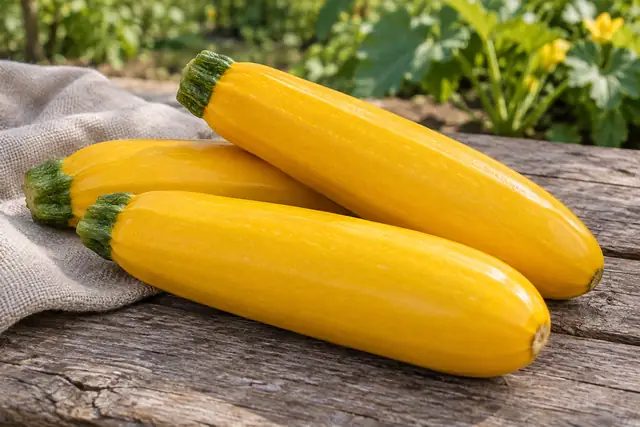
This image was created with AI from described plant characteristics and growing advice. It shows a possible situation and is not a photograph of a verified cultivar.
A yellow offering without a further established cultivar name: a colourful counterpart to green courgettes.
Choose this type if yellow fruit is the main aim. A named variety is clearer for an established growth habit or proven cultivar identity.
The supplier mentions a sweet flavour. This applies to the described offering, without every yellow courgette being the same variety or having the same aroma.
Mix yellow and green pieces in a light summer dish or grill broad slices. Yellow skin adds colour without extra preparation.
Start in warmth and plant outdoors after frost. Provide fertile soil and even watering during fruit growth.
Harvest young with tender skin. Yellow belongs to the type; assess size and texture to determine picking time.
Read the source notes →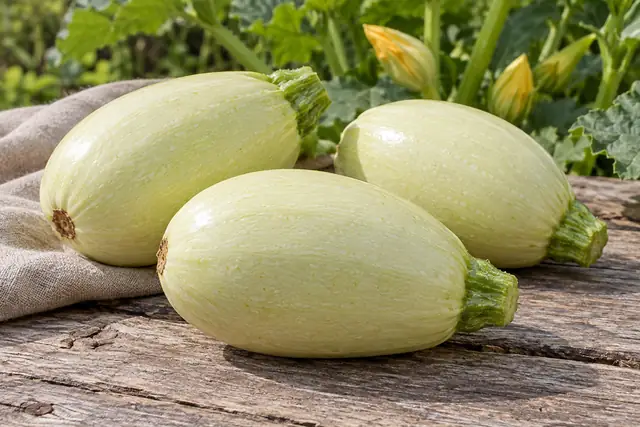
This image was created with AI from described plant characteristics and growing advice. It shows a possible situation and is not a photograph of a verified cultivar.
Almost oval, cream-white to pale green courgettes on a bushy plant: clearly different from a long green cylinder.
Choose this named type for pale, fairly broad courgettes. It offers colour and shape variation without a long vine.
The flesh is described as dense and tasty. No distinct sweet or nutty aroma has been established.
This flavour description applies to the crop; there is no separate tasting result for this variety.Cut firm wedges for roasting or stuff young halves. The broad shape provides more room for filling.
Give the bushy plant room in a fertile plot. Plant only in warm soil after night frost has passed.
Harvest young, pale fruits with tender skin. Do not wait for green: creamy white belongs to this described type.
Read the source notes →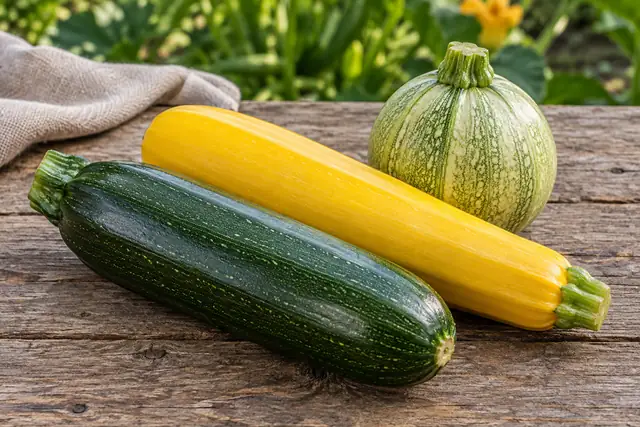
This image was created with AI from described plant characteristics and growing advice. It shows a possible situation and is not a photograph of a verified cultivar.
A seed mixture for different courgettes in one bed, without assigning each plant to a fixed cultivar beforehand.
Choose a mixture when surprise and diversity are more appealing than one uniform harvest. The exact composition is not promised.
The mix has no single distinctive flavour profile. Compare young harvests for soft texture and mild crop flavour.
This flavour description applies to the crop; there is no separate tasting result for this variety.Use the different fruits together on a baking tray. Cut similar-sized pieces so that different shapes can cook evenly.
Label every planted-out seedling separately. You can then recognise which plant produces round, long or differently coloured fruit.
Pick every type young and record which shape you enjoy using. Do not wait for seed maturity for kitchen quality.
Read the source notes →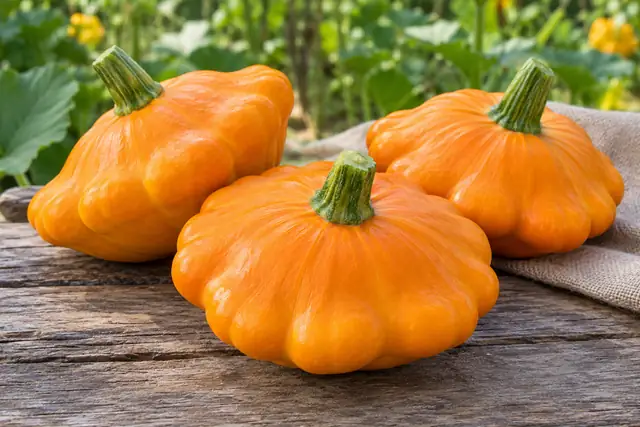
This image was created with AI from described plant characteristics and growing advice. It shows a possible situation and is not a photograph of a verified cultivar.
Bright orange domed discs with fairly thick dark yellow flesh: a colourful summer squash for young harvests.
Choose this selection type for orange colour and the described artichoke note. It is not a precisely established cultivar name.
The described flavour has a slight artichoke-like note. This distinction offers more guidance than the striking skin alone.
Roast young wedges or fry small slices with vegetables. Use a tender, young fruit to include its skin.
Grow in a warm, fertile position and allow enough leaf space. Check beneath broad leaves for new fruits too.
Harvest young, before the skin hardens and the seed cavity enlarges. The attractive shape is no reason to leave edible fruit ripening for a long time.
Read the source notes →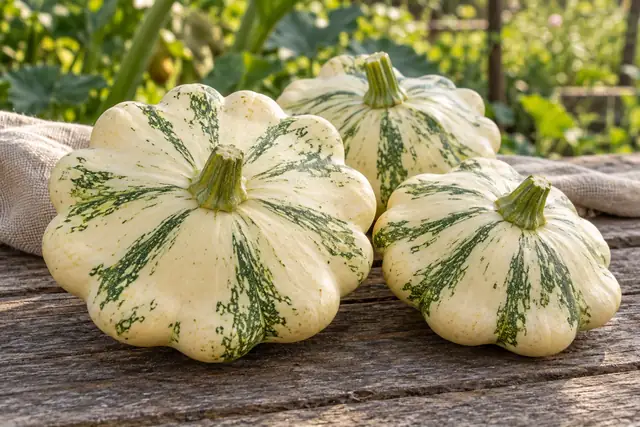
This image was created with AI from described plant characteristics and growing advice. It shows a possible situation and is not a photograph of a verified cultivar.
Cream-coloured fruits with green stripes give this pattypan type an ornamental pattern beside plain white or orange forms.
Choose panaché when the striped appearance matters. The offering name describes a colour type, without a proven distinct cultivar identity.
A separate aroma is not described. When harvested young, it has the usual summer squash texture, which suits frying and roasting well.
This flavour description applies to the crop; there is no separate tasting result for this variety.Cut young discs into wedges and roast with herbs. Leave skin visible for the colour pattern.
Provide humus-rich soil, sun and enough water during fruit growth. Move fruit carefully so that it does not become trapped beneath leaf stalks.
Pick young fruits for eating. Let only a separate fruit grow longer if ornamental value matters more than tender kitchen quality.
Read the source notes →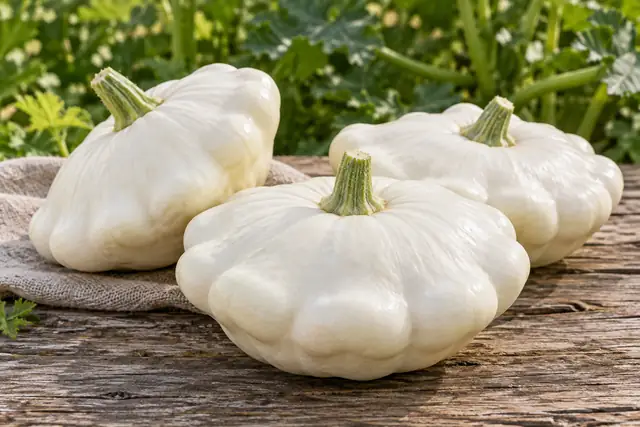
This image was created with AI from described plant characteristics and growing advice. It shows a possible situation and is not a photograph of a verified cultivar.
Milky-white thick discs with lobed edges on a non-trailing plant: the classic pattypan shape.
Choose this type for white pattypans and a bush habit. It clearly contrasts with the yellow-orange variant.
Thick, firm, white flesh with an artichoke-like flavour is described. The young stage is most interesting for eating.
Stuff a small, young disc or fry firm wedges. Do not automatically leave older, hard skin in a soft dish.
Allow a spacious plot for the non-trailing plant and fertile soil. Keep soil evenly moist during fruit set.
Harvest young while skin is tender. Growing larger adds bulk but does not automatically improve texture.
Read the source notes →From a garden bed to a suitable pot or support: give your plant a place that suits your garden and the care you can provide.
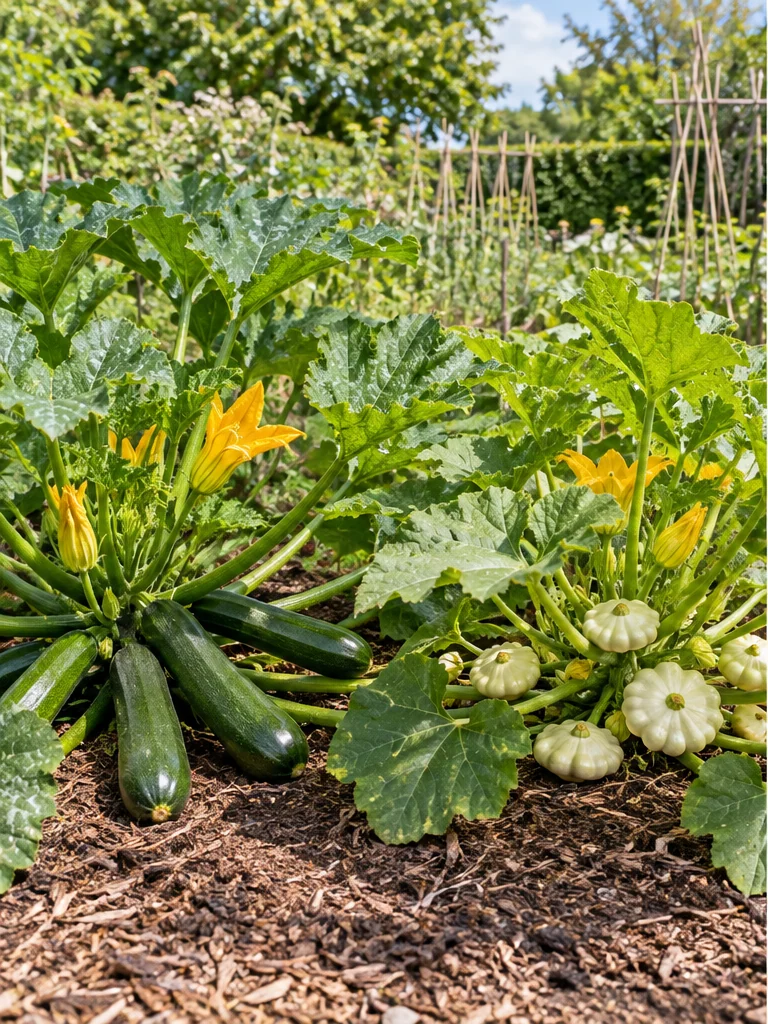
This image was created with AI from described plant characteristics and growing advice. It shows a possible situation and is not a photograph of a verified cultivar.
Courgette or pattypan remains a different project from trailing storage squash.
For many bush courgette and pattypan varieties; not every variety stays equally compact.
Tick off your supplies →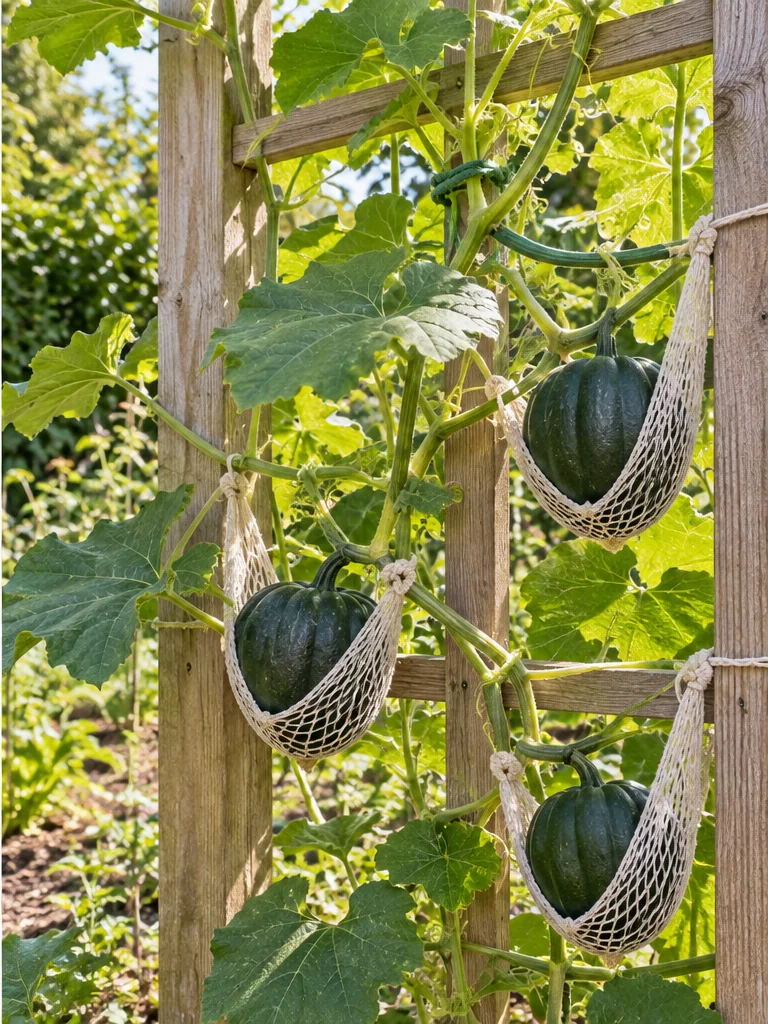
This image was created with AI from described plant characteristics and growing advice. It shows a possible situation and is not a photograph of a verified cultivar.
A suitable trailing type can grow upwards if variety and structure suit it.
For suitable small winter fruits; give large, heavy types a ground bed.
Tick off your supplies →See the confirmed differences. Characteristics without supporting evidence are left blank.
17 of 17 varieties
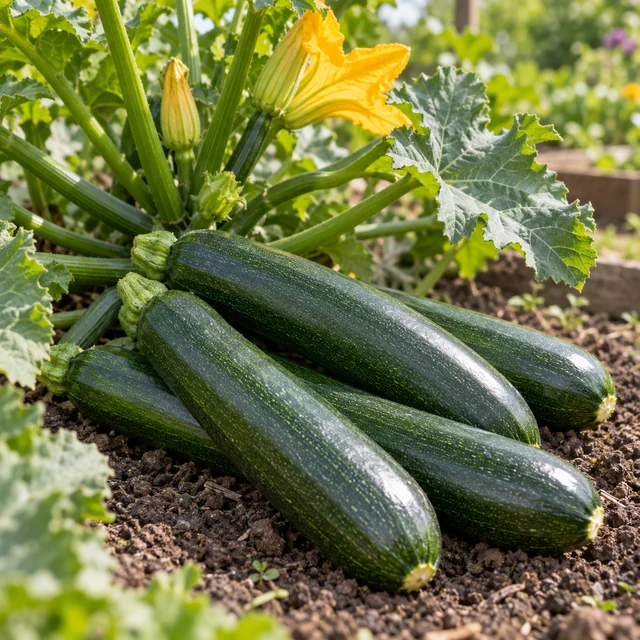
This image was created with AI from described plant characteristics and growing advice. It shows a possible situation and is not a photograph of a verified cultivar.
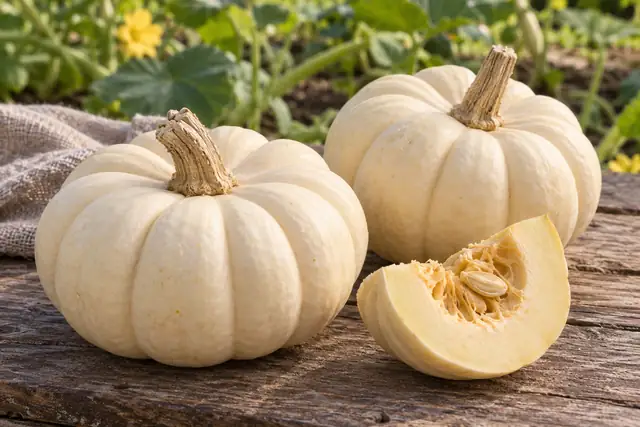
This image was created with AI from described plant characteristics and growing advice. It shows a possible situation and is not a photograph of a verified cultivar.
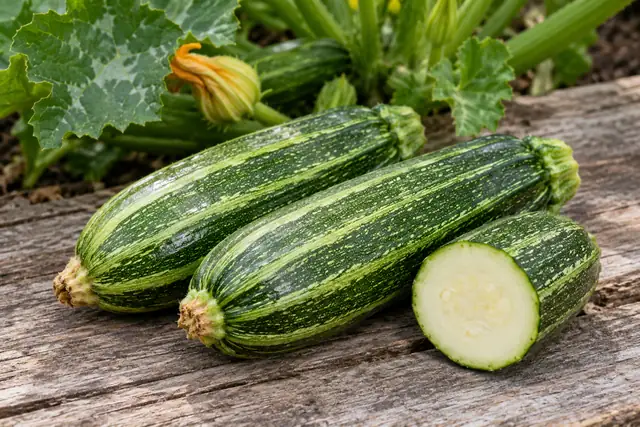
This image was created with AI from described plant characteristics and growing advice. It shows a possible situation and is not a photograph of a verified cultivar.
Explore this variety and use the growing guide to choose a place for your plant.
View variety →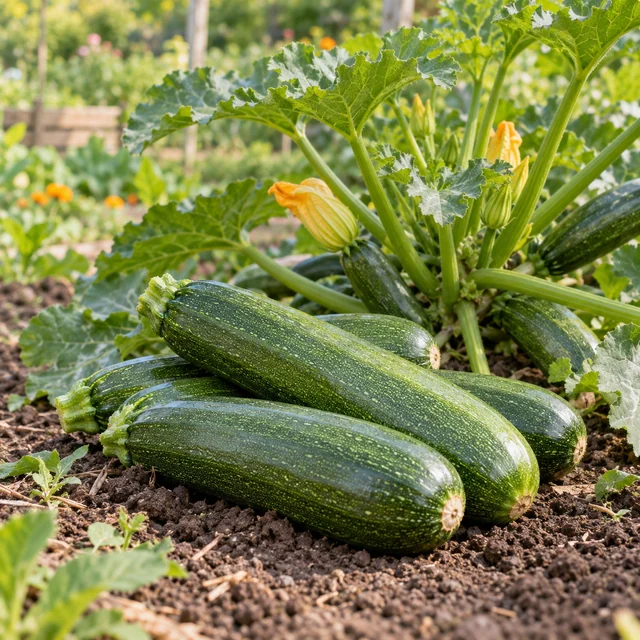
This image was created with AI from described plant characteristics and growing advice. It shows a possible situation and is not a photograph of a verified cultivar.
This image was created with AI from described plant characteristics and growing advice. It shows a possible situation and is not a photograph of a verified cultivar.
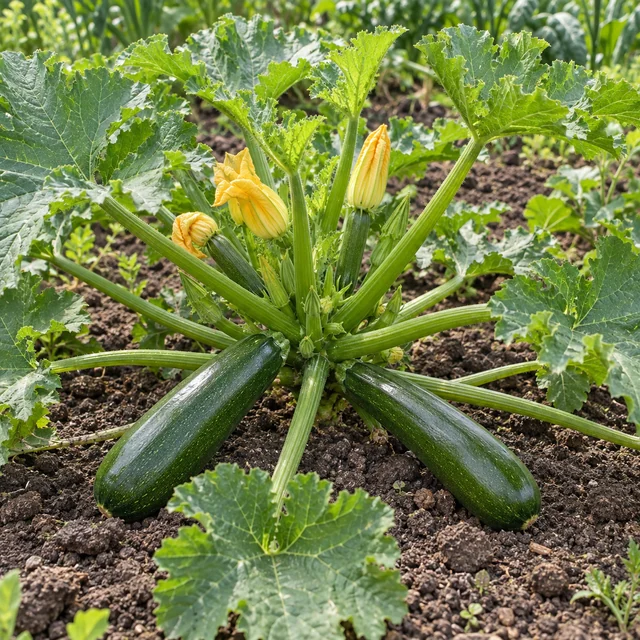
This image was created with AI from described plant characteristics and growing advice. It shows a possible situation and is not a photograph of a verified cultivar.
This image was created with AI from described plant characteristics and growing advice. It shows a possible situation and is not a photograph of a verified cultivar.
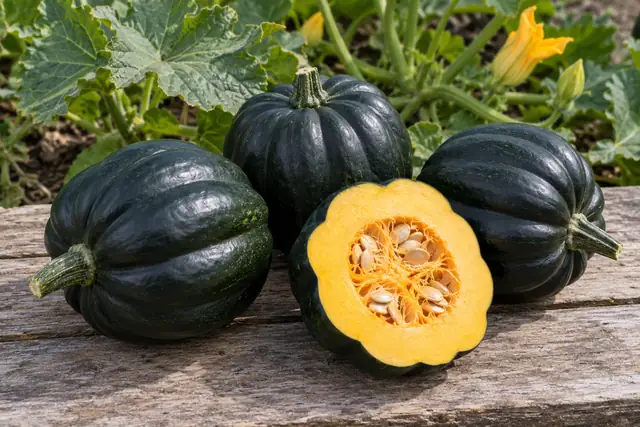
This image was created with AI from described plant characteristics and growing advice. It shows a possible situation and is not a photograph of a verified cultivar.
Explore this variety and use the growing guide to choose a place for your plant.
View variety →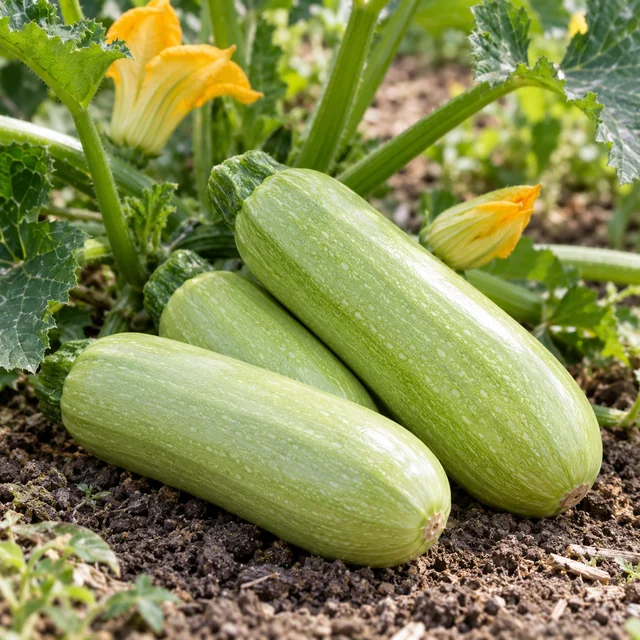
This image was created with AI from described plant characteristics and growing advice. It shows a possible situation and is not a photograph of a verified cultivar.
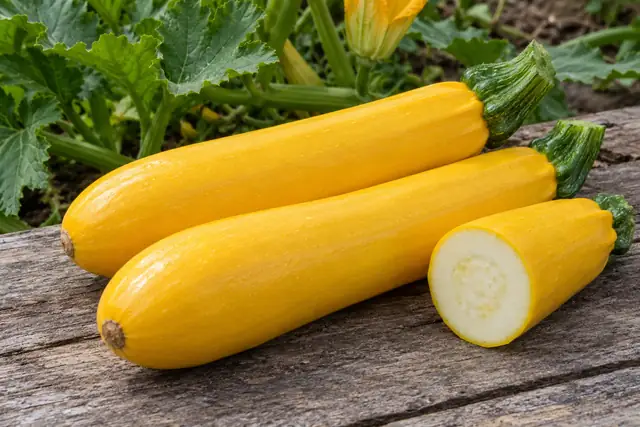
This image was created with AI from described plant characteristics and growing advice. It shows a possible situation and is not a photograph of a verified cultivar.
Explore this variety and use the growing guide to choose a place for your plant.
View variety →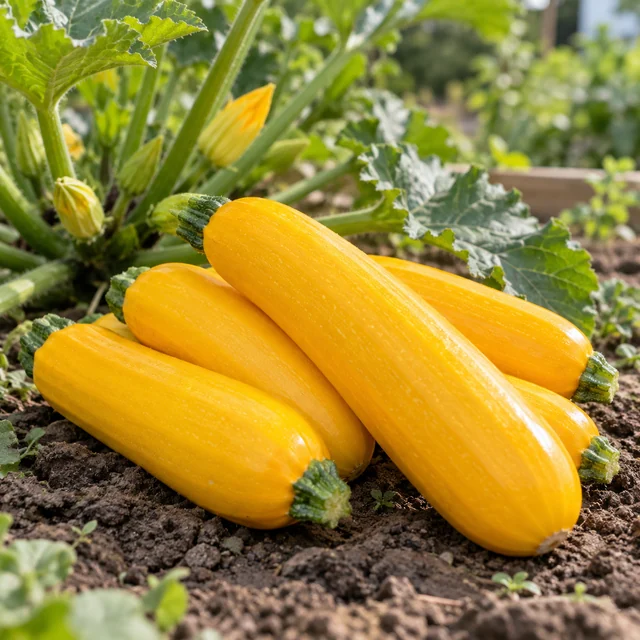
This image was created with AI from described plant characteristics and growing advice. It shows a possible situation and is not a photograph of a verified cultivar.
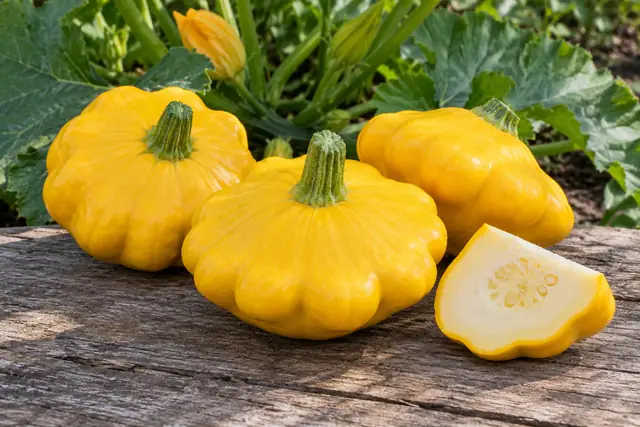
This image was created with AI from described plant characteristics and growing advice. It shows a possible situation and is not a photograph of a verified cultivar.
Explore this variety and use the growing guide to choose a place for your plant.
View variety →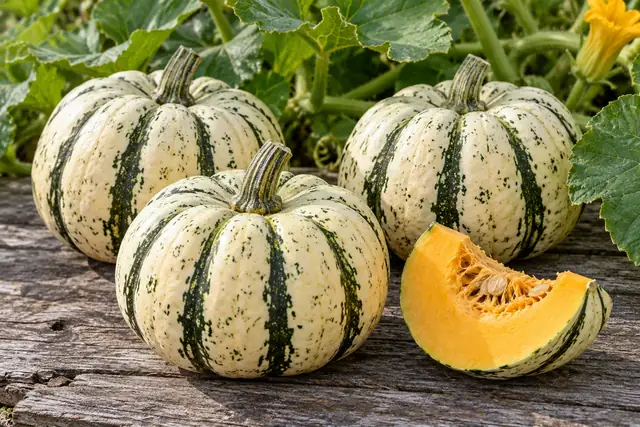
This image was created with AI from described plant characteristics and growing advice. It shows a possible situation and is not a photograph of a verified cultivar.
Explore this variety and use the growing guide to choose a place for your plant.
View variety →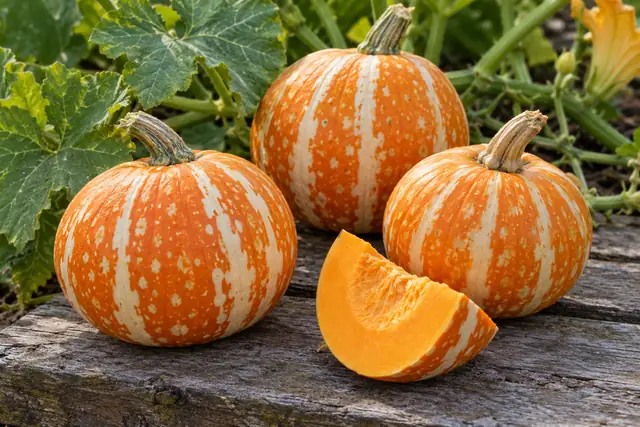
This image was created with AI from described plant characteristics and growing advice. It shows a possible situation and is not a photograph of a verified cultivar.
Explore this variety and use the growing guide to choose a place for your plant.
View variety →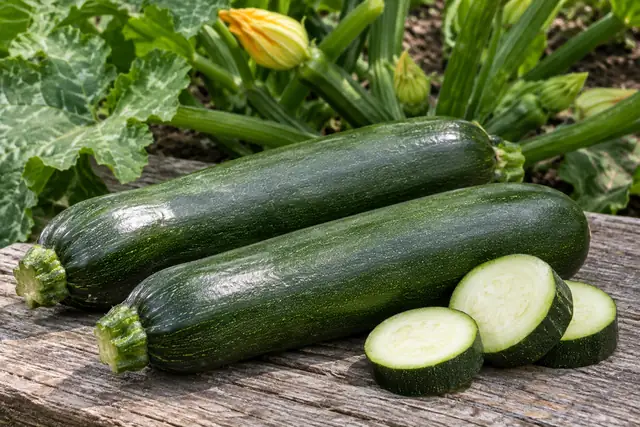
This image was created with AI from described plant characteristics and growing advice. It shows a possible situation and is not a photograph of a verified cultivar.
Explore this variety and use the growing guide to choose a place for your plant.
View variety →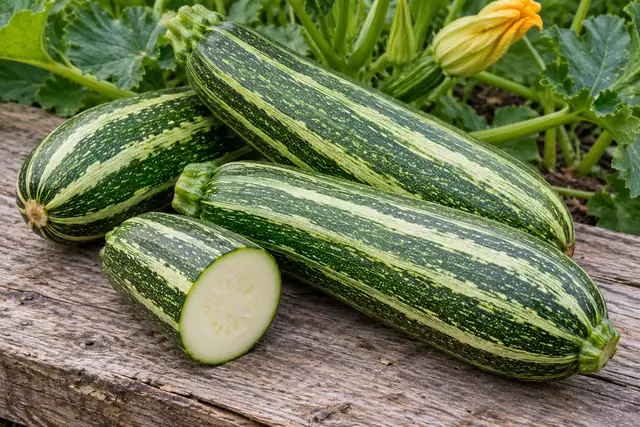
This image was created with AI from described plant characteristics and growing advice. It shows a possible situation and is not a photograph of a verified cultivar.
Explore this variety and use the growing guide to choose a place for your plant.
View variety →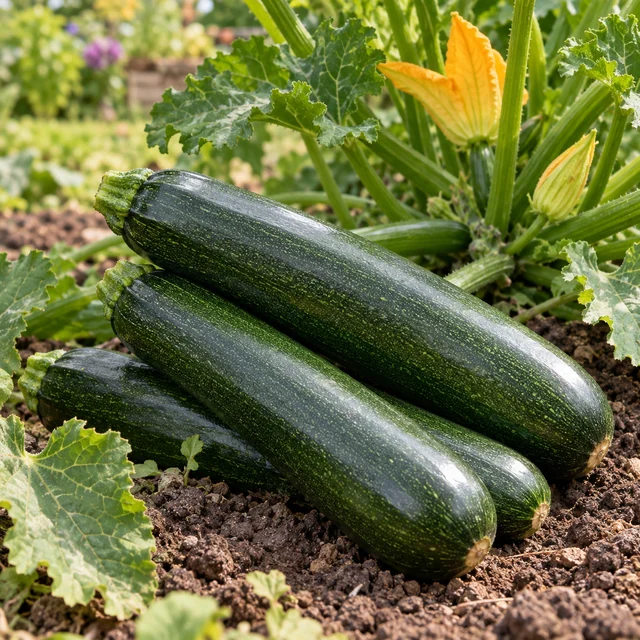
This image was created with AI from described plant characteristics and growing advice. It shows a possible situation and is not a photograph of a verified cultivar.
Choose two to four varieties to compare their source data side by side.
Cucurbita pepo includes courgette, pattypan and several winter squash types. Relationship does not automatically give vine length, final size or storage suitability. Start with variety group and aim. Species explains comparison; variety shapes the garden project.
Summer squash is usually used tender and young. Leave suitable winter types longer to ripen skin and fruit. Label both aims clearly. An oversized, hard courgette does not become equivalent to a winter squash selected for storage.
Many courgettes and pattypans are bushes; other pepo types trail farther. Check room and leave picking paths. Compact does not mean tiny houseplant. Large pots can suit appropriate types but need more water. Plan mature leaves and fruit, not seedlings alone.
Sow in separate spring pots or directly in warm soil. Harden raised plants off and transplant intact roots. Frost and cold nights still limit growth. Winter types need enough remaining season for ripening; choose appropriate varieties locally.
Water where roots are and check beneath surfaces. Leafy plants dry quickly, particularly in pots. Support only when growth requires. Tie loosely with soft materials and inspect. Broad labels can remind which fruit is picked young and which must ripen.
Summer and winter types often bear separate male and female flowers. The immature fruit behind a female flower makes the distinction visible. Pollination and conditions influence fruit set. Do not remove all male flowers without reason. If small fruits develop poorly, check the whole plant and weather before concluding a cultivar is unsuitable.
White coating or damaged leaves call for airflow, moisture and disease assessment. Give space. Do not eat distinctly bitter courgettes or edible pumpkins. Unknown saved crosses may differ; ornamentals are no edible substitute. Prefer identifiable reliable seed with clear variety data next time.
Use young summer squash fresh and pick regularly. Harvest suitable winter types ripe before frost damage with intact stalks. Cure dry and airy and inspect storage. Record aim and variety together to compare daily picking with later supplies.
Tick what you already have. The extras depend on how you grow.
0 of 6 ticked off
Your ticks are saved in this browser.
SeedSteps editorial team · updated on 11 October 2026. The AI images illustrate species and practical growing situations; they do not prove an exact cultivar, observations from your own garden or yield.
Britse gewasadviezen worden gecombineerd met Nederlandse en Vlaamse informatie waar beschikbaar. Amerikaanse Extension-bronnen ondersteunen plantprincipes en herkenning; hun kalenderdata, lokale plaagdruk, bestrijdingsmiddelen en mestdoseringen worden niet rechtstreeks op Nederland of Vlaanderen toegepast. Vorst, bodemwarmte, standplaats en expliciete rasinformatie blijven de lokale controle. Commerciële bronnen onderbouwen uitsluitend benoemde ras- en plantkenmerken; zij zijn geen affiliate-aanbeveling.
Supporting evidence by chapter: The species name is not a complete growing description: University of Minnesota Extension, University of Minnesota Extension. Young picking and ripe storage need different rhythms: University of Minnesota Extension, University of Minnesota Extension. Choose growth habit before arranging the bed: Royal Horticultural Society, Utah State University Extension. Give both approaches a warm, steady start: Royal Horticultural Society, Utah State University Extension. Water belongs at the roots, support suits the growth habit: Royal Horticultural Society, University of Minnesota Extension. Let pollinators do their work: Utah State University Extension, University of Minnesota Extension. Study leaves and treat bitterness as a warning: Royal Horticultural Society, Bundesinstitut für Risikobewertung. Give every harvest suitable treatment: University of Minnesota Extension, University of Minnesota Extension.
