Why grow Vit?
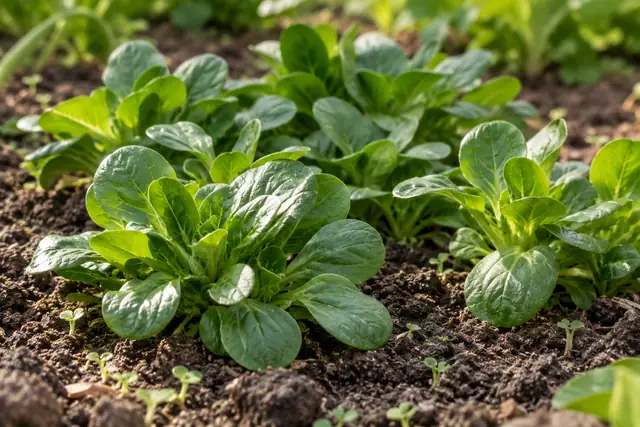
Vit is a productive, dark green lamb's lettuce with round leaves. The source mentions mildew tolerance without promising disease immunity.
Choose Vit to follow round lamb's lettuce leaves and a named selection. Even tolerant material needs healthy-leaf checks.
How this choice tastes
A distinct Vit aroma is not described. Productivity and the stated disease-related characteristic are the substantiated selection points.
From harvest to kitchen
Use rosettes fresh in salad or on sandwiches. Wash gently to avoid damaging young leaves.
What needs attention when growing
Sow for cool conditions and keep the germination layer moist. The described germination temperature does not suit an overheated summer container.
Harvest healthy rosettes once usable. Do not automatically include damaged leaves because the variety is called tolerant.
Choose by flavour, shape and use
Groen Volle Hart: Compact rosettes with round, smooth, dark green leaves. The full centre defines the shape. Use a small rosette whole in salad and rinse out soil carefully, keeping its full heart visible.
The source gives no separate aroma for this cultivar. Typical lamb’s lettuce use is crop information, not a unique flavour promise.
Vit: Vit is a productive, dark green lamb's lettuce with round leaves. The source mentions mildew tolerance without promising disease immunity. Use rosettes fresh in salad or on bread. Wash gently to avoid damaging young leaves.
A distinct Vit aroma is not described. Productivity and the stated disease-related characteristic are the substantiated selection points.
Choose the type to suit your harvest
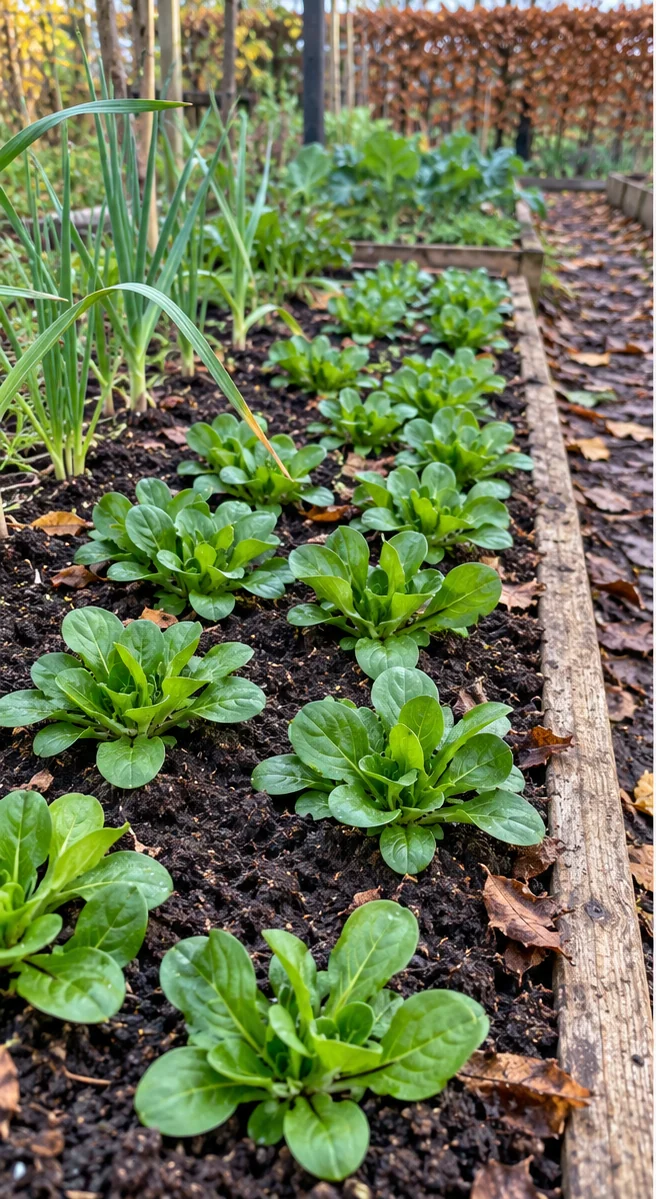
Lamb's lettuce is a distinct plant, not a head-lettuce variety. Small rosettes need little space. Choose a variety for autumn or winter harvest and expect slower growth in dark months than a warm spring crop.
A small, sound start
Sow directly in a fine, moist bed once the greatest heat has passed. Cover lightly and keep the germination zone moist. Overwarm sowing can emerge slowly or unevenly; do not force it with ever more water.
Light and soil that can drain
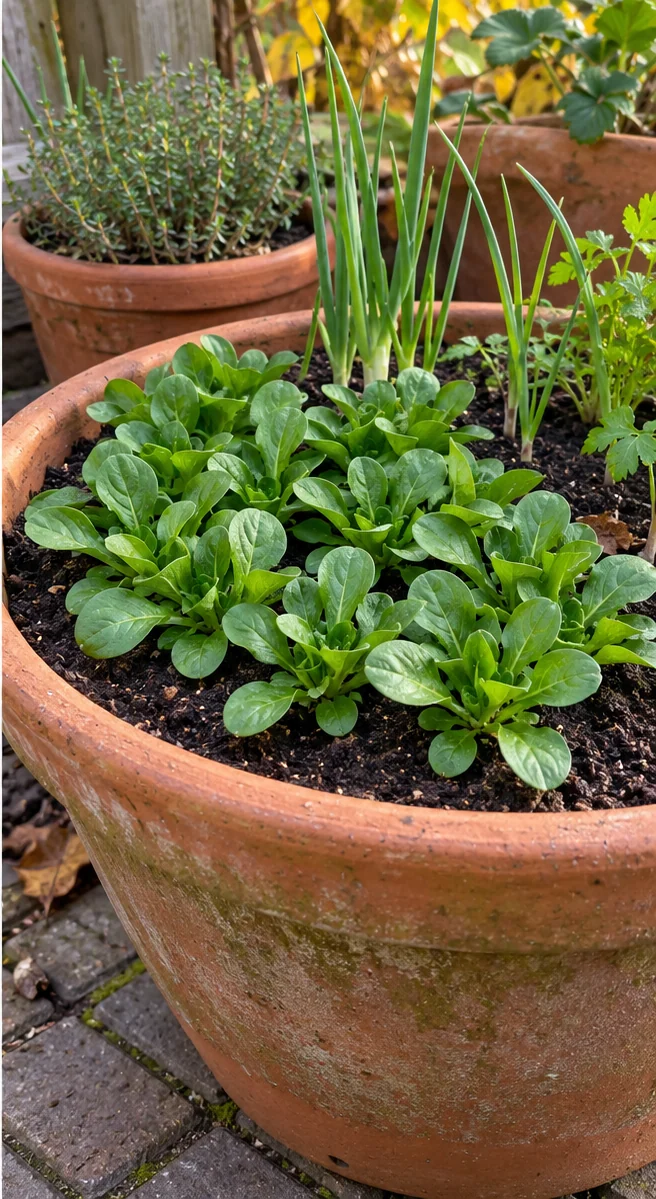
Choose a bright spot and prepare a fine enough surface for the small seeds or young rootballs. Water must be able to drain away after rain. In a pot, check that the drainage holes are clear; a layer of wet soil does not help produce a healthy leaf harvest.
Care for the young leaves
Thin crowded groups carefully and keep small rosettes weed-free. Persistently wet foliage can develop mould in autumn. Good drainage and airflow then matter more than a dense, warm covering across the whole row.
Harvest for quality
Cut usable rosettes carefully just above soil or harvest a little leaf. Prefer picking what you will use immediately. With frozen plants, wait for thawing to avoid bruising vulnerable rosettes.
Recognise what the leaves tell you
Poor emergence can reflect excessive temperature or a drying germination zone. Rotting leaves call for checking density, ventilation and wet soil. Slugs can eat tender seedlings; inspect a wet autumn bed regularly.
Fresh leaves start with a small picking
Harvest at a cool time and keep the leaves cool after picking. Wash them before use and remove damaged parts. A small fresh portion wastes less than harvesting a whole container when you only need a handful.
Make room for the next round
Record sowing and the first harvest so you can compare what works in your space next season. Do not leave an empty row unplanned for long. A new batch within a suitable window gives a better spread than hoping overmature leaves will become young again.
Protect a winter row without enclosing it
In severe weather, a cold frame or fleece can shelter rosettes. Arrange protection without flattening young plants for long periods. Check underneath for slugs and wet damaged leaves. In milder weather, remove the extra layer or ventilate to restore airflow. A cover helps against weather but cannot correct late sowing: limited winter day length still determines how much new leaf grows.