Loading the garden guide…
Loading the garden guide…
Biscia Rossa heeft bronsgroen, ingesneden blad en wordt als snijsla geteeld. De Italiaanse alias beschrijft gekruld blad voor snijgebruik. Kies deze selectie wanneer je een traditioneel snijblad met een bronstint zoekt. Het aanbod onderscheidt zich van een gesloten kropsla.
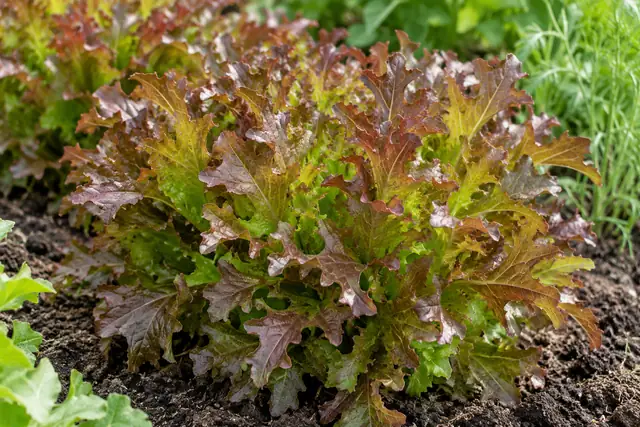
This image was created with AI from described plant characteristics and growing advice. It shows a possible situation and is not a photograph of a verified cultivar.
This growing advice helps you choose. Your variety, growth stage, weather and conditions in your space determine the actual timing.
Koel voorzaaien of direct zaaien · Lettuce
Februari–augustus, naar rasZaai op een lichte, niet hete plek. Een warme zolder kan te warm zijn.
Kies een voorjaar-, zomer- of winterras. Aspergesla heeft een ander oogstdoel dan kropsla; volg het eigen rasvenster.
Royal Horticultural Society · RHS — sla kweken ↗Soort- of productgebonden bron; buitenlandse perioden zijn geen vaste Nederlandse zaaidatum.
Utah State University Extension · USU Extension — sla in de tuin ↗Soort- of productgebonden bron; buitenlandse perioden zijn geen vaste Nederlandse zaaidatum.
Guideline periods for the Netherlands and Flanders. Check the variety, available light, soil and measured temperatures. Greenhouse heating does not guarantee enough winter light.
The source context and any limitations are in the background information at the bottom.
Compare with another varietyDe bron noemt mals blad, maar geen eigen aroma. De naam 'Rossa' wordt niet vertaald naar een onbewezen rode-kleursmaak.
This flavour description applies to the crop; a separate taste test for this variety is not supported by evidence.Use a portion of young leaves as a salad base. The loose form makes it easy to mix with differently shaped leaves.
Why choose it? Kies deze selectie wanneer je een traditioneel snijblad met een bronstint zoekt. Het aanbod onderscheidt zich van een gesloten kropsla.
The options below belong to the plant. From these, choose the method that suits your variety's growth habit.
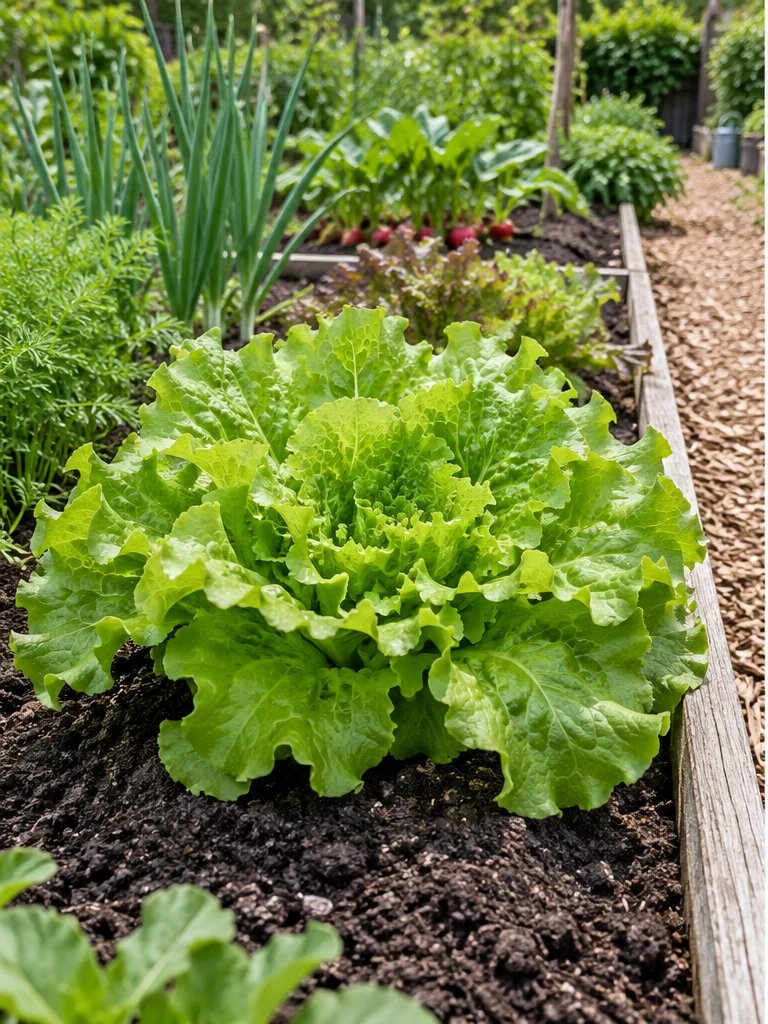
This image was created with AI from described plant characteristics and growing advice. It shows a possible situation and is not a photograph of a verified cultivar.
Met een kleine rij sla maak je de verzorging overzichtelijk. Kies het juiste seizoen, houd het bed vrij van onkruid en volg het blad. Een volgende portie kun je plannen wanneer je ziet hoeveel je werkelijk gebruikt.
For anyone with a small bed or a space available after another harvest.
Tick off your supplies →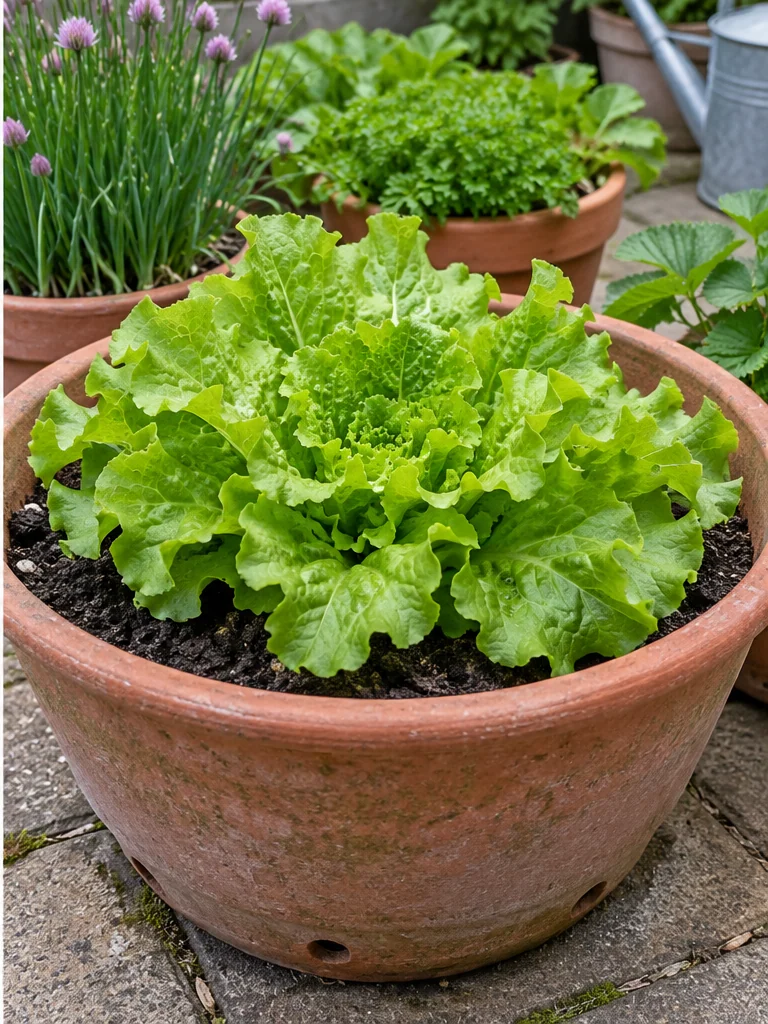
This image was created with AI from described plant characteristics and growing advice. It shows a possible situation and is not a photograph of a verified cultivar.
Losse bladsla is prettig in een brede pot. Je kunt alleen oogsten wat je nodig hebt en ziet makkelijk wanneer een volgende zaai nodig is. Houd genoeg ruimte voor licht en lucht tussen de rozetten.
For limited space or a smaller, more accessible leaf crop.
Tick off your supplies →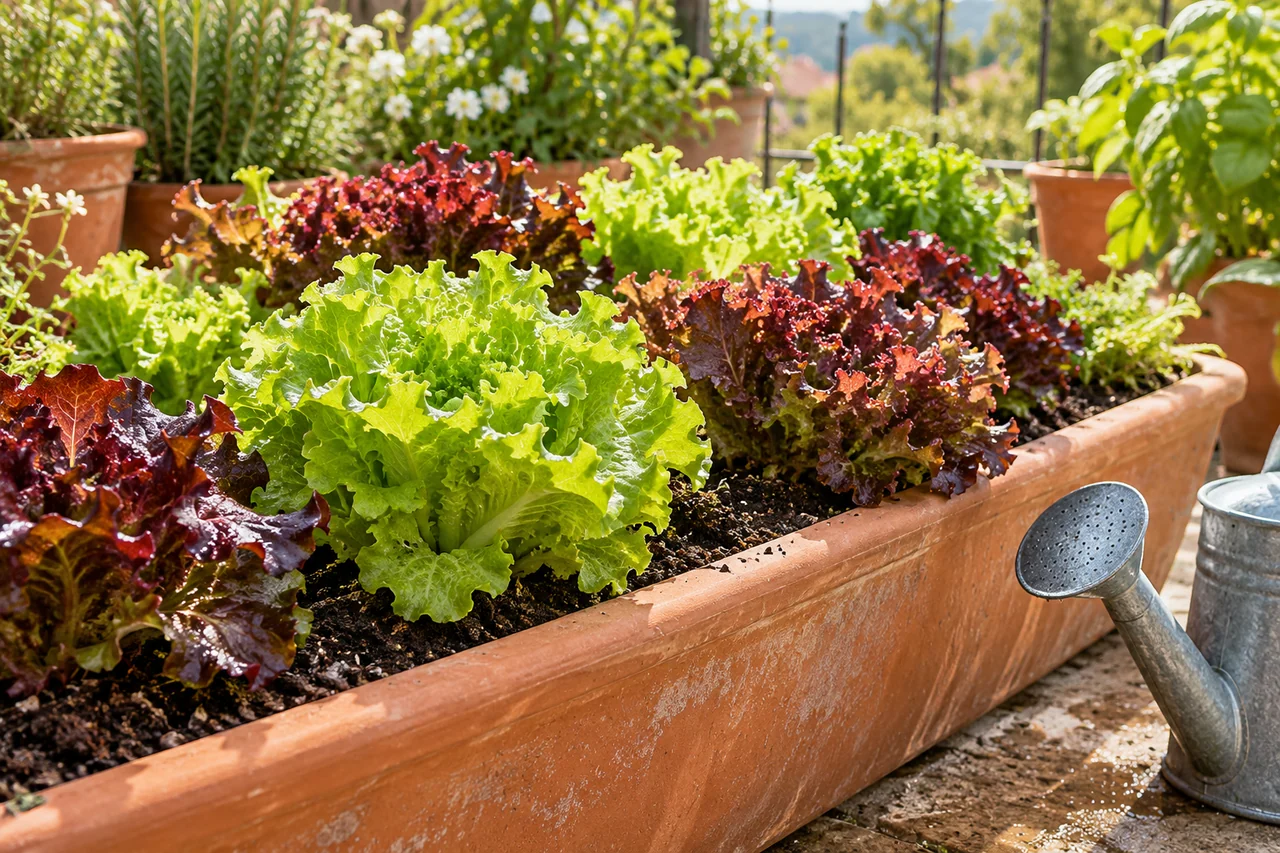
This image was created with AI from described plant characteristics and growing advice. It shows a possible situation and is not a photograph of a verified cultivar.
Use a roomy container with drainage holes and keep the potting compost evenly moist. Give the plants space and gradually pick the outer leaves.
View your supplies →Biscia Rossa has bronze-green, deeply cut leaves and is grown as cutting lettuce. Its Italian alias describes curled leaves for cutting.
Kies deze selectie wanneer je een traditioneel snijblad met een bronstint zoekt. Het aanbod onderscheidt zich van een gesloten kropsla.
De bron noemt mals blad, maar geen eigen aroma. De naam 'Rossa' wordt niet vertaald naar een onbewezen rode-kleursmaak.
Use a portion of young leaves as a salad base. The loose form makes it easy to mix with differently shaped leaves.
Zaai kleine opeenvolgende hoeveelheden en houd de grond vochtig. Een plek met wat halfschaduw kan bij warm weer praktisch zijn.
Cut young, usable leaves and retain the growing point if you want regrowth. Harvest before leaves become too coarse for your salad.
Chou de Naples: Chou de Naples is a Batavia lettuce with lightly curled leaves and a firm, not fully closed heart. Its name does not make it a cabbage crop. Use the crisp leaves on bread or in a substantial main-meal salad. Outer leaves and a whole heart provide different portion sizes.
The product source describes a fresh, mild flavour. The crisp leaf texture also contributes to the eating experience.
Soissons: Soissons is a French Batavia lettuce with large, firm green hearts. The lightly curled leaves fill a generous bowl. Use the leaves in a summer salad or as a crisp layer on bread. A whole heart can be divided between several preparations.
The source describes the flavour as fresh and mild, with crisp leaves that are more tender than typical iceberg lettuce.
Queue de Truite: Queue de Truite has green leaves with red speckles and forms a small cos lettuce. It is a Lactuca lettuce, despite the retail alias 'Witloof panaché'. Use small leaves whole or cut a heart into strips. The speckles remain most recognisable when served fresh.
The source describes crisp leaves but no distinct aroma profile. The name does not justify a chicory or witloof flavour.
Speckled Amish: Speckled Amish is a traditional butterhead lettuce with light green leaves and reddish-brown speckles. The heart stays loose and the leaves are tender. Use the tender leaves in larger pieces and add dressing only shortly before eating. This keeps the speckled pattern visible.
The source does not confirm a distinct aroma. 'Mild appearance' describes the look and is not used as evidence of flavour.
Hearting, cos and loose-leaf lettuces are harvested differently. A closed heart needs more time and space than young picked leaves. Choose a type that suits your cooking routine and look for a cultivar intended for cool growing for autumn.
Sow small batches in clean compost and give emerging seedlings light. Lettuce germinates less well in great heat; choose a cooler sowing position then. Hearting lettuce can be started in modules, while a thinly sown leafy edging is manageable directly in the bed.
Choose a bright spot and prepare a fine enough surface for the small seeds or young rootballs. Water must be able to drain away after rain. In a pot, check that the drainage holes are clear; a layer of wet soil does not help produce a healthy leaf harvest.
Thin young plants in good time or plant individual rootballs at the cultivar's spacing. A lettuce does not form a good heart if its leaves compete with too many neighbours. Keep the soil moist and remove weeds that shade small lettuce seedlings.
Cut a filled-out heart all at once or pick young outer leaves from loose-leaf lettuce. Leave the growing centre if you want to continue harvesting. Assess the leaves, not just a planned date: warmth can change the harvest more quickly.
Slugs can eat almost all of the first young plants. Look for feeding damage and hiding places early. A central stem rising quickly indicates bolting; the leaves may become more bitter. Sow another small batch in a more suitable position or a better season.
Harvest at a cool time and keep the leaves cool after picking. Wash them before use and remove damaged parts. A small fresh portion wastes less than harvesting a whole container when you only need a handful.
Record sowing and the first harvest so you can compare what works in your space next season. Do not leave an empty row unplanned for long. A new batch within a suitable window gives a better spread than hoping overmature leaves will become young again.
Tick what you already have. The extras depend on how you grow.
0 of 5 ticked off
Your ticks are saved in this browser.
SeedSteps editorial team · updated on 11 October 2026. The AI images illustrate species and practical growing situations; they do not prove an exact cultivar, observations from your own garden or yield.
Britse gewasadviezen worden gecombineerd met Nederlandse en Vlaamse informatie waar beschikbaar. Amerikaanse Extension-bronnen ondersteunen plantprincipes en herkenning; hun kalenderdata, lokale plaagdruk, bestrijdingsmiddelen en mestdoseringen worden niet rechtstreeks op Nederland of Vlaanderen toegepast. Vorst, bodemwarmte, standplaats en expliciete rasinformatie blijven de lokale controle. Commerciële bronnen onderbouwen uitsluitend benoemde ras- en plantkenmerken; zij zijn geen affiliate-aanbeveling.
Supporting evidence by chapter: Waarom Biscia Rossa kweken?: Feggies. How this choice tastes: Feggies. From harvest to kitchen: Feggies. What needs attention when growing: Feggies. Choose by flavour, shape and use: Feggies, Feggies, Feggies, Feggies. Choose the type to suit your harvest: Royal Horticultural Society, Utah State University Extension. A small, sound start: Royal Horticultural Society, Utah State University Extension. Light and soil that can drain: Royal Horticultural Society, Utah State University Extension. Care for the young leaves: Royal Horticultural Society, Utah State University Extension. Harvest for quality: Royal Horticultural Society, Utah State University Extension. Recognise what the leaves tell you: Royal Horticultural Society, Utah State University Extension. Fresh leaves start with a small picking: Royal Horticultural Society, Utah State University Extension. Make room for the next round: Royal Horticultural Society, Utah State University Extension.
Vruchtvorm: Ingesneden eikenbladachtig snijblad Beschrijving van de genoemde rasbron; geen eigen tuinwaarneming. Feggies
Hoofdkleur: Bronsgroen Beschrijving van de genoemde rasbron; geen eigen tuinwaarneming. Feggies
