Skip to content
SeedStepsYour vegetable garden, one step at a time.My garden
Plants and varieties for your garden

Search the knowledge base

Search common names, botanical names and varieties.

Clear filters

165 results for ‘zaaien’

Page 6
Gardening guide

Sonca Orange: discover its flavour and how to grow it

A Hungarian butternut selection with fruits of about 1.5–2 kg and firm orange flesh. Choose Sonca Orange when a described hazelnut note matters and you want to try a medium-sized butternut.

Read more
Gardening guide

Dickinson Moschata: discover its flavour and how to grow it

Large, round, lightly ribbed fruits with ochre skin and orange flesh: a squash for many portions at once. Choose Dickinson Moschata for plenty of usable flesh per fruit. Honeynut is handier for one small meal.

Read more
Gardening guide

Futsu Black: discover its flavour and how to grow it

Small, flattened Japanese squash with deep ribs turn dark green to ochre: a variety with clear ripening changes. Choose Futsu Black for nutty flavour and small, strongly ribbed fruits instead of smooth butternut.

Read more
Gardening guide

Honeynut: discover its flavour and how to grow it

A small butternut with orange flesh: the manageable size suits preparing in halves. Choose Honeynut for small butternuts and pronounced sweetness rather than one large storage fruit per harvest.

Read more
Gardening guide

Red Kuri: discover its flavour and how to grow it

Orange-red, medium-sized, fig- or top-shaped squash with fine, delicate skin: a recognisable small kuri selection. Choose Red Kuri for the described chestnut profile and more manageable fruit. Different kuri names are not automatically the same seed line without selection data.

Read more
Gardening guide

Musquée de Provence: discover its flavour and how to grow it

A large, flat French squash with orange-brown skin: a traditional centrepiece for the autumn kitchen. Choose this selection for large, flat squash with a described soft, nutty culinary profile and sufficient garden space.

Read more
Gardening guide

Hubbard blauw: discover its flavour and how to grow it

Blue-grey, elongated, spindle-shaped fruits with rough, thick skin and excellent culinary flesh inside. Choose Hubbard blauw for blue skin and plenty of flesh per fruit. The large size is less convenient for small individual portions.

Read more
Gardening guide

Jack O’Lanterne: discover its flavour and how to grow it

A round, slightly elongated orange squash with smooth skin: the recognisable Halloween lantern shape. Choose Jack O’Lanterne for a recognisable carving and ornamental shape that also provides usable flesh.

Read more
Gardening guide

Albenga: discover its flavour and how to grow it

Long, strongly curved Italian squash can form trombone shapes, with light green skin turning ochre later. Choose Albenga for spectacular length and curved fruits. The source also names this variety Tromboncino.

Read more
Gardening guide

Marina di Chiogga: discover its flavour and how to grow it

Dark green-blue ribbed squash with warty skin and a turban-like top: an unusual Italian autumn form. Choose Marina di Chiogga for a heavy decorative shape and storage harvest, allowing room for fruits weighing a few kilos.

Read more
Gardening guide

Galleux d’Eysines: discover its flavour and how to grow it

Salmon-coloured, flattened fruits develop corky protrusions: a striking skin characteristic of this variety. Choose Galleux d’Eysines for sweet flesh and a highly recognisable autumn appearance. The normal corky patches are no reason to avoid the variety.

Read more
Gardening guide

Giant Atlantic: discover its flavour and how to grow it

A trailing selection for very large, orange, flattened squash: mainly a growing project for space and size. Choose Giant Atlantic to experiment with large fruits, not because size automatically means more flavour.

Read more
Gardening guide

Waltham Butternut: discover its flavour and how to grow it

A familiar butternut with sweet, orange flesh and winter storage potential when the harvest is healthy and ripe. Choose Waltham Butternut for a named, classic butternut when a supply for several meals matters.

Read more
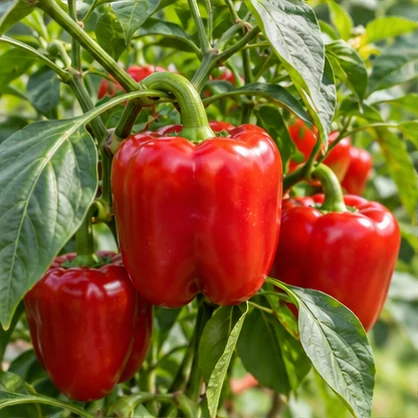
Illustrative species image of Growing sweet peppers: warmth, gentle support and colour on the plant
AI illustration

This image was created with AI from described plant characteristics and growing advice. It shows a possible situation and is not a photograph of a verified cultivar.

Gardening guide

Growing sweet peppers: warmth, gentle support and colour on the plant

A sweet pepper in a large pot can bring colour to a balcony for weeks. In a greenhouse, the plant enjoys a longer warm season. See how a loose tie supports a fruit-bearing branch and follow the fruit from young green peppers to your variety’s final colour.

Read the growing guide →
Gardening guide

Pink Jumbo Banana: discover its flavour and how to grow it

Large, salmon-coloured, cylindrical fruits have a long, banana-like shape: a squash capable of filling a large bed. Choose Pink Jumbo Banana for long, salmon-coloured fruits and many portions rather than small culinary fruits.

Read more
Gardening guide

Merveille de Kelvedon: discover its flavour and how to grow it

Early, low-growing shelling pea of about fifty centimetres. Choose this variety for an early harvest without tall climbing supports. A low row makes a manageable bed and can give way to the next crop after harvesting. Kelvedon Wonder names the same variety, not another choice.

Read more
Gardening guide

Baby Boo: discover its flavour and cultivation

Miniature, cream-coloured, strongly ribbed, flattened squash: small fruit on a plant that may still need considerable growing space. Choose Baby Boo for small, pale autumn fruit that also looks attractive on the table. Small fruit does not automatically mean a small container plant.

Read more
Gardening guide

Giraumon Turban Turc: discover its flavour and how to grow it

A coloured turban shape in red, yellow, green and white: each fruit is a striking autumn object with edible flesh too. Choose this variety when unusual fruit shape matters and you enjoy using a decorative harvest in the kitchen too.

Read more
Gardening guide

Hiver de Provance: discover its flavour and how to grow it

A strongly trailing, late selection with broad, flattened, deeply ribbed fruits; dark green skin later takes an ochre tint. Choose this offering when a long, warm season is available and the musky profile appeals. The name resembles other Provence selections without a proven separate identity.

Read more
Gardening guide

Rouge vif d’Étampes: discover its flavour and cultivation

A broad, flat, orange-red French squash with a fairy-tale autumn appearance and plenty of culinary flesh. Choose this variety for a large, flat autumn squash. Mini or small kuri types are more practical for one meal's small portions.

Read more
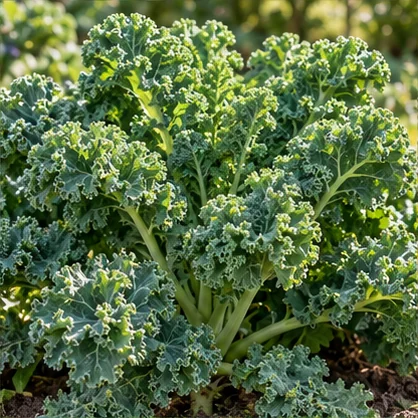
Illustrative species image of Kale: pick your winter meal leaf by leaf
AI illustration

This image was created with AI from described plant characteristics and growing advice. It shows a possible situation and is not a photograph of a verified cultivar.

Gardening guide

Kale: pick your winter meal leaf by leaf

Planting kale in summer gives you a garden you can still harvest from later. Small young leaves can reach the kitchen earlier; large winter plants offer a different rhythm. Choose a height, leaf colour and growing period that suit your bed and how you want to pick.

Read the growing guide →
Gardening guide

Pantos: discover its flavour and how to grow it

A vigorous mid-late variety with conical, red fruits and thick, juicy flesh. Choose Pantos when thick, juicy flesh matters more than the earliest possible harvest.

Read more
Gardening guide

Ampuis: discover its flavour and how to grow it

An old French mid-season variety with red, strongly wrinkled, lantern-shaped fruits and thin skin. Choose Ampuis when drying is important and you want an unusual lantern shape.

Read more
Gardening guide

Sweet Chocolate: discover its flavour and how to grow it

An early-ripening bell pepper with a striking chocolate-brown final colour and somewhat thicker skin. Choose Sweet Chocolate for early, brown bell-shaped fruits to contrast with uniformly red or yellow peppers.

Read more