
Orache
Green orache is a relatively fast-growing leafy vegetable. The product source compares its development with the slower red colour form.
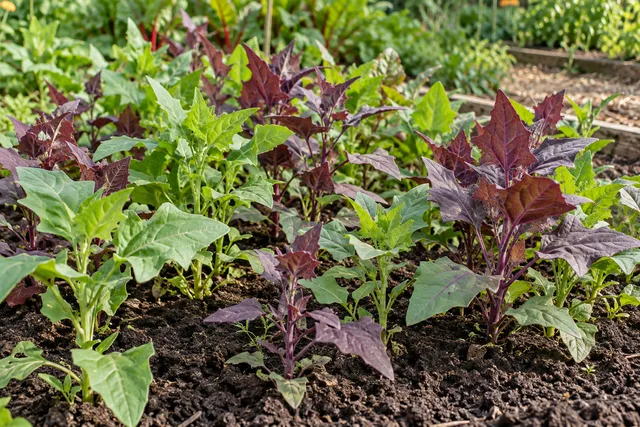
This image was created with AI from described plant characteristics and growing advice. It shows a possible situation and is not a photograph of a verified cultivar.
- Botanical name
- Atriplex hortensis
- Lifespan
- Annual
- Forms
- Green and red orache
- Harvest aim
- Young leaves; older stems can become fibrous
This growing advice helps you choose. Your variety, growth stage, weather and conditions in your space determine the actual timing.
Sowing under cover and raising seedlings
Sow directly or start under cover according to species · Orache
March–July for young leavesSow directly according to species and product instructions; choose density for your growing aim.
- Germination and temperature
- Use the germination requirements for the species and seed offered; there is no shared temperature for this group.
- After emergence
- Keep the seed row identifiable, moist and weed-free. Give any tray-grown seedlings enough light after emergence.
- Pricking out and potting on
- Thin a direct sowing according to the growing aim. For raising in pots, follow the supplier’s instructions and keep the root ball intact.
- Hardening off and planting out
- Direct-sown plants stay in place. If the packet says to start in pots, acclimatise them gradually before planting out.
Orache can bolt quickly in heat and drought; plan small sowings for young leaves. The period shown follows the named producer; check your own cultivar and growing aim.
Sources and use
De Bolster · Tuinmelde telen ↗Nederlandse producent of teeltbron; de rasinstructie blijft leidend.
De Bolster · Tuinmelde Rood ↗Nederlandse producent of teeltbron; de rasinstructie blijft leidend.
Guideline periods for the Netherlands and Flanders. Check the variety, available light, soil and measured temperatures. Greenhouse heating does not guarantee enough winter light.
A different flavour, a different harvest.
Choose by more than the name. Discover how these varieties and crop types taste, what you can use them for and what growing them involves.
2 of 2 choices · 0 named varieties
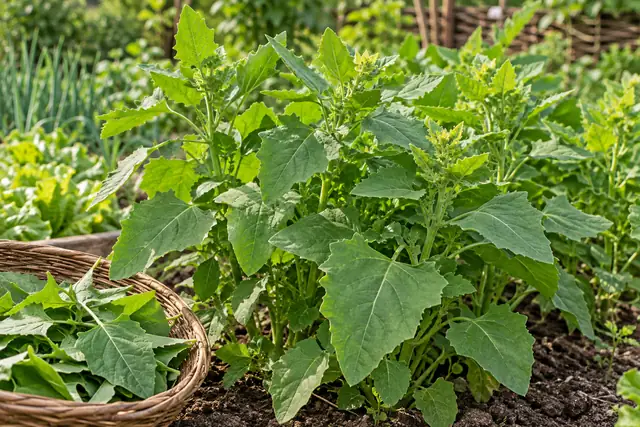
This image was created with AI from described plant characteristics and growing advice. It shows a possible situation and is not a photograph of a verified cultivar.
Green
Green orache is a relatively fast-growing leafy vegetable. The product source compares its development with the slower red colour form.
Choose green orache for quicker leaf harvesting. The range identifies a colour form without further cultivar identity.
Flavour, kitchen and growing
How does it taste?
The spinach comparison concerns use; the source gives no distinctive green-form aroma. Colour choice is not a flavour ranking.
This flavour description applies to the crop; there is no separate tasting result for this variety.In the kitchen
Use young leaves in a mixed salad or cook them like spinach. The size at picking determines which preparation works well.
A space in the garden
Sow small successive batches and thin where you want larger plants. Keep the sowing clearly separate from other orache plants.
Harvesting
Pick young leaves before they coarsen. Let only a few plants flower if deliberately saving seed.
Also listed as: Groene melde.
Read the source notes →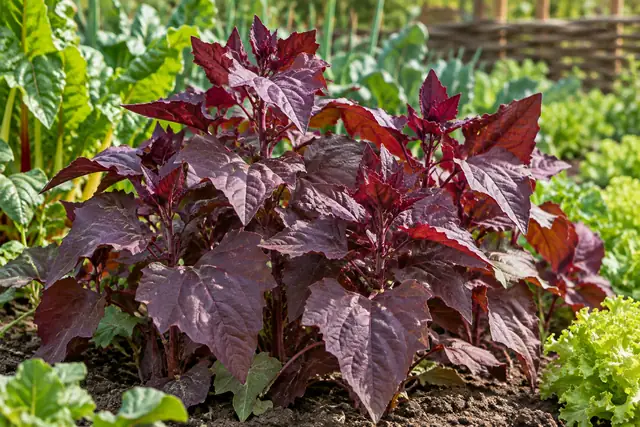
This image was created with AI from described plant characteristics and growing advice. It shows a possible situation and is not a photograph of a verified cultivar.
Red
Red orache has large purple-red heart-shaped leaves. A few plants create a clear colour patch among green leafy crops.
Choose red orache to combine ornamental value with edible leaves. Allow for slower growth than the green form.
Flavour, kitchen and growing
How does it taste?
The source describes culinary use without a separate red-orache aroma. Colour mainly contributes to appearance and selection.
This flavour description applies to the crop; there is no separate tasting result for this variety.In the kitchen
Cook leaves like leafy vegetables or add young leaves to a mixed harvest. Colour retention after cooking is not guaranteed.
A space in the garden
Give plants space if you want to harvest large leaves. For lots of small leaves, you can use a separate sowing for young harvests.
Harvesting
Select tender meal leaves and retain enough growth. Check later-formed stems before including them in cooking.
Also listed as: Rode melde.
Read the source notes →Choose your way to grow
From a garden bed to a suitable pot or support: give your plant a place that suits your garden and the care you can provide.
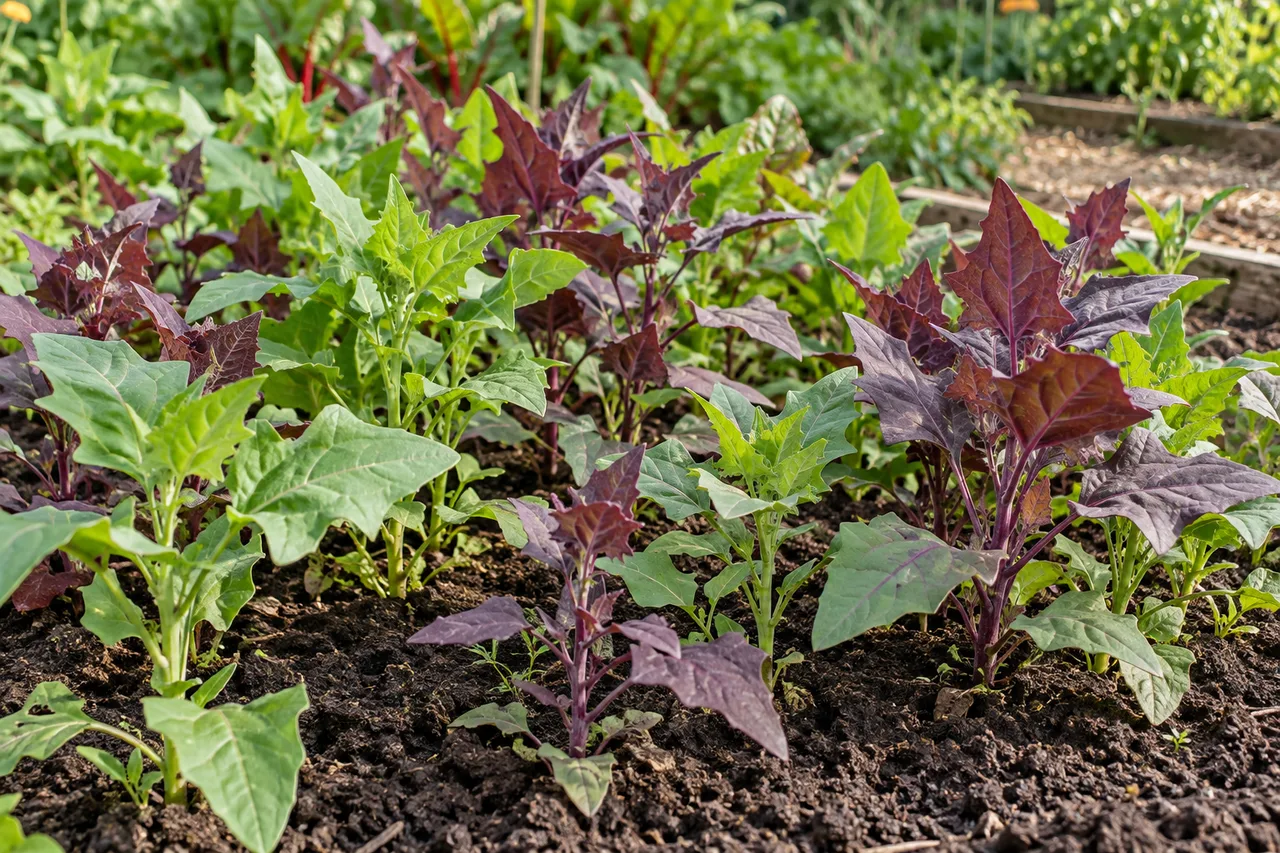
This image was created with AI from described plant characteristics and growing advice. It shows a possible situation and is not a photograph of a verified cultivar.
A young cutting bed of orache
Sow thinly in short rows; repeat for young leaves; cut young growth and avoid fibrous older stems.
- Sow thinly in short rows.
- Sow in succession for young leaves.
- Cut young growth and avoid fibrous older stems.
For young cuttings and successive short sowing rows.
Tick off your supplies →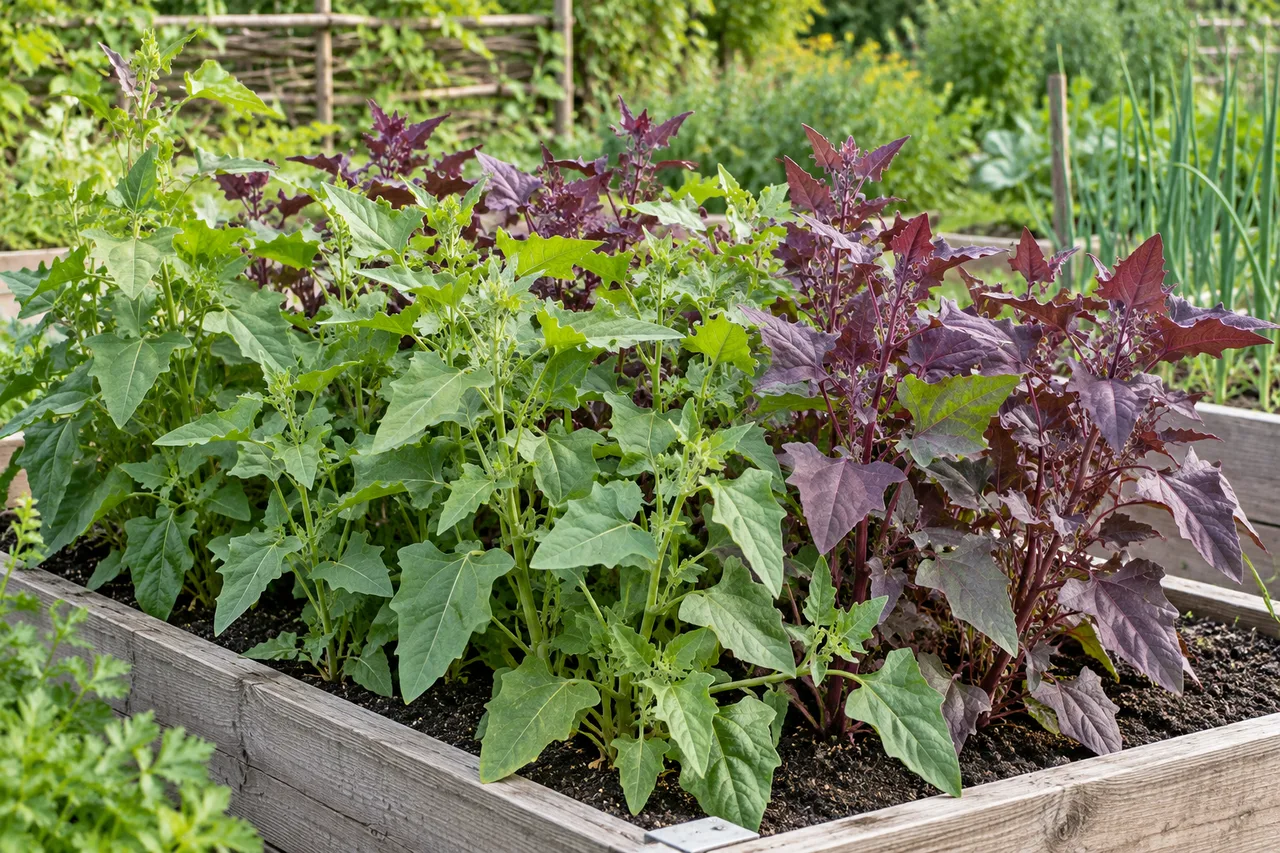
This image was created with AI from described plant characteristics and growing advice. It shows a possible situation and is not a photograph of a verified cultivar.
Colourful leaf picking in a container
Fill a free-draining container; choose red or green orache; pick individual young leaves and check moisture.
- Fill a free-draining container.
- Choose red or green orache.
- Pick individual young leaves and check moisture.
For a limited green or red leaf trial near home.
Tick off your supplies →Choose by flavour, shape and use
Groen: Green orache is a relatively quick-growing leaf vegetable. The source compares development with the slower red form. Use young leaves in mixed salad or cook like spinach. Picking size determines suitable preparation.
The spinach comparison concerns use; the source gives no distinctive green-form aroma. Colour choice is not a flavour ranking.
Rood: Red orache has large purple-red, heart-shaped leaves. A few plants give clear colour among green leaf crops. Cook like spinach or add young leaves to mixed harvests. Colour retention after cooking is not guaranteed.
The source describes culinary use without a separate red-orache aroma. Colour mainly contributes to appearance and selection.
Green or red orache
Garden orache is Atriplex hortensis, an annual green or red leaf vegetable. Its leaves differ from tree spinach's pink tips. Choose by botanical name. Colour helps first comparisons without proving separate flavour in red forms.
A bed for young cuttings
Sun or partial shade suits it, and plants grow tall if left. Cutting beds clarify the aim: young leaves for repeated small portions. Spacious containers allow limited trials. Both need access for picking and observing later development.
The intended harvest determines spacing
De Bolster gives about thirty-centimetre rows and a few centimetres between plants for young cutting crops. Mature plants need more. Choose young leaves or full plants first. Label and record density for fair later comparisons.
A tidy, accessible surface layer
Start with level beds cleared of large weeds. Make container drainage visible and leave watering margins. Separate colour trials into strips or pot sections so harvested mixed leaves retain identifiable origins.
Warmth can speed up the season
Heat and drought can make orache flower quickly. Regularly check the difference between new tender leaves and a plant mainly growing taller. Another small sowing may be more useful than leaving everything standing for a long time. Record when bolting starts so you can adjust the seasonal choice next year.
Cutting bed or large container
Cutting beds suit short rows and repeated sowing; large containers suit small red-green comparisons near home. Optionally let another plant mature while rows stay young, showing two stages rather than incorrectly presenting different species.
Choose leaves before tough stalks
Young leaves are the simplest harvest aim; older stems can become fibrous. Pick or cut a small portion and leave the rest for reassessment. When a plant flowers, you need not automatically harvest all leaves at once. Check which remain useful and prevent unwanted seed spread if you want to end the trial.
Compare colour and texture
Orache suits young raw or cooked leaves. Prepare simply first, keeping red and green briefly separate. Note leaf age with flavour impressions. Age influences eating quality while colour mainly makes plants and plates visually appealing and recognisable.
What you need
Tick what you already have. The extras depend on how you grow.
0 of 5 ticked off
Your ticks are saved in this browser.
Discover and grow more
More background, sources and image information
SeedSteps editorial team · updated on 11 October 2026. The AI images illustrate species and practical growing situations; they do not prove an exact cultivar, observations from your own garden or yield.
Britse gewasadviezen worden gecombineerd met Nederlandse en Vlaamse informatie waar beschikbaar. Amerikaanse Extension-bronnen ondersteunen plantprincipes en herkenning; hun kalenderdata, lokale plaagdruk, bestrijdingsmiddelen en mestdoseringen worden niet rechtstreeks op Nederland of Vlaanderen toegepast. Vorst, bodemwarmte, standplaats en expliciete rasinformatie blijven de lokale controle. Commerciële bronnen onderbouwen uitsluitend benoemde ras- en plantkenmerken; zij zijn geen affiliate-aanbeveling.
- Melde Groen zaden biologischFeggies · accessed 2026-10-11
- Melde Rood zaden biologischFeggies · accessed 2026-10-11
- Tuinmelde telenDe Bolster · accessed 2026-10-11
- Tuinmelde RoodDe Bolster · accessed 2026-10-11
Supporting evidence by chapter: Choose by flavour, shape and use: Feggies, Feggies. Green or red orache: Feggies, De Bolster, De Bolster. A bed for young cuttings: Feggies, De Bolster, De Bolster. The intended harvest determines spacing: Feggies, De Bolster, De Bolster. A tidy, accessible surface layer: Feggies, De Bolster, De Bolster. Warmth can speed up the season: Feggies, De Bolster, De Bolster. Cutting bed or large container: Feggies, De Bolster, De Bolster. Choose leaves before tough stalks: Feggies, De Bolster, De Bolster. Compare colour and texture: Feggies, De Bolster, De Bolster.