
Leaf turnip
Leaf turnip is also called Namenia in the range. Its fine leaves are harvested young and do not form a closed cabbage head.
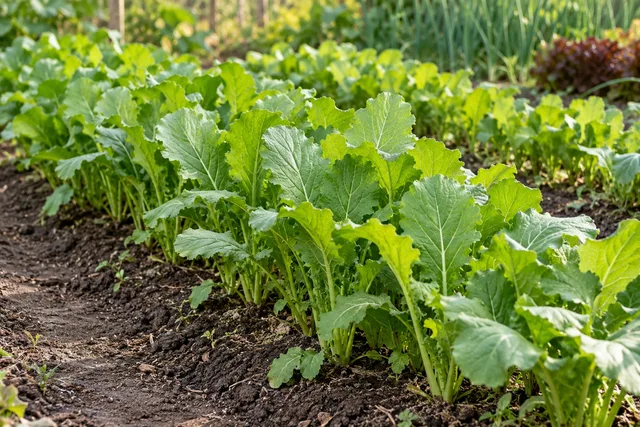
This image was created with AI from described plant characteristics and growing advice. It shows a possible situation and is not a photograph of a verified cultivar.
- Botanical name
- Brassica rapa
- Botanical group
- Brassica rapa
- Namen
- Bladmoes and Namenia; related to turnip greens
- Season
- Spring or autumn; summer increases bolting risk
This growing advice helps you choose. Your variety, growth stage, weather and conditions in your space determine the actual timing.
Sowing under cover and raising seedlings
Sow directly for young leaves or roots · Leaf turnip
Spring or autumn, with a suitable cultivarSow directly into greenhouse soil or a container, provide light and ventilate.
- Germination and temperature
- Wait for workable, warmed soil; follow the cultivar’s minimum sowing temperature.
- After emergence
- Keep the seed row evenly moist during emergence and identifiable with a label.
- Pricking out and potting on
- Sow thinly and thin in the final position where needed. For cutting leaves, every seedling need not stand separately.
- Hardening off and planting out
- Stays where sown; hardening off and planting out are unnecessary for direct sowing.
A cool, even start helps. Heat, drought or an unsuitable cultivar window can make plants bolt quickly.
Sources and use
RHS · radijs ↗Britse teeltrichtlijn voor een gematigd klimaat; de genoemde perioden zijn richtlijnen voor Nederland en Vlaanderen.
De Bolster · Raapsteel Namenia ↗Nederlandse producent of teeltbron; de rasinstructie blijft leidend.
De Bolster · Raapsteel: gewas en teelt ↗Nederlandse producent of teeltbron; de rasinstructie blijft leidend.
Guideline periods for the Netherlands and Flanders. Check the variety, available light, soil and measured temperatures. Greenhouse heating does not guarantee enough winter light.
A different flavour, a different harvest.
Choose by more than the name. Discover how these varieties and crop types taste, what you can use them for and what growing them involves.
1 of 1 choices · 0 named varieties
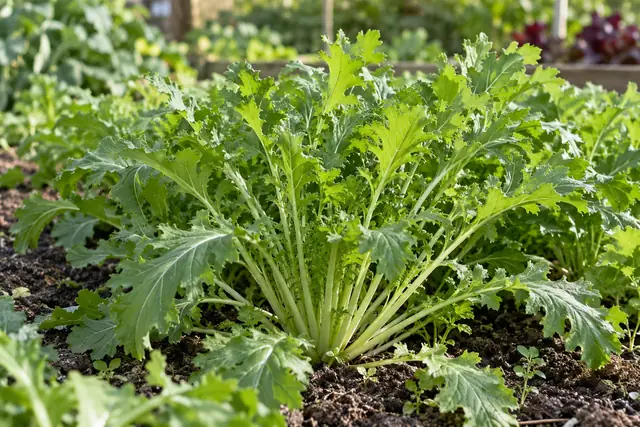
This image was created with AI from described plant characteristics and growing advice. It shows a possible situation and is not a photograph of a verified cultivar.
Leaf turnip
Leaf turnip is also called Namenia in the range. Its fine leaves are harvested young and do not form a closed cabbage head.
Choose bladmoes for a quick leaf-harvest patch that you can use in small quantities. Namenia is not a second product identity here.
Flavour, kitchen and growing
How does it taste?
The source emphasises tender leaves but gives no distinctive variety aroma. Judge mainly by young harvesting and preparation.
This flavour description applies to the crop; there is no separate tasting result for this variety.In the kitchen
Use a handful of young leaves raw among other salad greens. Larger leaves suit brief cooking like spinach.
A space in the garden
Sow thinly in rows and keep the surface moist during germination. A small repeat sowing suits better than one crowded plot.
Harvesting
Cut young leaves before stems and flowering dominate. Retain the growing point to try further leaf production.
Also listed as: Namenia.
Read the source notes →Choose your way to grow
From a garden bed to a suitable pot or support: give your plant a place that suits your garden and the care you can provide.
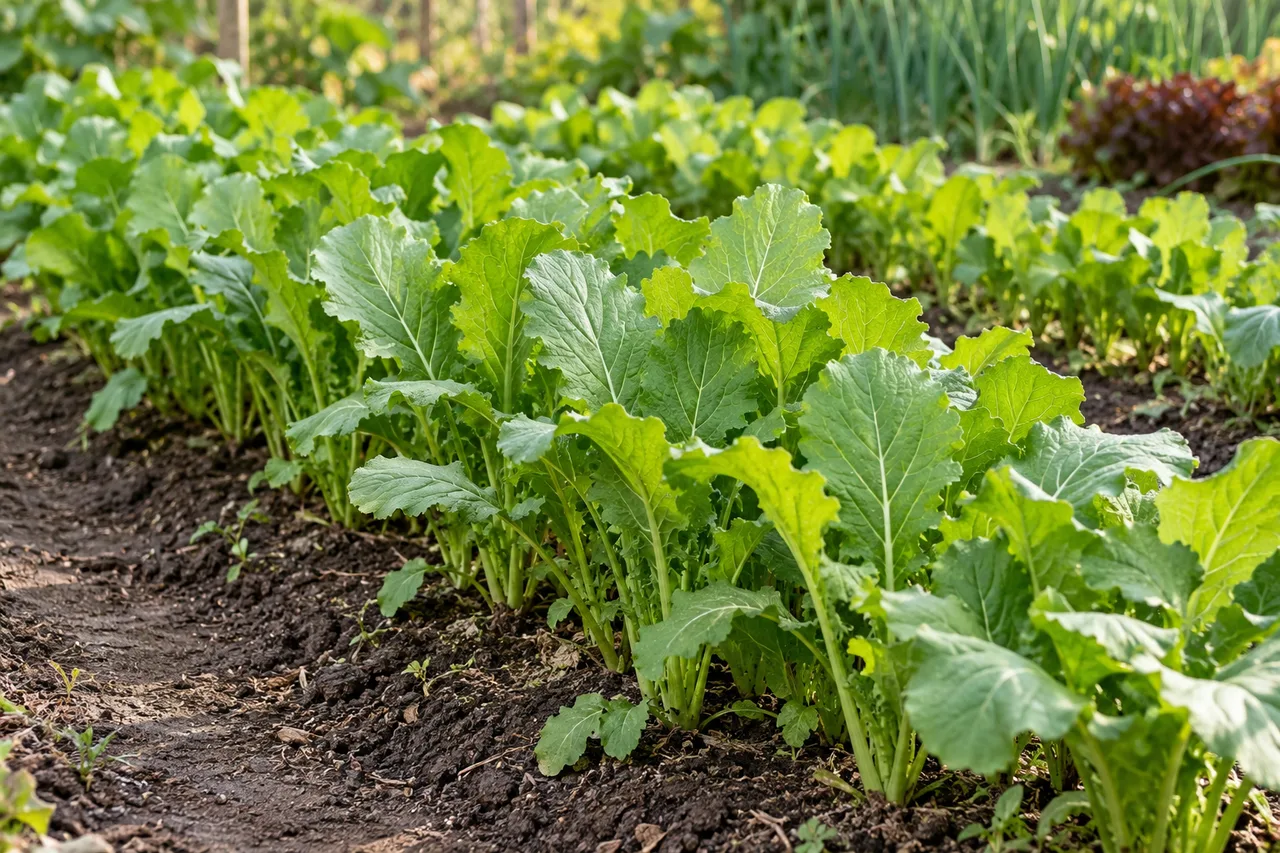
This image was created with AI from described plant characteristics and growing advice. It shows a possible situation and is not a photograph of a verified cultivar.
Young cut harvest in rows
Sow thinly in short rows; keep the germinating surface moist; cut young leaves without damaging the growing point.
- Sow thinly in short rows.
- Keep the germinating surface layer moist.
- Cut young leaves without damaging the growing point.
For short cutting rows in a cool spring or autumn period.
Tick off your supplies →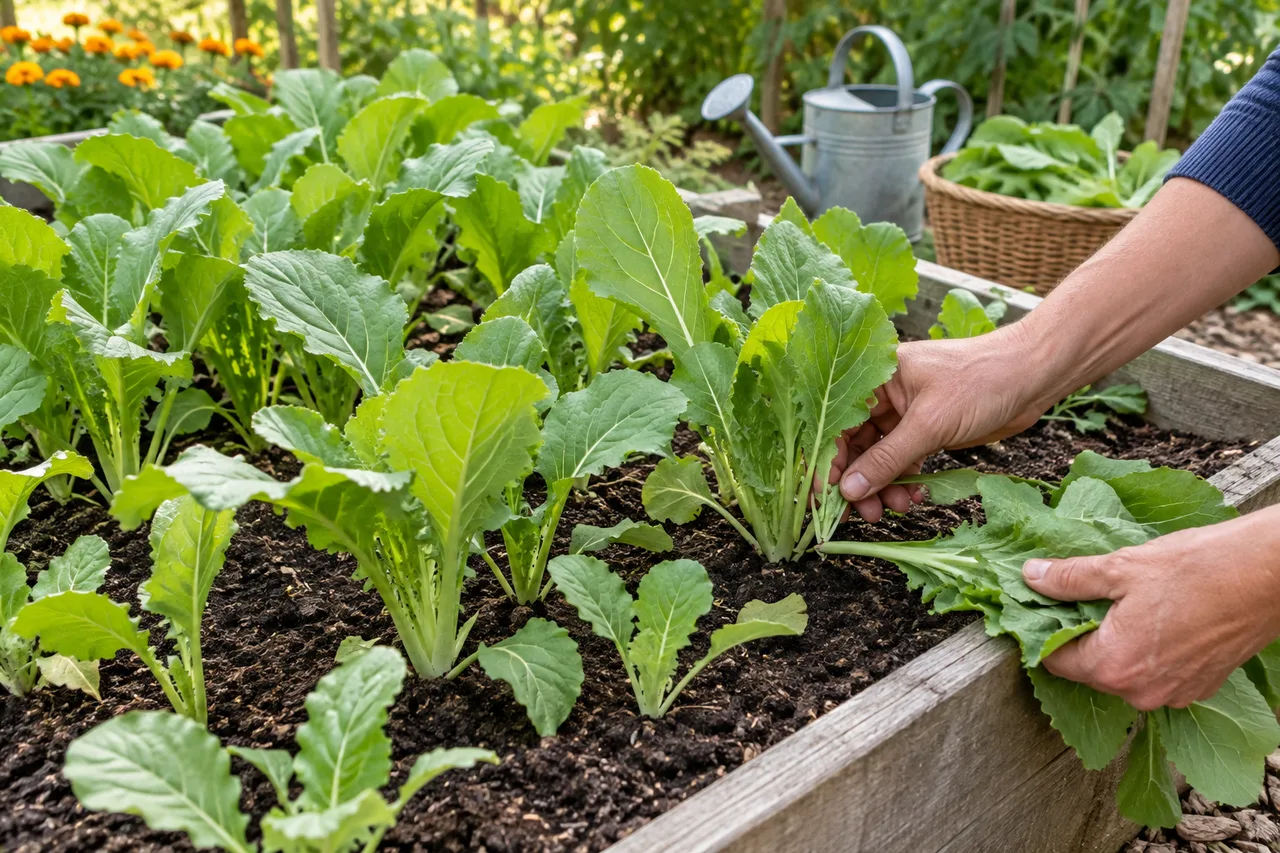
This image was created with AI from described plant characteristics and growing advice. It shows a possible situation and is not a photograph of a verified cultivar.
Succession sowing in a leaf crop container
Sow part of a free-draining container; reserve room for a second sowing; harvest young Namenia leaves.
- Sow part of a free-draining container.
- Reserve space for a second sowing.
- Harvest young Namenia leaves.
For an accessible young harvest and a second small sowing beside the first.
Tick off your supplies →Choose by flavour, shape and use
Bladmoes: Also called Namenia in the range. Fine leaves are harvested young and form no closed cabbage head. Use a handful raw among other salad leaves. Larger leaves suit brief cooking like spinach.
The source emphasises tender leaves but gives no distinctive variety aroma. Judge mainly by young harvesting and preparation.
Leaf cabbage without a head
This offering of leaf greens is also called Namenia and belongs to Brassica rapa. De Bolster sells Namenia as turnip greens with tender leaves and crisp stems. It is a cutting crop, not a cabbage judged by a closed head. Compare supplier names carefully so leaf greens and Namenia are not counted as two new species.
Plan mainly for cool growing conditions
Spring or autumn suits this leaf crop. Turnip greens bolt more readily in warm summers. Use sunny, manageable small beds and reserve space for another short sowing. Choose by weather and kitchen portions, not filling large beds for months at once.
Short rows keep things clear
Sow about half to one centimetre deep. The producer uses about twenty-five centimetres between cutting rows with dense plants within. This is for young harvests, not close mature cabbages. Label a short row and keep moist until emergence.
Prepare for a quick harvest
Flat seedbeds ease even cutting later. Remove large weeds first and break coarse surface clods. Containers need bottom drainage and watering margins. Keep trials small to observe how much leaf one kitchen portion actually requires.
Watch for feeding damage and bolting
Young plants can suffer from flea beetles; fleece can protect the start. Inspect the leaves and also check whether flower stalks are already appearing. A rapidly bolting row signals that the next sowing time should change. The solution is often different planning rather than leaving the same tough harvest standing longer.
Rows or a leaf crop container
Beds of short rows display successive sowings; leaf containers give small harvests near home. Compare similar stages: young container leaves versus mature bed stalks confuse the picture. Leave enough walking or reaching room for neat cutting.
Cut while the leaves are tender
De Bolster specifies young harvests from about four weeks and larger turnip greens at around six weeks, depending on conditions. Mainly assess tenderness. Cut above the growing point if you want to try regrowth. Then check whether the row reshoots well; its own response determines whether a second cut is useful in your plans.
Use leaves and stalks together
Turnip greens suit fresh mashed potato or quick stir-frying. Reserve a leaf and stem piece to compare textures first. Namenia's described crisp stems also depend on young harvesting. Late rows need different assessment from freshly cut young greens.
What you need
Tick what you already have. The extras depend on how you grow.
0 of 5 ticked off
Your ticks are saved in this browser.
Discover and grow more
More background, sources and image information
SeedSteps editorial team · updated on 11 October 2026. The AI images illustrate species and practical growing situations; they do not prove an exact cultivar, observations from your own garden or yield.
Britse gewasadviezen worden gecombineerd met Nederlandse en Vlaamse informatie waar beschikbaar. Amerikaanse Extension-bronnen ondersteunen plantprincipes en herkenning; hun kalenderdata, lokale plaagdruk, bestrijdingsmiddelen en mestdoseringen worden niet rechtstreeks op Nederland of Vlaanderen toegepast. Vorst, bodemwarmte, standplaats en expliciete rasinformatie blijven de lokale controle. Commerciële bronnen onderbouwen uitsluitend benoemde ras- en plantkenmerken; zij zijn geen affiliate-aanbeveling.
- World Checklist of Vascular Plants — 4 juni 2026Royal Botanic Gardens, Kew · accessed 2026-10-07
- Organic Bladmoes zadenFeggies · accessed 2026-10-11
- Raapsteel NameniaDe Bolster · accessed 2026-10-11
- Raapsteel: gewas en teeltDe Bolster · accessed 2026-10-11
Supporting evidence by chapter: Choose by flavour, shape and use: Feggies. Leaf cabbage without a head: Feggies, De Bolster, De Bolster. Plan mainly for cool growing conditions: Feggies, De Bolster, De Bolster. Short rows keep things clear: Feggies, De Bolster, De Bolster. Prepare for a quick harvest: Feggies, De Bolster, De Bolster. Watch for feeding damage and bolting: Feggies, De Bolster, De Bolster. Rows or a leaf crop container: Feggies, De Bolster, De Bolster. Cut while the leaves are tender: Feggies, De Bolster, De Bolster. Use leaves and stalks together: Feggies, De Bolster, De Bolster.