
Beetroot: colour in your bed, from young leaves to firm roots
Red is only the beginning of the beetroot world. There are also long, yellow and strikingly patterned forms. A short row lets you follow both young leaves and roots. First choose what you want to harvest; that determines how much room the plants and your kitchen plans need.
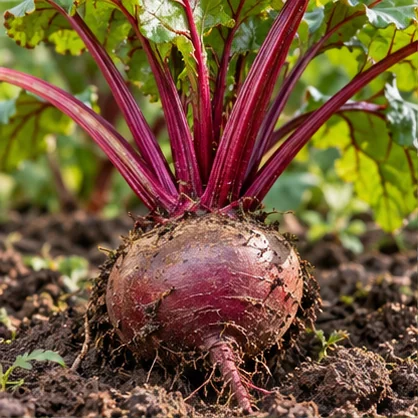
This image was created with AI from described plant characteristics and growing advice. It shows a possible situation and is not a photograph of a verified cultivar.
- Sowing
- Spring and summer, depending on cultivar
- Location
- Sun, well-drained soil
- Growing
- Garden bed or roomy pot
- Harvest
- Young leaves and usable roots
This growing advice helps you choose. Your variety, growth stage, weather and conditions in your space determine the actual timing.
Sowing under cover and raising seedlings
Sow directly or in modules · Beetroot
March–April for an early startSow in bright, sheltered conditions in modules; do not keep young plants in a warm room for long.
- Germination and temperature
- Do not start in persistently cold soil; early cold can encourage bolting.
- After emergence
- Give seedlings light immediately after emergence. A dark loft needs suitable grow lights; warmth alone is insufficient. Ventilate and keep the compost moist without saturating it.
- Pricking out and potting on
- You can sow in modules and plant out with the root ball. A seed cluster can produce several seedlings; thin appropriately.
- Hardening off and planting out
- Gradually acclimatise indoor-raised plants to sun, wind and outdoor temperatures; shelter them again on cold nights. Plant out small, sturdy root balls without pulling the roots apart.
Early sowing needs a suitable bolt-resistant cultivar. Choose the growing aim: baby leaves or beetroot.
Sources and use
RHS · biet ↗Britse teeltrichtlijn voor een gematigd klimaat; de genoemde perioden zijn richtlijnen voor Nederland en Vlaanderen.
Feggies · Bieten in gemengde kleuren - 3 Root Grex ↗Nederlandse producent of teeltbron; de rasinstructie blijft leidend.
Feggies · Bieten Kogel Detroit 2 zaden ↗Nederlandse producent of teeltbron; de rasinstructie blijft leidend.
Guideline periods for the Netherlands and Flanders. Check the variety, available light, soil and measured temperatures. Greenhouse heating does not guarantee enough winter light.
A different flavour, a different harvest.
Choose by more than the name. Discover how these varieties and crop types taste, what you can use them for and what growing them involves.
9 of 9 choices · 7 named varieties
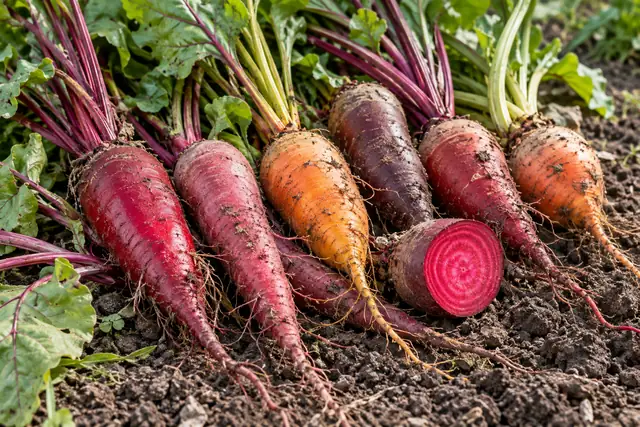
This image was created with AI from described plant characteristics and growing advice. It shows a possible situation and is not a photograph of a verified cultivar.
3 Root Grex
A genetically diverse beetroot population with varying colours and shapes.
Choose 3 Root Grex for discovery and selection. This is a diverse, open-pollinated population, labelled as a mix, with variable roots rather than one uniform variety appearance.
Flavour, kitchen and growing
How does it taste?
The beetroot have the earthy, slightly sweet character of the crop and may differ from one another. This population specifically promises variation, so a single flavour description cannot cover every root.
This flavour description applies to the crop; there is no separate tasting result for this variety.In the kitchen
Roast a few roots separately and taste them side by side. For raw salads, cut thin slices so that differences in colour and interior remain visible.
A space in the garden
Sow in loose soil and thin more widely for the mainly elongated roots. Keep a few plants identifiable if you later want to learn to select your own.
Harvesting
Harvest according to individual size; plants do not all become alike. Taste young and larger beetroot and note which shape you want to see in a later selection.
Read the source notes →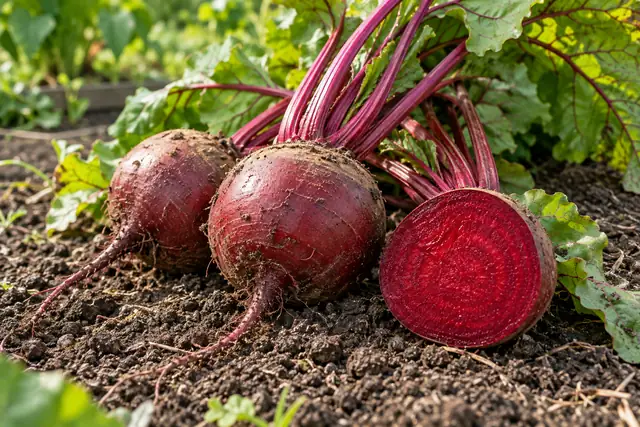
This image was created with AI from described plant characteristics and growing advice. It shows a possible situation and is not a photograph of a verified cultivar.
Kogel Detroit 2
Round, red beetroot for a manageable summer crop.
Choose Detroit 2 for round, red beetroot and straightforward direct sowing. Later-sown, undamaged roots can also provide a modest winter supply.
Flavour, kitchen and growing
How does it taste?
The flavour is the familiar sweetish, earthy beetroot character. The round shape is the concrete cultivar difference here; extra sweetness compared with other round types has not been established.
This flavour description applies to the crop; there is no separate tasting result for this variety.In the kitchen
Roast round beetroot whole or cut equal wedges for the oven. Once cooled, mix cubes into a salad with apple and something fresh and acidic.
A space in the garden
Sow directly in spring and thin promptly so each beetroot has space. Keep the surface moist during germination without allowing a hard crust to form.
Harvesting
Harvest young beetroot for a meal and let some grow on. Bring storage roots in before severe frost and keep cool, protected from drying out.
Read the source notes →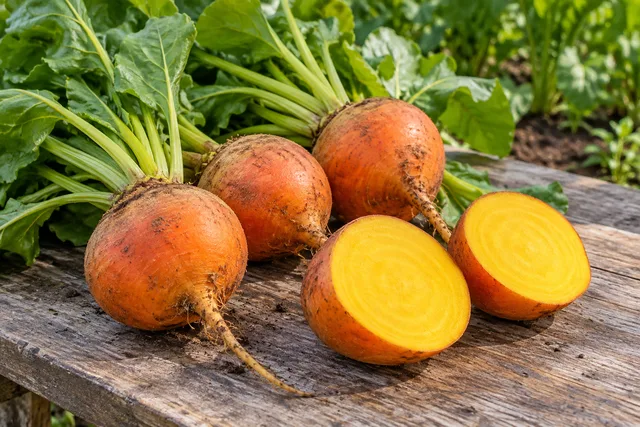
This image was created with AI from described plant characteristics and growing advice. It shows a possible situation and is not a photograph of a verified cultivar.
Boldor
Orange outside with a bright yellow interior.
Choose Boldor for colour variety and reasonably even swollen roots. A row beside a red variety makes harvesting and assembling a colourful meal appealing.
Flavour, kitchen and growing
How does it taste?
Boldor gives a sweetish beetroot character with a firm texture. Choose it mainly for its yellow interior; a precise flavour ranking against red beetroot is not substantiated.
This flavour description applies to the crop; there is no separate tasting result for this variety.In the kitchen
Grate young beetroot for a yellow raw salad or roast wedges with carrot. Prepare red beetroot separately if you want to keep the yellow colour visible on the plate.
A space in the garden
Sow outdoors in spring or under cover for an earlier harvest. Thin in good time and maintain even root-zone moisture, especially during dry growth.
Harvesting
Harvest at the desired size and use young roots fresh. For storage, choose undamaged roots and keep cool, dark and protected from drying out.
Read the source notes →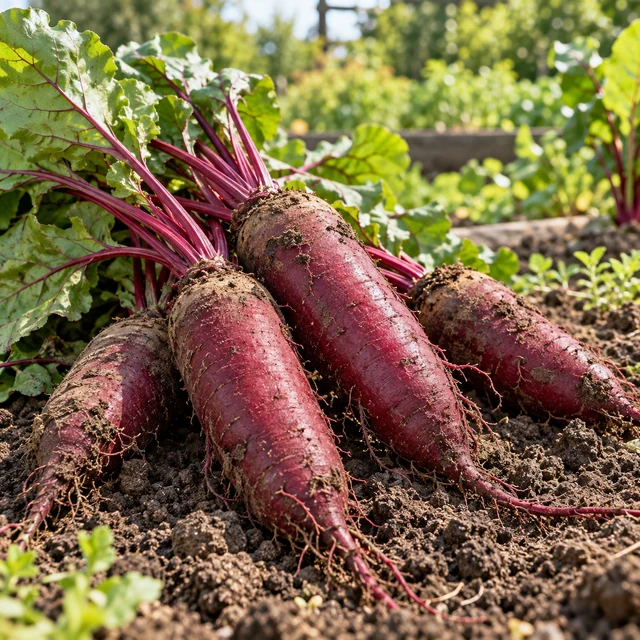
This image was created with AI from described plant characteristics and growing advice. It shows a possible situation and is not a photograph of a verified cultivar.
Cylindra
Narrow, half-long beetroot for even, round slices.
Choose Cylindra if you enjoy slicing beetroot for platters or jars. The narrow roots are also manageable in a row and give a recognisably different harvest shape.
Flavour, kitchen and growing
How does it taste?
Cylindra has the sweetish, earthy beetroot base with firm flesh suitable for slicing. Its elongated shape gives a different kitchen result from a round beetroot.
This flavour description applies to the crop; there is no separate tasting result for this variety.In the kitchen
Cook the root whole, then cut into even discs for garnishing or preserving. The long shape produces many slices of roughly the same diameter.
A space in the garden
Do not sow unnecessarily early in cold soil, and thin out. Let elongated roots grow without a compacted layer and avoid major swings between dry and wet.
Harvesting
Harvest once the root is thick enough for slices. For winter use, lift undamaged specimens before severe frost and keep cool without drying out.
Read the source notes →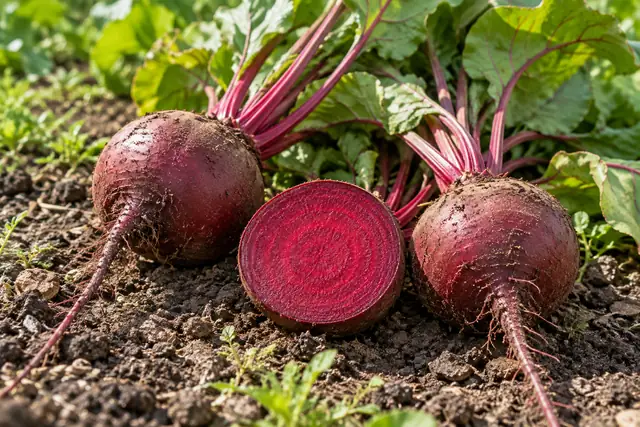
This image was created with AI from described plant characteristics and growing advice. It shows a possible situation and is not a photograph of a verified cultivar.
Kogel 2
Round, red summer and autumn beetroot for storage.
Choose Kogel 2 for round beetroot with a clear storage purpose. Staggered sowing provides fresh meals first and a selection for winter later.
Flavour, kitchen and growing
How does it taste?
Kogel 2 is described as sweet and firm. Its round structure suits varied preparations; the source gives no score suggesting it is sweeter than Detroit 2.
In the kitchen
Grate young roots for a raw salad, roast larger beets or dice them for a main-course salad. A little vinegar or lemon freshens the earthy character.
A space in the garden
Sow directly in spring; for a storage crop, the supplier mentions the second half of May. Thin early and keep the emerging crop moist.
Harvesting
Harvest for storage in autumn before severe frost causes damage. Leave roots intact, remove foliage carefully and store cool in slightly damp sand.
Read the source notes →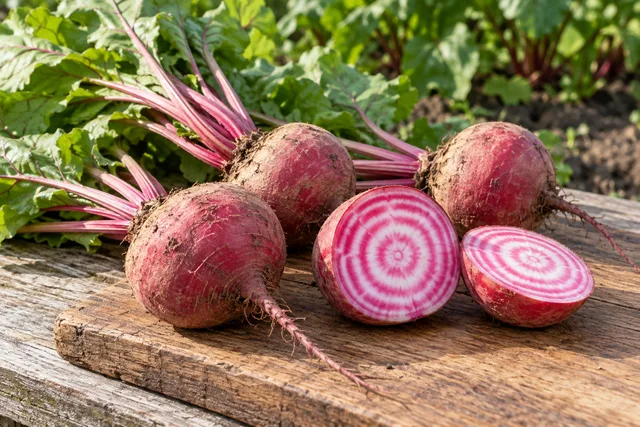
This image was created with AI from described plant characteristics and growing advice. It shows a possible situation and is not a photograph of a verified cultivar.
Tonda di Chioggia
Round beetroot with pink-red and white rings.
Choose Chioggia for an unexpected interior when cut. The full name and shorter Chioggia designation are explicitly linked by this source.
Flavour, kitchen and growing
How does it taste?
The supplier describes Chioggia as mild and sweet. Its rings mainly make the appearance unusual; taste thin slices to see how your own garden's harvest tastes.
In the kitchen
Cut thin raw slices for a carpaccio with oil and citrus. Heat can fade the ring pattern, so reserve a few young beetroot for raw salads.
A space in the garden
Sow in warmed soil and thin so that round roots have space. Stagger sowing for different harvest times and water regularly during drought.
Harvesting
Harvest young roots for finely sliced raw salads and larger ones for cooking. Check size beneath the foliage; do not wait for the whole row to be equally large.
Also listed as: Chioggia.
Read the source notes →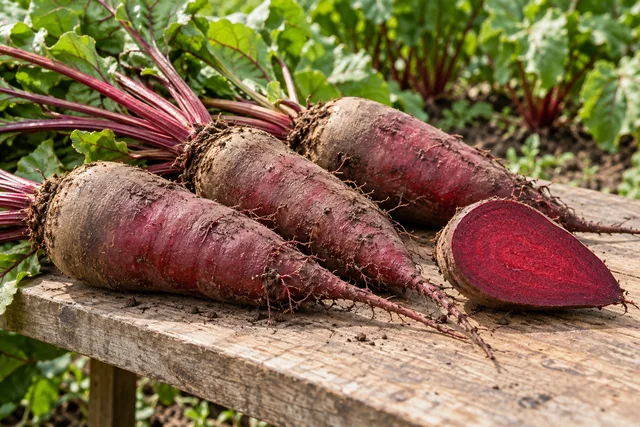
This image was created with AI from described plant characteristics and growing advice. It shows a possible situation and is not a photograph of a verified cultivar.
Crapaudine
Long, conical beetroot for winter storage.
Choose Crapaudine if you want elongated storage beetroot. Its shape adds variety beside round roots and needs a bed loosened deeply enough beforehand.
Flavour, kitchen and growing
How does it taste?
Crapaudine has an earthy, sweetish beetroot character. Its unusual root shape and storage are the specific source features; stronger flavour than round beetroot is not proven.
This flavour description applies to the crop; there is no separate tasting result for this variety.In the kitchen
Cook the long root in the oven, then cut pieces for a warm platter. Making equal wedges gives an evenly cooked result.
A space in the garden
Sow directly and thin with room for the conical root. Avoid a hard underlying layer and keep soil moist during growth without prolonged waterlogging.
Harvesting
Lift the winter selection with a fork beside the root to avoid breakage. Use damaged specimens first and store undamaged beetroot cool and protected from drying out.
Read the source notes →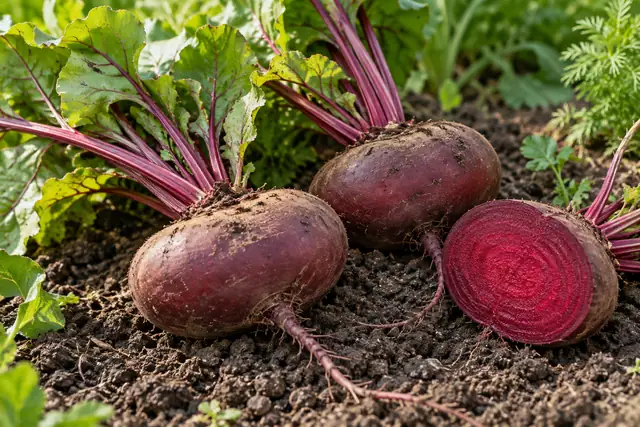
This image was created with AI from described plant characteristics and growing advice. It shows a possible situation and is not a photograph of a verified cultivar.
Plate uit Egypte
Early, flattened beetroot for young use.
Choose this beetroot for an early summer harvest. It gives a clearly different shape beside round or long beetroot and suits harvests for immediate meals.
Flavour, kitchen and growing
How does it taste?
Harvested young, you get the tender, sweetish beetroot character. Early development and flattened shape determine the choice; a distinct flavour ranking is not established.
This flavour description applies to the crop; there is no separate tasting result for this variety.In the kitchen
Cook small beetroots whole or cut flat wedges for a short oven cooking time. Use fresh young roots in a salad with herbs and a little acidity.
A space in the garden
Start as soon as the spring soil is suitable and keep young growth evenly moist. Thin so that the broad, flattened roots have enough room.
Harvesting
Check size regularly and harvest young for the finest texture. Clear the early harvest space for the next crop once the row is used.
Read the source notes →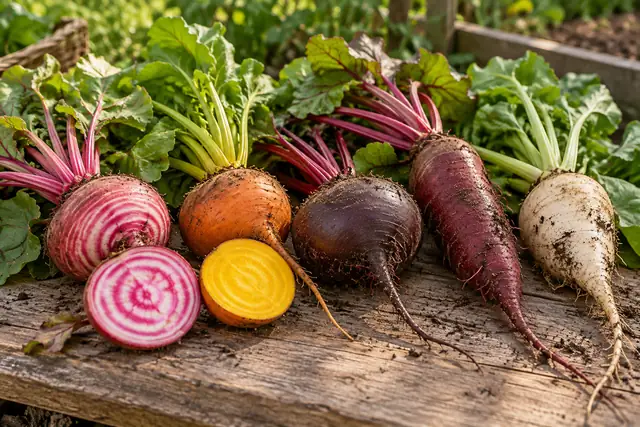
This image was created with AI from described plant characteristics and growing advice. It shows a possible situation and is not a photograph of a verified cultivar.
Rode bietenmengeling
A mixture of five named beetroot cultivars in different colours.
Choose the mix for discovery in one row. The source mentions Chioggia, Golden, Egyptian Black, Formanova and Vereduna Alba; it is a mix, not a new uniform variety.
Flavour, kitchen and growing
How does it taste?
The mix combines different beetroot characters. Taste a few roots separately: one sweetness or texture promise does not suit a mix with different variety components.
This flavour description applies to the crop; there is no separate tasting result for this variety.In the kitchen
Make a platter with raw slices and roasted wedges. Keep strongly red-colouring roots separate during cooking so that yellow and white pieces remain visible.
A space in the garden
Sow directly and thin according to the space larger roots need. Allow for different shapes and select by individual plant rather than by a whole row.
Harvesting
Harvest roots once suitable for your dish. Look at and taste the interior and note favourites; the next packet need not give equal numbers of each variety.
Read the source notes →Choose your way to grow
From a garden bed to a suitable pot or support: give your plant a place that suits your garden and the care you can provide.
This image was created with AI from described plant characteristics and growing advice. It shows a possible situation and is not a photograph of a verified cultivar.
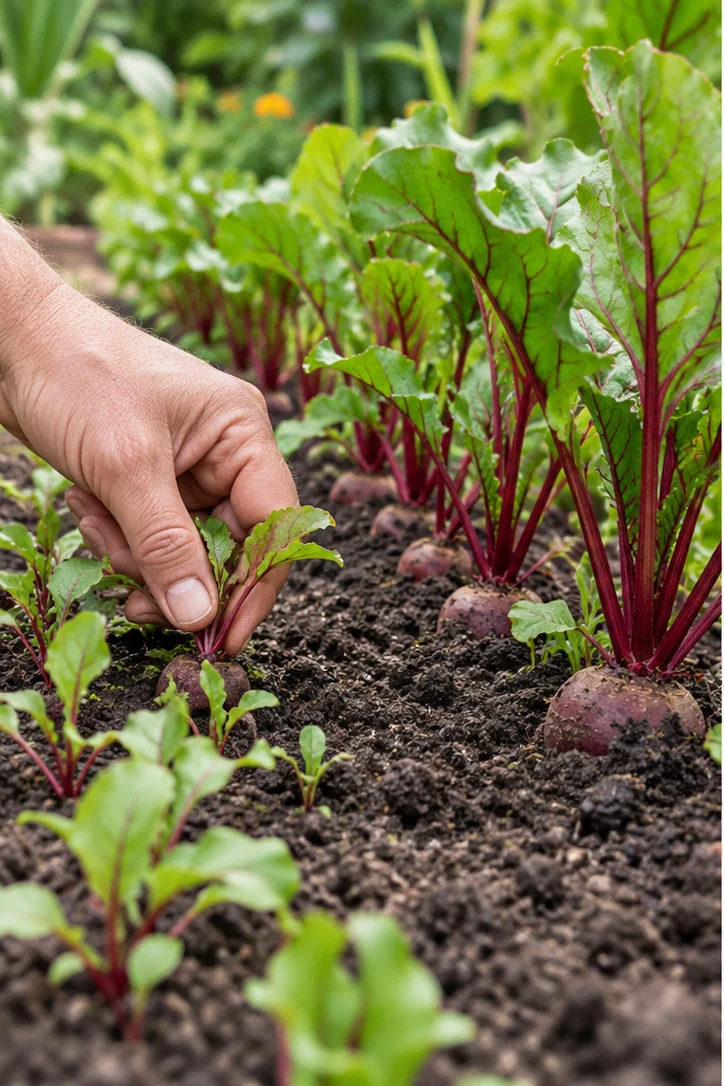
A row for root harvesting
A manageable row makes thinning and staggered harvesting easy.
- Sow thinly at the variety's depth.
- Check whether several plants emerge from one seed cluster.
- Give growing roots space and harvest a few at a time.
For different root shapes and a larger harvest.
Tick off your supplies →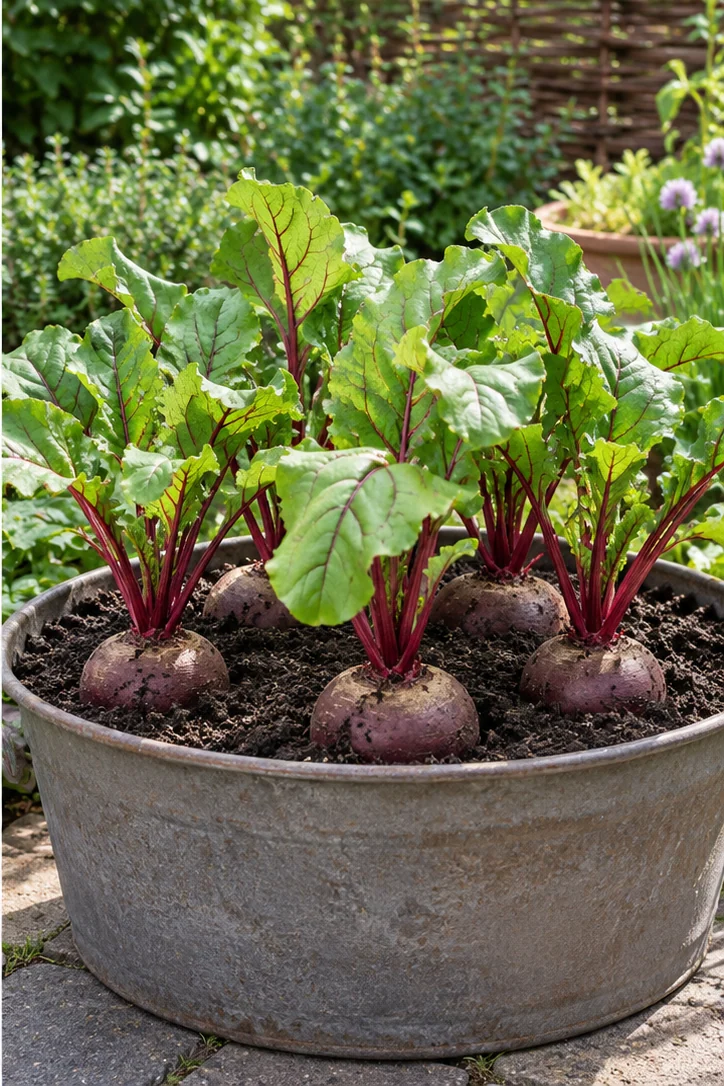
This image was created with AI from described plant characteristics and growing advice. It shows a possible situation and is not a photograph of a verified cultivar.
Round beetroot in a wide pot
Round root forms often fit containers better than long beetroot.
- Choose a wide pot with drainage.
- Sow a small portion in suitable potting compost.
- Thin and keep the pot evenly moist.
For a few young beetroot on a sunny patio.
Tick off your supplies →Explore the varieties
See the confirmed differences. Characteristics without supporting evidence are left blank.
11 of 11 varieties
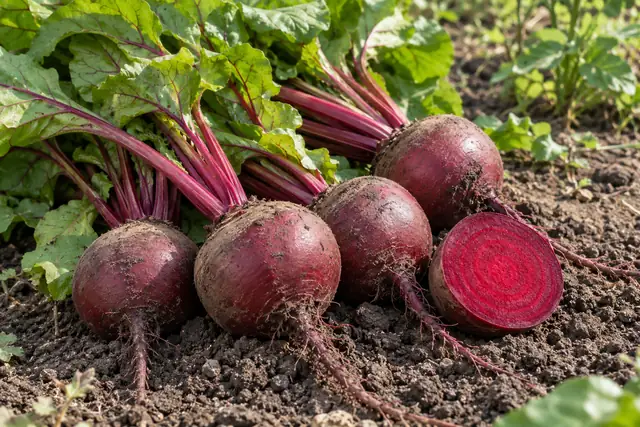
This image was created with AI from described plant characteristics and growing advice. It shows a possible situation and is not a photograph of a verified cultivar.
Action
Explore this variety and use the growing guide to choose a place for your plant.
View variety →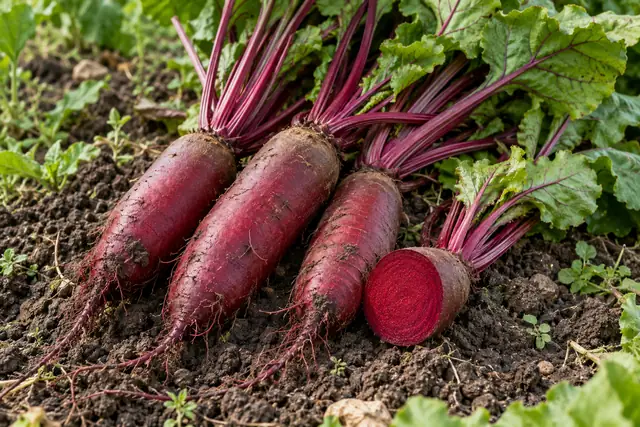
This image was created with AI from described plant characteristics and growing advice. It shows a possible situation and is not a photograph of a verified cultivar.
Alto
Explore this variety and use the growing guide to choose a place for your plant.
View variety →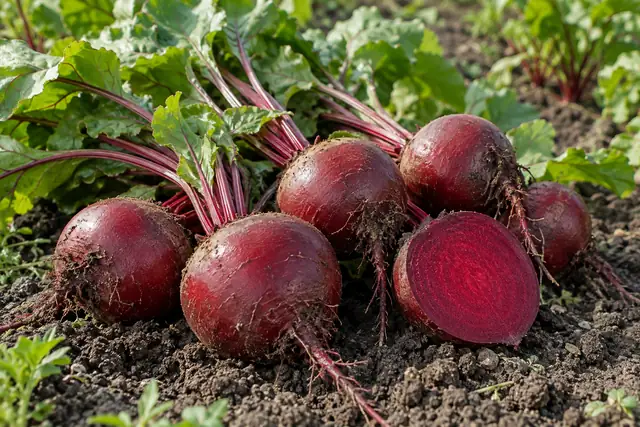
This image was created with AI from described plant characteristics and growing advice. It shows a possible situation and is not a photograph of a verified cultivar.
Bettollo
Explore this variety and use the growing guide to choose a place for your plant.
View variety →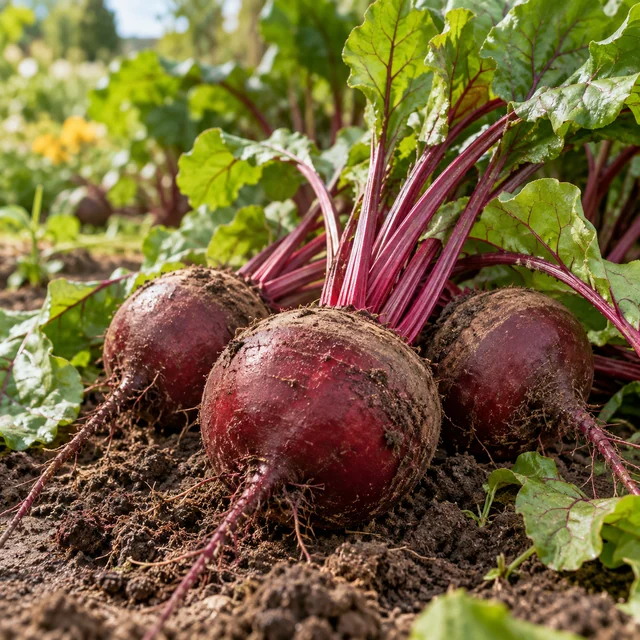
This image was created with AI from described plant characteristics and growing advice. It shows a possible situation and is not a photograph of a verified cultivar.
Boltardy
- Main colour
- Dark red rootVerenigd Koninkrijk
- Suitable for pots
- YesVerenigd Koninkrijk · pot
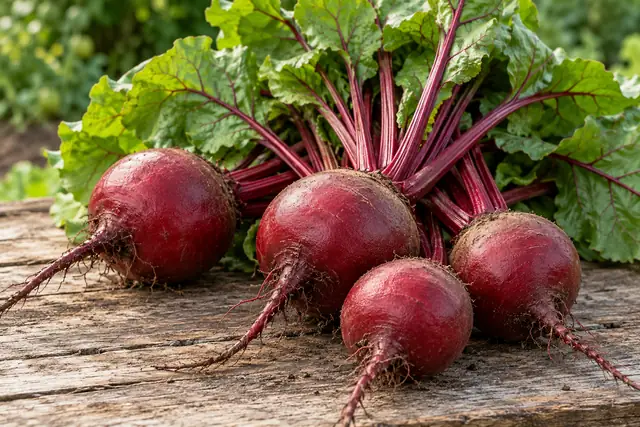
This image was created with AI from described plant characteristics and growing advice. It shows a possible situation and is not a photograph of a verified cultivar.
Bona
Explore this variety and use the growing guide to choose a place for your plant.
View variety →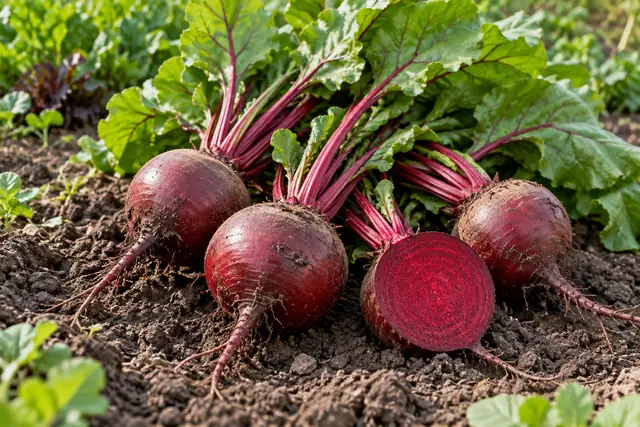
This image was created with AI from described plant characteristics and growing advice. It shows a possible situation and is not a photograph of a verified cultivar.
Boro
Explore this variety and use the growing guide to choose a place for your plant.
View variety →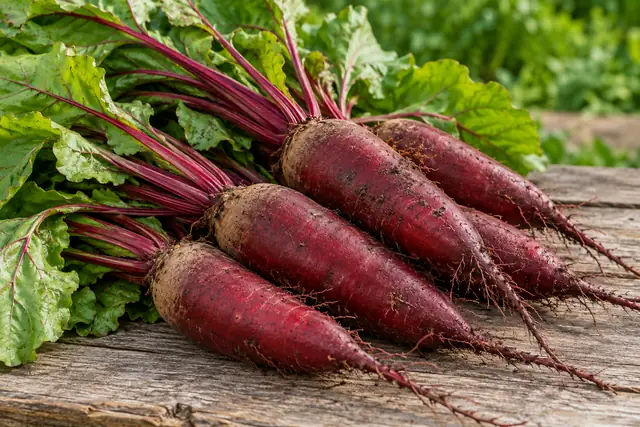
This image was created with AI from described plant characteristics and growing advice. It shows a possible situation and is not a photograph of a verified cultivar.
Forono
Explore this variety and use the growing guide to choose a place for your plant.
View variety →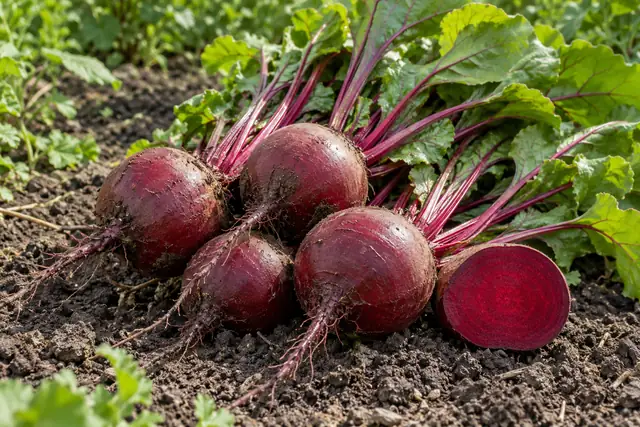
This image was created with AI from described plant characteristics and growing advice. It shows a possible situation and is not a photograph of a verified cultivar.
Pablo
Explore this variety and use the growing guide to choose a place for your plant.
View variety →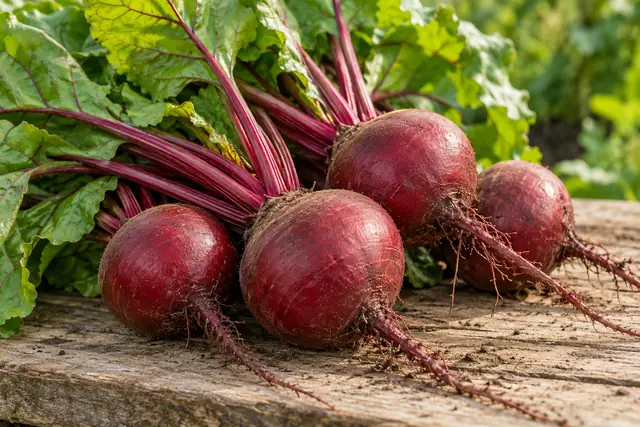
This image was created with AI from described plant characteristics and growing advice. It shows a possible situation and is not a photograph of a verified cultivar.
Red Ace
Explore this variety and use the growing guide to choose a place for your plant.
View variety →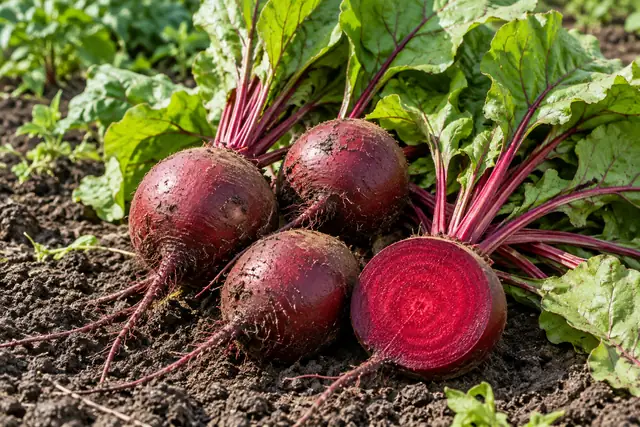
This image was created with AI from described plant characteristics and growing advice. It shows a possible situation and is not a photograph of a verified cultivar.
Subeto
Explore this variety and use the growing guide to choose a place for your plant.
View variety →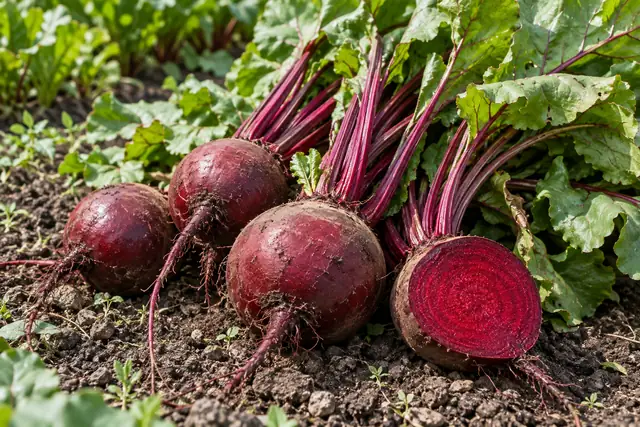
This image was created with AI from described plant characteristics and growing advice. It shows a possible situation and is not a photograph of a verified cultivar.
Wodan
Explore this variety and use the growing guide to choose a place for your plant.
View variety →Choose two to four varieties to compare their source data side by side.
Choose by flavour, shape and use
3 Root Grex: Genetically diverse beetroot population with varying colours and shapes. Roast a few roots separately and taste them side by side. For raw salads, cut thin slices so that differences in colour and interior remain visible.
The beetroot have the earthy, slightly sweet character of the crop and may differ from one another. This population specifically promises variation, so a single flavour description cannot cover every root.
Kogel Detroit 2: Round red beetroot for a manageable summer crop. Roast round beetroots whole or cut even wedges for the oven. Once cool, mix cubes into a salad with apple and something refreshingly acidic.
The flavour is the familiar sweetish, earthy beetroot character. The round shape is the concrete cultivar difference here; extra sweetness compared with other round types has not been established.
Boldor: Orange exterior with a bright yellow interior. Grate young beetroot for a yellow raw salad or roast wedges with carrot. Prepare red beetroot separately if you want to keep the yellow colour visible on the plate.
Boldor gives a sweetish beetroot character with a firm texture. Choose it mainly for its yellow interior; a precise flavour ranking against red beetroot is not substantiated.
Cylindra: Narrow, half-long beetroot for even round slices. Cook the root whole, then cut into even discs for garnishing or preserving. The long shape produces many slices of roughly the same diameter.
Cylindra has the sweetish, earthy beetroot base with firm flesh suitable for slicing. Its elongated shape gives a different kitchen result from a round beetroot.
Choose the shape of your harvest first
Round beetroot needs different root space from a long cultivar. Colours and markings vary too, but read the cultivar description rather than relying on a picture alone. Do you want plenty of young beetroot or larger roots to store? Start with a short row and record your harvest aim before sowing.
Prepare a fine, accessible seedbed
Beetroot grows well in fertile, well-drained soil. Remove weeds and make the top layer fine enough for even germination. On heavy soil, a hard crust can hinder seedlings. Do not damage wet clay in pursuit of a perfect row; wait until the soil is workable, then prepare the bed steadily.
One seed can produce several seedlings
Much beetroot seed consists of a cluster that produces more than one seedling. Sow thinly and check after germination how many plants are actually growing together. Direct sowing keeps the roots in place; modules also work, provided you transplant the young root ball carefully. Keep the sowing moist without waterlogging it.
Thin for the root size you want
Give the remaining plants the spacing appropriate to the chosen cultivar and harvest aim. Small young beetroot can grow closer together than a row for larger roots. Carefully snip off overcrowded seedlings if pulling would loosen their neighbours. The thinned young leaves can go to the kitchen, but leave enough plants to grow on healthily.
Let the roots swell steadily
Severe drought followed by plenty of water can cause roots to split. In prolonged dry weather, check the soil below the surface. Water where needed and avoid persistently wet soil. Weeds compete particularly with young beetroot; remove them shallowly. A little mulch between established plants can make moisture checks easier.
Pick leaves with the root harvest in mind
Young beetroot leaves are useful, but a plant that needs to form roots also needs leaves to keep growing. Take only a few outer leaves and leave enough healthy foliage. If you mainly want to pick leaves, a separate small patch may be more convenient. Leave the growing point undisturbed at every harvest.
Flowering or split beetroot calls for a look back
A flower stalk means the plant is shifting its development towards seed. Sowing too early, cold and growth stress may play a part; choose a suitable cultivar and time for a new attempt. With splitting, first look at the pattern of drought and watering. One unusual root does not prove a problem with the whole cultivar.
Use young beetroot and select the storage harvest
Harvest at the size you want to eat, without lifting all the roots at once. Loosen the soil carefully and avoid cuts or punctures. For storage, select sound roots and remove the foliage; use damaged ones first. Cool storage protected from drying out helps, but check regularly for soft or rotten patches.
What you need
Tick what you already have. The extras depend on how you grow.
0 of 6 ticked off
Your ticks are saved in this browser.
Discover and grow more
More background, sources and image information
SeedSteps editorial team · updated on 11 October 2026. The AI images illustrate species and practical growing situations; they do not prove an exact cultivar, observations from your own garden or yield.
Britse gewasadviezen worden gecombineerd met Nederlandse en Vlaamse informatie waar beschikbaar. Amerikaanse Extension-bronnen ondersteunen plantprincipes en herkenning; hun kalenderdata, lokale plaagdruk, bestrijdingsmiddelen en mestdoseringen worden niet rechtstreeks op Nederland of Vlaanderen toegepast. Vorst, bodemwarmte, standplaats en expliciete rasinformatie blijven de lokale controle. Commerciële bronnen onderbouwen uitsluitend benoemde ras- en plantkenmerken; zij zijn geen affiliate-aanbeveling.
- World Checklist of Vascular Plants — 4 juni 2026Royal Botanic Gardens, Kew · accessed 2026-10-07
- Bieten in gemengde kleuren - 3 Root GrexFeggies · accessed 2026-10-11
- Bieten Kogel Detroit 2 zadenFeggies · accessed 2026-10-11
- Gele biet Boldor BiologischFeggies · accessed 2026-10-11
- Rode biet Chioggia zadenFeggies · accessed 2026-10-11
- Rode biet Crapaudine zadenFeggies · accessed 2026-10-11
- Rode biet 'Cylindra' BiologischFeggies · accessed 2026-10-11
- Rode biet 'Kogel 2' BiologischFeggies · accessed 2026-10-11
- Rode biet Plate uit Egypte zadenFeggies · accessed 2026-10-11
- Rode biet 'Tonda di Chioggia' zaden biologischFeggies · accessed 2026-10-11
- Rode bieten mengeling zadenFeggies · accessed 2026-10-11
- Bieten kweken - RHSRoyal Horticultural Society · accessed 2026-10-08
- How to Grow Beets in Your GardenUtah State University Extension · accessed 2026-10-08
Supporting evidence by chapter: Choose by flavour, shape and use: Feggies, Feggies, Feggies, Feggies. Choose the shape of your harvest first: Royal Horticultural Society, Utah State University Extension. Prepare a fine, accessible seedbed: Royal Horticultural Society, Utah State University Extension. One seed can produce several seedlings: Royal Horticultural Society, Utah State University Extension. Thin for the root size you want: Royal Horticultural Society, Utah State University Extension. Let the roots swell steadily: Royal Horticultural Society, Utah State University Extension. Pick leaves with the root harvest in mind: Royal Horticultural Society, Utah State University Extension. Flowering or split beetroot calls for a look back: Royal Horticultural Society, Utah State University Extension. Use young beetroot and select the storage harvest: Royal Horticultural Society, Utah State University Extension.