Loading the garden guide…
Loading the garden guide…
A tomato can grow tall along a cane, stand as a compact bush in a pot or enjoy a longer season under glass. First choose the growth habit that suits your space. Loose ties, consistent watering and attention to ripeness then make the difference in daily care.
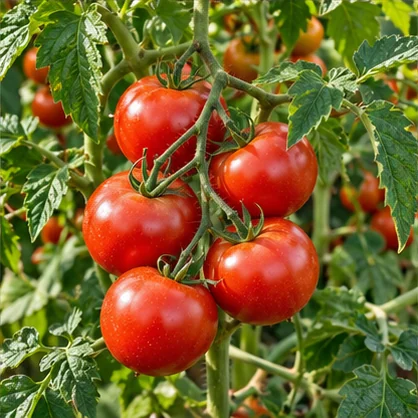
This image was created with AI from described plant characteristics and growing advice. It shows a possible situation and is not a photograph of a verified cultivar.
This growing advice helps you choose. Your variety, growth stage, weather and conditions in your space determine the actual timing.
Start under cover in warmth · Tomato
Late February–mid-March for a greenhouse; late March–early April for outdoorsStart indoors in warmth and reserve enough bright space for raising plants.
Match the start to the final position. A large plant needing to stay indoors in insufficient light for weeks gets no better start.
RHS · tomaat ↗Britse teeltrichtlijn voor een gematigd klimaat; de genoemde perioden zijn richtlijnen voor Nederland en Vlaanderen.
Feggies · Tomaat Ace 55 VF — rasbeschrijving ↗Nederlandse producent of teeltbron; de rasinstructie blijft leidend.
Feggies · Tomaat Ananori — rasbeschrijving ↗Nederlandse producent of teeltbron; de rasinstructie blijft leidend.
Guideline periods for the Netherlands and Flanders. Check the variety, available light, soil and measured temperatures. Greenhouse heating does not guarantee enough winter light.
Choose by more than the name. Discover how these varieties and crop types taste, what you can use them for and what growing them involves.
83 of 83 choices · 79 named varieties
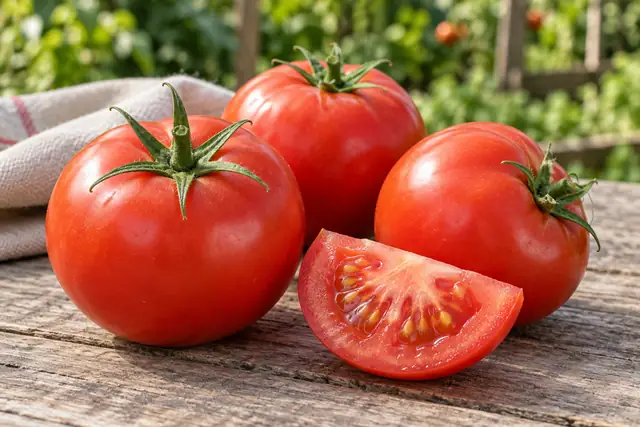
This image was created with AI from described plant characteristics and growing advice. It shows a possible situation and is not a photograph of a verified cultivar.
A round, red tomato for anyone starting with the classic shape and a juicy harvest.
A recognisable greenhouse or sheltered outdoor choice for ordinary, round fruits rather than unusual colour patterns.
The described flavour is classically tomato-like. Choose this as a reference alongside a sweet cherry tomato, so you can taste the difference in the same meal.
Slice the round fruits for bread or an everyday salad. Their juicy character also suits a fresh tomato sauce.
Start in warmth and place in a sunny, sheltered position. Follow the planting material's confirmed growth habit for support and pruning.
Harvest red fruits and use ripe ones regularly; compare a small portion with your other tomato first.
Read the source notes →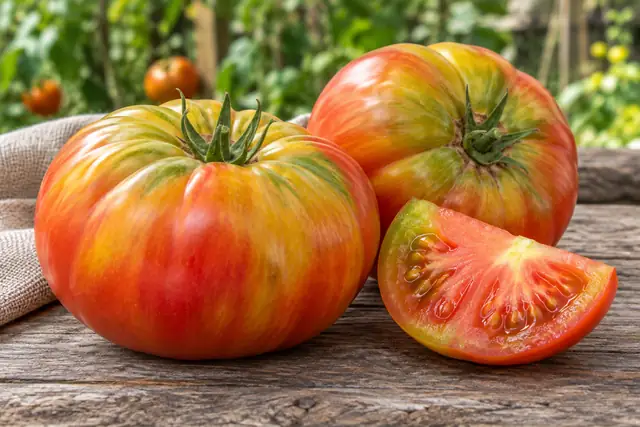
This image was created with AI from described plant characteristics and growing advice. It shows a possible situation and is not a photograph of a verified cultivar.
A large, flat beefsteak tomato with light ribbing and marbled colour from green to yellow and red.
For those mainly seeking an unusual fresh beefsteak tomato who do not need a firm transport tomato. The colour pattern makes every picking interesting.
The supplier praises the flavour but gives no precise description of its sweetness and acidity. Taste the ripe beefsteak tomato alongside a red variety; the marbled colour does not predict a particular aroma.
This flavour description applies to the crop; there is no separate tasting result for this variety.Cut broad slices for tomato carpaccio or a sandwich. The thin skin and large size invite eating fresh soon after picking.
According to the description, the plant grows relatively steadily and produces few sideshoots. Still provide support, air and space for large fruit.
Assess ripeness by colour changes and slight softness; handle fruits carefully because of their thin skin.
Read the source notes →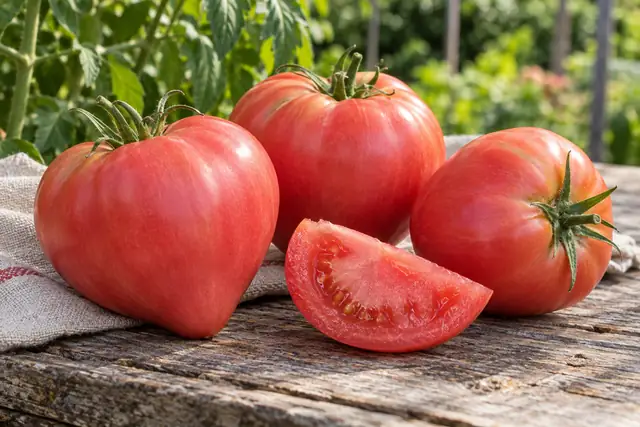
This image was created with AI from described plant characteristics and growing advice. It shows a possible situation and is not a photograph of a verified cultivar.
Pink-red heart-shaped fruits on a vigorous plant with strikingly fine, drooping foliage.
A choice for oxheart tomato lovers who also want to experiment in a less warm season; adaptation to cooler conditions still does not guarantee a harvest.
The current description mentions mildly sweet, firm and juicy flesh with few seeds. This makes the large heart-shaped tomato useful both fresh and cooked.
Use the heart-shaped fruits in thick slices on bread or add them to a sauce. The small seed cavity provides plenty of usable flesh.
The continuously growing plant needs support and space. Do not immediately mistake drooping leaves for wilting; assess the stem and soil moisture too.
Wait for pink-red ripe colour and suitable softness. Pick carefully so the large heart-shaped fruit does not pull on its stalk.
Read the source notes →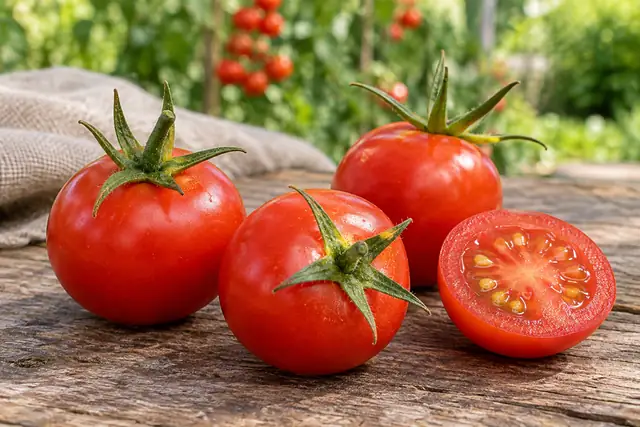
This image was created with AI from described plant characteristics and growing advice. It shows a possible situation and is not a photograph of a verified cultivar.
A bushy tomato about half a metre tall, with small, round, red fruits.
For those who want to limit height or follow a small container crop. Compactness is the real difference, without promising a fixed yield.
The cultivar is described as sweet and juicy. This makes it a compact alternative to tall cherry tomatoes for a fresh snack harvest.
Pick small amounts for lunch or salad straight from the pot. You do not need a large beefsteak tomato to add colour to a slice of bread.
Provide a large pot with drainage and plenty of light. Do not automatically treat a bushy plant as a tall, single-stemmed tomato.
The variety is described as early; warmth and propagation determine when the first red fruits are ready in your garden.
Read the source notes →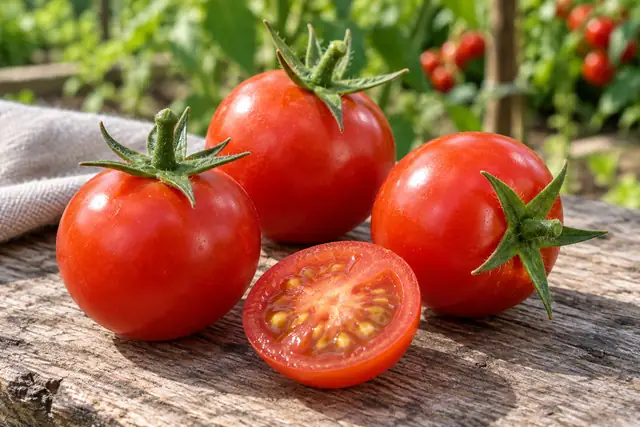
This image was created with AI from described plant characteristics and growing advice. It shows a possible situation and is not a photograph of a verified cultivar.
A small, red tomato on a strong, indeterminate plant: a classic candidate for your own snack frame.
For a familiar small red tomato when you have enough vertical space and are not looking for a low balcony bush.
Sweet, with flesh described as offering both firmness and juice. Try comparing it with the darker Black Cherry.
Use fruits as snacks or halve over salad. A small harvest at a time suits daily picking.
Install a stake or frame promptly and train the indeterminate plant. Keep the picking path accessible as trusses form.
Pick when fully red and try one fruit to recognise the ripeness you prefer.
Read the source notes →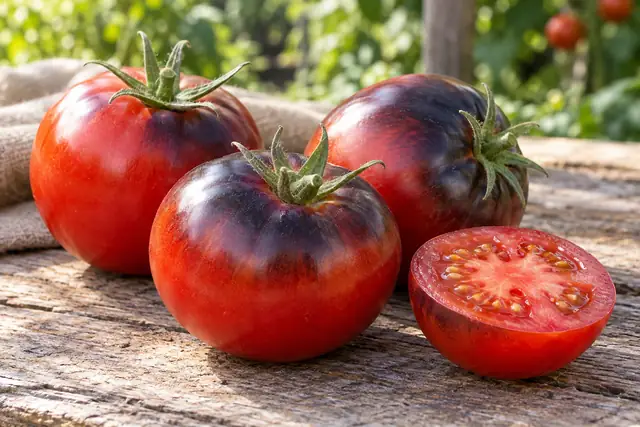
This image was created with AI from described plant characteristics and growing advice. It shows a possible situation and is not a photograph of a verified cultivar.
Dark purple to almost black shoulders above an underside that turns red when ripe.
For growing where you want to follow colour formation through sunlight. The documented distinction lies in the fruit shoulders and the two colours.
The variety source gives no defined flavour profile. Fresh tomato flavour is crop information here; dark shoulders do not automatically make a fruit sweeter or ripe.
This flavour description applies to the crop; there is no separate tasting result for this variety.Combine coloured wedges with red tomatoes in a salad that keeps the colour contrast visible. Taste them alone before seasoning strongly.
This cordon tomato needs support and upward space. Sun on the fruit influences the dark shoulder colour; retain enough healthy foliage too.
Wait for a red underside and whole-fruit ripeness too. The black shoulder alone is no picking signal.
Read the source notes →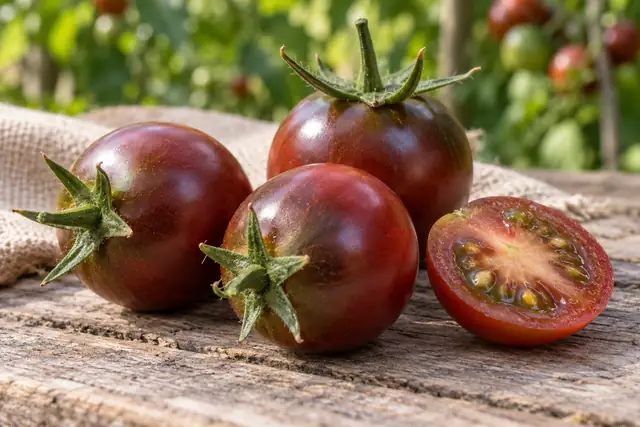
This image was created with AI from described plant characteristics and growing advice. It shows a possible situation and is not a photograph of a verified cultivar.
A dark cherry tomato about the size of a large cherry on a vigorous, trailing plant.
A choice for lovers of small, sweet tomatoes who also want a harvest with a different colour from familiar red cherry tomatoes.
The variety description states sweet flavour. Compare a ripe fruit with a red cherry tomato for juice, skin and sweetness.
Pick a mixed snack bowl or halve fruits in salad. Dark appearance provides contrast without extensive cutting.
The plant keeps growing and needs sturdy support. Give the trusses space and do not let it take over a narrow balcony planter completely.
Harvest when the dark fruit has its ripe colour and softness. The source mentions earliness, but your season determines the calendar.
Read the source notes →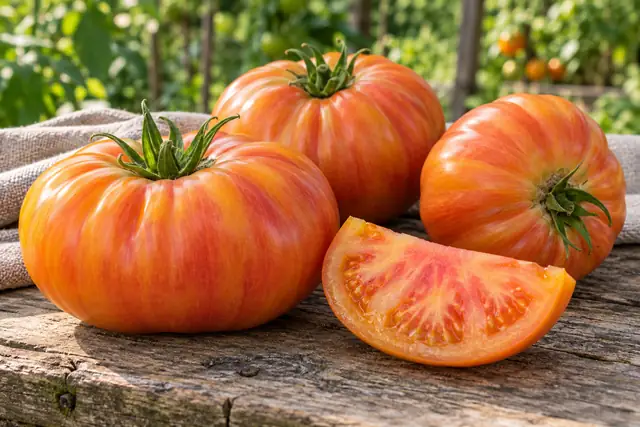
This image was created with AI from described plant characteristics and growing advice. It shows a possible situation and is not a photograph of a verified cultivar.
A large French beefsteak tomato, slightly flattened and ribbed, with orange and pink veining in skin and flesh.
For anyone seeking a pineapple-like appearance and wishing to compare the relatively earlier alternative described by the supplier; it remains a mid-season tomato.
The source mentions good flavour without separate aromas. Juicy tomato flavour is crop information; taste the coloured slices to determine your preference.
This flavour description applies to the crop; there is no separate tasting result for this variety.Cut broad slices that show the pink pattern. A simple salad displays that cross-section better than a completely smooth sauce.
Support the continuously growing plant and provide enough light. Allow room for heavy fruit and take care when moving trusses.
Assess ripe colour and softness; a green shoulder or colour difference need not mean the same as it does in a standard red tomato.
Read the source notes →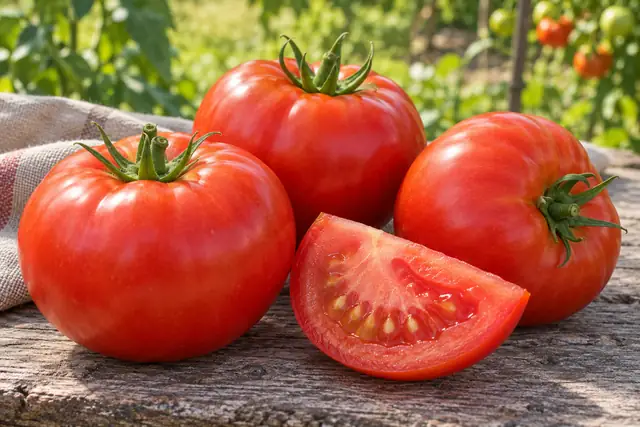
This image was created with AI from described plant characteristics and growing advice. It shows a possible situation and is not a photograph of a verified cultivar.
A red beefsteak tomato with firm fruits and a relatively steady-growing plant, developed with outdoor growing in mind.
For anyone wanting to try beefsteak tomatoes outdoors. The reported resistance concerns late blight specifically and does not replace checks for infection.
The flavour is described as mild and balanced. A useful comparison with distinctly sweet cherry tomatoes or refreshingly acidic green tomatoes.
The firm flesh suits cutting and cooking larger portions. Try the same fruit raw too, so that you can see what heating changes.
The producer describes low vigour and growing in a tub or along a lower fence. Still provide support and a sunny, airy position.
Pick red, ripe fruit. Treat the stated harvest month as an expectation, not a commitment: weather and planting-out time remain decisive.
Read the source notes →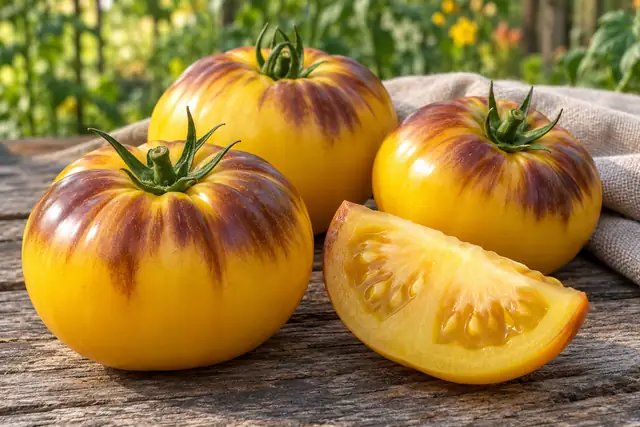
This image was created with AI from described plant characteristics and growing advice. It shows a possible situation and is not a photograph of a verified cultivar.
Yellow fruits with ribbed tops and dark brown shoulders: a tomato attracting attention before cutting.
For anyone seeking a medium-to-large yellow tomato with different markings from Green Zebra's classic green stripes.
The source describes a good balance between juice and flesh without specific aromas. The flavour advice is therefore a tomato tasting, not a promise of a special fragrance.
This flavour description applies to the crop; there is no separate tasting result for this variety.Cut wedges that leave the dark shoulders visible, or serve slices alongside a red beefsteak tomato on a tasting plate.
The plant keeps growing; choose support that can extend upwards. Provide enough room and assess water at the roots, not just the visible leaves.
It is a mid-season type. Watch for yellow ripening colour and fruit texture alongside the dark shoulders.
Read the source notes →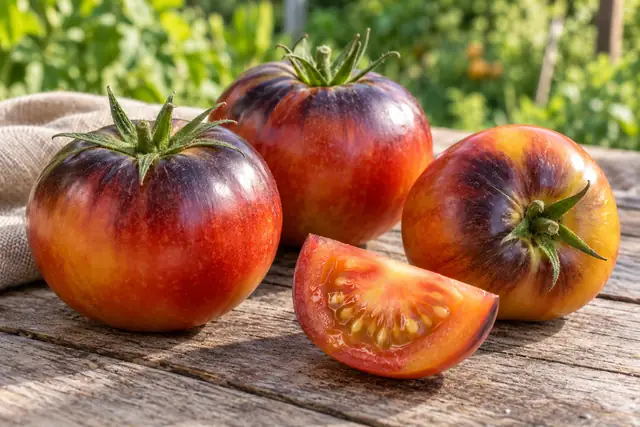
This image was created with AI from described plant characteristics and growing advice. It shows a possible situation and is not a photograph of a verified cultivar.
An indigo tomato with gold and red beneath sunlight-dependent dark markings, from Lee Goodwin's selection.
For a lover of colour variation who wants to see another indigo selection beside Indigo Rose. Both names remain separate selections.
The flesh is described as juicy; a distinct sweetness-acidity profile is not substantiated. Taste ripe fruit beside an ordinary red tomato rather than using colour to judge flavour.
This flavour description applies to the crop; there is no separate tasting result for this variety.Use the medium-sized fruit as fresh wedges so that its colour variations remain visible. The juice can also carry a simple cold tomato salad.
Provide light, warmth and support appropriate to the plants supplied. In a cool season, sheltered growing helps development without promising fixed fruit numbers.
Assess whole-fruit ripeness. Dark shoulder colouring is sun-sensitive and must not be the only harvesting criterion.
Read the source notes →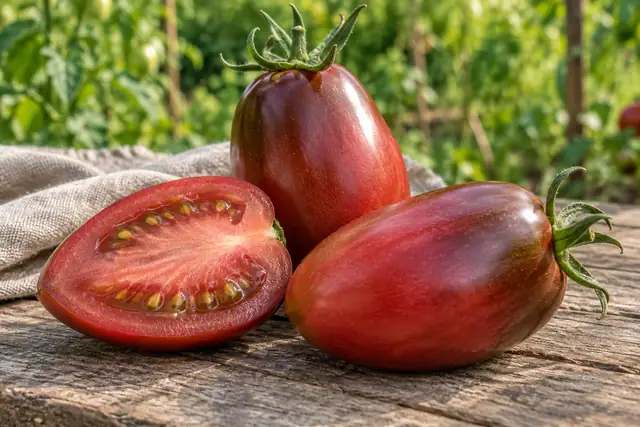
This image was created with AI from described plant characteristics and growing advice. It shows a possible situation and is not a photograph of a verified cultivar.
Elongated, plum-shaped tomatoes ripen dark pink to purplish-red or chocolate-brown: dark fruit with abundant juicy flesh.
Choose Purple Russian for a dark tomato usable fresh and cooked rather than a small, round cherry.
The source describes a rich, sweet tomato flavour and fleshy, juicy pulp. The colour gives a different appearance from red sauce tomatoes.
Eat slices on sandwiches or large pieces in salad. The fleshy bulk also works in sauce.
It is a cordon tomato. Provide sturdy support, remove side shoots and choose a warm greenhouse or well-sheltered outdoor position.
Pick at ripe dark pink or purplish-red colour and slight softness. Expect no uniform bright red final colour.
Read the source notes →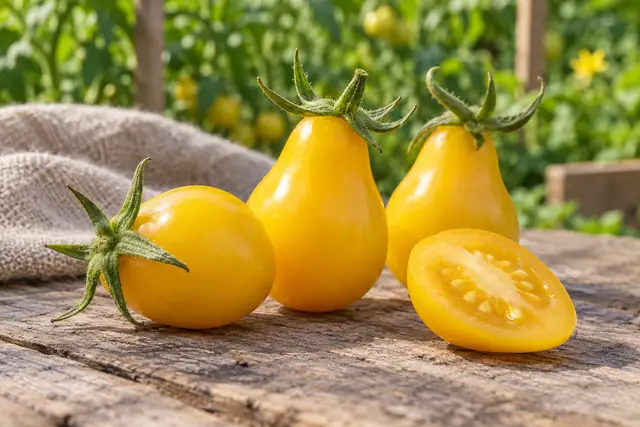
This image was created with AI from described plant characteristics and growing advice. It shows a possible situation and is not a photograph of a verified cultivar.
Small, yellow pear-shaped tomatoes offer a playful harvest rather than a round cherry truss.
Choose this variety for yellow pear-shaped fruits and sweet snacks alongside round red or dark cherries.
The described flavour is sweet. Pear refers to shape; a pear aroma is not substantiated.
Eat ripe pear-shaped fruits as snacks or whole in salad. Their shape remains visible if not finely cut.
Start in warmth and provide a sunny greenhouse or sheltered garden position with support. Keep small fruits accessible for regular picking.
Harvest ripe, yellow fruits and check hidden trusses. A small fruit may still be unripe; colour and softness help.
Read the source notes →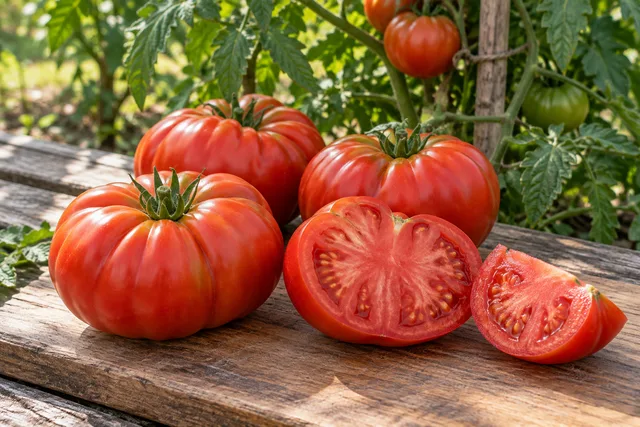
This image was created with AI from described plant characteristics and growing advice. It shows a possible situation and is not a photograph of a verified cultivar.
Fairly large, lightly ribbed beefsteak tomatoes on a plant needing support: a classic shape for thick slices.
Choose Marmande for a familiar beefsteak tomato without the pronounced heart shape of Coeur de Boeuf.
The source mentions tasty, large fruit, but no separate aroma ranking. The usual tomato flavour is the basis for both salads and cooked dishes.
This flavour description applies to the crop; there is no separate tasting result for this variety.Cut thick sandwich slices or roast wedges. The ribbed exterior gives a different cut from a smooth, round tomato.
Support the main stem and remove side shoots as the variety advises. A warm greenhouse or sheltered sunny position suits.
Let the fruit ripen on the plant and pick when firm-ripe. The stated weight varies; a smaller ripe fruit is also usable.
Read the source notes →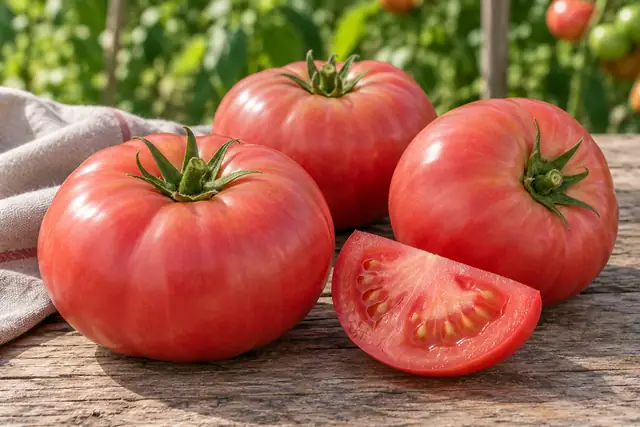
This image was created with AI from described plant characteristics and growing advice. It shows a possible situation and is not a photograph of a verified cultivar.
Large, pink, slightly flattened, thin-skinned beefsteak tomatoes come from a Mexican variety tradition with mid-season development.
Choose Oaxacan Rose for a pink beefsteak tomato with a described sweet-fresh balance rather than a drier paste tomato.
A rich balance of sweetness and freshness is described, with juicy, fleshy pulp. That profile suits eating with few additions.
Make tomato carpaccio, bruschetta or sandwich slices. Cut just before serving so the juice remains part of the dish.
The plant grows indeterminately. Give tall support and regular side-shoot checks; warm shelter helps large fruits ripen.
Pick pink-ripe and handle the thin skin carefully. Do not let large fruits roll on a hard crate base.
Read the source notes →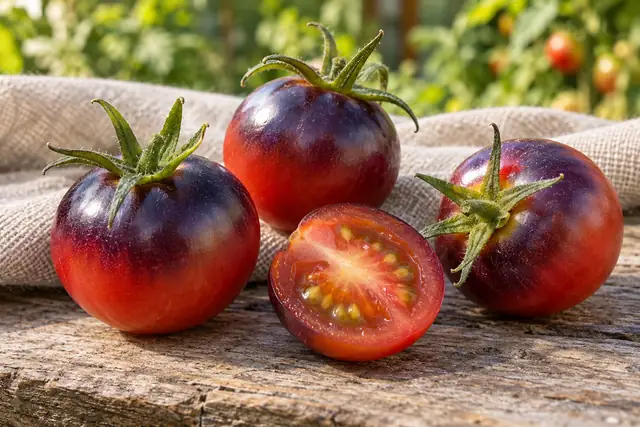
This image was created with AI from described plant characteristics and growing advice. It shows a possible situation and is not a photograph of a verified cultivar.
Small, round cherry tomatoes develop blue-purple colouring on the sunny side and red underneath: two colours in one fruit.
Choose this variety for a dark cherry tomato with a described fruity profile, rather than just blue shoulders on a large beefsteak tomato.
Sweet and fruity with a fresh undertone is the described profile. The firm little fruit also makes a distinctive snack.
Use whole ripe cherry tomatoes in salad or as garnish. Combine with yellow fruits for visible colour contrast.
The variety grows indeterminately. Provide support and airflow; sunlight on the fruit partly determines dark pigment colour.
Blue-purple can develop before eating ripeness. Check the red underside and slight softness before picking too.
Read the source notes →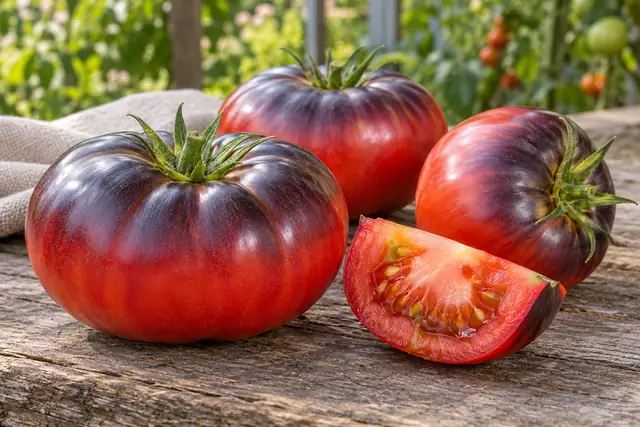
This image was created with AI from described plant characteristics and growing advice. It shows a possible situation and is not a photograph of a verified cultivar.
Large, flattened beefsteak tomatoes combine deep blue-purple shoulders with a red underside: a dark accent on a large shape.
Choose Blue Beauty for a large indigo beefsteak tomato rather than small, dark cherries.
A full, sweet flavour with slight freshness is described. Firm, fleshy texture suits thick, fresh slices.
Cut slices for sandwiches or tomato salad. Brief grilling gives a second use for the firm flesh.
The plant has indeterminate growth and needs support. Let the fruits receive sunlight without stripping the plant unnecessarily.
Look for a red underside and ripe texture; dark shoulders alone do not prove eating ripeness.
Read the source notes →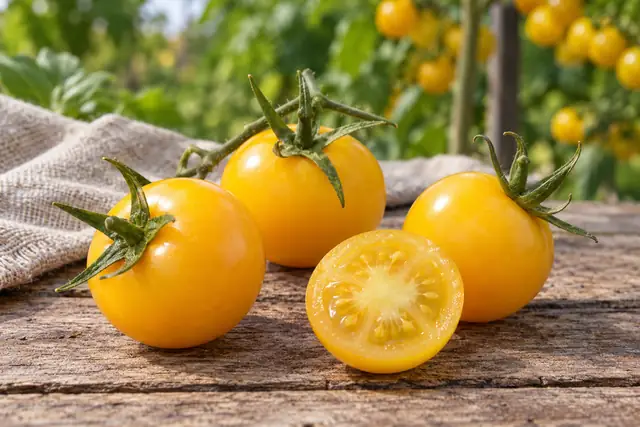
This image was created with AI from described plant characteristics and growing advice. It shows a possible situation and is not a photograph of a verified cultivar.
Very large, branching trusses of small, round, yellow tomatoes make this a picking project on a tall stem.
Choose Yellow Clementine for many small yellow fruits per truss. The exceptional numbers mentioned are not guaranteed for every plant.
No separate aroma is described. The usual flavour of ripe cherry tomatoes is the basis; truss size and yellow fruit are the main documented features.
This flavour description applies to the crop; there is no separate tasting result for this variety.Pick small portions for salad or a snack platter. The small size suits serving whole.
Provide sturdy, tall support: the supplier states approximately 2–2.5 metres. Remove side shoots regularly and let heavy, branching trusses hang freely.
Pick each ripe, yellow fruit; a large truss does not necessarily ripen together. Check the crop's upper part too.
Read the source notes →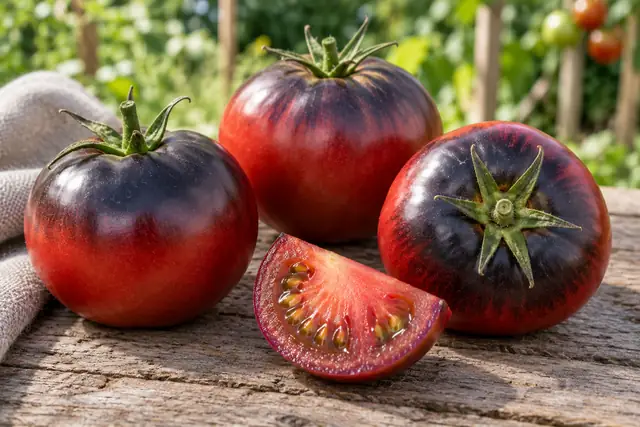
This image was created with AI from described plant characteristics and growing advice. It shows a possible situation and is not a photograph of a verified cultivar.
A mid-early variety with dark purple to blue-black shoulders and further red-purple colouring during ripening.
Choose Blue Dawg Indigo for blue-shouldered fruit and mid-early development beside a familiar red variety.
A separate flavour profile is not given. Choose this variety for its pigment and development; harvesting ripe remains decisive in the kitchen.
This flavour description applies to the crop; there is no separate tasting result for this variety.Use ripe pieces in a simple salad and taste first without strong sauce. This helps you learn your own harvest.
Provide warmth and sun in a greenhouse or sheltered garden. Shoulder colouring partly develops through sunlight.
Dark shoulders can appear early. Also assess red-purple colouring and fruit texture before picking.
Read the source notes →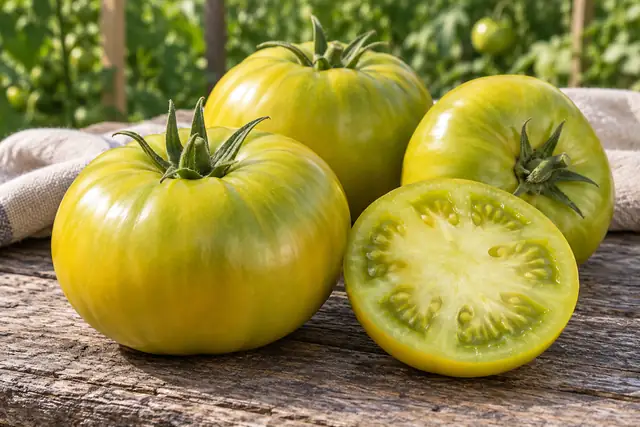
This image was created with AI from described plant characteristics and growing advice. It shows a possible situation and is not a photograph of a verified cultivar.
Large, green-ripe tomatoes often weighing several hundred grams: redness does not determine ripeness here.
Choose this variety to learn to recognise green-ripe fruit and compare large salad tomatoes.
The source describes a rich, full flavour. Green is the normal ripe colour, without the sharp flavour of an unripe red tomato being expected.
Cut thick, green slices for a salad with red or pink tomatoes. Include the juice in the dish.
Provide warm shelter and support for heavy fruit. Label the variety clearly so that green fruit is not automatically picked as unripe.
Harvest as the fruit turns slightly yellow-green and softens. Press gently; hard, dark green fruit is still at a different stage.
Read the source notes →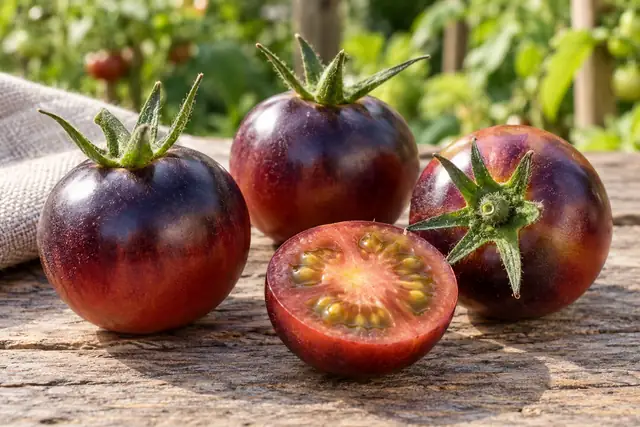
This image was created with AI from described plant characteristics and growing advice. It shows a possible situation and is not a photograph of a verified cultivar.
Round cherry tomatoes turn deep purple-blue on the sunny side; a compact fruit shape on a vigorous crop.
Choose Fahrenheit Blues for dark pigment on round cherry tomatoes as a visual addition to yellow and red snacks.
A specific flavour comparison is missing. The usual flavour of ripe small tomatoes is the starting point; dark colour is not evidence of flavour.
This flavour description applies to the crop; there is no separate tasting result for this variety.Serve whole ripe fruits on a snack board or in a salad. Cut a first trial fruit in half to assess ripe texture.
Give a warm, sunny position and sturdy support. Keep trailing growth accessible and avoid dense, wet foliage.
Pick by full colouring and slight softness, not blue pigment alone. Check fruits on shaded and sunny sides separately.
Read the source notes →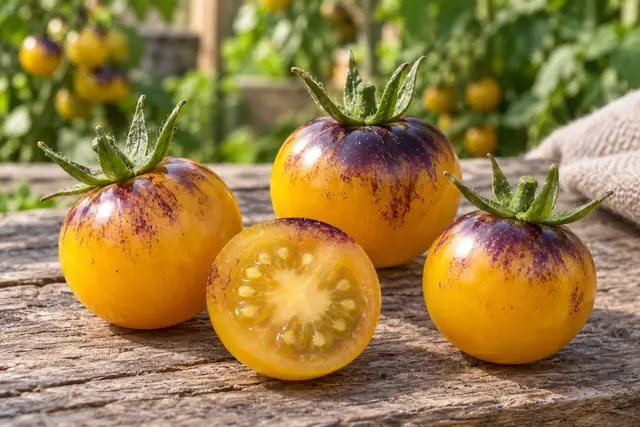
This image was created with AI from described plant characteristics and growing advice. It shows a possible situation and is not a photograph of a verified cultivar.
Small, round cherry tomatoes on a vigorous, productive plant: a variety for repeated summer pickings.
Choose Awesome Emma Cherry when regular, small, flavoursome portions matter more than a few large beefsteak tomatoes.
A fresh, sweet flavour is described. It is a snack selection explicitly offered for both freshness and sweetness.
Eat ripe fruits immediately or whole in salad. Keep preparation simple to taste the fresh, sweet profile.
Provide warmth, support and sufficient picking room. Vigorous growth needs regular checks and airflow.
Pick ripe fruits regularly and remove damaged produce. A productive variety still depends on season and care.
Read the source notes →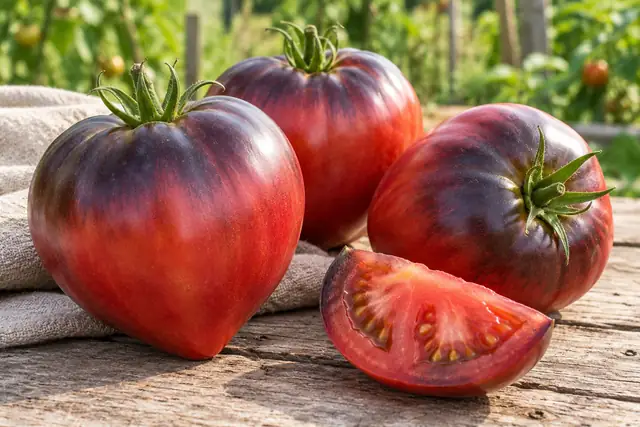
This image was created with AI from described plant characteristics and growing advice. It shows a possible situation and is not a photograph of a verified cultivar.
Large, heart-shaped beefsteak tomatoes develop a blue-purple ripening colour that turns further towards red: a colour variation on the oxheart shape.
Choose this selection if the familiar oxheart shape with a dark colour accent appeals.
A separate aroma profile is not described. The fixed features are heart shape and colour; use ripe fruit for the usual beefsteak tomato experience.
This flavour description applies to the crop; there is no separate tasting result for this variety.Cut large slices for salad or sandwiches. The heart shape gives a different cut from round cherry tomatoes.
Provide warm shelter and support for heavy fruits. Prevent a truss pressing against a tight tie or hard edge.
Assess red ripening colour and texture alongside blue-purple pigment. Dark colour alone is not a reliable measure of ripeness.
Read the source notes →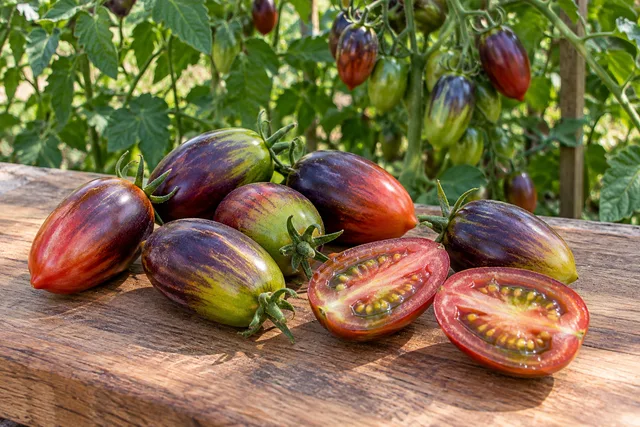
This image was created with AI from described plant characteristics and growing advice. It shows a possible situation and is not a photograph of a verified cultivar.
Small, elongated plum tomatoes combine purple, green, red and blue nuances: a multicoloured variety, not a seed mix.
Choose Brad’s Atomic Grape for a long mini shape and several colours in one variety rather than a mix of unknown plants.
Sweet and full is described, with firm skin and a juicy interior. This provides structure and juice in fresh preparations.
Halve fruits in salad or roast briefly. Leaving the skin on keeps the colourful exterior visible.
Provide a warm, sunny position and support. Label the plant so colour variation within the same variety does not cause confusion.
Pick at slight softness and ripe colour; green can remain part of the normal pattern. Taste the first fruit to learn your picking stage.
Read the source notes →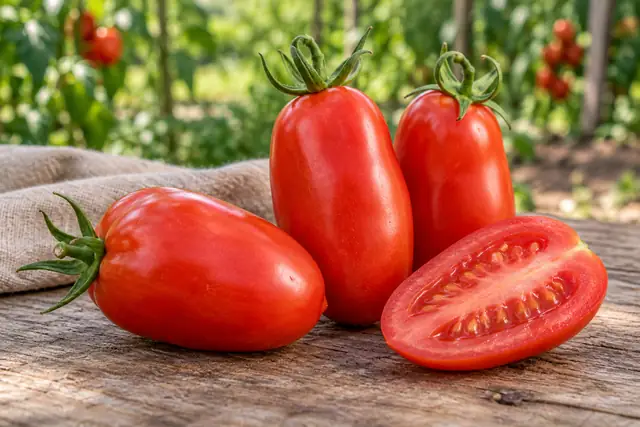
This image was created with AI from described plant characteristics and growing advice. It shows a possible situation and is not a photograph of a verified cultivar.
A classic Italian, elongated plum tomato with firm flesh: mainly a choice for homemade sauce.
Choose San Marzano when processing matters rather than only snacking on whole cherry tomatoes.
A full flavour and low acidity are described. That profile suits a sauce where the tomato itself takes centre stage.
Make tomato sauce or roast halved fruit for a more concentrated dish. The firm flesh is more practical than very juicy salad tomatoes.
Start in warmth and provide a sunny greenhouse or sheltered position with support. Keep watering even during fruit growth.
Harvest fully ripe fruit for sauce and keep undamaged fruit separate from damaged harvests. Process portions using a suitable preserving method.
Read the source notes →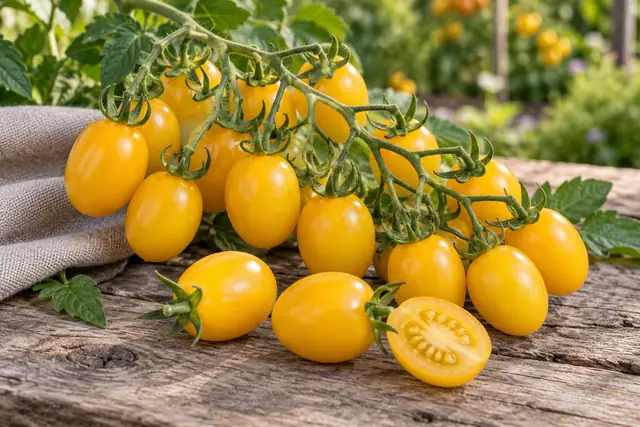
This image was created with AI from described plant characteristics and growing advice. It shows a possible situation and is not a photograph of a verified cultivar.
Many small, oval, yellow tomatoes on fan-branched flower clusters: striking trusses for small, fresh harvests.
Choose Slivovidny for yellow minis and unusual branching trusses instead of pear-shaped Yellow Pearshaped.
Sweet flavour with a balanced sweet-acid ratio is described. This says more about the small fruit than yellow colour alone.
Use the oval snacks whole in salad or eat a ripe portion straight after picking.
Remove side shoots and tie regularly as the variety directs. Allow room around branching trusses and provide sun and airflow.
Pick ripe, yellow fruits individually. The described small weight is a guide; do not wait for a large slicing tomato.
Also listed as: Slivowidnij, Slivovidnij.
Read the source notes →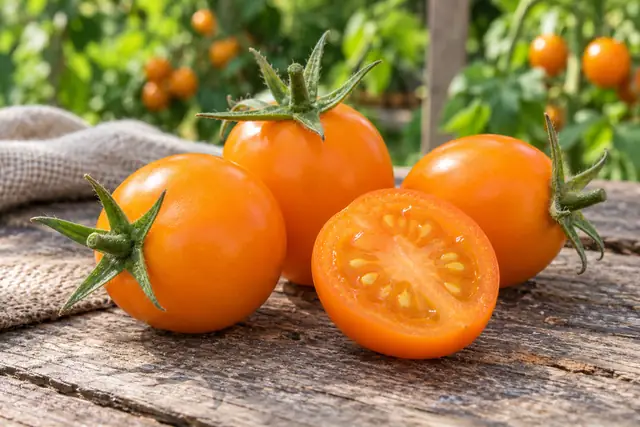
This image was created with AI from described plant characteristics and growing advice. It shows a possible situation and is not a photograph of a verified cultivar.
Orange snack tomatoes of approximately 12–18 grams on an open plant with often-branched trusses.
Choose Ormato for orange fruit and a manageable, open crop beside yellow or dark cherry tomatoes.
The producer rates the flavour as particularly delicious, without a specific sweetness or acidity profile. Use the usual ripe tomato flavour as the basis.
This flavour description applies to the crop; there is no separate tasting result for this variety.Serve whole, ripe orange snacks on a platter or in salad. The small size makes cutting unnecessary.
The selection suits glass and outdoor growing. Provide support and warm shelter and keep branching trusses accessible.
Pick fruits in portions once they have turned orange. Open growth helps you see what is ripe, but does not replace regular checks.
Read the source notes →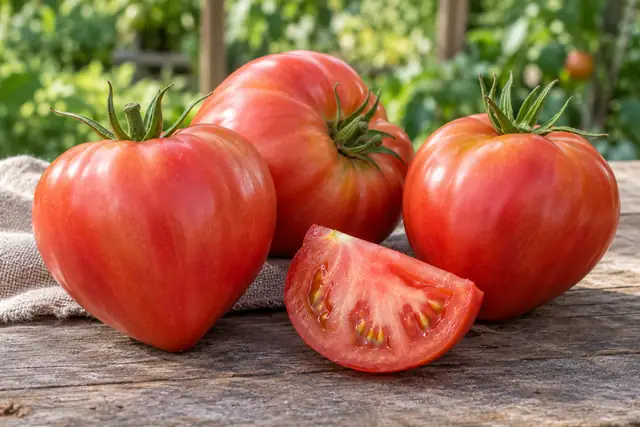
This image was created with AI from described plant characteristics and growing advice. It shows a possible situation and is not a photograph of a verified cultivar.
Large to very large oxheart tomatoes ripen from inside out: the picking stage also changes their kitchen role.
Choose Coeur de Boeuf to use the same variety at two textures and for attractive, large, heart-shaped slices.
The producer describes a fresh, full flavour with firm pink flesh at early colouring; once fully red, the flesh becomes softer and more flavoursome for cooked dishes.
Slice firm, ripe fruit thinly for tomato carpaccio. Prefer fully ripe, soft fruits for pasta, sauce or soup.
Provide sturdy support and warm shelter. Heavy trusses need attention; reduce the fruit load if necessary, following the producer's advice.
For firm salad fruits, picking at first colouring can suit. For soft cooking use, let them ripen fully red.
Also listed as: Ossenhart.
Read the source notes →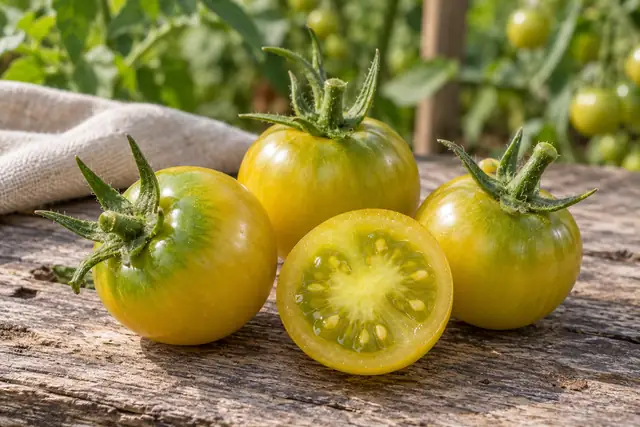
This image was created with AI from described plant characteristics and growing advice. It shows a possible situation and is not a photograph of a verified cultivar.
Round, yellow-green cherry tomatoes stay greener near the stalk in small trusses often containing several fruits.
Choose Raisin Vert for small, green-ripe fruits as a manageable alternative to large Aunt Ruby’s German Green.
A mild, sweet flavour is described. Green shoulders belong to the variety and do not equal an unripe red tomato.
Use whole yellow-green fruits in a mixed tomato salad. Light preparation keeps their mild sweetness recognisable.
The variety grows indeterminately. Provide support, side-shoot checks and a warm greenhouse or sheltered outdoor position.
Pick at yellow-green ripeness and slight softness. Do not wait for the stalk end to turn fully red.
Read the source notes →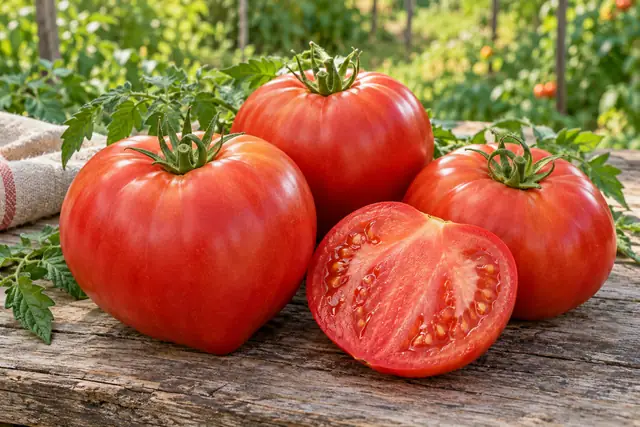
This image was created with AI from described plant characteristics and growing advice. It shows a possible situation and is not a photograph of a verified cultivar.
Large, fleshy, firm tomatoes of around 300–600 grams on a fine-leaved plant: a generous oxheart offering from the United States.
Choose Akers if firm, large fruits are the aim and you have space for a heavily laden crop.
The clear difference is a firm, fleshy texture. A separate aroma has not been established; ripeness determines the usual tomato flavour in the kitchen.
This flavour description applies to the crop; there is no separate tasting result for this variety.Cut thick sandwich slices or generous salad wedges. The large fruit can provide several portions at once.
Provide warm shelter and sturdy support for the large fruit. Fine leaves are a variety characteristic, not automatically a sign of deficiency.
Harvest ripe, firm fruit and support its weight while picking. The stated range is not a minimum size for a usable tomato.
Read the source notes →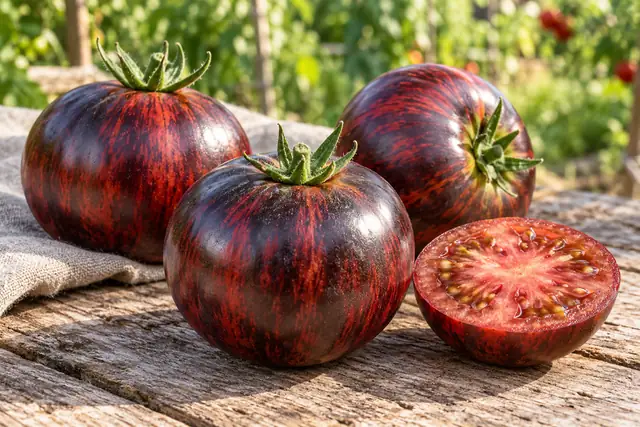
This image was created with AI from described plant characteristics and growing advice. It shows a possible situation and is not a photograph of a verified cultivar.
Round, dark purple to almost black fruits with red stripes: a late colour accent on an indeterminate plant.
Choose Damascus Steel for dark, round, striped fruits and a rich, sweet flavour, provided your season is long enough.
A rich, sweet flavour is described. The striped skin adds visual appeal to a sweetness supported by the description.
Slice ripe fruits for a simple salad or serve wedges beside a pale tomato.
The plant has indeterminate growth and is offered as a late cultivar. Provide tall supports and preferably warm shelter for ripening.
Assess colour and slight softness. Dark pigment does not always appear exactly when the whole fruit is edible-ripe.
Read the source notes →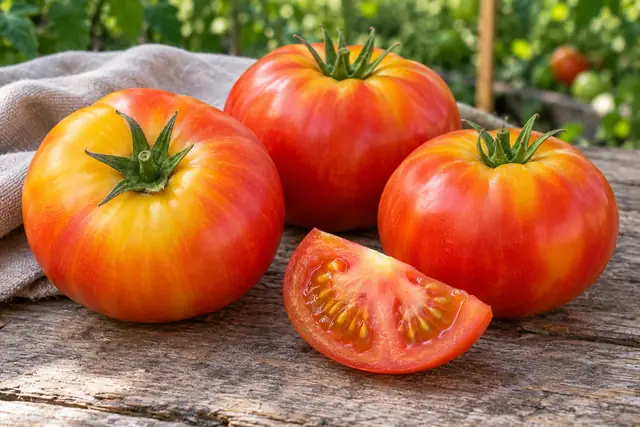
This image was created with AI from described plant characteristics and growing advice. It shows a possible situation and is not a photograph of a verified cultivar.
An early beefsteak tomato selection from Culinaris, with fruits ripening from yellow through orange to red.
Choose Oaxacan Jewel for early beefsteak tomatoes and a mild profile, particularly if large fruits should not arrive very late.
A pleasantly mild flavour is described. This differs from distinctly sharp or strongly acidic tomatoes, without giving a fixed acidity value.
Use ripe slices on sandwiches or in salad. The mild flavour suits simple cheese, oil and herbs.
Provide a sunny, airy outdoor position or shelter and enough support. The grower mentions steady growth; do not stimulate it blindly with heavy feeding.
Follow the colour change and pick according to ripe texture. The early harvest mentioned in the offering still depends on your sowing conditions and weather.
Read the source notes →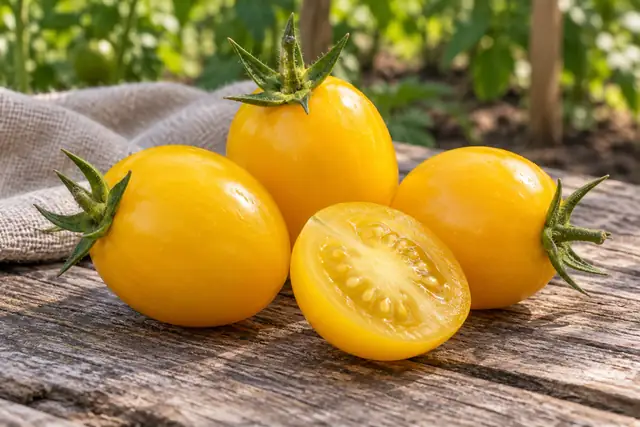
This image was created with AI from described plant characteristics and growing advice. It shows a possible situation and is not a photograph of a verified cultivar.
A compact bush tomato with juicy fruits around 35 grams, suitable for a pot and balcony under rain shelter.
Choose Tigerette Cherry if you want a compact tomato that does not require the usual tall cordon tomato routine.
Mild and juicy is the described profile. This suits eating fresh without assuming small fruit must be extra sweet.
Use whole or halved fruits as snacks and in salad. Cocktail-sized harvests suit small portions.
The producer advises leaving sideshoots and growing under a rain shelter. Use a spacious pot and provide support only if the crop load requires it.
Pick ripe, juicy little fruit and keep checking the pot for moisture. Rain shelter protects growth, but does not guarantee freedom from disease.
Read the source notes →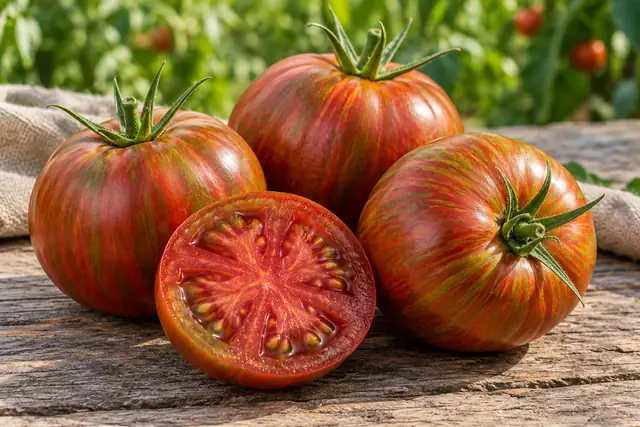
This image was created with AI from described plant characteristics and growing advice. It shows a possible situation and is not a photograph of a verified cultivar.
Red-green striped fruits with dark red flesh on a slender plant: outer and inner colour each play their own role.
Choose Zebranelle for sweet, spicy fruit and firm texture instead of a mainly refreshing green zebra.
Pronounced sweetness and a slightly spicy aroma are described. The firm texture gives a different profile from very juicy, soft beefsteak tomatoes.
Cut firm slices for salad or sandwiches. Simple herbs make the lightly spicy variety aroma easier to recognise.
Support the slender plant and check its relatively limited sideshoot growth. Even a selection described as healthy needs air and even watering.
Pick according to ripe texture and the red-green pattern. Good keeping quality is no reason to leave damaged fruit on the plant for a long time.
Read the source notes →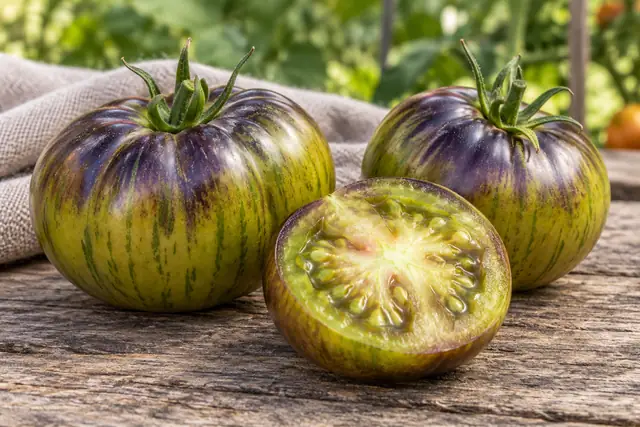
This image was created with AI from described plant characteristics and growing advice. It shows a possible situation and is not a photograph of a verified cultivar.
Round, sometimes ribbed fruits combine green stripes with intense blue-purple shoulders, with some variation within the selection.
Choose Blue Green Zebra to discover variation and pigment in a named selection rather than one uniform red shape.
Sweet, rich flesh is described. The grower reports variation in colour, shape and flavour; do not expect a completely uniform harvest.
Use ripe wedges in salad and compare a few fruits separately. Keep green stripes visible for their colour effect.
Provide a warm, sunny position and support. Label the plant so variable fruits are not counted as several unknown varieties.
Assess slight softness and other developing colours alongside green stripes and dark shoulders. The pattern remains part of the ripe fruit.
Read the source notes →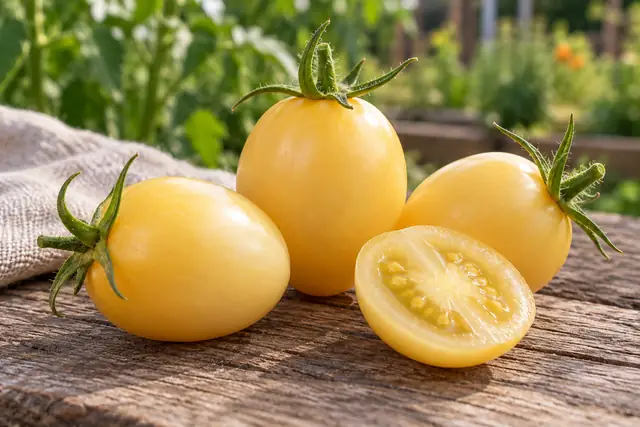
This image was created with AI from described plant characteristics and growing advice. It shows a possible situation and is not a photograph of a verified cultivar.
Ivory-yellow to creamy-yellow egg-shaped tomatoes of approximately 30–50 grams: a small, long shape with a pale exterior.
Choose Ivory Egg for pale, egg-shaped fruits and a sweet, fresh profile rather than a yellow pear cherry.
The flavour is described as very sweet with a fresh note of citric acidity. This is a flavour comparison, not an actual lemon ingredient.
Halve the little egg-shaped fruits in salad or serve small fresh portions beside dark tomatoes.
Provide warmth and support and keep trusses accessible. A productive offering needs a stable water supply when many fruits are growing at once.
Pick when ivory turns creamy yellow and the fruit gives slightly. Do not wait for a dark yellow or red final colour.
Read the source notes →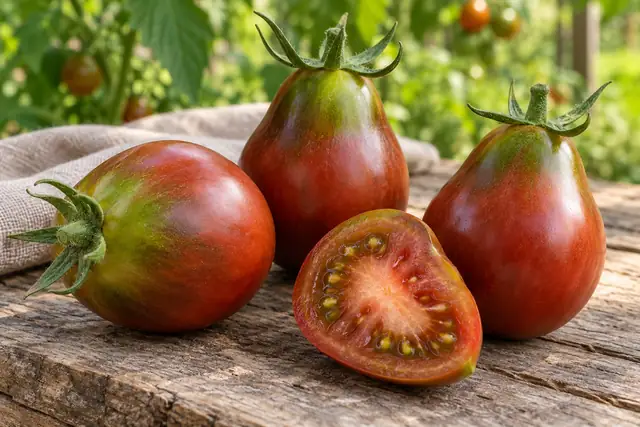
This image was created with AI from described plant characteristics and growing advice. It shows a possible situation and is not a photograph of a verified cultivar.
Pear-shaped, dark red to brown tomatoes with green shoulder nuances: a mid-season variety with a firm, juicy interior.
Choose Chocolade Peer for a dark pear shape to contrast with yellow pear-shaped cherries.
The source mentions rich flavour. Chocolate refers to colour; no cocoa flavour is promised.
Halve pear-shaped fruits in salad or on a snack platter. Coarse preparation keeps shape and dark colour visible.
Provide warm shelter and support. Let small fruits develop freely and check trusses regularly.
Harvest at dark ripe colour and slight softness, even if traces of green shoulders remain. Good keeping quality applies only to undamaged, ripe fruit.
Read the source notes →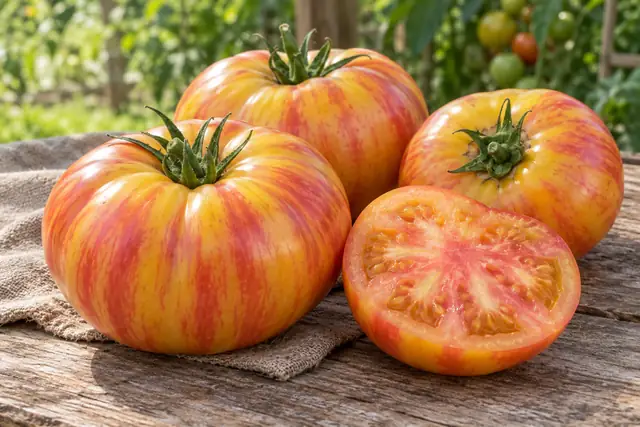
This image was created with AI from described plant characteristics and growing advice. It shows a possible situation and is not a photograph of a verified cultivar.
Large beefsteak tomatoes with gold and pink stripes and dense, juicy flesh: a colourful cross with its own name.
Choose Copia for a large, striped shape and a described sweet aroma rather than small, striped cherries.
Sweet and fragrant is the described profile. Juiciness makes this large tomato especially attractive for fresh preparations.
Cut large, thin slices for a tomato salad or sandwiches. Collect the juice in the dressing so it does not go to waste.
Provide warmth and sturdy support for heavy trusses. The different weights mentioned show that size can vary within the variety.
Pick gold-pink ripe with slight softness and handle carefully. Stripes are normal; uniformly red is not a required final stage.
Read the source notes →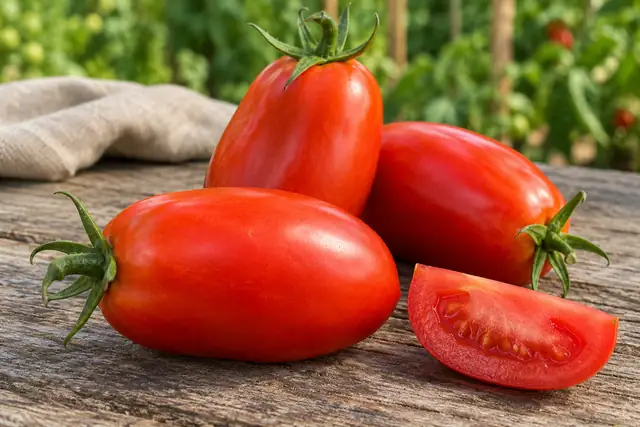
This image was created with AI from described plant characteristics and growing advice. It shows a possible situation and is not a photograph of a verified cultivar.
An early-selected red, elongated, fleshy tomato with few seeds, originally developed in a cooler American growing context.
Choose Grandma Mary’s Paste for an early processing selection alongside a later sauce variety to spread the harvest.
The described distinction is mainly juicy flesh with few seeds. No separate sweetness ranking is given.
This flavour description applies to the crop; there is no separate tasting result for this variety.Make sauce from ripe fruit or cut firm pieces for salad. The fleshy, elongated shape is practical for processing plenty at once.
Provide a sunny, warm position and support. Tolerance of cooler climates is not evidence that the plant withstands frost or persistently cold soil.
Pick ripe red fruit in batches for processing. Preserve undamaged harvests with a suitable method and keep damaged fruit separate.
Read the source notes →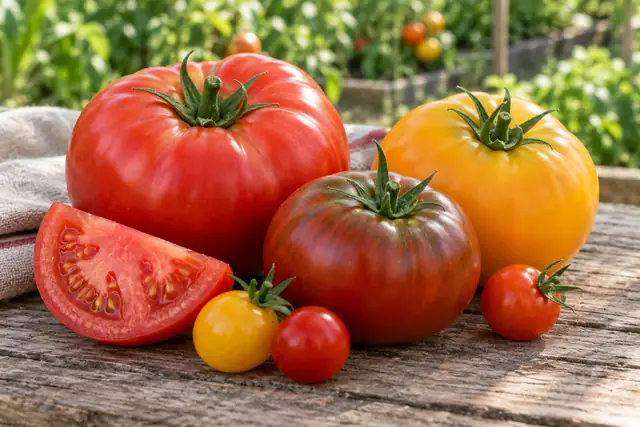
This image was created with AI from described plant characteristics and growing advice. It shows a possible situation and is not a photograph of a verified cultivar.
A mixture of large named tomato selections for different colours, shapes and flavours in one bed.
Choose the mix for discovery. Anyone wanting one exact cultivar beforehand should choose separately named seed.
A mix has no single flavour profile. The source mentions beefsteak tomatoes, green zebras and dark selections among others; assess each plant separately.
This flavour description applies to the crop; there is no separate tasting result for this variety.Make a trial salad from several ripe fruits. Cut comparable portions and initially season each type simply.
Label seedlings individually and give each plant suitable support. Adapt pruning only once the growth habit or labelling is clear enough.
Pick each plant at its own ripe colour and texture. Green, yellow, dark and red do not all need the same final colour.
Read the source notes →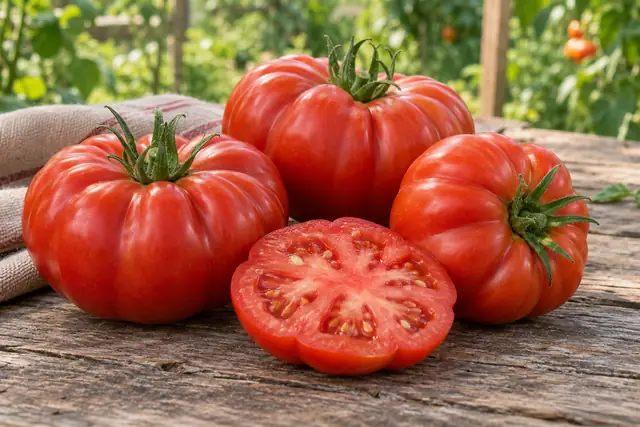
This image was created with AI from described plant characteristics and growing advice. It shows a possible situation and is not a photograph of a verified cultivar.
Flattened, heavily ribbed, red fruits on a relatively low crop give almost flower-shaped cross-sections.
Choose Rosso Sicilian for strong ribbing and a lower crop as a visual alternative to smooth, round tomatoes.
Sweet, fragrant flesh is described, with good suitability for sauce and stuffing. The pronounced ribs mainly create a different sliced appearance.
Cut thick, flower-shaped slices, stuff halved fruits or use ripe flesh in sauce.
The supplier states a height below approximately one metre. Still provide support where heavy trusses could tip the plant.
Pick ripe, red fruits and check grooves for damage. Cut carefully to retain the ribbed shape.
Read the source notes →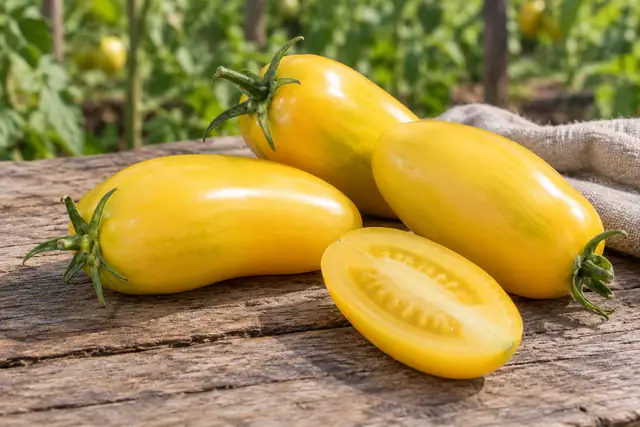
This image was created with AI from described plant characteristics and growing advice. It shows a possible situation and is not a photograph of a verified cultivar.
Pale yellow, elongated tomatoes resemble small bananas and may retain fine, light green stripes.
Choose Banana Legs for long, yellow fruit on a relatively low crop rather than small, yellow pear cherries.
A separate aroma profile is not described. Banana refers to the shape; taste the usual ripe tomato flavour without expecting a banana note.
This flavour description applies to the crop; there is no separate tasting result for this variety.Halve long fruits for salad or a vegetable roasting tray. The shape easily gives narrow, even pieces.
The source states growth to approximately a metre. Give warmth and support for laden branches without automatically expecting a tall cordon.
Harvest light yellow-ripe and assess slight softness. Fine green stripes can remain part of the pattern.
Read the source notes →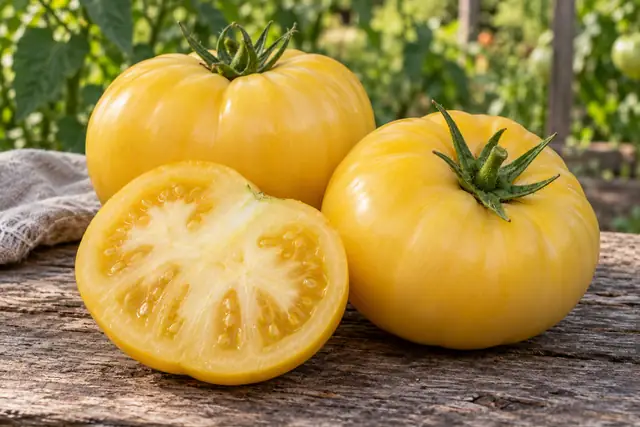
This image was created with AI from described plant characteristics and growing advice. It shows a possible situation and is not a photograph of a verified cultivar.
A vigorous, old, white beefsteak tomato with abundant foliage and few seeds, also known as Great White.
Choose Grosse Blanche when a large, pale tomato and described fruity aroma matter more than a uniformly red harvest.
The source describes juicy flesh with a fruity note somewhat reminiscent of guava. This is an aroma comparison, not dessert fruit.
Make thick, pale slices for tomato salad or sandwiches. Simple seasoning helps reveal the fruity note.
Give the vigorous leaf crop room and sturdy support. Retain airflow without removing every protective leaf.
Harvest by pale ripening colour and softening; do not wait for red. Handle large, juicy fruits carefully.
Also listed as: Great White, White Beefsteak.
Read the source notes →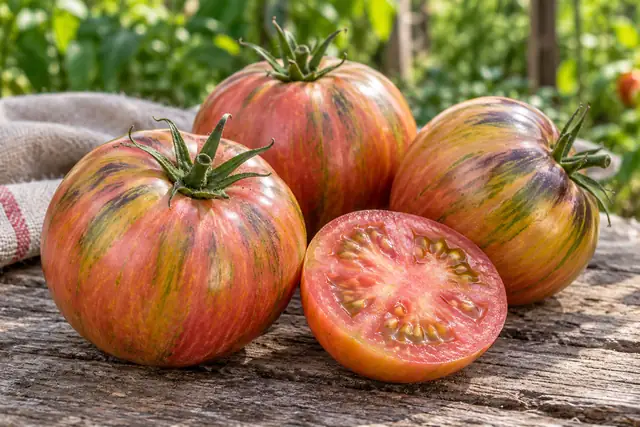
This image was created with AI from described plant characteristics and growing advice. It shows a possible situation and is not a photograph of a verified cultivar.
Pink, round to oval fruits with green and golden stripes and indigo accents: a mid-season selection by Brad Gates.
Choose Persuasion for multicoloured pink fruits and described storage suitability, rather than for a uniformly red selection.
The source praises flavour without a precise sweet-acid balance. Use ripe fruit for a generally full tomato experience.
This flavour description applies to the crop; there is no separate tasting result for this variety.Cut wedges for a colourful salad or thin sandwich slices. Leaving skin on preserves the pattern.
Provide warm shelter and support and keep trusses clear of wet, dense foliage. Mid-season gives no fixed Dutch picking date.
Pick by pink colouring and slight softness. Green stripes and indigo remain normal; keeping quality applies only to undamaged produce.
Read the source notes →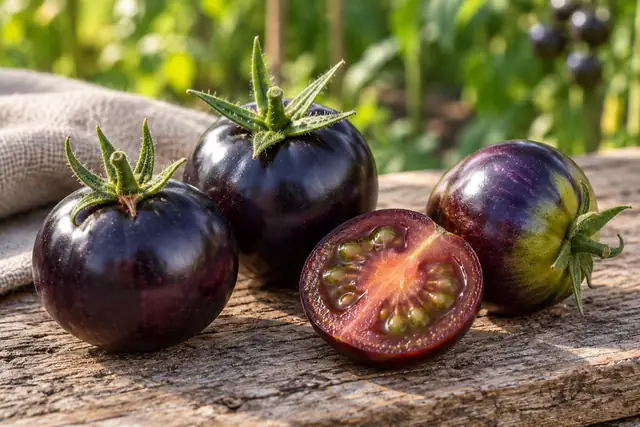
This image was created with AI from described plant characteristics and growing advice. It shows a possible situation and is not a photograph of a verified cultivar.
Small, intensely indigo-blue fruits appear in trusses, sometimes with a green accent and dense flesh.
Choose Midnight Select for small, dark fruit; according to the source, its colour is less dependent on direct sunlight than other indigo types.
The described quality is dense flesh with good flavour. No separate sweetness ranking is given.
This flavour description applies to the crop; there is no separate tasting result for this variety.Use halved ripe little fruit in salads or as small roasted portions. Their dense structure makes them different from very juicy beefsteak tomatoes.
Still provide a sunny, warm position and support. Less sunlight-dependent pigment does not mean the plant needs little light.
Assess ripe texture alongside indigo colour. Darkness alone does not identify a small fruit as edible-ripe.
Read the source notes →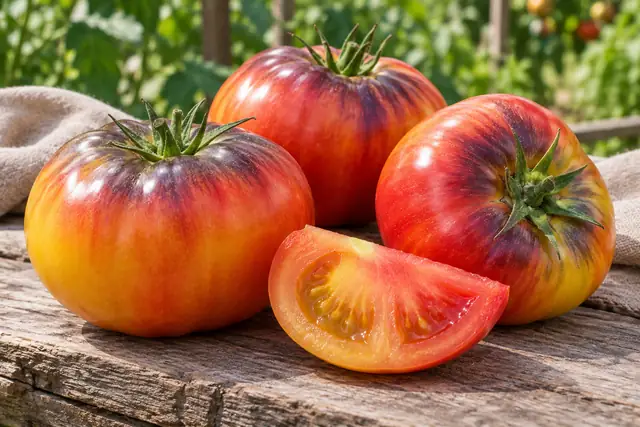
This image was created with AI from described plant characteristics and growing advice. It shows a possible situation and is not a photograph of a verified cultivar.
Yellow-to-red beefsteak tomatoes with indigo accents give a vigorous selection a striking, warm colour display.
Choose Lucid Gem for a described fruity-sweet beefsteak profile and indigo accents, with few seeds in each portion.
Thick flesh with a sweet, fruity flavour and few seeds is described. This profile suits thick, fresh slices.
Make a tomato salad with broad slices and few extra herbs. Also roast ripe pieces briefly.
Support the vigorous crop. Described heat adaptation is no reason to neglect watering during fruit growth.
Pick by ripe texture and yellow-red colouring. Indigo pigment alone does not indicate harvest time.
Read the source notes →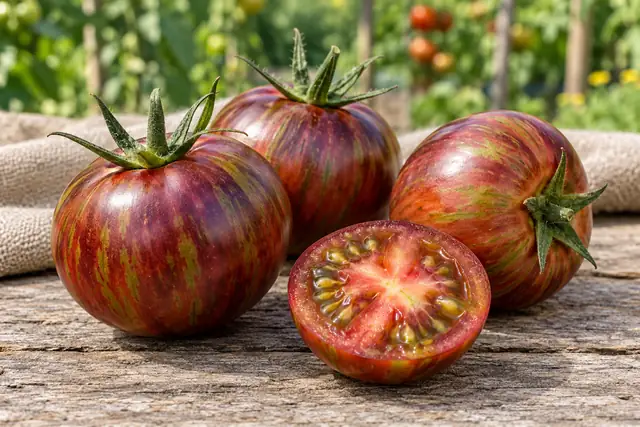
This image was created with AI from described plant characteristics and growing advice. It shows a possible situation and is not a photograph of a verified cultivar.
Round, purplish-red cocktail tomatoes with green stripes, originating in China and also called Tzi Bi U.
Choose Violette Jasper for a striped cocktail tomato also described by the supplier for shorter or cooler seasons.
The source mentions good flavour without defining a separate aroma. Cocktail size provides small, fresh portions with the usual ripe tomato flavour.
This flavour description applies to the crop; there is no separate tasting result for this variety.Halve ripe fruits on a snack platter or use in mixed salad. Leave the green stripes visible.
Provide warm shelter and support. Suitability for a shorter season does not mean a good start in cold soil.
Pick when purple-red and ripe with slight softness; green stripes are part of the pattern. The stated weight range is broad and need not be uniform.
Also listed as: Tzi Bi U.
Read the source notes →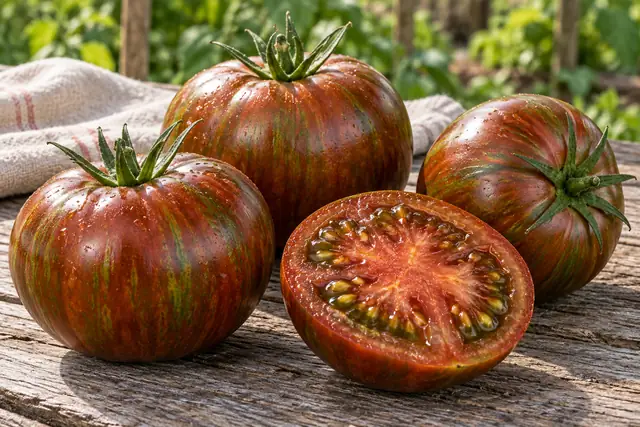
This image was created with AI from described plant characteristics and growing advice. It shows a possible situation and is not a photograph of a verified cultivar.
Reddish-brown fruits develop bright, metallic green stripes, with dark, thick, very juicy flesh.
Choose this variety for dark, striped fruit and a juicy, rich profile. It is a named selection, not a mixture of black varieties.
Rich flavour is described. The juicy flesh gives a different texture from a dry processing tomato.
Use large pieces in salad or sandwich slices. Catch juice with dressing or bread rather than pouring it away.
Allow room for dense foliage and sturdy support. Keep trusses accessible without exposing fruit to every weather influence.
Pick reddish-brown ripe with slight softness, even if green stripes remain. Handle very juicy fruits carefully.
Read the source notes →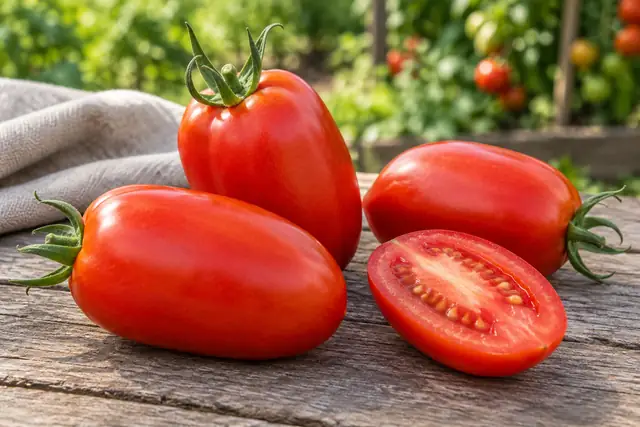
This image was created with AI from described plant characteristics and growing advice. It shows a possible situation and is not a photograph of a verified cultivar.
A familiar processing tomato from the range, intended for salad, soup and sauce in one vegetable garden kitchen.
Choose Roma VF when processing matters and you want a familiar named variety. The letters VF do not mean general disease immunity.
A specific flavour comparison is missing. The usual ripe tomato flavour and the described processing uses provide the basis for choosing here.
This flavour description applies to the crop; there is no separate tasting result for this variety.Make soup or sauce from a ripe portion and use fresh pieces in salad. Keep very ripe fruits for cooking.
Start in warmth in late February–April and plant after frost. Adapt sideshoot removal to the actual seed label supplied: Roma selections can differ in growth habit.
Harvest ripe, healthy fruit in kitchen-sized portions. Do not store damaged fruit among undamaged tomatoes, and use a suitable preserving method.
Read the source notes →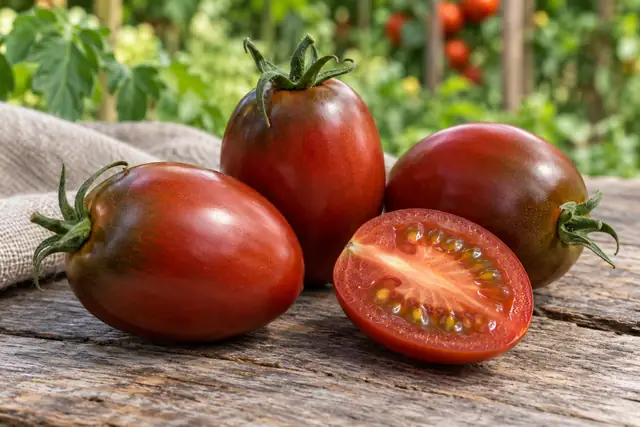
This image was created with AI from described plant characteristics and growing advice. It shows a possible situation and is not a photograph of a verified cultivar.
Small-to-medium, dark red, oval plum tomatoes, also called Prune Noire; the producer confirms the names are synonyms.
Choose Black Plum for a dark, practical plum tomato with fresh and cooked uses. Prune Noire counts as the same selection.
Semailles describes firm, juicy flesh with a mild, slightly spicy flavour. This is better supported than assuming a wine-like aroma from a dark colour.
Halve fruits in salad or process ripe portions into sauce and soup. The oval shape is easy to cut evenly.
The plant has indeterminate growth and needs support and regular sideshoot removal. Provide a sunny, airy position, preferably sheltered from prolonged rain.
Pick ripe, dark red to brown fruit. An individual fruit can be smaller than others; colour and a tender, firm texture are more useful than a fixed weight.
Also listed as: Prune Noire.
Read the source notes →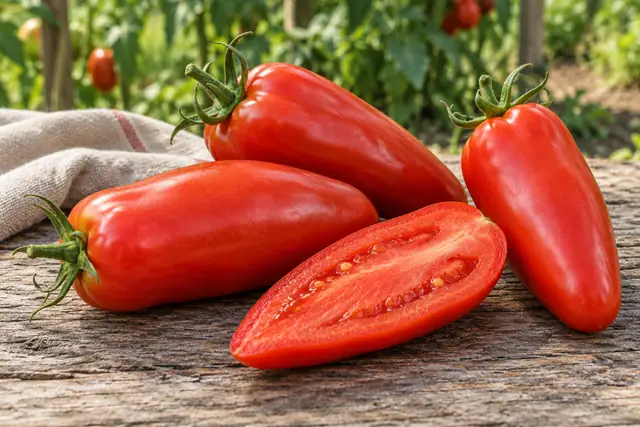
This image was created with AI from described plant characteristics and growing advice. It shows a possible situation and is not a photograph of a verified cultivar.
Long, red, pepper-shaped tomatoes with fleshy pulp and very few seeds: a mid-season processing variety.
Choose des Andes for long, fleshy fruits with few seeds instead of juicy, round salad tomatoes.
A distinct aroma is not described. The fleshy, low-seed character is the substantiated attraction for a concentrated tomato preparation.
This flavour description applies to the crop; there is no separate tasting result for this variety.Make sauce or roast long halves. The pepper shape is a tomato shape and implies no chilli heat.
The plant has indeterminate growth. Provide support and shelter; the source mentions sensitivity to excess moisture at the end of the season.
Harvest ripe red fruit and do not let laden trusses hang in wet leaves. Process healthy fruit before prolonged autumn weather causes damage.
Read the source notes →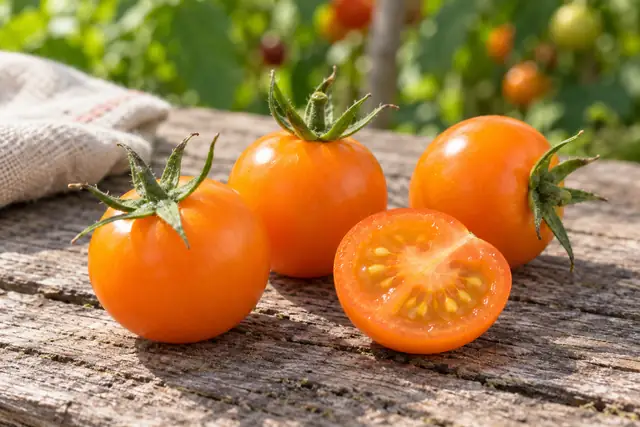
This image was created with AI from described plant characteristics and growing advice. It shows a possible situation and is not a photograph of a verified cultivar.
Small, juicy, bright orange cherry tomatoes add warm colour beside red and dark snacks.
Choose Orangette for orange colour and a described sweet-acidic note rather than large, orange beefsteak tomatoes.
A sweet flavour with a slight acidity is described. This makes Orangette a sweet, refreshing cherry tomato; orange colour alone does not predict flavour.
Eat ripe fruits fresh or halve them in a salad. Pair with a mild cherry tomato to taste the difference.
Provide sun, warmth and regular water. Container growing requires enough root space and support; small fruit does not prove dwarf growth.
Pick bright orange, ripe fruits regularly. Combine colour and slight softness to learn the correct snacking stage.
Read the source notes →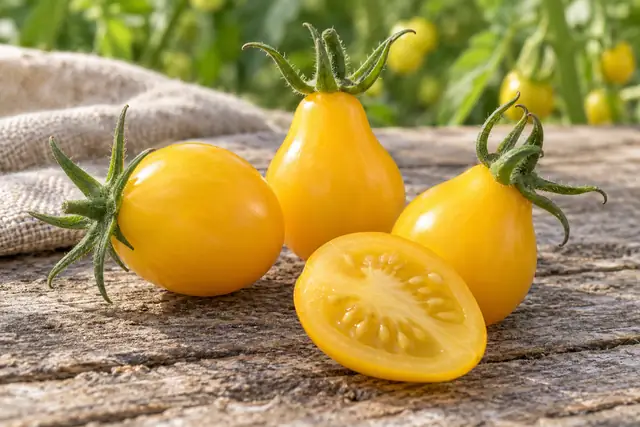
This image was created with AI from described plant characteristics and growing advice. It shows a possible situation and is not a photograph of a verified cultivar.
A yellow pear-shaped cherry offering alongside Yellow Pearshaped; without producer evidence, it is not sold as an additional genetic cultivar.
Choose this selection type for yellow, pear-shaped fruits. Check seed label and producer name for exact cultivar identity.
The source describes a rich, sweet flavour. The yellow pear shape makes distinctive snacks, but does not establish a separate flavour compared with Yellow Pearshaped.
This flavour description applies to the crop; there is no separate tasting result for this variety.Use whole, ripe pear-shaped fruits in salad or as snacks. Their small shape stays attractive without fine processing.
Start in warmth and provide a sunny, sheltered position with support. Label to avoid confusion with other yellow cherry tomatoes.
Harvest yellow-ripe and slightly tender. Use the first trial fruit to learn picking stage without inventing fixed variety differences.
Read the source notes →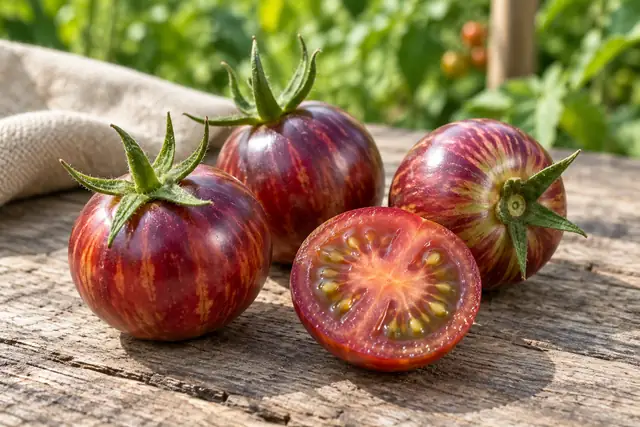
This image was created with AI from described plant characteristics and growing advice. It shows a possible situation and is not a photograph of a verified cultivar.
Small, purple cherry tomatoes with light stripes: a colourful snack variety with its own name.
Choose Purple Bumble Bee for sweet, small, striped fruits instead of uniformly dark Black Cherry.
The source describes a full, sweet flavour. The striped appearance supports presentation, while the flavour profile is also explicitly described.
Halve small fruits in salad or serve as bites. The stripes show best with the skin intact.
Provide warm shelter and support. Even in pots, small fruit size does not prove the whole plant stays compact.
Pick ripe, purple fruits with slight softness. Normal stripes may remain; do not expect a uniformly bright red final colour.
Read the source notes →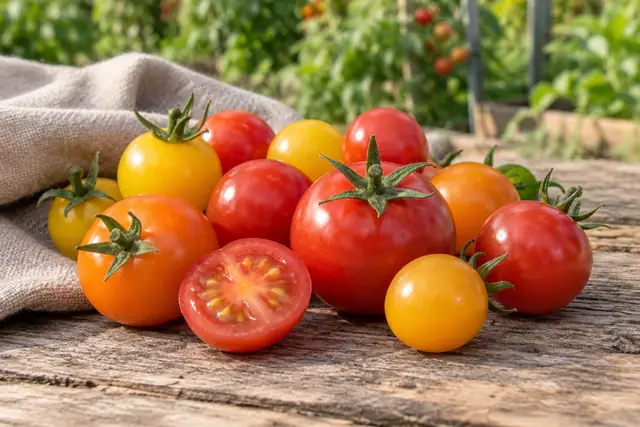
This image was created with AI from described plant characteristics and growing advice. It shows a possible situation and is not a photograph of a verified cultivar.
A cherry mixture producing different small tomatoes from one seed lot, without a fixed identity for each seedling.
Choose this mix for surprise. Prefer separately named seed if seeking a specific aroma or growth habit.
There is no shared variety aroma. Taste each plant separately for ripe sweetness, freshness and texture; a mix promises variation, not a flavour ranking.
This flavour description applies to the crop; there is no separate tasting result for this variety.Make a small trial salad with different cherry tomatoes or serve portions from each plant on a snack platter.
Number seedlings and provide space and support. Adjust pruning to the growth habit once known, rather than relying only on the word cherry.
Pick each plant at the right colour and texture. Record your favourite plant at the first ripe harvest.
Read the source notes →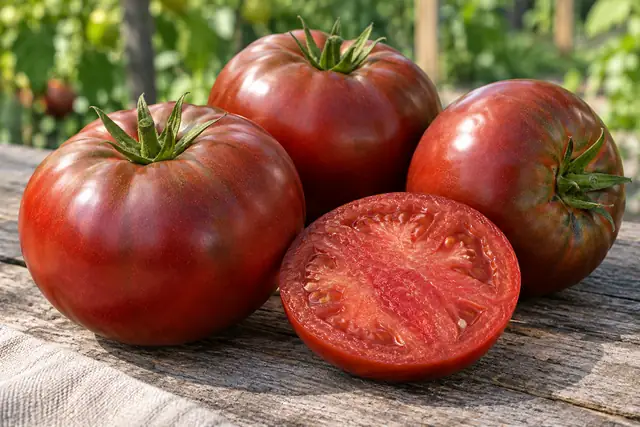
This image was created with AI from described plant characteristics and growing advice. It shows a possible situation and is not a photograph of a verified cultivar.
Large, very dark red tomatoes with abundant fleshy pulp, little juice and few seeds: a dark choice with substantial culinary bulk.
Choose this variety for large, dark fruit and a less juicy portion rather than small, refreshing cherries.
The source describes non-acidic pulp and appreciated flavour. The relatively dry, fleshy character distinguishes the offering from juicy salad tomatoes.
Cut thick sandwich slices or use flesh in a cooked sauce. The limited juice gives a different balance.
The plant is indeterminate and mid-season. Give sturdy support and warm shelter for large fruits to ripen.
Pick very dark red-ripe and assess texture. Dark skin is a variety trait; do not wait for a bright red supermarket shade.
Read the source notes →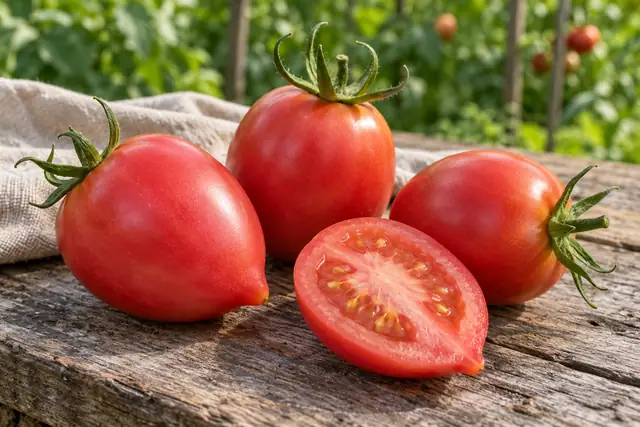
This image was created with AI from described plant characteristics and growing advice. It shows a possible situation and is not a photograph of a verified cultivar.
Early, dark pink, medium-sized oval fruits with a small point give a clearly different shape from round slicing tomatoes.
Choose Olirose for an early, pink, oval tomato instead of large, later-ripening pink beefsteaks.
Firm flesh with good flavour is described. A separate sweetness or acidity profile is missing; earliness and firmness are the substantiated distinction.
This flavour description applies to the crop; there is no separate tasting result for this variety.Cut firm slices for salad or sandwiches. The oval shape gives convenient small slices.
The plant grows indeterminately. Provide support, regular side-shoot checks and warmth for trusses to ripen.
Harvest when ripe and dark pink, with a still-firm texture. Keep the small point from growing against a support tie or slat.
Read the source notes →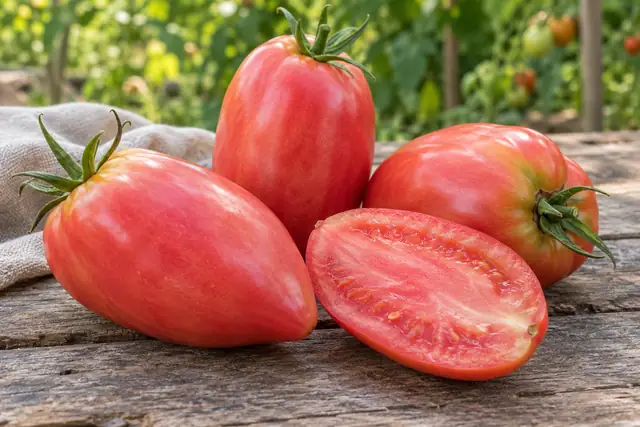
This image was created with AI from described plant characteristics and growing advice. It shows a possible situation and is not a photograph of a verified cultivar.
Large, pink, elongated tomatoes from an old French selection: a mid-season shape with a soft interior.
Choose Grosse des Marais for a soft, sweet, pink tomato with few seeds rather than firm storage snacks.
Meltingly sweet flesh with little acidity and few seeds is described. This offers a different experience from a firm, sharp salad tomato.
Serve generous, fresh slices or soft wedges with simple herbs. Keep the juice and soft flesh in the dish.
The plant grows indeterminately and needs support. Provide warm shelter and keep laden trusses off the ground.
Pick pink-ripe and handle gently; melting texture offers little protection against heavy stacking or transport.
Read the source notes →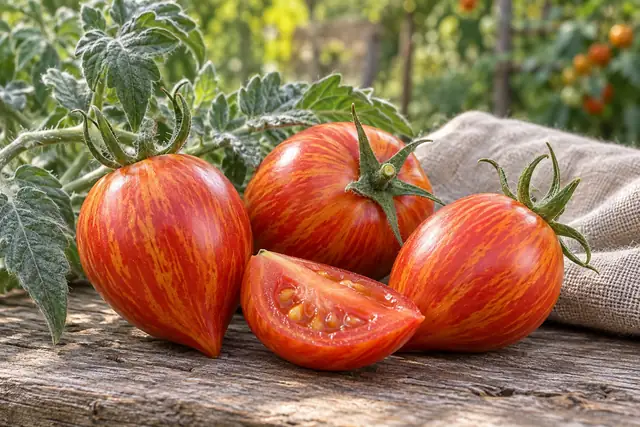
This image was created with AI from described plant characteristics and growing advice. It shows a possible situation and is not a photograph of a verified cultivar.
A silver-green, hairy bush tomato with red-and-gold striped fruits.
Choose this for a pot that provides both an edible harvest and striking foliage. Hairy, silvery-green leaves and striped fruit set it apart from an ordinary green balcony bush.
Fruit is described as fruity with a spicy note. This gives a different tasting accent from a pot tomato described only as mild; your harvest still depends on sun and ripeness.
Cut a few pointed fruits open for a plate with cucumber and soft cheese. Leave some tomatoes whole beside cut halves so that the golden markings remain visible too.
Growth stops naturally. Do not systematically remove all sideshoots. A spacious pot in a sunny, airy position protected from prolonged rain makes care manageable.
Pick red fruit with clear golden markings as soon as it gives slightly. Take time to look among leaves: small fruit easily stays hidden in a dense bush.
Read the source notes →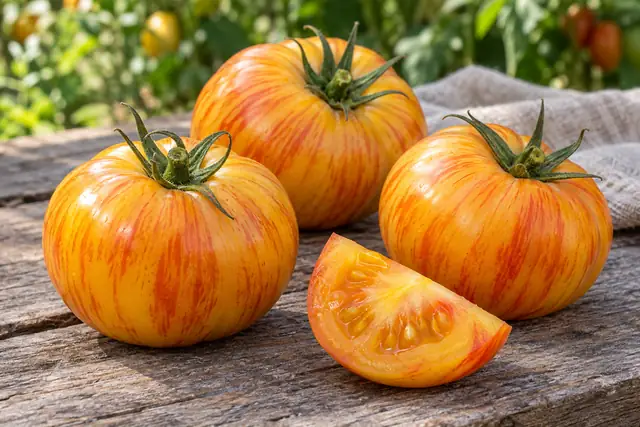
This image was created with AI from described plant characteristics and growing advice. It shows a possible situation and is not a photograph of a verified cultivar.
Yellow tomatoes with fine red-orange stripes for a colourful harvest platter.
This choice centres on a yellow base colour with thin, warm-toned stripes. It suits a trial bed where appearance receives as much attention as maximum possible yield.
The checked offering mainly describes colour and size. Juicy, sweet-sour tomato flavour is the starting point; the name Candystripe does not prove extra sugar or a sweet-like flavour.
This flavour description applies to the crop; there is no separate tasting result for this variety.Cut medium to large fruit into wedges and mix with green or dark red tomatoes. Simple dressing lets you taste your own harvest without suggesting a promised aroma.
Provide warmth, light and support at planting. Check the purchased seed's growth habit before deciding how many side stems to retain; the available description does not establish this sufficiently.
Wait for the yellow base colour and red-orange pattern. Then check softness; a decorative stripe alone does not tell you whether the fruit has developed flavour.
Read the source notes →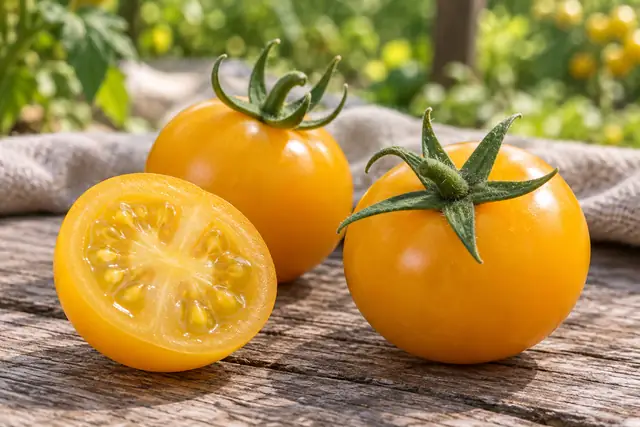
This image was created with AI from described plant characteristics and growing advice. It shows a possible situation and is not a photograph of a verified cultivar.
An early, golden yellow snack tomato also selected for outdoor growing.
Choose Dorada if you want an early yellow harvest and small fruit. At around 25 grams per fruit, you can pick a handful daily for snacks or colourful salads.
The producer describes Dorada as particularly juicy and fruity, with softly melting flesh. This makes it a fine counterpart to firmer tomatoes for sauce or thick slices.
Eat small golden-yellow fruit straight from the plant or add halved tomatoes to a French bean salad. Add at the end to retain their soft texture.
Grow in a sunny, airy position and train along a stake or string. A tub also works with consistent watering. Selection for outdoors does not replace checking diseased foliage.
Harvest golden-yellow fruit once it gives slightly. Taste one first: with this soft-fleshed variety, timely picking is more pleasant than waiting until the whole truss is very soft.
Read the source notes →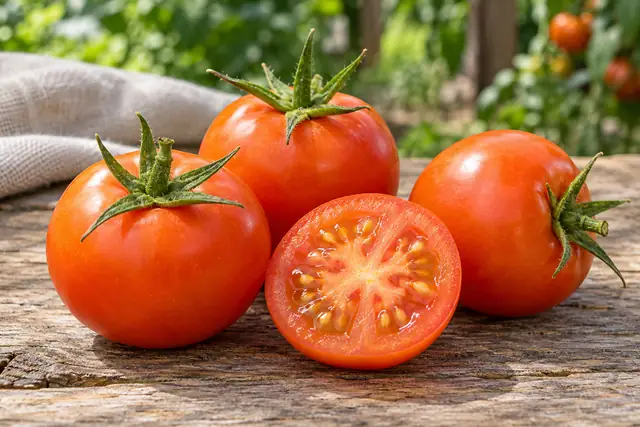
This image was created with AI from described plant characteristics and growing advice. It shows a possible situation and is not a photograph of a verified cultivar.
Early orange-red tomatoes with a soft, fruity-sweet bite.
Choose this for an early snacking variety selected for uncovered outdoor growing. The fruit, weighing about 25 grams, suits a daily handful of harvest, including from a large container.
Primavera has juicy flesh that breaks down softly and a fruity, sweet character. Where a firm salad tomato mainly offers bite, this is a variety to taste whole as well.
Roast small fruit briefly with olive oil and rosemary, or scatter halves over a lukewarm vegetable dish. Brief heating prevents the soft tomatoes disappearing completely into sauce.
Despite compact young growth, Primavera later keeps growing. Tie in regularly and remove excess sideshoots. Keep the position airy and inspect after prolonged wet weather.
Pick the bright orange-red small tomatoes when ripe and still easy to handle. Regular small harvests suit this juicy fruit better than leaving everything on the plant for a long time.
Read the source notes →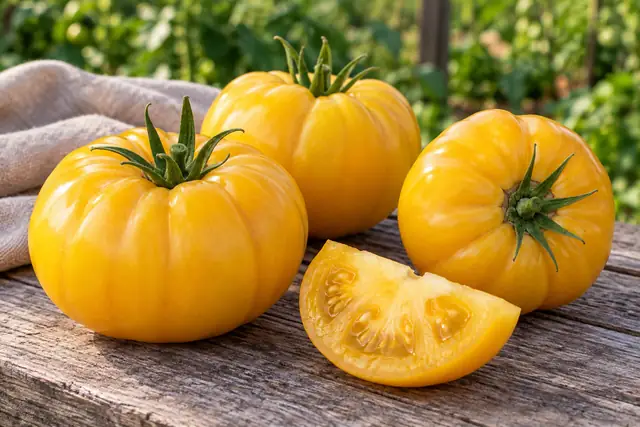
This image was created with AI from described plant characteristics and growing advice. It shows a possible situation and is not a photograph of a verified cultivar.
An old, yellow tomato with light ribbing and juicy, sweet flesh.
Choose it if you want a classic yellow tomato with some shape, without the highly irregular lobes of a Calabash. It is a choice for a mid-season harvest.
Jaune St Vincent is described as sweet and juicy. This makes it an accessible yellow choice; a specific citrus aroma or extra-low acidity is not documented.
Slice the slightly flattened fruit crossways. The ribs give each slice an attractive outline on bread, in a tomato salad or beside an omelette.
A greenhouse or sheltered, sunny position helps yellow fruit ripen. Support from planting out and check the seed label for pruning; the text found does not define this clearly.
Harvest when the fruit is yellow and gives slightly. Pick large, ribbed fruit with both hands or scissors to avoid unnecessary strain on the truss.
Read the source notes →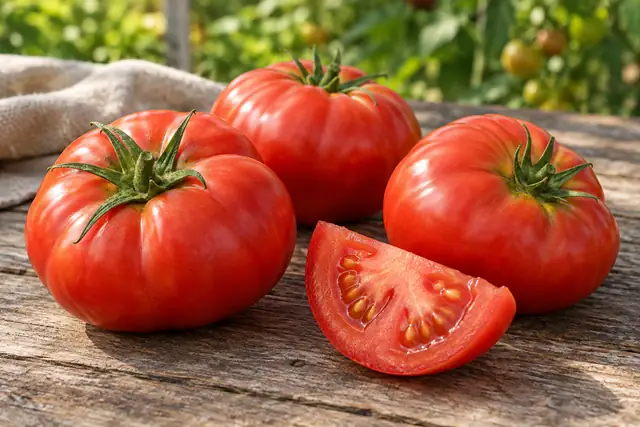
This image was created with AI from described plant characteristics and growing advice. It shows a possible situation and is not a photograph of a verified cultivar.
An early, red tomato with irregular, slightly flattened fruits.
Choose it for irregular shapes and an early harvest. Despite the retail name cherry tomato, the description mentions medium-sized fruit; do not expect uniform small snack globes.
The flesh is firm with a sweet flavour. This makes it an interesting trial choice if you want early tomatoes that retain their structure when cut into pieces.
Use wedges in a vegetable salad or briefly fry thick pieces beside courgette. The irregular shape sometimes needs some cutting, but gives a recognisable appearance on the plate.
This is a continuously growing tomato. Train a main stem along a stake or string and leave enough space between neighbouring plants' foliage. An open rain canopy is useful outdoors.
Check between lobes for ripening and damage too. Pick red fruit when slightly yielding and cut away bruised or split areas generously before use.
Read the source notes →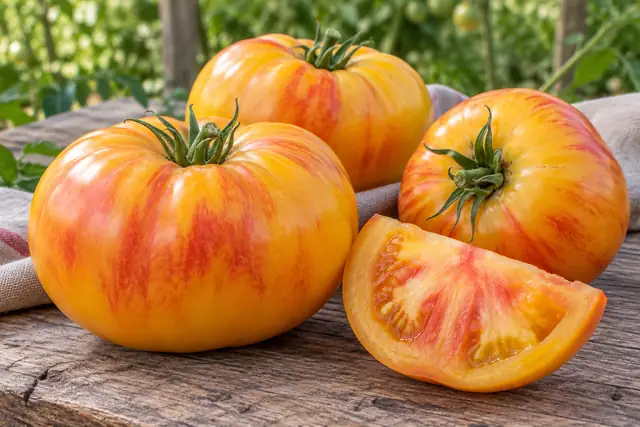
This image was created with AI from described plant characteristics and growing advice. It shows a possible situation and is not a photograph of a verified cultivar.
Large, yellow beefsteak tomatoes with red marbling, attractive on the chopping board too.
Choose German Gold if a few large, striking tomatoes appeal more than many small ones. The old German variety gives a different meal portion from a cherry tomato.
The producer mentions dense flesh and good flavour. A specific fruity aroma is not recorded. Taste this beefsteak tomato mainly for its full texture beside a juicier snack tomato.
This flavour description applies to the crop; there is no separate tasting result for this variety.Cut thick slices for a tomato tartare or a plate with olive oil. The yellow and red marbling shows best in a cross-section.
The plant keeps growing and needs sturdy support. Give large trusses extra loose support if needed and avoid excessive nitrogen, which can mainly produce abundant foliage.
The ripe base colour is yellow with red, even if a shop field lists only red. Check colour and slight softness; do not pull a heavy fruit forcibly from the truss.
Read the source notes →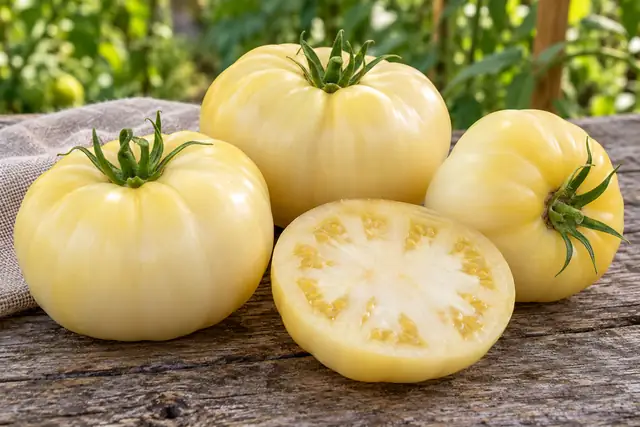
This image was created with AI from described plant characteristics and growing advice. It shows a possible situation and is not a photograph of a verified cultivar.
A pale beefsteak tomato for large slices and gentle colour on the plate.
Choose Blanche for a large, pale fruit among Coeur de Boeuf names. White colour is its own distinction; do not automatically treat every name in that group as the same variety.
This white selection is described as sweet, with plenty of flesh. That supports choosing it for fresh slices; a distinctive vanilla or tropical flavour has not been demonstrated.
Lay thick slices on toasted bread with basil. Combine creamy-white and red beefsteak tomatoes in one salad to compare both colour and texture.
The plant keeps growing. Tie the stem regularly to sturdy support and prevent heavy fruit resting on damp soil. In a greenhouse, ventilation helps avoid persistently wet leaves.
A ripe white tomato does not turn red. Look for the light, creamy-white final colour and gently yielding flesh. Cut heavy fruit off to spare the truss.
Read the source notes →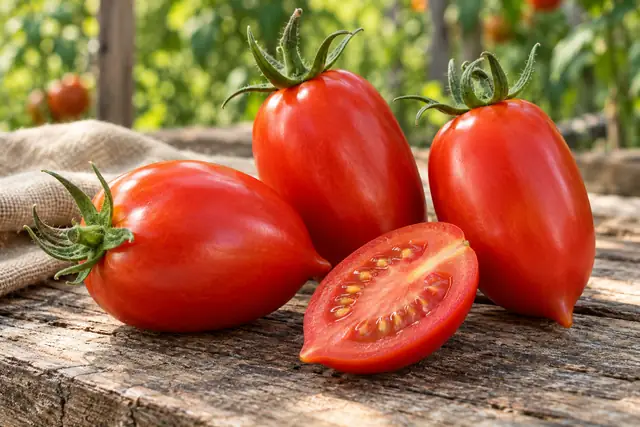
This image was created with AI from described plant characteristics and growing advice. It shows a possible situation and is not a photograph of a verified cultivar.
Fleshy, scarlet tomatoes with a small point and a trailing growth habit.
This Italian selection combines a pointed egg shape with determinate growth. It suits trying a loosely supported plant or a large hanging pot as a growing method.
The producer describes a distinctly sweet flavour. The elongated, fleshy fruit gives a different bite from thin-fleshed, very juicy small tomatoes.
Halve them for salad or cook a small batch of sauce. The fleshy character helps processing, but does not automatically establish a proven special drying quality.
The producer describes a trailing type. Provide enough pot volume, support fruiting branches where needed and do not routinely remove all sideshoots. Protect the pot from drying hard on sunny days.
Pick fully scarlet fruits for their sweet flavour. Harvest a hanging plant carefully with small scissors so the weight on a branch does not shift suddenly.
Read the source notes →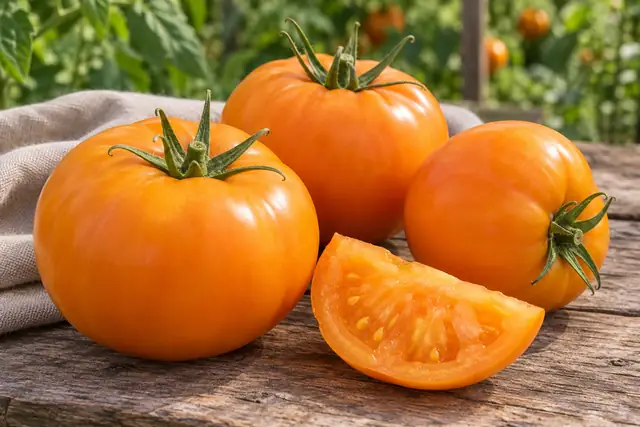
This image was created with AI from described plant characteristics and growing advice. It shows a possible situation and is not a photograph of a verified cultivar.
A large, orange tomato with full, soft flesh.
Choose it for a warm colour and a large, fresh tomato for meals. It is less suited to a plan focused solely on early, small fruit.
Valencia Orange is described as sweet and softly melting. That soft texture distinguishes it from firmer tomatoes chosen mainly for cubes or sturdy slices.
Serve thick slices on a platter with a little salt and oil, or purée an overripe but undamaged fruit into fresh dressing. Orange colour also makes a light tomato sauce appealing.
The plant keeps growing; a stake or vertical string suits it. Provide plenty of light and even watering. In our climate, a ventilated greenhouse offers more opportunity for large fruit to ripen fully.
Wait for a clear orange colour and a slightly soft bite. Use ripe, soft-fleshed tomatoes promptly; large fruits are less suited to repeated stacking and handling.
Read the source notes →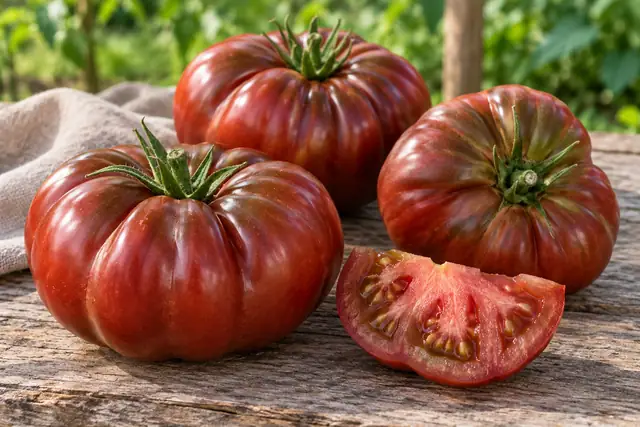
This image was created with AI from described plant characteristics and growing advice. It shows a possible situation and is not a photograph of a verified cultivar.
Dark reddish-brown, wrinkled tomatoes with striking lobes.
Choose this if you want to alternate classic smooth rounds with a pronounced shape. Medium-sized, flattened fruit gives a different appearance from a dark, round cherry tomato.
Purple Calabash is described as sweet and aromatic. The source names no separate wine or smoke aroma; compare your fruit beside a simple red salad tomato.
Cut the irregular fruit into wedges for a tasting platter. Wrinkled skin and dark colour also make it interesting in a simple salad where the tomato stays visible.
The plant grows vigorously and needs support and room for airflow among leaves. Give trusses a dry place above ground. Allow a sufficiently long, warm ripening period.
Dark reddish-brown is the expected colour; black alone is not a harvest criterion. Check softness and look in deep grooves for cracks or moisture before picking.
Read the source notes →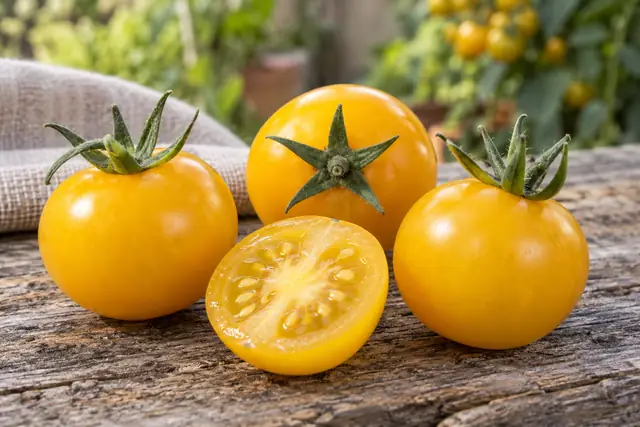
This image was created with AI from described plant characteristics and growing advice. It shows a possible situation and is not a photograph of a verified cultivar.
A compact bush with round, yellow tomatoes for balconies and patios.
Choose Balconi Geel if limited space and easy care matter greatly. Bushy, compact growth distinguishes it from yellow climbing tomatoes needing a tall stake.
The small fruit is described as mild and sweet. It is an accessible choice if you want to try a gentle yellow tomato alongside ordinary red snacks.
The round fruit, about two centimetres across, fits whole in a lunchbox or halved in couscous. This low plant is a useful addition to a multicoloured platter.
This plant has determinate growth. Leave healthy sideshoots and provide a well-drained pot. A short, loose support can protect a laden branch; creating a tall single stem is not the aim here.
Harvest ripe, yellow little globes regularly and check beneath the low foliage too. Keep the pot evenly moist, as small pots dry out quickly on a warm day.
Read the source notes →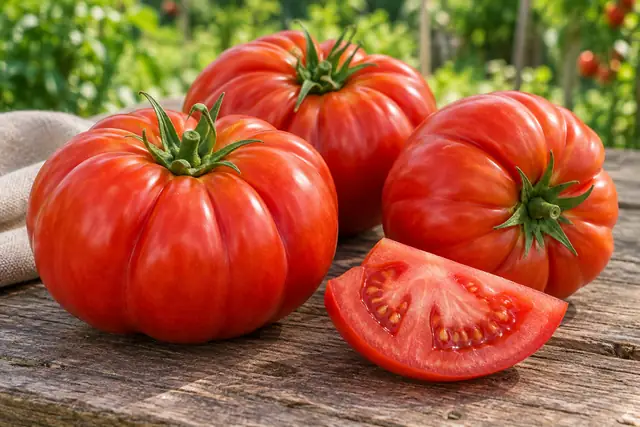
This image was created with AI from described plant characteristics and growing advice. It shows a possible situation and is not a photograph of a verified cultivar.
Large, ribbed tomatoes with dense, sweet flesh and few seeds.
Choose Suzy for large fruit in the ribbed Marmande style. The source mentions exceptional specimens nearing a kilogram, a possible upper limit rather than an expectation for every tomato.
Suzy is described as sweet and densely fleshed. Few seeds give thick slices plenty of flesh; a different eating experience from a small tomato with much juice and seed cavities.
Use a large fruit for several sandwiches, a tomato tartare or a broad salad slice. Cut it just before eating so that its juice stays with the meal.
The vigorous plant keeps growing. Provide sturdy support and give heavy trusses their own loose support if needed. A spacious position prevents abundant foliage and large fruit becoming crowded.
Pick red fruit that gives slightly. Support heavy fruit when cutting and use damaged specimens immediately. An intact large tomato is easier to store than one with a split rib.
Read the source notes →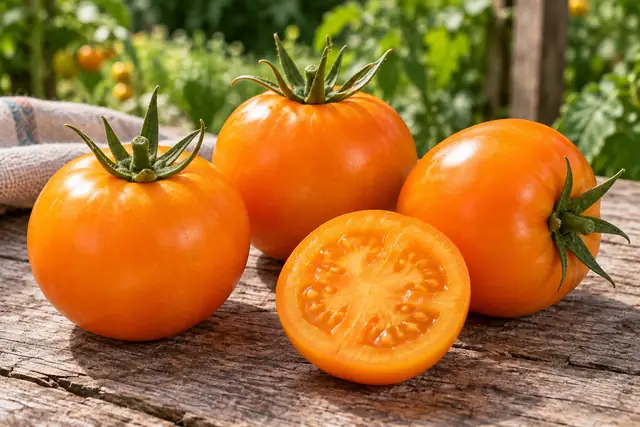
This image was created with AI from described plant characteristics and growing advice. It shows a possible situation and is not a photograph of a verified cultivar.
An early, compact plant with apricot-sized, bright orange tomatoes.
Choose Ida Gold if you want an early harvest and a low, bushy plant. The producer mentions suitability for a cooler climate; it still needs a frost-free, sunny position.
Juiciness is the distinction firmly substantiated by the source. The usual sweet-sour tomato flavour is the starting point; no reliable separate fruit note or sugar value is established.
This flavour description applies to the crop; there is no separate tasting result for this variety.The small orange fruit suits wedges beside an omelette or whole fruit on a colourful harvest platter. Combine with yellow and red tomatoes to compare texture too.
Growth is determinate. Leave healthy sideshoots and support a laden branch low down if needed. A spacious pot or sunny bed suits it, with even watering to maintain the compact plant.
Pick when fruit turns bright orange and gives slightly. Early ripening can help in a short summer without guaranteeing a fixed harvest day from sowing.
Read the source notes →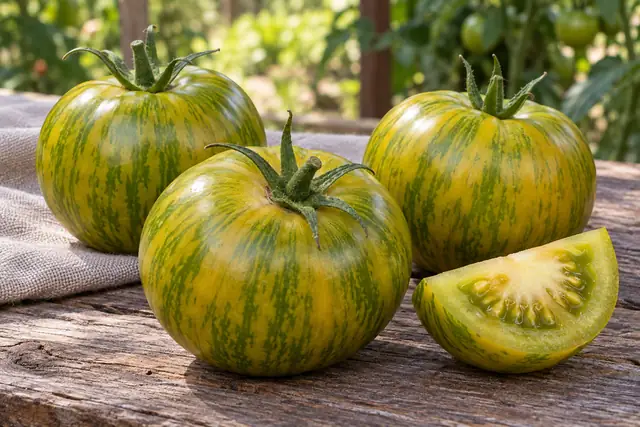
This image was created with AI from described plant characteristics and growing advice. It shows a possible situation and is not a photograph of a verified cultivar.
Green-yellow striped tomatoes that can be both green and ripe.
Choose this variety for clearly striped green, mid-season fruit. It is a different selection from Blue Green Zebra; a similar name does not prove a synonym.
Green Zebra is described here as fairly sweet and firm-fleshed. Taste your harvest beside a red salad tomato; green colour does not mean fruit must be acidic or unripe.
Cut tomatoes crossways so green flesh and yellow-green markings are visible together. Use firm wedges in a salad with beans or roasted sweet pepper.
The vigorous plant keeps growing and belongs on a sturdy stake or string. Leave enough airflow between plants and water evenly, especially during fruit formation and ripening.
Look for pale stripes turning yellower and gently yielding fruit. Do not wait for red. Colour, texture and a trial fruit together are more useful than colour alone here.
Read the source notes →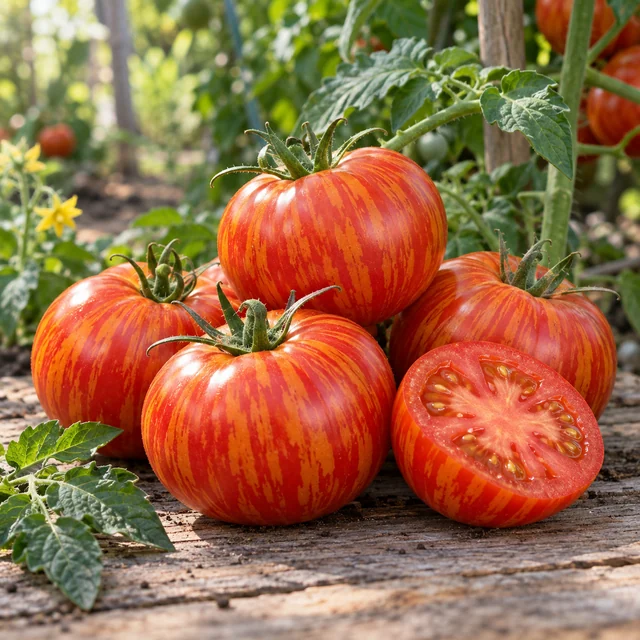
This image was created with AI from described plant characteristics and growing advice. It shows a possible situation and is not a photograph of a verified cultivar.
An early, red tomato with yellow tiger stripes for a striking tasting platter.
Choose Tigerella for an early striped red harvest. While Green Zebra remains green-yellow, this selection develops a red base with yellow stripes, clearly varying a mixed platter.
The checked description mentions good eating quality without a specific aroma. The juicy, sweet-sour character of tomato is therefore the honest starting point for a tasting comparison.
This flavour description applies to the crop; there is no separate tasting result for this variety.Fruit the size of a large apricot suits salad wedges or halves on a bake. Keep the striped skin visible when you want the colour to speak.
Tigerella grows fairly vigorously. Tie in regularly and keep the number of stems manageable. A sheltered, sunny outdoor position or ventilated greenhouse helps make use of an early start.
Harvest at a red base colour and visible yellow stripes when fruit gives slightly. Check ripe tomatoes among foliage so a full truss does not become too soft unnoticed.
Read the source notes →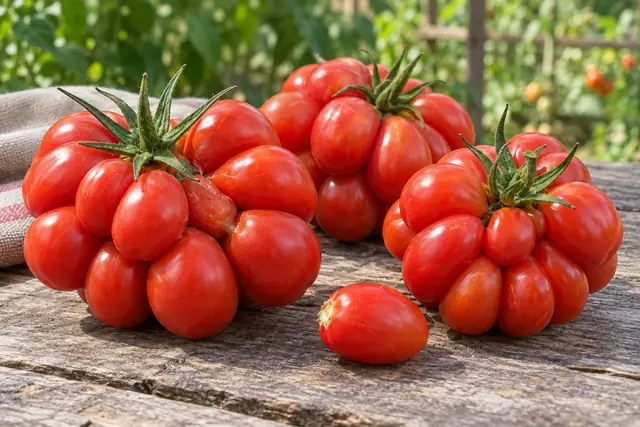
This image was created with AI from described plant characteristics and growing advice. It shows a possible situation and is not a photograph of a verified cultivar.
A red tomato made up of striking, separable lobes.
Choose Voyage if you want a variety that immediately sparks conversation at harvest. Individual pieces can separate without cutting the whole fruit up at once.
Voyage has thick, juicy flesh with a sweet flavour. Its striking appearance is therefore not the only distinction: the fleshy texture also makes individual pieces pleasant to eat.
Make a tasting platter of separate lobes rather than ordinary slices. Wash the fruit first and gently detach pieces. You can then process damaged parts into sauce.
Support the plant and provide a warm, light position. The available growing duration suggests a longer ripening period; do not make it your only variety for a short, cool outdoor crop.
Pick red, ripe fruit that is still easy to handle. Check for moisture or cracks among the many lobes. Use detached parts the same day as exposed flesh loses quality faster.
Read the source notes →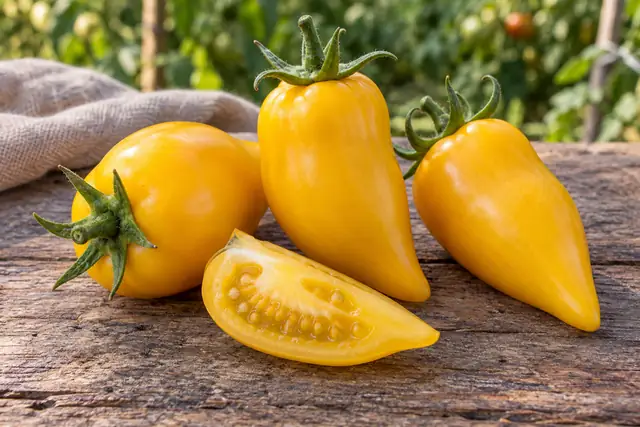
This image was created with AI from described plant characteristics and growing advice. It shows a possible situation and is not a photograph of a verified cultivar.
A yellow tomato shaped like a pepper with a long point.
Choose this selection for yellow fruit with a striking long protrusion. In a trial bed, it provides a different shape and texture from an ordinary round yellow tomato.
The flesh is firm and dense, with a slight acidic note. This gives a clearly different accent from soft, melting beefsteak tomatoes described as sweet.
Cut elongated pieces for salad or use firm wedges on a savoury tart. Despite the name, you taste tomato; the pepper shape does not mean pepper flavour.
The description found mentions determinate growth. Leave healthy sideshoots and give low support to fruiting branches. Check this growth habit on the selected supplier's seed label too.
Pick fully yellow fruit that gives slightly. Keep the long point intact when harvesting; a broken tip makes fruit more vulnerable in storage and calls for prompt use.
Read the source notes →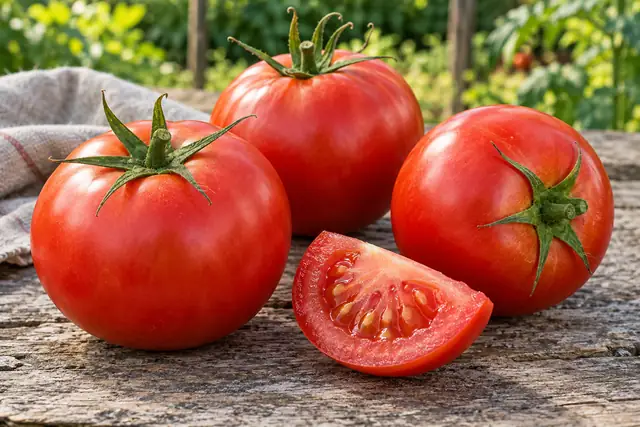
This image was created with AI from described plant characteristics and growing advice. It shows a possible situation and is not a photograph of a verified cultivar.
An old Belgian red tomato with relatively low acidity.
Choose this old Belgian variety for medium-sized, smooth red fruit and a traditional garden variety. The even round shape contrasts calmly with heavily ribbed and multicoloured tomatoes.
Glorie van Mechelen is described as juicy, slightly mealy and low in acidity. This is useful for comparing tomato mouthfeel with a firm or distinctly acidic selection.
Use round slices on bread or make a simple sauce when a fruit's texture is softer. Taste without dressing first so the mild acidic accent remains recognisable.
The plant keeps growing. Train on a stake or string and allow airy spacing. A sunny greenhouse or position with open rain shelter suits a mid-season harvest.
Pick when fully red and slightly yielding. Use tomatoes for fresh slices before they become very soft; a softer, undamaged harvest can still be excellent in a cooked dish.
Read the source notes →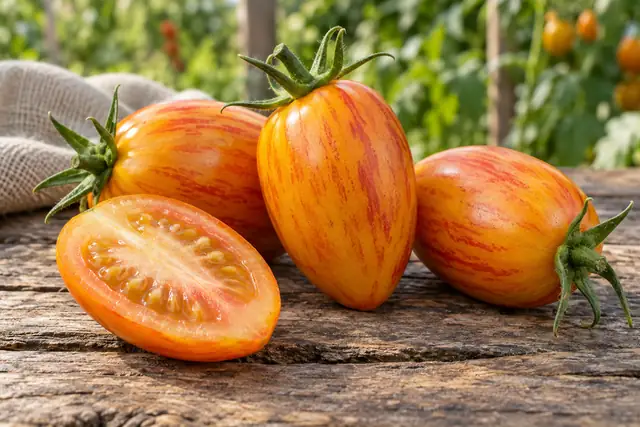
This image was created with AI from described plant characteristics and growing advice. It shows a possible situation and is not a photograph of a verified cultivar.
Elongated, yellow-orange tomatoes with red stripes and refreshing sweetness.
Choose Blush for small fruit of about 50 grams on trusses. It offers a snack size longer and larger than most round cherry tomatoes.
Blush is described as mild and sweet, yet refreshing. This combination makes it suitable for tasting alongside a tomato that is solely gently sweet.
Halve the elongated fruit lengthways and arrange on a platter with herbs and young cheese. This cutting direction shows the narrow shape and red stripes clearly.
The plant keeps growing and needs tying in. Give long trusses room among foliage and provide even watering. Regular greenhouse ventilation is necessary for this variety too.
Harvest at a yellow-orange base colour, visible red markings and slight softness. Pick ripe fruit from a truss first rather than waiting for every small tomato to reach equal ripeness.
Read the source notes →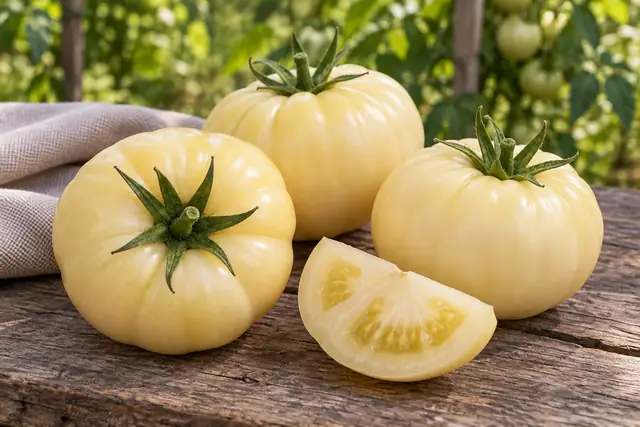
This image was created with AI from described plant characteristics and growing advice. It shows a possible situation and is not a photograph of a verified cultivar.
Creamy white, lightly ribbed tomatoes on a relatively small, indeterminate plant.
Choose it for medium-sized fruit of about 100 to 200 grams and an unusual regional name. A small plant is not automatically a low bush: growth remains indeterminate.
This Antwerp selection is described as sweet. Its juicy texture makes it a pale companion for a fresh tasting platter; white colour alone does not mean lower acidity.
Slice crossways and combine with a dark red tomato. The light ribs and cream colour also show well on bread with a layer of green herb cheese.
Still provide a stake or string and check new growth. In a spacious pot, care stays close at hand; in a bed, an airy position helps fruit ripen cleanly and dry.
The ripe fruit remains creamy white. Assess slight softness and fragrance too, and taste the first harvest. Turning red is not a useful signal for this selection.
Read the source notes →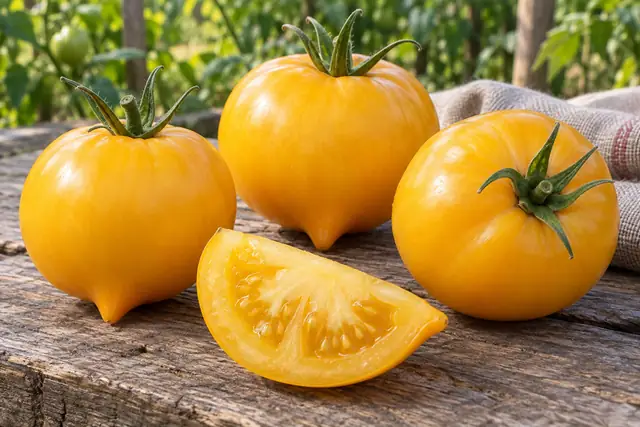
This image was created with AI from described plant characteristics and growing advice. It shows a possible situation and is not a photograph of a verified cultivar.
Yellow Belgian tomatoes with a striking point and plenty of flesh.
Choose this vigorous Belgian selection for round, yellow fruit with a point. It combines a recognisable shape with a fleshy, mid-season meal tomato.
The source describes a balanced flavour with little acidity. This gives a different tasting accent from a firm variety with a clear acidic note, without promising an exact sugar content.
Cut thick slices for tomato salad or fleshy cubes for toasted bread. Keep one fruit whole on the platter to show its characteristic protrusion.
Train the indeterminate plant along a sturdy support. Two stems are possible with enough room, but give each its own support and avoid a dense wall of leaves. Pruning should suit the available space.
Harvest yellow fruit that gives slightly. Towards the end of the season, limit new growth if too little warm weather remains for new fruit to ripen.
Read the source notes →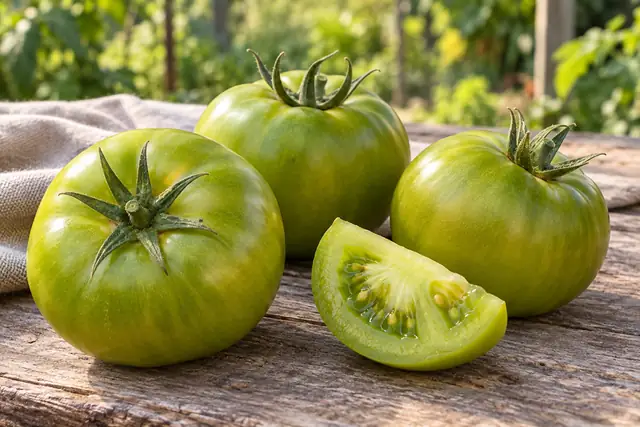
This image was created with AI from described plant characteristics and growing advice. It shows a possible situation and is not a photograph of a verified cultivar.
Emerald-green tomatoes with dense flesh and slight acidity.
Choose Evergreen if you want green fruit without tiger stripes. It is a continuously growing, mid-season selection, needing a different plan from an early, compact balcony bush.
The producer describes Evergreen as slightly acidic and densely fleshed. Taste beside a green tomato described as sweet to discover the difference in freshness and mouthfeel.
Use firm green slices in a salad with red tomato and oil. The dense texture suits recognisable pieces, while fresh acidity can complement simple dressing.
Tie in regularly and provide a sunny, sheltered position with airflow among leaves. In a cool, wet summer, the producer recommends a well-ventilated shelter or greenhouse.
Do not wait for red: ripe fruit stays green and begins to give gently. The first trial fruit helps identify the right stage; colour alone is insufficient.
Read the source notes →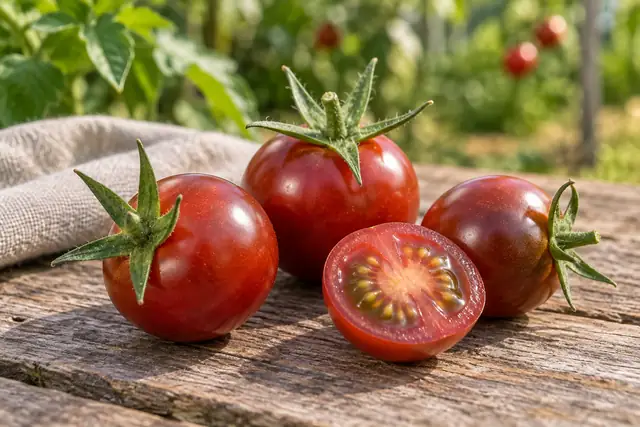
This image was created with AI from described plant characteristics and growing advice. It shows a possible situation and is not a photograph of a verified cultivar.
Small dark cherry tomatoes for daily portions from the plant.
Choose this offering if small, dark tomatoes appeal. It is listed as a type here because the name alone is not distinctive enough to identify an extra genetic variety.
The offering names small, sweet fruit. This describes the offered cherry tomato selection; Cerise is also French for cherry and alone proves no separate variety with a unique aroma.
This flavour description applies to the crop; there is no separate tasting result for this variety.Eat as a snack or halve into a salad. The dark red to reddish-purple colour pairs well with yellow tomatoes without having to assume different flavours.
The growing advice calls for removing excess sideshoots. Provide support and keep growth manageable. Outdoors needs a sunny, sheltered position; a greenhouse needs sufficient ventilation.
Pick at the final dark red to reddish-purple colour and slight softness. Prefer a ripe handful for immediate eating to keeping small tomatoes on a warm windowsill for a long time.
Read the source notes →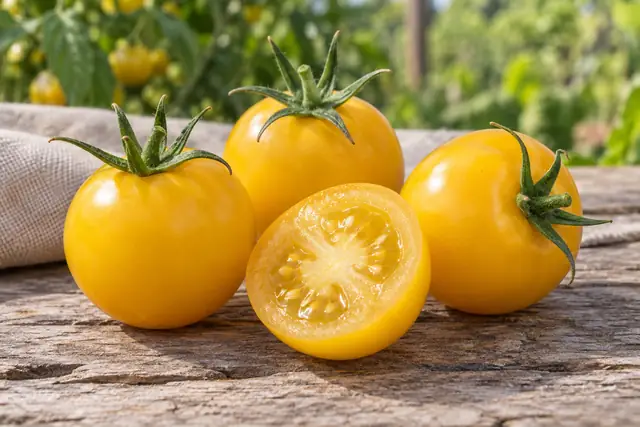
This image was created with AI from described plant characteristics and growing advice. It shows a possible situation and is not a photograph of a verified cultivar.
An early, yellow snack tomato from an organic outdoor-growing project.
Choose Sunviva for small yellow fruit and a variety offered with an open-source seed licence. This concerns keeping the variety available; it does not guarantee flavour or yield.
The breeder describes Sunviva as aromatic, sweet and juicy. Its small yellow fruit therefore gives a different bite from firm beefsteak tomatoes for large slices.
Eat the small fruit directly or scatter halved tomatoes over a vegetable dish. Short trusses suit a handful at each harvest rather than one large meal-sized fruit.
The vigorous, early cordon tomato is selected for outdoors. Train one or a few stems, each supported, in an airy, sunny position. A large tub also works; described field tolerance to blight does not mean immunity.
Pick bright yellow small tomatoes as soon as they give slightly. Check regularly among the open leaves for ripe short trusses and diseased foliage, especially after heavy rain.
Read the source notes →From a garden bed to a suitable pot or support: give your plant a place that suits your garden and the care you can provide.
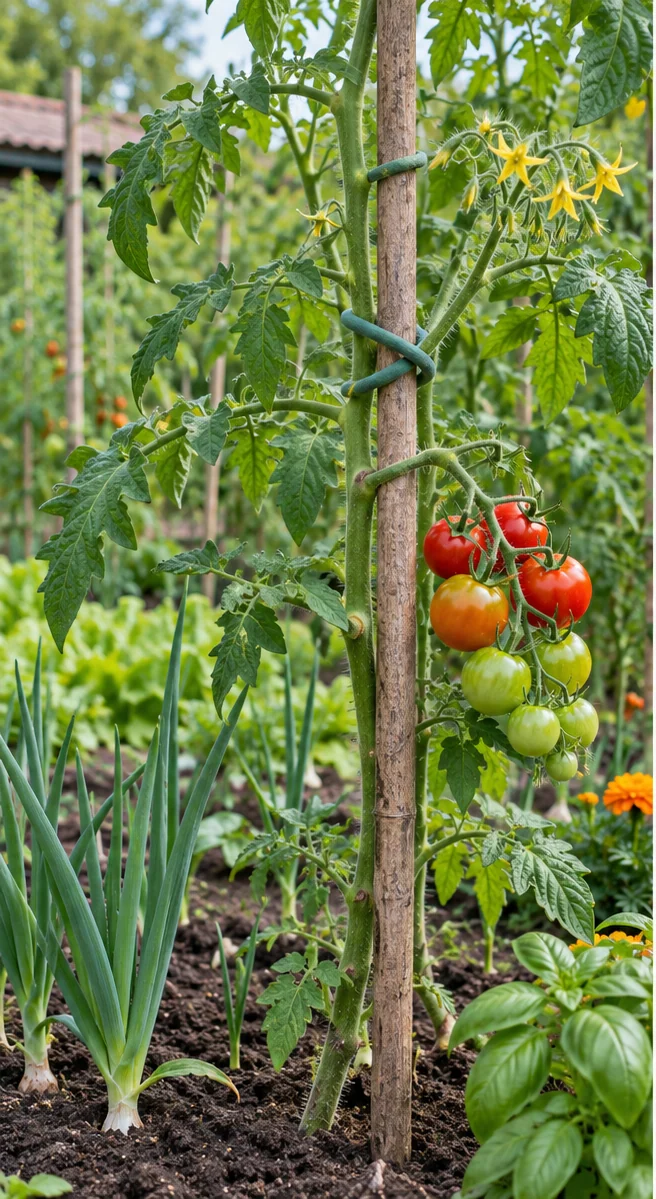
This image was created with AI from described plant characteristics and growing advice. It shows a possible situation and is not a photograph of a verified cultivar.
A single main stem is manageable and keeps the harvest within reach. The tomato does not climb by itself: you loosely attach growth to its support.
For a sunny outdoor position with room for a tall plant.
Tick off your supplies →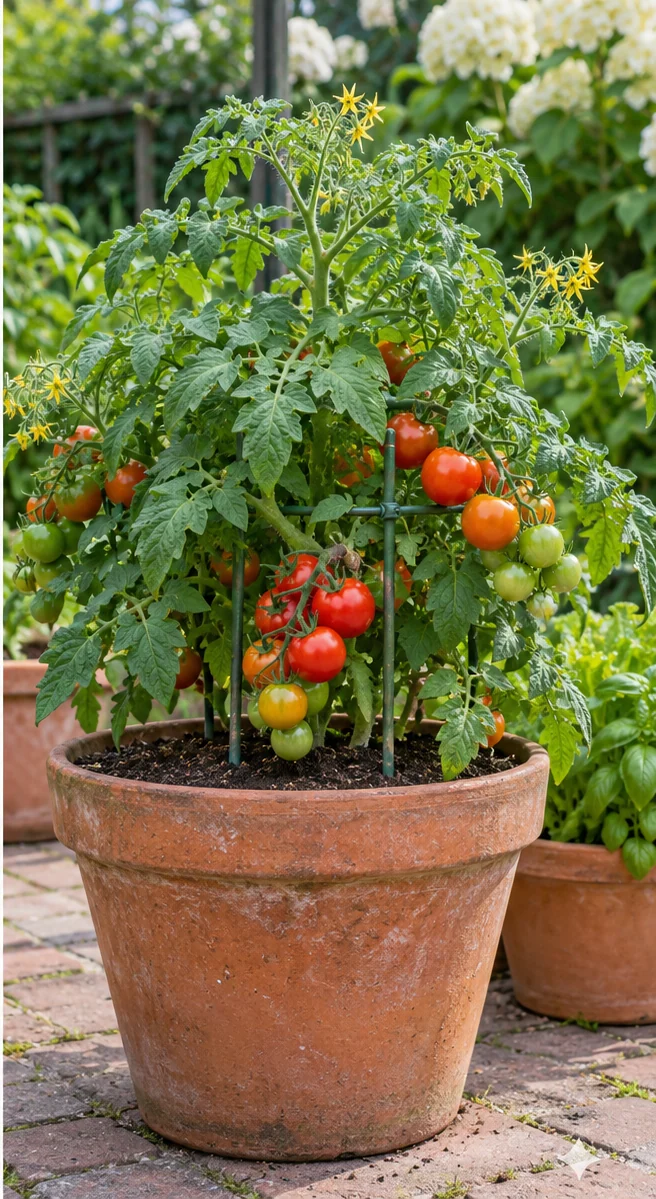
This image was created with AI from described plant characteristics and growing advice. It shows a possible situation and is not a photograph of a verified cultivar.
A compact, determinate variety produces plenty of branching within a limited height. Leave side branches and support heavy fruiting branches where needed.
For balconies or patios; final size depends on the variety.
Tick off your supplies →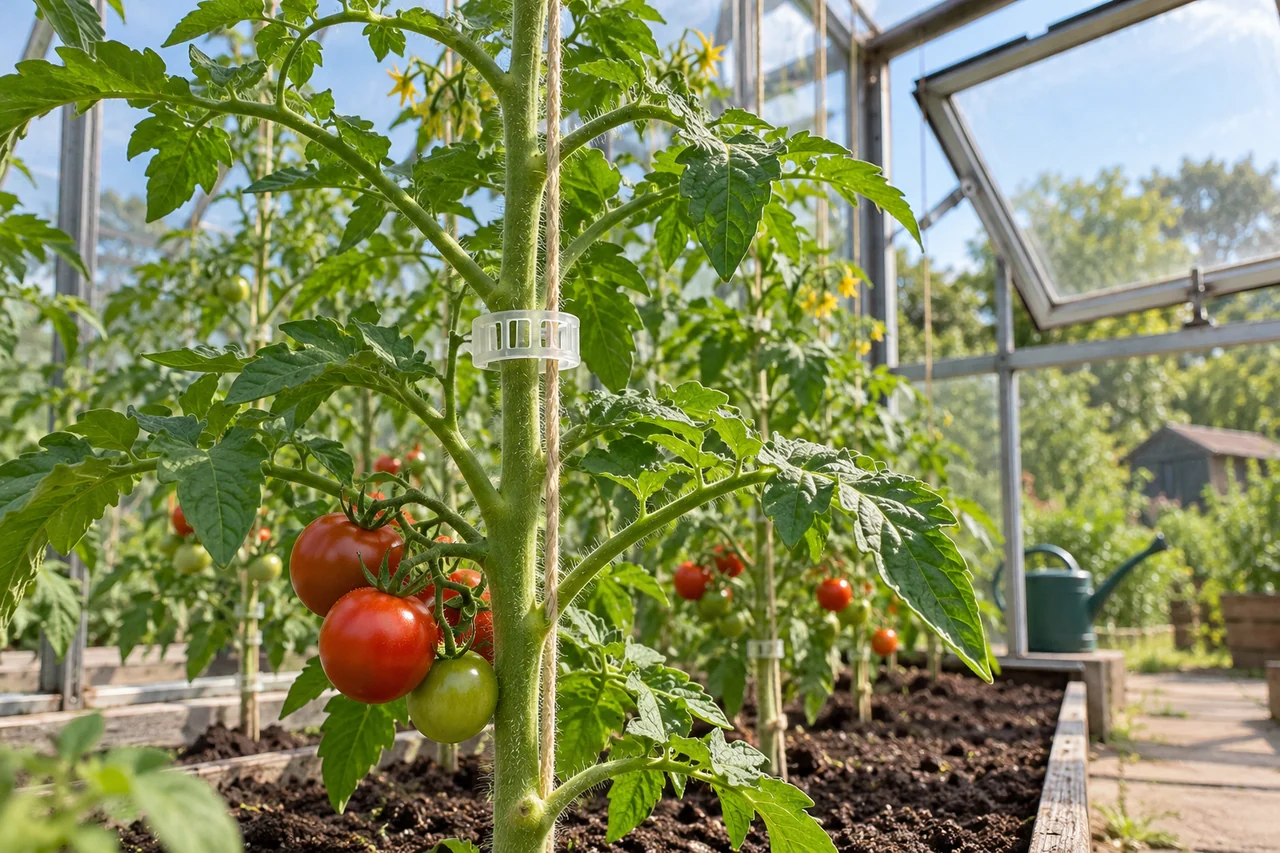
This image was created with AI from described plant characteristics and growing advice. It shows a possible situation and is not a photograph of a verified cultivar.
Under glass, you can use height and protect the crop from rain. Ventilation and securely anchoring the string are part of this method.
For a greenhouse with sufficient height and safe load-bearing attachment.
Tick off your supplies →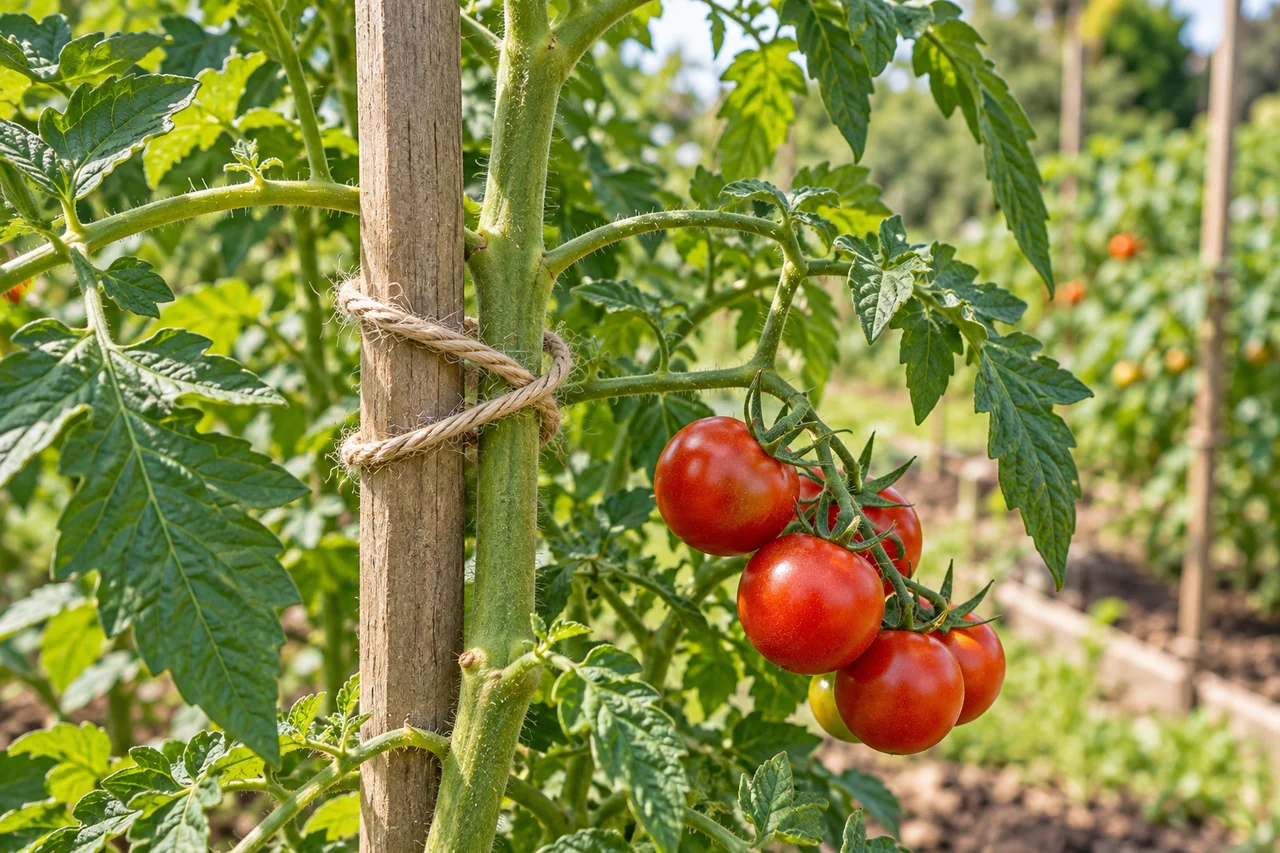
This image was created with AI from described plant characteristics and growing advice. It shows a possible situation and is not a photograph of a verified cultivar.
Use soft ties and leave room around the main stem. Check the loop as the plant grows and loosen it before it starts to constrict.
View your supplies →See the confirmed differences. Characteristics without supporting evidence are left blank.
24 of 24 varieties
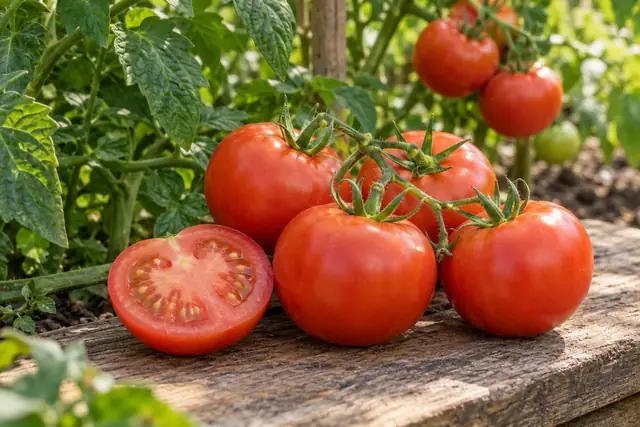
This image was created with AI from described plant characteristics and growing advice. It shows a possible situation and is not a photograph of a verified cultivar.
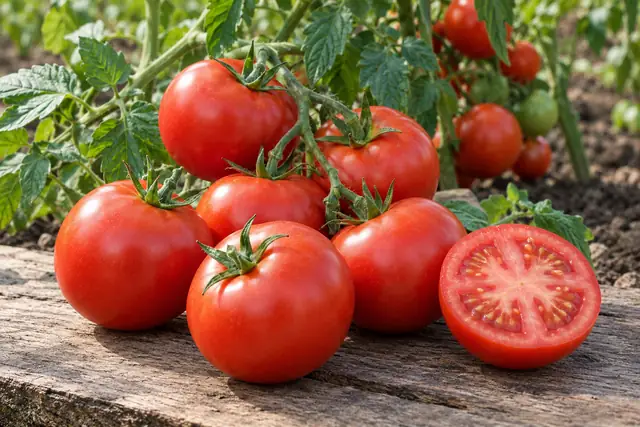
This image was created with AI from described plant characteristics and growing advice. It shows a possible situation and is not a photograph of a verified cultivar.
Explore this variety and use the growing guide to choose a place for your plant.
View variety →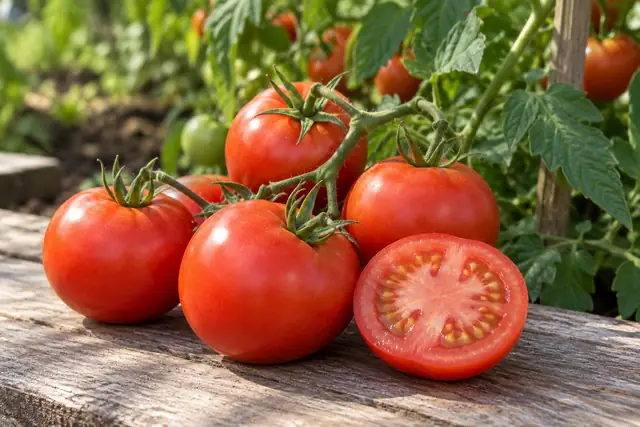
This image was created with AI from described plant characteristics and growing advice. It shows a possible situation and is not a photograph of a verified cultivar.
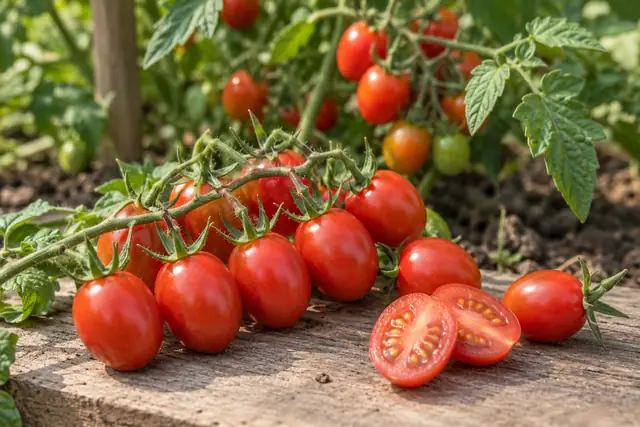
This image was created with AI from described plant characteristics and growing advice. It shows a possible situation and is not a photograph of a verified cultivar.
Explore this variety and use the growing guide to choose a place for your plant.
View variety →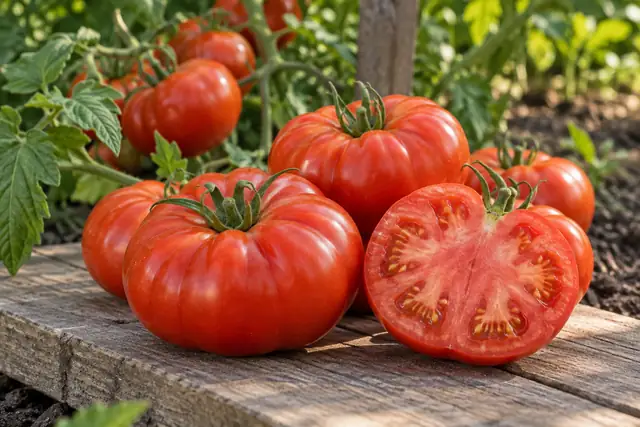
This image was created with AI from described plant characteristics and growing advice. It shows a possible situation and is not a photograph of a verified cultivar.
Explore this variety and use the growing guide to choose a place for your plant.
View variety →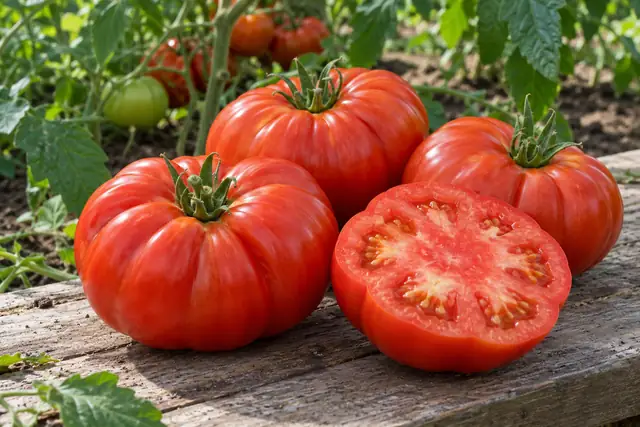
This image was created with AI from described plant characteristics and growing advice. It shows a possible situation and is not a photograph of a verified cultivar.
Explore this variety and use the growing guide to choose a place for your plant.
View variety →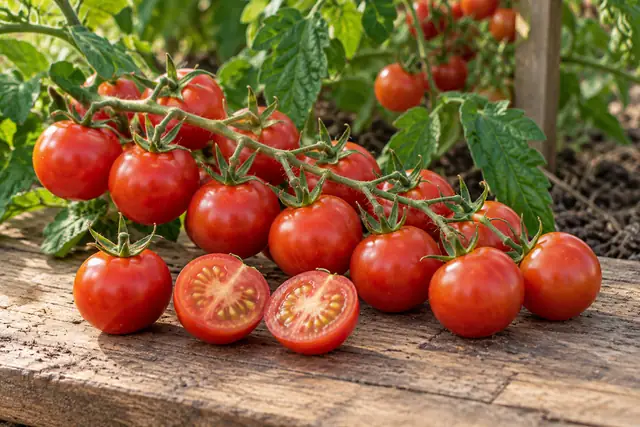
This image was created with AI from described plant characteristics and growing advice. It shows a possible situation and is not a photograph of a verified cultivar.
Explore this variety and use the growing guide to choose a place for your plant.
View variety →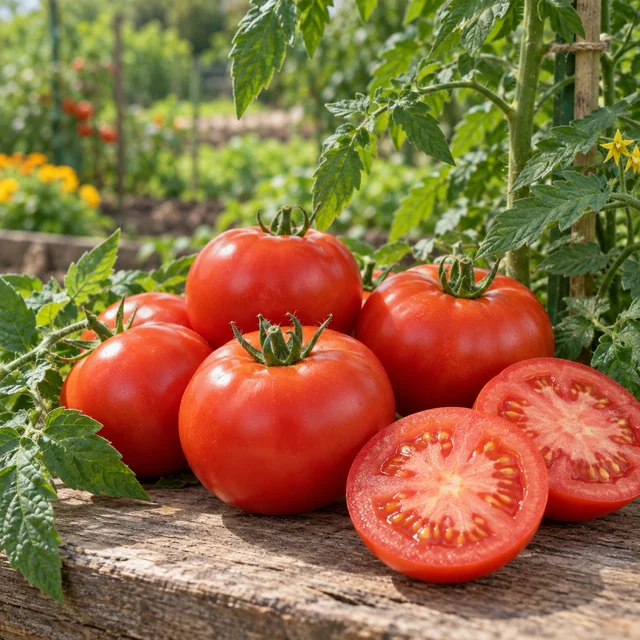
This image was created with AI from described plant characteristics and growing advice. It shows a possible situation and is not a photograph of a verified cultivar.
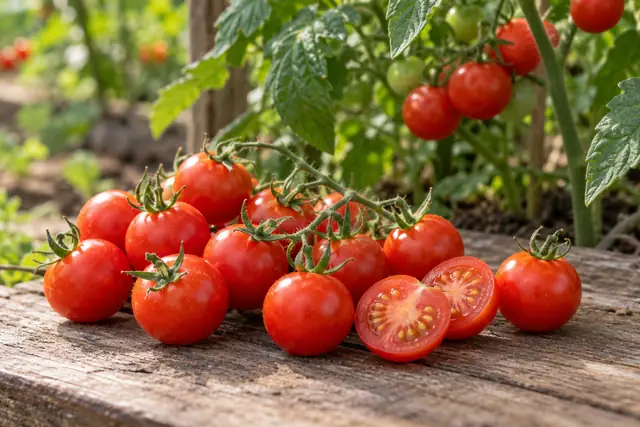
This image was created with AI from described plant characteristics and growing advice. It shows a possible situation and is not a photograph of a verified cultivar.
Explore this variety and use the growing guide to choose a place for your plant.
View variety →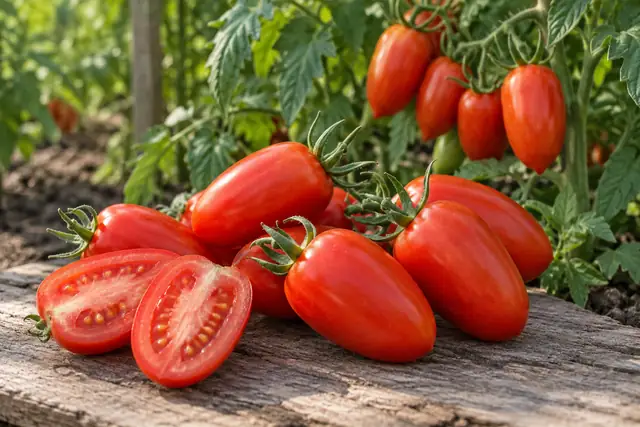
This image was created with AI from described plant characteristics and growing advice. It shows a possible situation and is not a photograph of a verified cultivar.
Explore this variety and use the growing guide to choose a place for your plant.
View variety →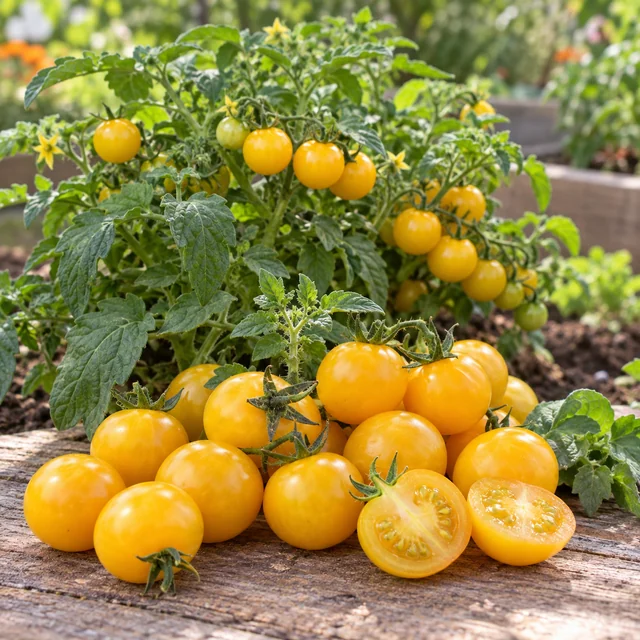
This image was created with AI from described plant characteristics and growing advice. It shows a possible situation and is not a photograph of a verified cultivar.
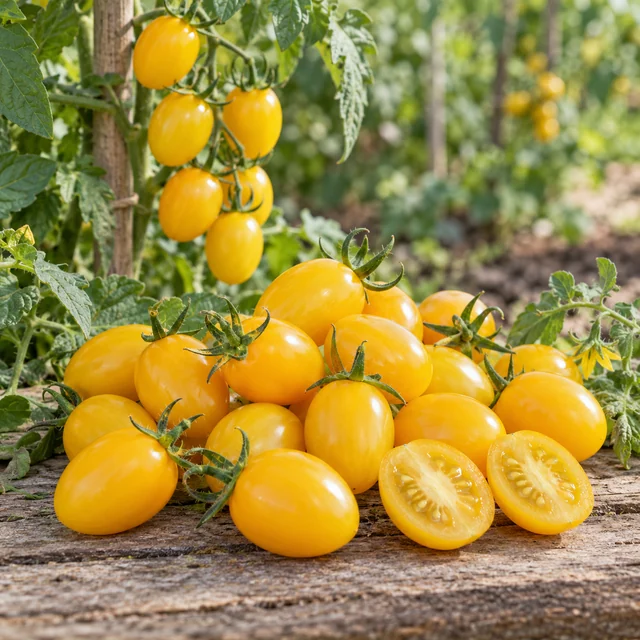
This image was created with AI from described plant characteristics and growing advice. It shows a possible situation and is not a photograph of a verified cultivar.
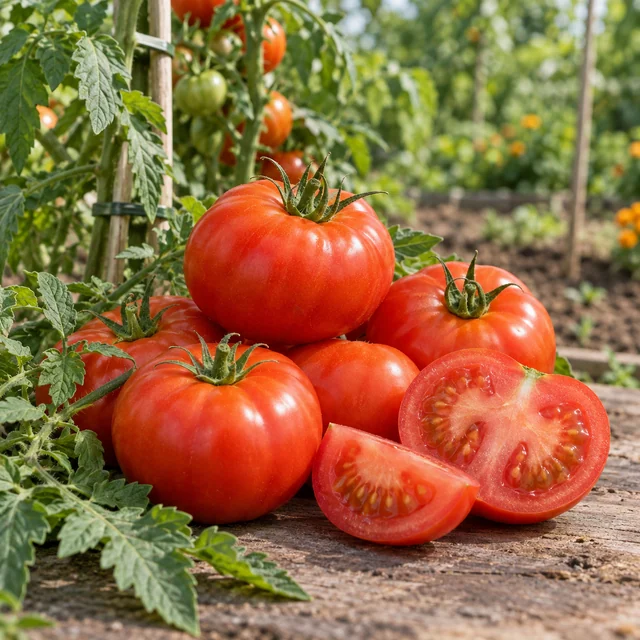
This image was created with AI from described plant characteristics and growing advice. It shows a possible situation and is not a photograph of a verified cultivar.
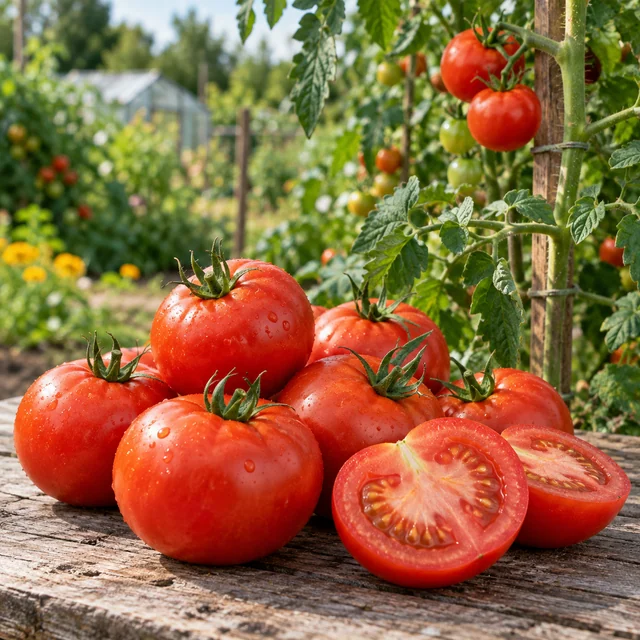
This image was created with AI from described plant characteristics and growing advice. It shows a possible situation and is not a photograph of a verified cultivar.
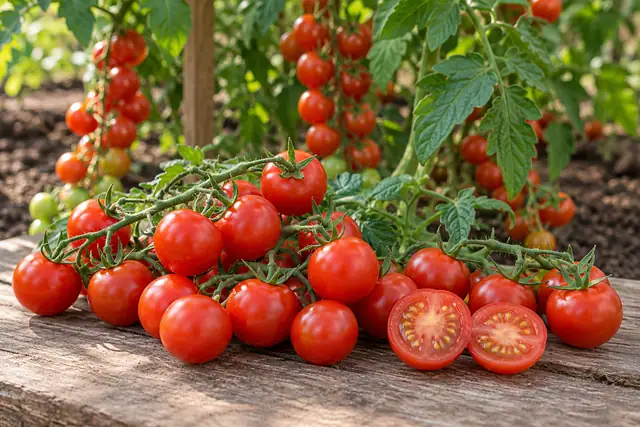
This image was created with AI from described plant characteristics and growing advice. It shows a possible situation and is not a photograph of a verified cultivar.
Explore this variety and use the growing guide to choose a place for your plant.
View variety →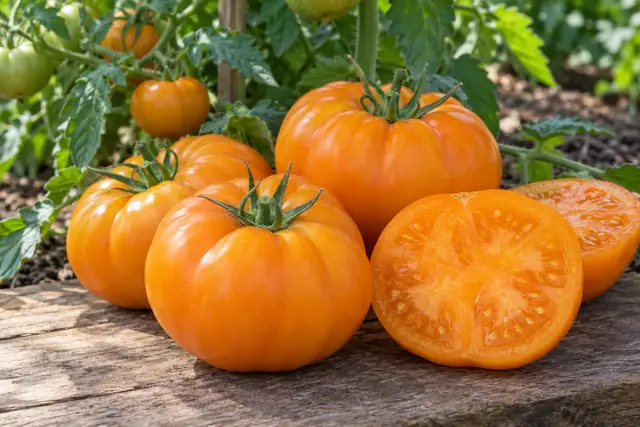
This image was created with AI from described plant characteristics and growing advice. It shows a possible situation and is not a photograph of a verified cultivar.
Explore this variety and use the growing guide to choose a place for your plant.
View variety →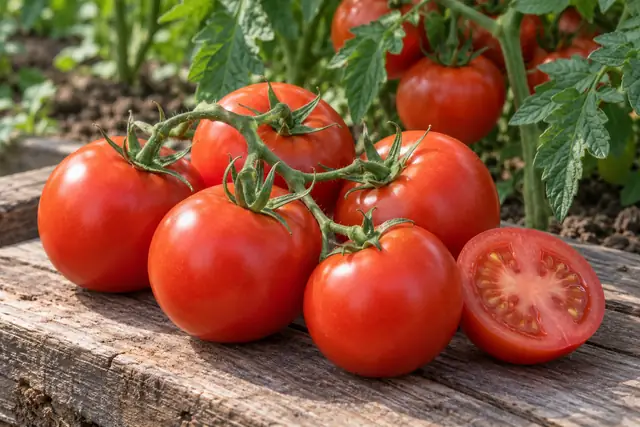
This image was created with AI from described plant characteristics and growing advice. It shows a possible situation and is not a photograph of a verified cultivar.
Explore this variety and use the growing guide to choose a place for your plant.
View variety →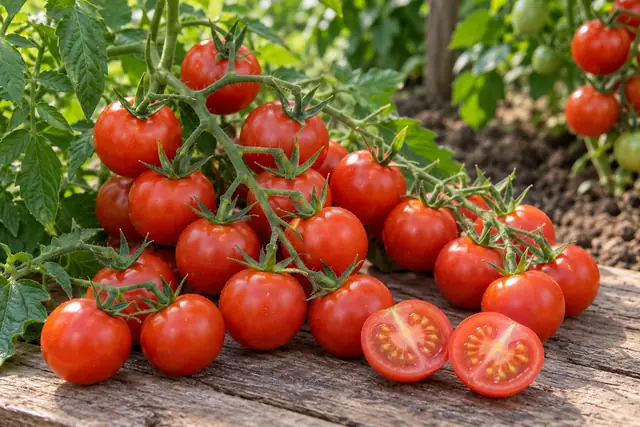
This image was created with AI from described plant characteristics and growing advice. It shows a possible situation and is not a photograph of a verified cultivar.
Explore this variety and use the growing guide to choose a place for your plant.
View variety →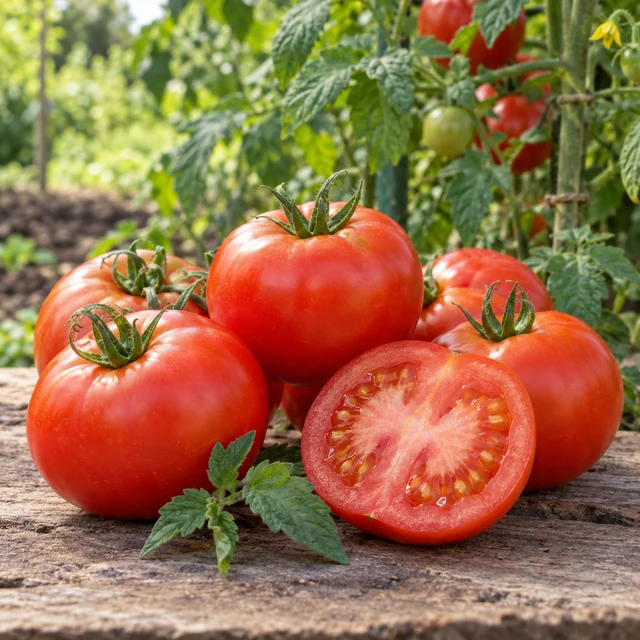
This image was created with AI from described plant characteristics and growing advice. It shows a possible situation and is not a photograph of a verified cultivar.
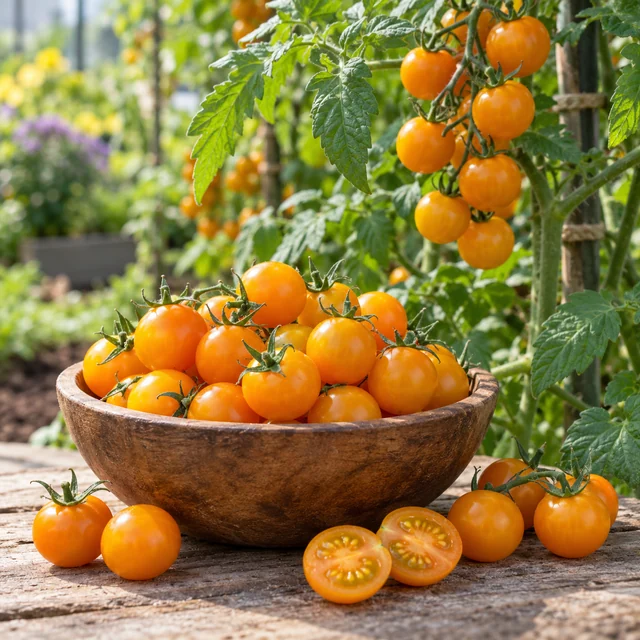
This image was created with AI from described plant characteristics and growing advice. It shows a possible situation and is not a photograph of a verified cultivar.
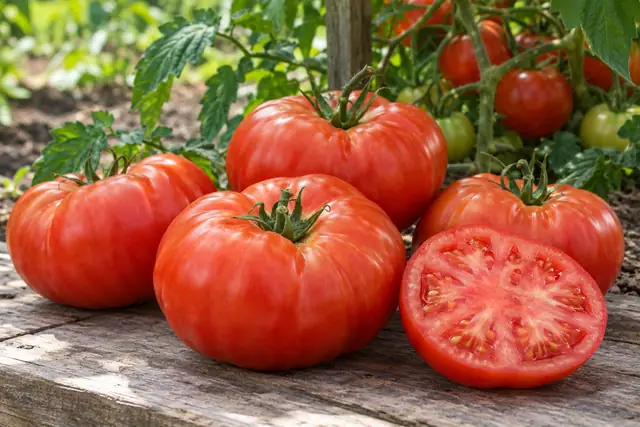
This image was created with AI from described plant characteristics and growing advice. It shows a possible situation and is not a photograph of a verified cultivar.
Explore this variety and use the growing guide to choose a place for your plant.
View variety →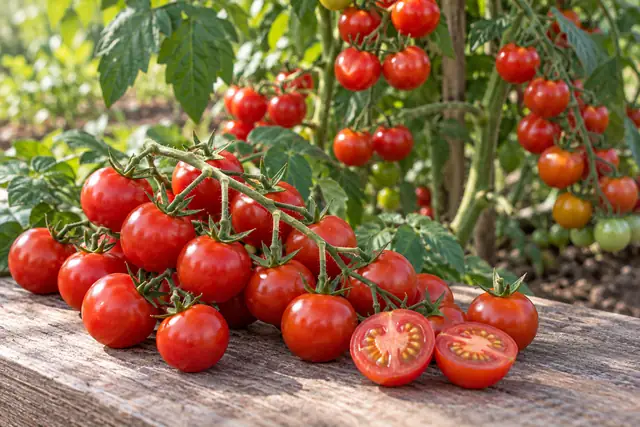
This image was created with AI from described plant characteristics and growing advice. It shows a possible situation and is not a photograph of a verified cultivar.
Explore this variety and use the growing guide to choose a place for your plant.
View variety →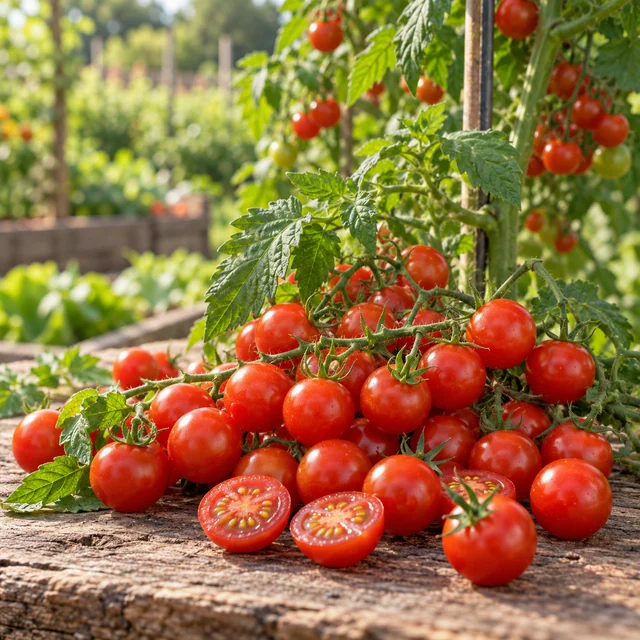
This image was created with AI from described plant characteristics and growing advice. It shows a possible situation and is not a photograph of a verified cultivar.
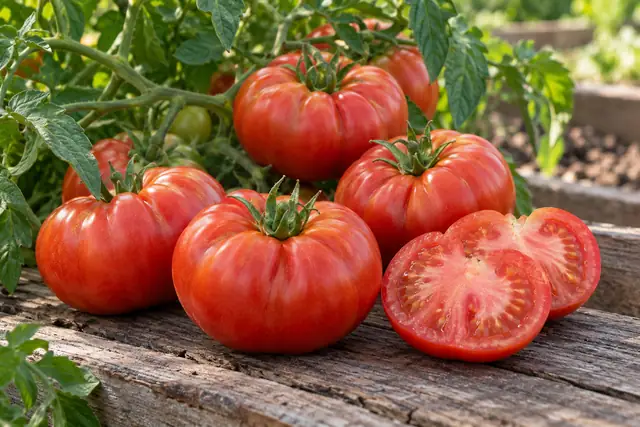
This image was created with AI from described plant characteristics and growing advice. It shows a possible situation and is not a photograph of a verified cultivar.
Explore this variety and use the growing guide to choose a place for your plant.
View variety →Choose two to four varieties to compare their source data side by side.
Ace 55 VF: A round red tomato for anyone starting with the classic shape and a juicy harvest. Slice the round fruits for bread or an everyday salad. Their juicy character also suits a fresh tomato sauce.
The described flavour is classically tomato-like. Choose this as a reference alongside a sweet cherry tomato, so you can taste the difference in the same meal.
Ananori: A large, flat beefsteak tomato with light ribbing and marbled colouring from green to yellow and red. Cut broad slices for tomato carpaccio or a sandwich. The thin skin and large size invite eating fresh soon after picking.
The supplier praises the flavour but gives no precise description of its sweetness and acidity. Taste the ripe beefsteak tomato alongside a red variety; the marbled colour does not predict a particular aroma.
Anna Russian: Pink-red heart-shaped fruits on a vigorous plant with strikingly fine, drooping foliage. Use thick slices of the heart-shaped fruits on bread or add them to sauce. The small seed cavity leaves plenty of usable flesh.
The current description mentions mildly sweet, firm and juicy flesh with few seeds. This makes the large heart-shaped tomato useful both fresh and cooked.
Japans Laag: A bushy tomato about half a metre tall, with small round red fruits. Pick small amounts for lunch or salad straight from the pot. You do not need a large beefsteak tomato to add colour to a slice of bread.
The cultivar is described as sweet and juicy. This makes it a compact alternative to tall cherry tomatoes for a fresh snack harvest.
The same treatment does not suit every tomato. An indeterminate cordon tomato can be trained with one main stem. A bush type, by contrast, develops its harvest on branches. Check the cultivar label before removing sideshoots; an arbitrary pruning rule may cost you future fruiting branches.
Make the attachment to the stake firmer than the attachment to the plant. A soft figure-of-eight tie prevents rubbing between stake and stem and leaves room for growth. Check older ties on every garden round, especially beside heavy trusses. Do not secure a truss in a way that constricts its stem.
A greenhouse can extend growth and harvesting, but a closed greenhouse quickly becomes too hot on sunny days. Open windows and doors when needed and let air reach the flowers. A light tap on a flowering truss can help release pollen; do not force or damage the flowers.
Feel below the top layer rather than just looking at the dry colour of the surface. Water the soil and let excess water drain away. A small pot needs more frequent adjustments and produces greater fluctuations in moisture. A larger container gives more room for manoeuvre but does not replace checks.
Check outdoor plants particularly carefully during warm, humid weather. Dark, spreading patches on leaves, stems or fruit call for investigation of disease, including late blight. Remove severely diseased material and keep healthy produce separate. A roof can reduce rain exposure, but airy spacing and timely checks remain necessary.
A tomato may be small enough to eat whole or invite you to cut it into slices. Behind this diversity lies more than a row of different seed packets. The gene bank at Wageningen University & Research preserves cultivated varieties, landraces and wild relatives to keep genetic variation available for breeding. A cultivar is therefore a choice within a larger range of possibilities. At home, start with what you want to pick and eat; the most striking name is not necessarily the best match for your space.
Compound leaves and yellow, star-shaped flowers grow on the hairy stem. The fleshy fruit is botanically a berry, although we use tomatoes as a vegetable in the kitchen. This dual view makes following the plant more interesting: watch the flowers that become small fruits and the trusses filling out. You can see different stages of plant life during the same garden round.
Do you want to pick a handful of fruits regularly or process a large amount at once? Indeterminate cordon tomatoes keep forming new trusses; determinate bush types give a more concentrated harvest. This difference also determines how much support and space you need. A cultivar name alone does not tell you this: check the documented characteristics of your choice.
Find a sunny, warm spot out of strong wind. Roots need moisture but must not stay in wet soil for long. A greenhouse keeps rain off the crop and offers more warmth; a suitable outdoor position remains a fully valid growing choice.
Use soil information to guide feeding. Mature compost may improve structure. Do not apply nitrogen by guesswork: plentiful leaf growth does not prove good fruit production. Requirements depend on the existing soil and growing method.
For outdoor growing, March is a useful starting point in the Flemish school garden source, which specifically discusses Resibella. This is an example, not a fixed date for all cultivars. Sow only when you can provide the seedlings with enough light, warmth and space until they move to their final position.
Keep the seed compost moist. After emergence, light is essential: long, thin stems indicate a shortage. Wait until true leaves appear before pricking out, and give each seedling its own growing space. Support the rootball and gently hold the seedling by a leaf.
Gradually acclimatise plants raised indoors to sun and wind. Start in a sheltered position and increase their time outside. Bring them back indoors on cold nights. A sturdy plant with a well-rooted rootball can cope with the transition better than a weak seedling planted out in a hurry.
Velt plants outdoor tomatoes after the Ice Saints days. Also check the local forecast and the actual warmth at the planting position. According to KNMI, frost can also occur on or after those days. Mid-May is therefore a planning point, not proof that your garden is frost-free.
For a tomato trained as a single stem, remove young sideshoots and tie in the main stem loosely. On bush tomatoes, let the side branches grow. A bush may also need support when fruits weigh down its branches.
Large fluctuations in moisture can make the fruits split. Feel the soil and check pots particularly carefully in hot weather. Mulch helps retain moisture. An existing split will not heal if you suddenly give much more water; work towards a more even water supply.
A dark, sunken patch at the bottom of the fruit may indicate blossom end rot. The problem concerns calcium in the growing fruit; there may still be enough calcium in the soil. Uneven water uptake, root damage and excessive feeding play a part. Investigate the conditions before adding lime.
The cultivated tomato is predominantly self-pollinating. The WUR gene bank treats wild relatives and heterogeneous accessions separately: they do not reproduce identically. In your garden, watch whether flowers form fruits. Do not infer a guarantee of fruit set from a botanical name.
Pick ripe fruits when they reach the colour appropriate to the cultivar. Green does not mean unripe in every cultivar. Timing depends on the cultivar, weather and growing position. Under glass, harvesting may start earlier and continue for longer. Check regularly rather than planning a single fixed harvest day.
Take fully ripe fruits from healthy, open-pollinated plants. Remove the seeds with their gel, let the mixture ferment briefly, then rinse and dry carefully. Seed from an F1 may germinate, but the offspring will not predictably match the parent. Keep the cultivar name and origin with the seed.
Do not save seed from visibly diseased plants. Seed-borne diseases are also a concern in professional collections. WUR checks its regenerated material for such diseases. Fermenting at home does not guarantee that infected seed becomes healthy; start with healthy material.
A pot dries out faster than open ground. Choose enough root space and secure supports firmly. The general calendar indicates when a growing stage is possible; the current plant size, fruit set and temperature determine what your own plant needs.
A calendar helps you plan ahead, but two gardens can have different conditions on the same day. KNMI describes the last spring frost using measurements and scenarios. Use the regional timeline as a window and record the actual sowing and planting dates in My garden.
Tick what you already have. The extras depend on how you grow.
0 of 7 ticked off
Your ticks are saved in this browser.
SeedSteps editorial team · updated on 11 October 2026. The AI images illustrate species and practical growing situations; they do not prove an exact cultivar, observations from your own garden or yield.
Britse gewasadviezen worden gecombineerd met Nederlandse en Vlaamse informatie waar beschikbaar. Amerikaanse Extension-bronnen ondersteunen plantprincipes en herkenning; hun kalenderdata, lokale plaagdruk, bestrijdingsmiddelen en mestdoseringen worden niet rechtstreeks op Nederland of Vlaanderen toegepast. Vorst, bodemwarmte, standplaats en expliciete rasinformatie blijven de lokale controle. Commerciële bronnen onderbouwen uitsluitend benoemde ras- en plantkenmerken; zij zijn geen affiliate-aanbeveling.
Supporting evidence by chapter: Choose by flavour, shape and use: Feggies, Feggies, Feggies, Feggies. Choose the plant type before picking up the secateurs: Royal Horticultural Society, University of Minnesota Extension, University of Minnesota Extension. A loop must still fit next week: Royal Horticultural Society, University of Minnesota Extension, University of Minnesota Extension. Warmth works together with ventilation: Royal Horticultural Society, University of Minnesota Extension, University of Minnesota Extension. Make the water supply visible: Royal Horticultural Society, University of Minnesota Extension, University of Minnesota Extension. Rain protection and a healthy harvest: Royal Horticultural Society, University of Minnesota Extension, University of Minnesota Extension. One plant species, many ways to choose: Wageningen University & Research. Look closely: from flower to berry: North Carolina State University Extension. Start with growth habit and use: University of Minnesota Extension. Sun, shelter and drainage: Royal Horticultural Society. Preparing the soil and feeding: University of Minnesota Extension. Sowing ahead of your own planting-out date: Velt. Warmth for germination, then plenty of light: .
