Why grow Filderkraut?
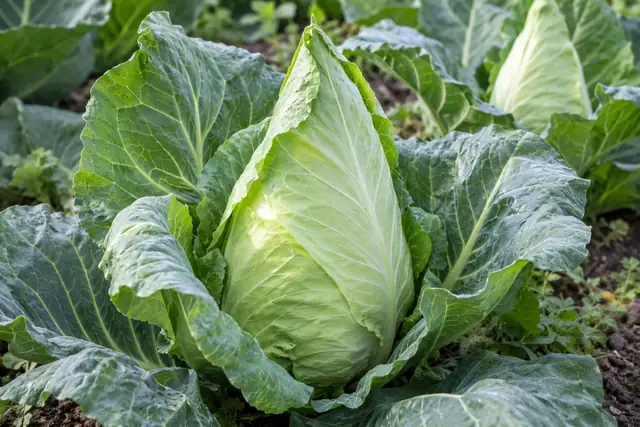
Filderkraut forms large, pointed heads with thin leaves and fine veins. The source mentions substantial specimens, without guaranteeing that size in every garden.
Choose Filderkraut if a large harvest and fermentation appeal to you. A more modest cabbage may suit small meal portions better.
How this choice tastes
The source emphasises tender leaves but gives no distinct aroma. That texture helps the kitchen choice without inventing extra sweetness.
From harvest to kitchen
Use this cabbage for sauerkraut or another preparation needing thinly sliced leaves. A large head needs a harvest plan.
What needs attention when growing
Allow generous plant spacing and a long development period aimed at autumn. Provide enough moisture without leaving the soil waterlogged for long.
Harvest a formed, firm head and plan processing in advance. Do not use the stated maximum kilograms as a fixed yield expectation.
Choose by flavour, shape and use
Kalibos: Kalibos vormt een spitse roodpaarse kool. Dat geeft zowel de lange spitskoolvorm als een duidelijke kleur in het bed. Gebruik fijn gesneden blad rauw, bereid partjes warm of verwerk een oogst in fermentatie. De bron ondersteunt meerdere toepassingen.
The product source describes a mild, sweet flavour. This is a confirmed cultivar characteristic, not an inference from the red colour.
Filderkraut: Filderkraut vormt grote, spitse kolen met dun blad en fijne nerven. De bron noemt forse exemplaren, zonder die maat voor elke tuin te garanderen. Gebruik deze kool voor zuurkool of een andere bereiding waarbij dun gesneden blad gewenst is. Een grote krop vraagt een oogstplan.
The source emphasises tender leaves but gives no distinct aroma. That texture helps the kitchen choice without inventing extra sweetness.
A cabbage that suits your cooking
Spitskool is aantrekkelijk als je enkele verse kroppen wilt oogsten en niet meteen een grote wintervoorraad plant. De puntige vorm hoort bij het type; de uiteindelijke grootte en snelheid verschillen per ras. Stem daarom het aantal planten af op wat je gebruikt.
Sow for the intended harvest season
The same cabbage species can include early and late cultivars. Follow your cultivar's recommended sowing window and work in small batches. A late sowing of a long-season winter cultivar will not automatically catch up.
Sturdy plants in individual modules
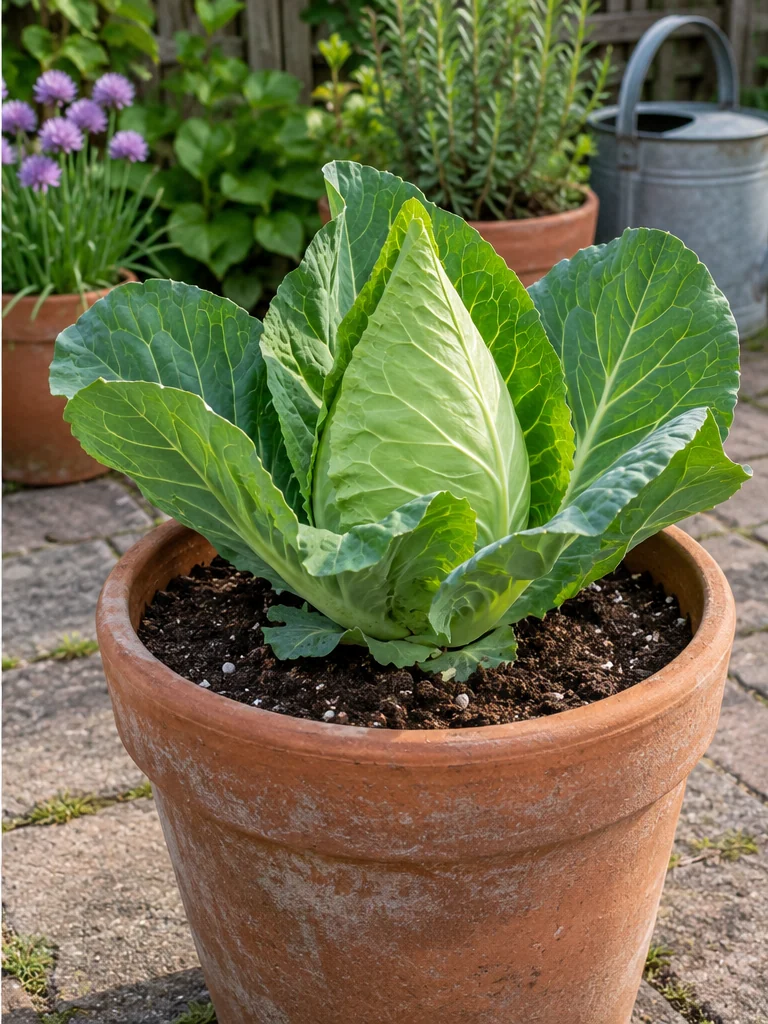
Sow in clean seed compost and place emerged seedlings in good light. Keep the compost moist. An individual module gives each plant its own rootball. Move the plants before growth stalls for long in a cell that is too small.
Bring the soil into contact with the rootball
Acclimatise plants raised under cover to outdoor conditions. Plant in a sunny bed with good drainage and firm the soil around the rootball. Water to bring roots and soil into contact. Leave enough space for the mature leaves.
Support growth without waterlogging
Cabbages need fertile soil that retains moisture. Mature compost helps on poor or badly structured soil. Base additional feeding on the soil and product advice. Do not work wet clay into a compact, smooth planting hole where rainwater collects.
Even growth through to heart formation
Check the root zone more often during heart formation. Prolonged drought restricts development, while a sudden change to plentiful water may split vulnerable hearts. Water directly where needed during dry weather and retain an airy soil around the plant.
Avoid trapping the first caterpillars inside
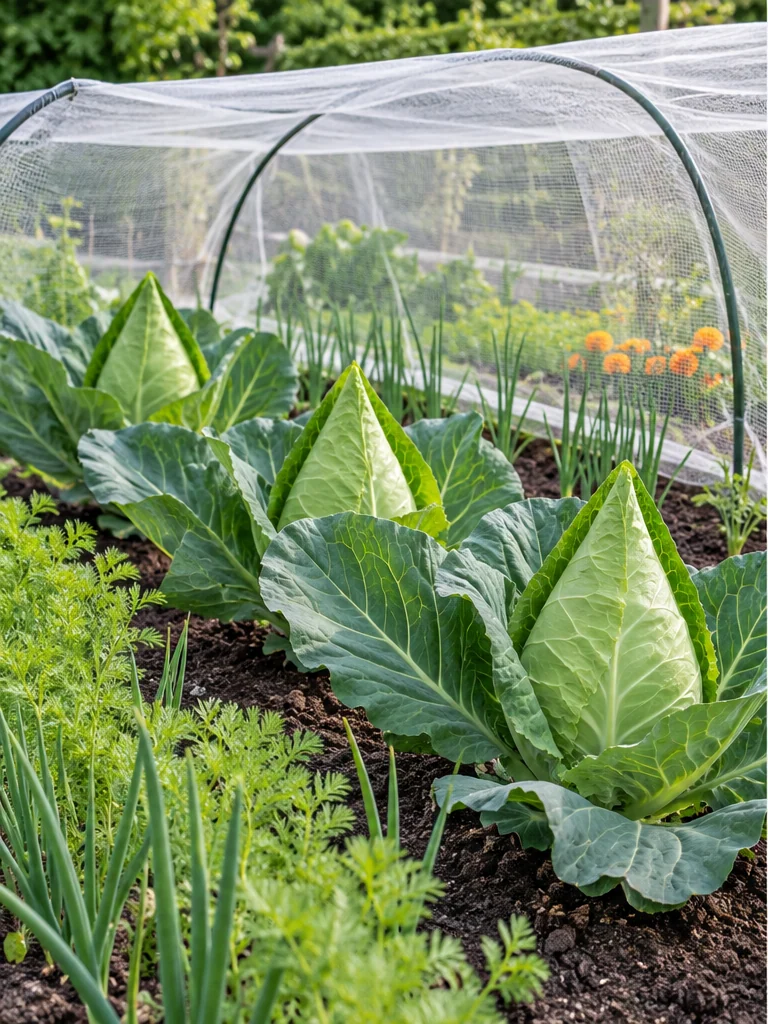
Put insect mesh in place early and seal the edges, but also inspect beneath it. Mesh does not exclude a caterpillar already on a plant. Remove affected leaves and identify the pest before choosing a measure.
Consider all brassicas in your plan
Broccoli, cauliflower, Brussels sprouts and turnips also belong to the brassicas. Do not grow them in the same position every year. With clubroot, ordinary rotation is insufficient: have the cause assessed and use healthy starting material and a suitable growing position.
Feel the heart and look at the leaves
Snijd de krop als hij goed gevormd en stevig is. Wacht niet tot iedere plant op dezelfde dag klaar staat; loop de rij na en oogst de eerste rijpe kroppen afzonderlijk. Zo voorkom je dat een goede krop te lang blijft staan.
Adapt storage to the cultivar
Spitskool is een prettige verse keukenkool. Bewaar een geoogste krop kort en koel en verwerk hem voordat het blad slap wordt. Ga niet uit van langdurige bewaargeschiktheid: kies daarvoor een ras dat uitdrukkelijk als bewaarkool wordt beschreven.