
Spitskool: een puntig hart voor een kleine, gerichte oogst
Pointed cabbage forms a head with a distinctive point. A few plants make a manageable crop to follow from the first leaf to harvest. Choose a variety and sowing time that go together.
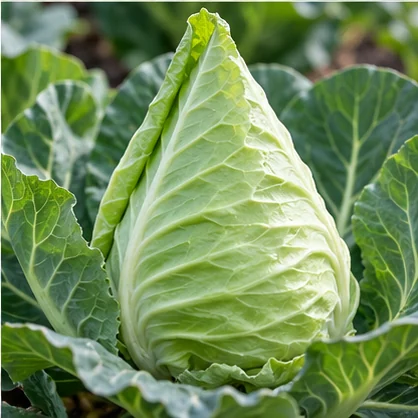
This image was created with AI from described plant characteristics and growing advice. It shows a possible situation and is not a photograph of a verified cultivar.
- Sowing
- Voorjaar; zomerzaai alleen bij een passend ras
- Harvesting
- Vanaf de zomer, afhankelijk van het ras
- Location
- Zon, vruchtbare grond en gelijkmatig vocht
- Space
- Volgens ras: ongeveer 30–60 cm als praktische orde
This growing advice helps you choose. Your variety, growth stage, weather and conditions in your space determine the actual timing.
Sowing under cover and raising seedlings
Koel voorzaaien in modules of op een zaaibed · Pointed cabbage
Maart–mei, alleen bij passend oogsttypeZaai op een koele lichte plek en voorkom lange slappe groei.
- Germination and temperature
- Kiem beschut, kweek daarna koel, licht en luchtig; voorkom een hete opkweekruimte.
- After emergence
- Zet zaailingen direct na opkomst licht. Een donkere zolder vraagt geschikte groeiverlichting; warmte alleen is onvoldoende. Ventileer en houd de grond vochtig, zonder haar te verzadigen.
- Pricking out and potting on
- Zaai in modules of verspeen hanteerbare jonge planten. Laat de kluit stevig worden zonder groeistilstand.
- Hardening off and planting out
- Laat binnen opgekweekte planten geleidelijk aan zon, wind en buitentemperatuur wennen; zet ze bij koude nachten weer beschut. Plant stevige jonge kolen uit en bescherm tegen koolvlieg en rupsen waar nodig.
Vroege, zomer-, herfst- en winterrassen hebben eigen vensters. Het getoonde voorjaar is een basisroute; gebruik voor overwintering en winterbloemkool het rasadvies.
Sources and use
Royal Horticultural Society · RHS — kool kweken ↗Soort- of productgebonden bron; buitenlandse perioden zijn geen vaste Nederlandse zaaidatum.
University of Minnesota Extension · UMN Extension — kool in de moestuin ↗Soort- of productgebonden bron; buitenlandse perioden zijn geen vaste Nederlandse zaaidatum.
Guideline periods for the Netherlands and Flanders. Check the variety, available light, soil and measured temperatures. Greenhouse heating does not guarantee enough winter light.
A different flavour, a different harvest.
Choose by more than the name. Discover how these varieties and crop types taste, what you can use them for and what growing them involves.
2 of 2 choices · 2 named varieties
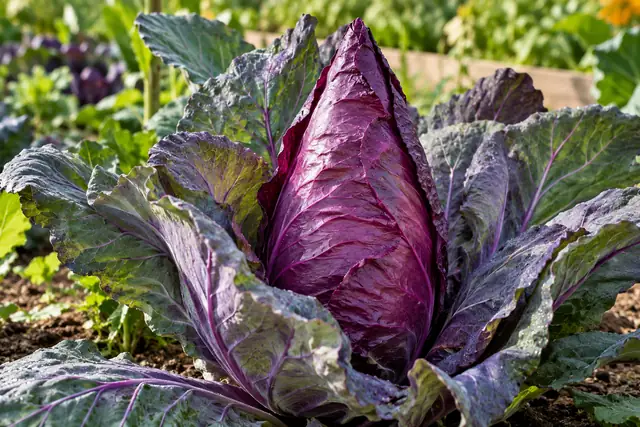
This image was created with AI from described plant characteristics and growing advice. It shows a possible situation and is not a photograph of a verified cultivar.
Kalibos
Kalibos vormt een spitse roodpaarse kool. Dat geeft zowel de lange spitskoolvorm als een duidelijke kleur in het bed.
Kies Kalibos wanneer een rode spitskool beter bij je gerechten past dan een klassieke ronde rodekoolkrop.
Flavour, kitchen and growing
How does it taste?
De productbron beschrijft een milde, zoete smaak. Dit is een bevestigd rasaccent en geen afleiding uit de rode kleur.
In the kitchen
Gebruik fijn gesneden blad rauw, bereid partjes warm of verwerk een oogst in fermentatie. De bron ondersteunt meerdere toepassingen.
A space in the garden
Laat ruimte voor de volledige spitse krop en houd groei gelijkmatig. De beschreven teeltdagen blijven afhankelijk van opkweek en weer.
Harvesting
Oogst een gesloten krop terwijl het blad nog gezond is. Beoordeel stevigheid zonder te wachten tot de kool gaat barsten.
Read the source notes →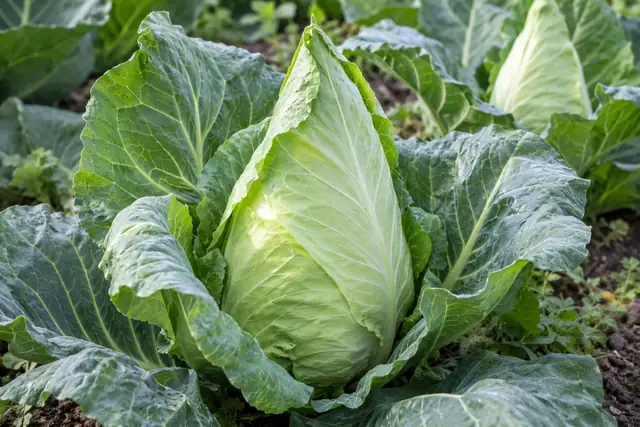
This image was created with AI from described plant characteristics and growing advice. It shows a possible situation and is not a photograph of a verified cultivar.
Filderkraut
Filderkraut vormt grote, spitse kolen met dun blad en fijne nerven. De bron noemt forse exemplaren, zonder die maat voor elke tuin te garanderen.
Kies Filderkraut wanneer grote oogst en fermentatie aantrekkelijk zijn. Voor kleine maaltijdporties kan een bescheidener kool beter passen.
Flavour, kitchen and growing
How does it taste?
De bron benadrukt mals blad, maar geeft geen eigen aroma. Die textuur helpt de keukenkeuze zonder extra zoetheid te verzinnen.
This flavour description applies to the crop; there is no separate tasting result for this variety.In the kitchen
Gebruik deze kool voor zuurkool of een andere bereiding waarbij dun gesneden blad gewenst is. Een grote krop vraagt een oogstplan.
A space in the garden
Reserveer ruime plantafstand en een lange herfstgerichte ontwikkeling. Zorg voor voldoende vocht zonder de grond langdurig drassig te maken.
Harvesting
Oogst een gevormde stevige krop en plan verwerking vooraf. Gebruik de genoemde maximale kilogrammen niet als vaste opbrengstverwachting.
Read the source notes →Choose your way to grow
From a garden bed to a suitable pot or support: give your plant a place that suits your garden and the care you can provide.
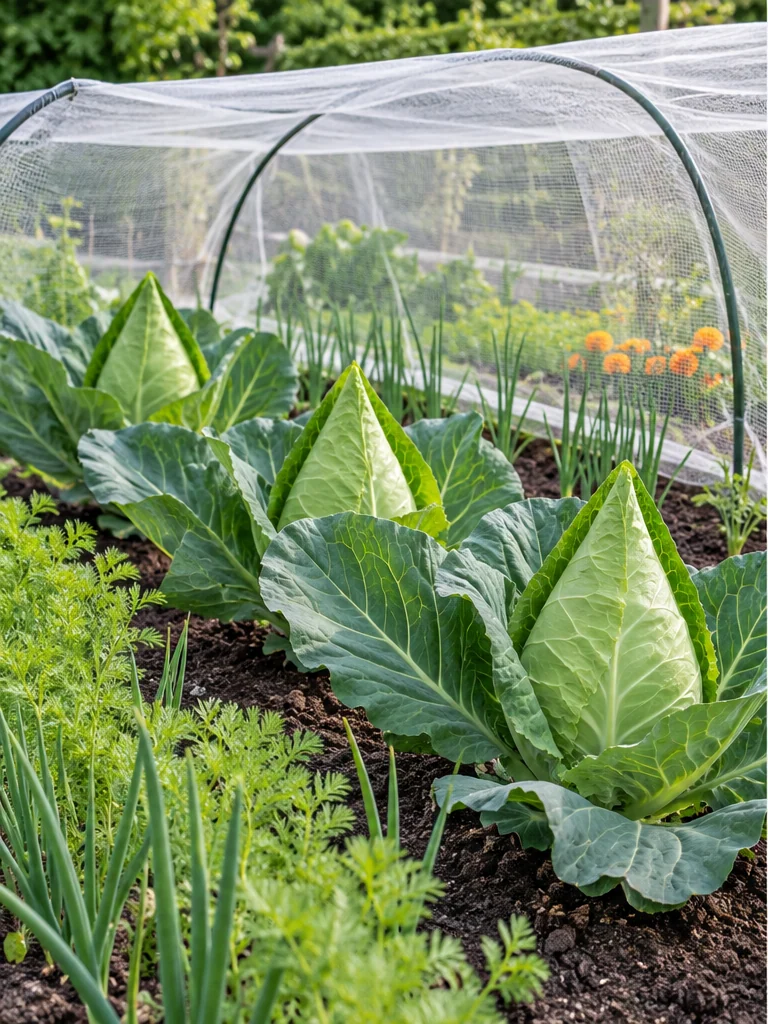
This image was created with AI from described plant characteristics and growing advice. It shows a possible situation and is not a photograph of a verified cultivar.
One head per plant in a spacious bed
In de vollegrond krijgt spitskool de ruimte om een stevige krop te maken. Plant niet extra dicht om meer oogst te beloven: het buitenblad heeft licht nodig om het hart te voeden.
- Zaai voor in modules of begin met gezonde jonge planten.
- Plant in prepared soil at the cultivar’s spacing.
- Place insect mesh over hoops and seal the edges well.
Voor wie een koolbed een groot deel van het seizoen kan reserveren.
Tick off your supplies →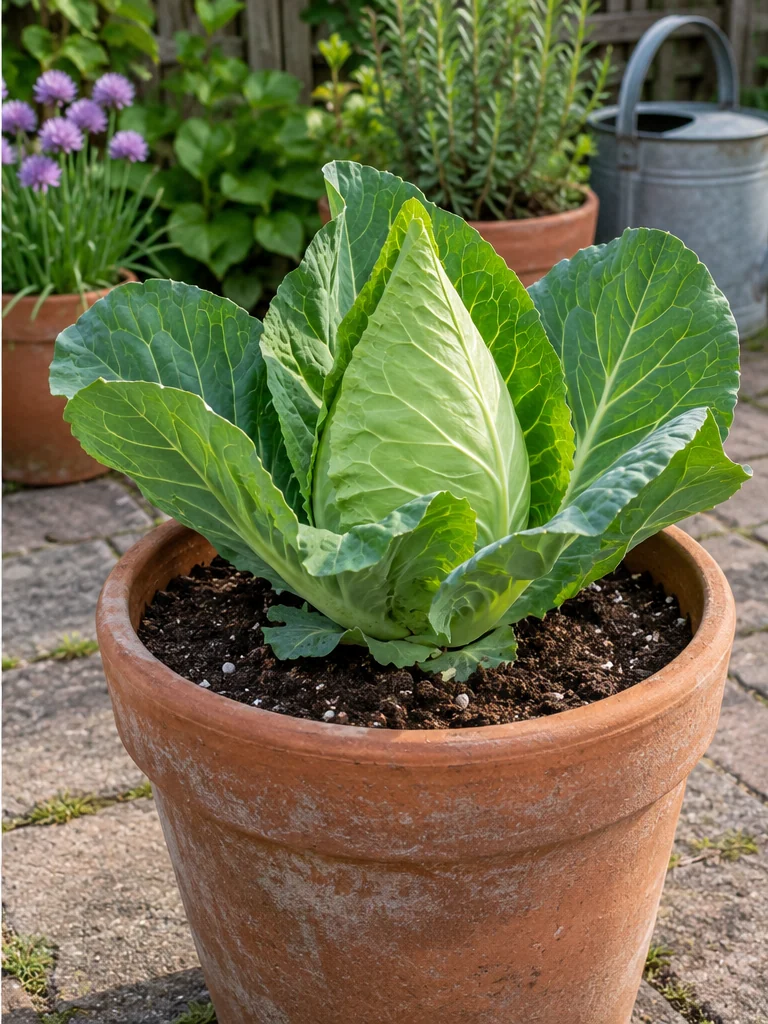
This image was created with AI from described plant characteristics and growing advice. It shows a possible situation and is not a photograph of a verified cultivar.
A compact cultivar in a deep pot
Een aantoonbaar compact koolras kan in een grote, diepe pot. Je kunt de grond en plek makkelijker kiezen, maar water en voeding vragen meer aandacht. Een kleine balkonpot geeft geen goede wortelruimte voor een grote kool.
- Choose a cultivar with confirmed compact growth.
- Gebruik een diepe pot met afvoergaten en geschikte potgrond.
- Controleer het vocht regelmatig en laat licht en lucht bij het blad.
For a small number of heads on a sunny patio.
Tick off your supplies →Explore the varieties
See the confirmed differences. Characteristics without supporting evidence are left blank.
0 of 0 varieties
No matching variety found. Try another name or clear the filters.
Choose two to four varieties to compare their source data side by side.
Choose by flavour, shape and use
Kalibos: Kalibos vormt een spitse roodpaarse kool. Dat geeft zowel de lange spitskoolvorm als een duidelijke kleur in het bed. Gebruik fijn gesneden blad rauw, bereid partjes warm of verwerk een oogst in fermentatie. De bron ondersteunt meerdere toepassingen.
The product source describes a mild, sweet flavour. This is a confirmed cultivar characteristic, not an inference from the red colour.
Filderkraut: Filderkraut vormt grote, spitse kolen met dun blad en fijne nerven. De bron noemt forse exemplaren, zonder die maat voor elke tuin te garanderen. Gebruik deze kool voor zuurkool of een andere bereiding waarbij dun gesneden blad gewenst is. Een grote krop vraagt een oogstplan.
The source emphasises tender leaves but gives no distinct aroma. That texture helps the kitchen choice without inventing extra sweetness.
A cabbage that suits your cooking
Spitskool is aantrekkelijk als je enkele verse kroppen wilt oogsten en niet meteen een grote wintervoorraad plant. De puntige vorm hoort bij het type; de uiteindelijke grootte en snelheid verschillen per ras. Stem daarom het aantal planten af op wat je gebruikt.
Sow for the intended harvest season
The same cabbage species can include early and late cultivars. Follow your cultivar's recommended sowing window and work in small batches. A late sowing of a long-season winter cultivar will not automatically catch up.
Sturdy plants in individual modules
Sow in clean seed compost and place emerged seedlings in good light. Keep the compost moist. An individual module gives each plant its own rootball. Move the plants before growth stalls for long in a cell that is too small.
Bring the soil into contact with the rootball
Acclimatise plants raised under cover to outdoor conditions. Plant in a sunny bed with good drainage and firm the soil around the rootball. Water to bring roots and soil into contact. Leave enough space for the mature leaves.
Support growth without waterlogging
Cabbages need fertile soil that retains moisture. Mature compost helps on poor or badly structured soil. Base additional feeding on the soil and product advice. Do not work wet clay into a compact, smooth planting hole where rainwater collects.
Even growth through to heart formation
Check the root zone more often during heart formation. Prolonged drought restricts development, while a sudden change to plentiful water may split vulnerable hearts. Water directly where needed during dry weather and retain an airy soil around the plant.
Avoid trapping the first caterpillars inside
Put insect mesh in place early and seal the edges, but also inspect beneath it. Mesh does not exclude a caterpillar already on a plant. Remove affected leaves and identify the pest before choosing a measure.
Consider all brassicas in your plan
Broccoli, cauliflower, Brussels sprouts and turnips also belong to the brassicas. Do not grow them in the same position every year. With clubroot, ordinary rotation is insufficient: have the cause assessed and use healthy starting material and a suitable growing position.
Feel the heart and look at the leaves
Snijd de krop als hij goed gevormd en stevig is. Wacht niet tot iedere plant op dezelfde dag klaar staat; loop de rij na en oogst de eerste rijpe kroppen afzonderlijk. Zo voorkom je dat een goede krop te lang blijft staan.
Adapt storage to the cultivar
Spitskool is een prettige verse keukenkool. Bewaar een geoogste krop kort en koel en verwerk hem voordat het blad slap wordt. Ga niet uit van langdurige bewaargeschiktheid: kies daarvoor een ras dat uitdrukkelijk als bewaarkool wordt beschreven.
What you need
Tick what you already have. The extras depend on how you grow.
0 of 5 ticked off
Your ticks are saved in this browser.
Discover and grow more
More background, sources and image information
SeedSteps editorial team · updated on 11 October 2026. The AI images illustrate species and practical growing situations; they do not prove an exact cultivar, observations from your own garden or yield.
Britse gewasadviezen worden gecombineerd met Nederlandse en Vlaamse informatie waar beschikbaar. Amerikaanse Extension-bronnen ondersteunen plantprincipes en herkenning; hun kalenderdata, lokale plaagdruk, bestrijdingsmiddelen en mestdoseringen worden niet rechtstreeks op Nederland of Vlaanderen toegepast. Vorst, bodemwarmte, standplaats en expliciete rasinformatie blijven de lokale controle. Commerciële bronnen onderbouwen uitsluitend benoemde ras- en plantkenmerken; zij zijn geen affiliate-aanbeveling.
- World Checklist of Vascular Plants — 4 juni 2026Royal Botanic Gardens, Kew · accessed 2026-10-07
- Rode spitskool 'Kalibos' zaden BiologischFeggies · accessed 2026-10-11
- Witte spitskool Filderkraut zadenFeggies · accessed 2026-10-11
- RHS — kool kwekenRoyal Horticultural Society · accessed 2026-10-10
- UMN Extension — kool in de moestuinUniversity of Minnesota Extension · accessed 2026-10-10
- USU Extension — kool in de tuinUtah State University Extension · accessed 2026-10-10
Supporting evidence by chapter: Choose by flavour, shape and use: Feggies, Feggies. A cabbage that suits your cooking: Royal Horticultural Society, University of Minnesota Extension, Utah State University Extension. Sow for the intended harvest season: Royal Horticultural Society, University of Minnesota Extension, Utah State University Extension. Sturdy plants in individual modules: Royal Horticultural Society, University of Minnesota Extension, Utah State University Extension. Bring the soil into contact with the rootball: Royal Horticultural Society, University of Minnesota Extension, Utah State University Extension. Support growth without waterlogging: Royal Horticultural Society, University of Minnesota Extension, Utah State University Extension. Even growth through to heart formation: Royal Horticultural Society, University of Minnesota Extension, Utah State University Extension. Avoid trapping the first caterpillars inside: Royal Horticultural Society, University of Minnesota Extension, Utah State University Extension. Consider all brassicas in your plan: Royal Horticultural Society, University of Minnesota Extension, Utah State University Extension. Feel the heart and look at the leaves: Royal Horticultural Society, University of Minnesota Extension, Utah State University Extension. Adapt storage to the cultivar: Royal Horticultural Society, University of Minnesota Extension, Utah State University Extension.