Why grow Merveille de Kelvedon?
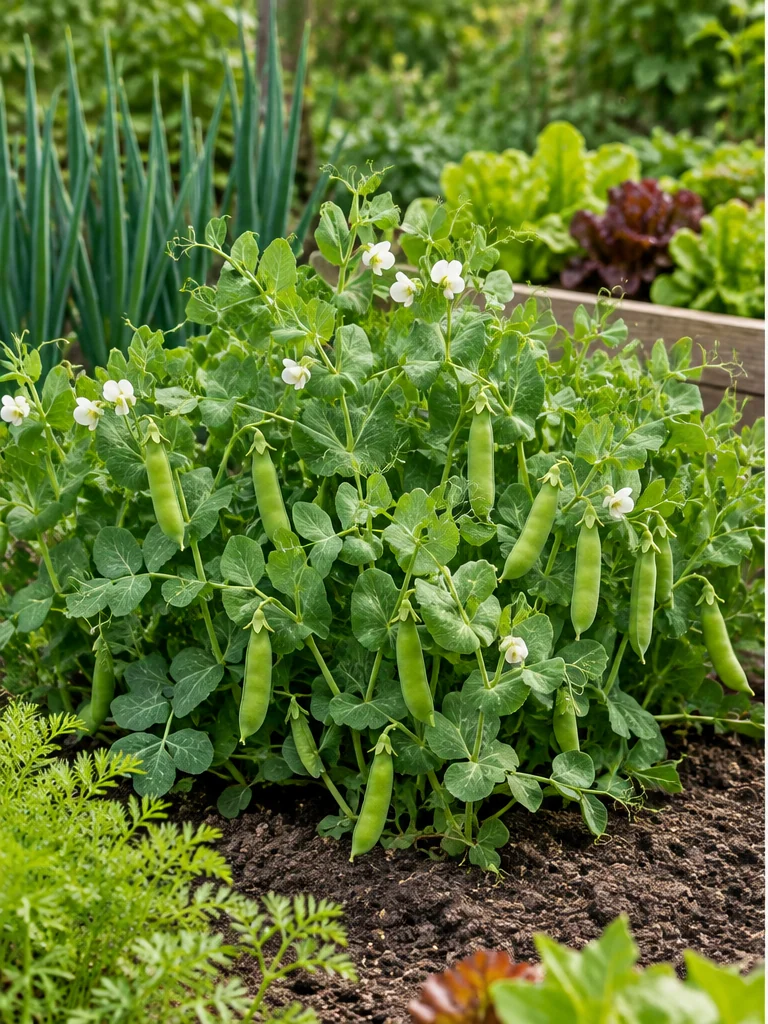
Vroege lage dop-erwt van ongeveer vijftig centimeter.
Kies dit ras voor een vroege oogst zonder hoog klimrek. Een laag rijtje geeft een overzichtelijk bed en kan na de oogst plaatsmaken voor een volgend gewas. Kelvedon Wonder is een andere naam voor hetzelfde ras, geen extra raskeuze.
How this choice tastes
The young seeds have the sweetish character of peas. Early, low growth is clearly supported; greater sweetness than other shelling peas has not been established.
From harvest to kitchen
Shell young, filled pods and briefly cook the peas with a little butter. Pair with potato in a simple meal to taste the pea’s own flavour.
What needs attention when growing
Zaai in het voorjaar op een doorlatende plek. Gebruik laag rijshout bij wind of om de planten van de grond te houden en geef water bij droge peulvulling.
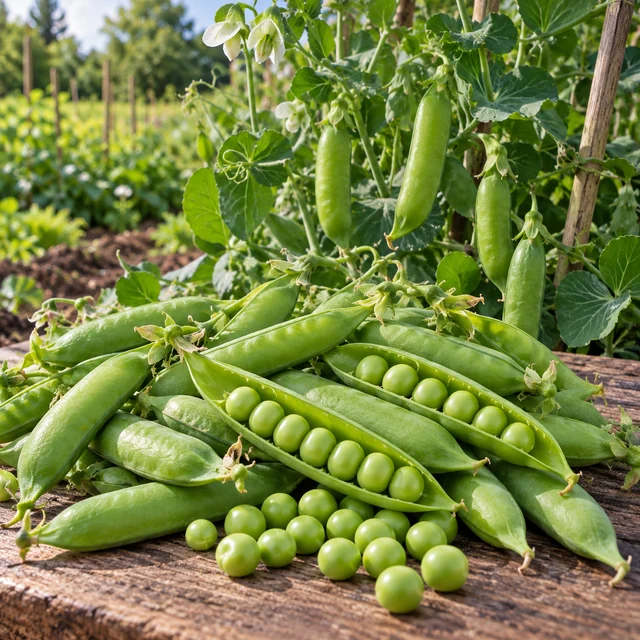
Oogst gevulde peulen voordat de korrels hard worden. Dop kort na plukken en plan meerdere plukrondes, omdat niet alle peulen dezelfde dag op keukenmaat zijn.
Choose by flavour, shape and use
Blauwschokker: Klimmende dop-erwt met opvallende paarse peulen. Dop de peulen en gaar de jonge korrels kort als groente. De peulwand wordt niet meegegeten; laat voor een droge voorraad een apart deel volledig afrijpen.
Young shelled peas have the gentle character of peas; fully mature seeds need a different, firmer preparation. The purple pod mainly helps with identification at harvest.
Karina: Lage dop-erwt met rechte donkergroene peulen. Dop een portie vlak voor het koken en gaar kort voor risotto of een groentepan. Gebruik de korrels; de stevigheid geeft ook beet in een gare erwtenmaaltijd.
Karina is described as sweet and firm. Fresh young peas retain that bite more clearly than a long-cooked or fully mature harvest.
Merveille de Kelvedon: Early dwarf shelling pea around fifty centimetres tall. Shell young, filled pods and briefly cook the peas with a little butter. Pair with potato in a simple meal to taste the pea’s own flavour.
The young seeds have the sweetish character of peas. Early, low growth is clearly supported; greater sweetness than other shelling peas has not been established.
Sima: Lage winter-dop-erwt voor een mogelijke vroege voorjaarsoogst. Gaar de kleine verse korrels kort voor een voorjaarsgerecht. Ze zijn geschikt voor een kleine portie bij aardappel of door rijst, zonder de peulwand mee te gebruiken.
Semailles describes the small peas as sweet. Shelling young gives a tender bite; the early harvest aim matters more here than an assumed flavour ranking.
Choose which pea you want to eat
Shelling peas are grown for seeds inside the pod. Mangetout are harvested flat and young; sugar snaps have a thicker edible wall. Choose the type you want. Short and tall shelling peas need different support, space and a distinct picking route through the bed.
A cool start with workable soil
Peas suit a cooler season, but not a persistently cold, waterlogged seedbed. Choose the cultivar’s growing window and assess the soil. A warm period can shorten the later harvest. A calendar helps planning but does not predict the same growing duration in every garden.
Keep young roots intact
Sow healthy seed at the packet depth and spacing. Direct sowing suits appropriate soil. Starting under cover can help where animals take a lot of seed, but move the young root ball intact. Do not pinch or pull the delicate stems when planting out.
Tendrils seek a fine foothold
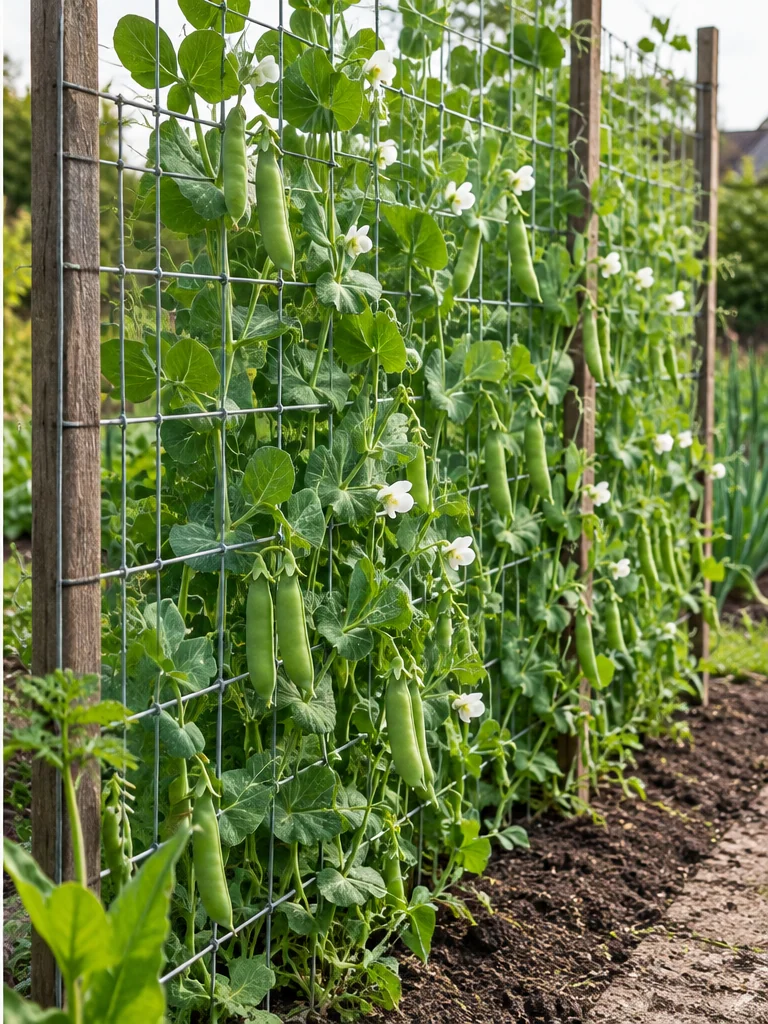
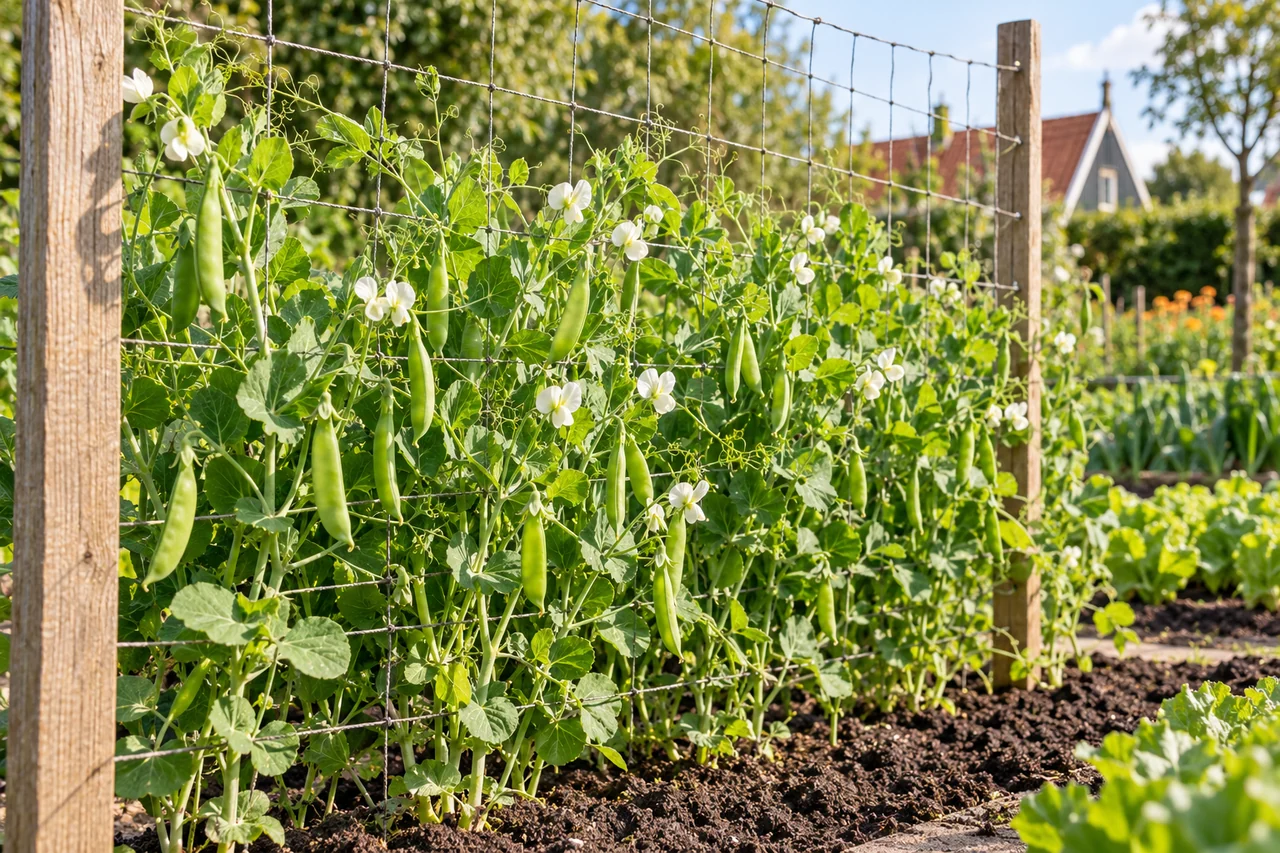
Put supports in place before the shoots tumble together. Short cultivars can use twiggy sticks; tall plants need a sturdy frame. Tendrils grasp something thin. A smooth, thick post alone does not give every cultivar a good route upwards.
Let the roots work undisturbed
Choose sun and good drainage and remove persistent weeds before starting. Heavy nitrogen feeding is not standard practice; assess the existing soil. Work shallowly around plants during growth. Keep a path clear for moisture checks and picking.
Follow flowering and pod filling
During drought, check below the soil surface, especially around flowering and young pods. Water the soil when needed. Look for loose shoots at the same time. A full green wall can hide dry soil at its base; check there too.
Yellow leaves can have several causes
Heat can quickly age a late crop. Wet soil, root problems or pests and diseases can also cause yellowing. Examine the pattern, soil and growth stage before treating. White fungal patches or feeding damage call for targeted identification. Keep monitoring the row after an intervention.
Pick filled seeds while they are tender
Feel a pod and open a test one. Harvest before the peas become hard and mealy. Support the stalk and work steadily from both sides. Chill and process the harvest promptly. Freshness matters; leaving a full basket somewhere warm does not help quality.
Pick regularly during the harvest stage, including behind the leaves. An old, full pod can go unnoticed while the visible side looks young. Record the first and last picking dates to fit the next early round to your available time.