
Puntarelle
Puntarelle
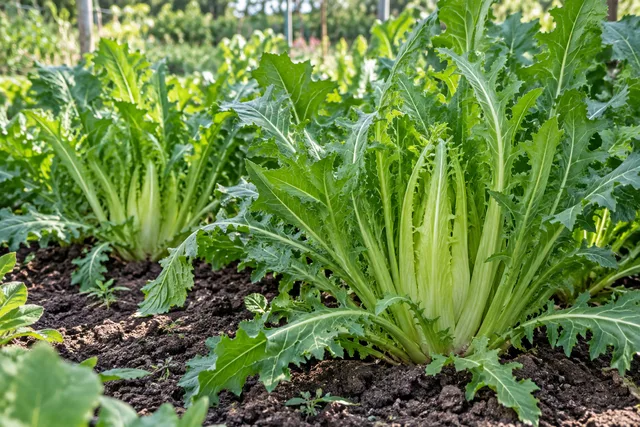
This image was created with AI from described plant characteristics and growing advice. It shows a possible situation and is not a photograph of a verified cultivar.
- Botanical name
- Cichorium intybus
- Botanical group
- Cichorium intybus
- Harvest aim
- Swollen inner shoots
- Cultivation risk
- Sowing too early can encourage bolting
This growing advice helps you choose. Your variety, growth stage, weather and conditions in your space determine the actual timing.
Sowing under cover and raising seedlings
Start under cover in cool conditions or sow directly · Puntarelle
June–July for many autumn typesSow thinly in modules and follow the specific cultivar period.
- Germination and temperature
- Allow even germination; avoid cold stress during early propagation.
- After emergence
- Keep emerged lettuce bright and well ventilated; prevent high greenhouse temperatures and drying out.
- Pricking out and potting on
- Sow in modules or prick out manageable seedlings into individual cells. Keep the root ball intact when planting out.
- Hardening off and planting out
- Gradually acclimatise indoor-raised plants to sun, wind and outdoor temperatures; shelter them again on cold nights. Plant out sturdy young plants; keep the growing point clear and protect against slugs and snails.
These types have different cultivar windows. Early cold can encourage bolting; summer sowing is the usual route for many autumn types.
Sources and use
RHS · cichorei ↗Britse teeltrichtlijn voor een gematigd klimaat; de genoemde perioden zijn richtlijnen voor Nederland en Vlaanderen.
Feggies · Puntarelle di Galatina (Cichorium intybus) – biologische zaden ↗Nederlandse producent of teeltbron; de rasinstructie blijft leidend.
Association Kokopelli · Catalogna Puntarelle Di Galatina ↗Soort- of productgebonden bron; buitenlandse perioden zijn geen vaste Nederlandse zaaidatum.
Guideline periods for the Netherlands and Flanders. Check the variety, available light, soil and measured temperatures. Greenhouse heating does not guarantee enough winter light.
A different flavour, a different harvest.
Choose by more than the name. Discover how these varieties and crop types taste, what you can use them for and what growing them involves.
1 of 1 choices · 1 named varieties
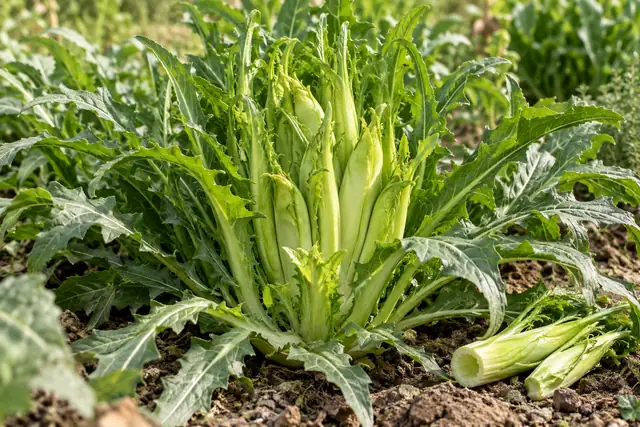
This image was created with AI from described plant characteristics and growing advice. It shows a possible situation and is not a photograph of a verified cultivar.
Di Galatina
Di Galatina is grown for a compact leafy head with firm, light green inner shoots. This harvested part distinguishes puntarelle from ordinary head lettuce.
Choose this variety to discover a different chicory harvest. Puntarelle is botanically neither a new lettuce nor asparagus species.
Flavour, kitchen and growing
How does it taste?
The source gives no distinctive Di Galatina aroma. Chicory-like bitterness is crop information, not a proven variety difference.
This flavour description applies to the crop; there is no separate tasting result for this variety.In the kitchen
Slice the shoots into fine strips for a salad. Prepare leaves and thicker shoots separately if needed, so that each has a suitable texture.
A space in the garden
Give a head enough room and maintain steady growth. Assess shoot development on the plant rather than following a general lettuce calendar.
Harvesting
Harvest inner shoots once firm and usable. Picking only individual young leaves does not give the same puntarelle harvest.
Also listed as: Puntarelle di Galatina.
Read the source notes →Choose your way to grow
From a garden bed to a suitable pot or support: give your plant a place that suits your garden and the care you can provide.
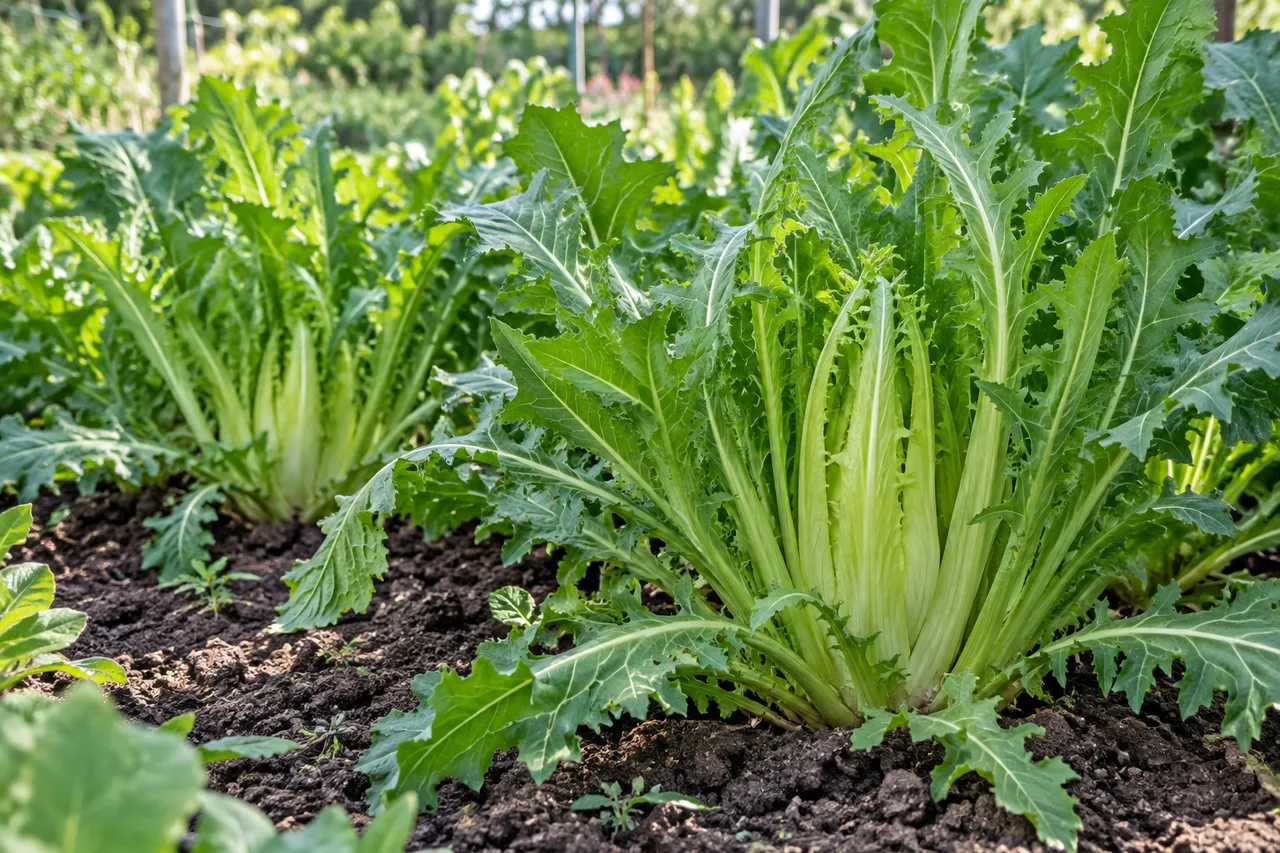
This image was created with AI from described plant characteristics and growing advice. It shows a possible situation and is not a photograph of a verified cultivar.
Heads and shoots in a bed
Grow Di Galatina steadily; plant with room for a head; harvest firm inner shoots according to development.
- Grow Di Galatina on steadily.
- Plant with room for a head.
- Harvest firm inner shoots according to development.
For separate plants whose inner shoots you want to monitor specifically.
Tick off your supplies →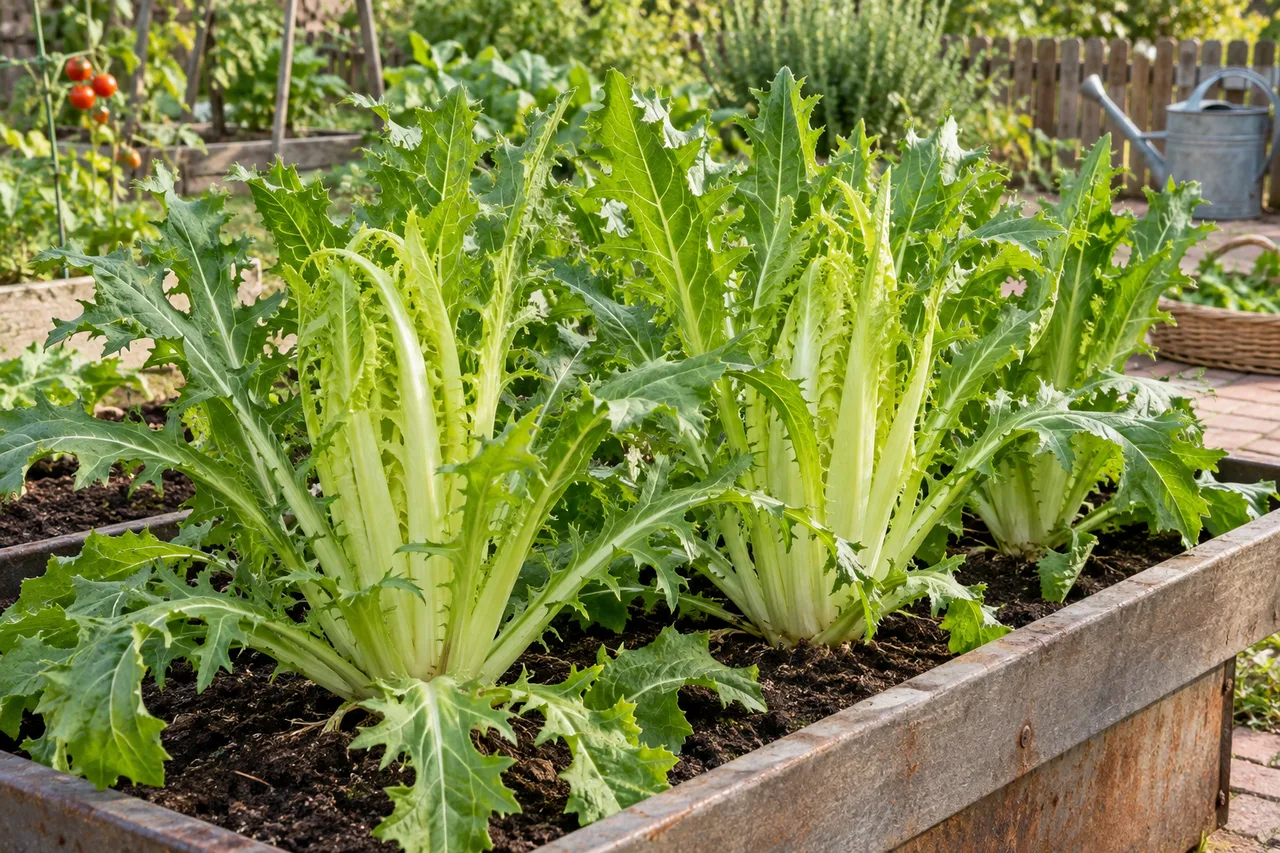
This image was created with AI from described plant characteristics and growing advice. It shows a possible situation and is not a photograph of a verified cultivar.
A trial head in a deep container
Use a deep, free-draining container; allow one plant space; keep growth even and assess the inner shoots.
- Use a deep, free-draining container.
- Give a plant space.
- Keep growth even and assess the inner shoots.
For one limited shoot trial with sufficient root and leaf space.
Tick off your supplies →Explore the varieties
See the confirmed differences. Characteristics without supporting evidence are left blank.
0 of 0 varieties
No matching variety found. Try another name or clear the filters.
Choose two to four varieties to compare their source data side by side.
Choose by flavour, shape and use
Di Galatina: Di Galatina is grown for a compact leafy head with firm, light green inner shoots. This harvested part distinguishes puntarelle from ordinary head lettuce. Slice the shoots into fine strips for a salad. Prepare leaves and thicker shoots separately if needed, so that each has a suitable texture.
The source gives no distinctive Di Galatina aroma. Chicory-like bitterness is crop information, not a proven variety difference.
Chicory for inner shoots
Puntarelle is a Cichorium intybus form. Di Galatina has long green outer leaves and characteristic thick inner shoots, offering a different kitchen choice from ordinary salad leaves. It is neither asparagus nor chicory roots forced for pale heads in darkness.
An accessible shoot crop bed
Choose sun and loose, draining soil. Allow individual development. Beds display inner shoots when looking past outer leaves. Deep containers allow limited trials if every plant has space and soil remains reachable.
Not too early for the intended harvest
Kokopelli warns early sowing encourages bolting. Timing also depends on offered selection and local conditions. Follow packets and record dates. Sow little to assess whether plants truly make shoots instead of only quick flower stems.
Sufficient space around every plant
The producer gives about thirty centimetres between mature plants. Crumble soil first and clear large weeds. Containers need draining growing media and watering margins. Filling beds with seedlings looks efficient but obscures later structure and targeted harvests.
Regular moisture and targeted observation
Care for the crop evenly and prevent prolonged drying of the root zone. Kokopelli mentions regular watering and moisture-retentive mulch as options. Inspect the plant’s heart at the same time. A new long leaf and a thickened inner shoot are different developments; learn to distinguish them for the intended harvest.
Shoot crop bed or deep container
Shoot beds suit observing several plants and harvesting one trial specimen; deep containers suit a few near the kitchen. Use the same seed choice for comparisons. Growing method does not itself change crop type or proven variety name.
Watch the inner development
At harvest, mainly assess whether the inner shoots are sufficiently developed for your preparation. Take a small portion for a first trial and examine the outer leaf texture too. Record how the plant looked. This creates your own useful harvest reference without promising one fixed calendar stage for all gardens.
Taste crisp chicory separately
Puntarelle belongs to bitter-toned chicories. Inner shoots give salad crunch; outer leaves need separate assessment. Start simply and taste parts alone. This explains the chosen form and why arbitrary forcing-chicory or radicchio photos would misrepresent growing.
What you need
Tick what you already have. The extras depend on how you grow.
0 of 5 ticked off
Your ticks are saved in this browser.
Discover and grow more
More background, sources and image information
SeedSteps editorial team · updated on 11 October 2026. The AI images illustrate species and practical growing situations; they do not prove an exact cultivar, observations from your own garden or yield.
Britse gewasadviezen worden gecombineerd met Nederlandse en Vlaamse informatie waar beschikbaar. Amerikaanse Extension-bronnen ondersteunen plantprincipes en herkenning; hun kalenderdata, lokale plaagdruk, bestrijdingsmiddelen en mestdoseringen worden niet rechtstreeks op Nederland of Vlaanderen toegepast. Vorst, bodemwarmte, standplaats en expliciete rasinformatie blijven de lokale controle. Commerciële bronnen onderbouwen uitsluitend benoemde ras- en plantkenmerken; zij zijn geen affiliate-aanbeveling.
- World Checklist of Vascular Plants — 4 juni 2026Royal Botanic Gardens, Kew · accessed 2026-10-07
- Puntarelle di Galatina (Cichorium intybus) – biologische zadenFeggies · accessed 2026-10-11
- Catalogna Puntarelle Di GalatinaAssociation Kokopelli · accessed 2026-10-11
- Chicory: growing guideRoyal Horticultural Society · accessed 2026-10-11
Supporting evidence by chapter: Choose by flavour, shape and use: Feggies. Chicory for inner shoots: Feggies, Association Kokopelli, Royal Horticultural Society. An accessible shoot crop bed: Feggies, Association Kokopelli, Royal Horticultural Society. Not too early for the intended harvest: Feggies, Association Kokopelli, Royal Horticultural Society. Sufficient space around every plant: Feggies, Association Kokopelli, Royal Horticultural Society. Regular moisture and targeted observation: Feggies, Association Kokopelli, Royal Horticultural Society. Shoot crop bed or deep container: Feggies, Association Kokopelli, Royal Horticultural Society. Watch the inner development: Feggies, Association Kokopelli, Royal Horticultural Society. Taste crisp chicory separately: Feggies, Association Kokopelli, Royal Horticultural Society.