
Natacha: een plek in jouw tuin
Ontdek Natacha en kies hoe je andijvie wilt kweken. Hieronder staan de bevestigde rasgegevens en de praktische teeltgids voor deze groente.
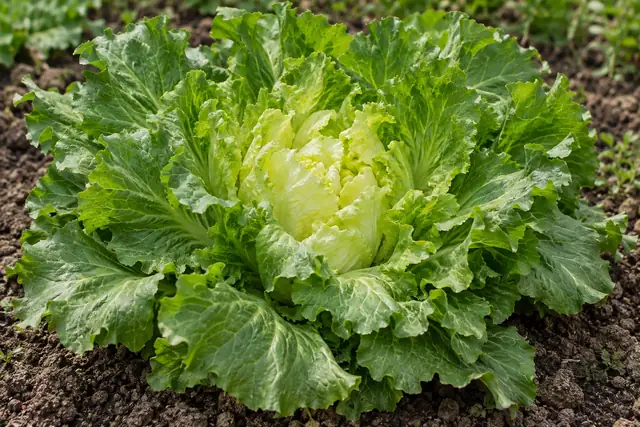
This image was created with AI from described plant characteristics and growing advice. It shows a possible situation and is not a photograph of a verified cultivar.
- Growing
- Leaves or a whole head
- Sowing
- Late spring and summer; depends on cultivar
- Location
- Sun, with light shade in heat
- Water
- Consistently moist
This growing advice helps you choose. Your variety, growth stage, weather and conditions in your space determine the actual timing.
Sowing under cover and raising seedlings
Start under cover in cool conditions or sow directly · Endive
June–July for many autumn typesSow thinly in modules and follow the specific cultivar period.
- Germination and temperature
- Allow even germination; avoid cold stress during early propagation.
- After emergence
- Keep emerged lettuce bright and well ventilated; prevent high greenhouse temperatures and drying out.
- Pricking out and potting on
- Sow in modules or prick out manageable seedlings into individual cells. Keep the root ball intact when planting out.
- Hardening off and planting out
- Gradually acclimatise indoor-raised plants to sun, wind and outdoor temperatures; shelter them again on cold nights. Plant out sturdy young plants; keep the growing point clear and protect against slugs and snails.
These types have different cultivar windows. Early cold can encourage bolting; summer sowing is the usual route for many autumn types.
Sources and use
RHS · cichorei ↗Britse teeltrichtlijn voor een gematigd klimaat; de genoemde perioden zijn richtlijnen voor Nederland en Vlaanderen.
Royal Horticultural Society · Andijvie kweken ↗Soort- of productgebonden bron; buitenlandse perioden zijn geen vaste Nederlandse zaaidatum.
Feggies · Krulandijvie uit Ruffec zaden biologisch ↗Nederlandse producent of teeltbron; de rasinstructie blijft leidend.
Guideline periods for the Netherlands and Flanders. Check the variety, available light, soil and measured temperatures. Greenhouse heating does not guarantee enough winter light.
How to grow endive
The options below belong to the plant. From these, choose the method that suits your variety's growth habit.
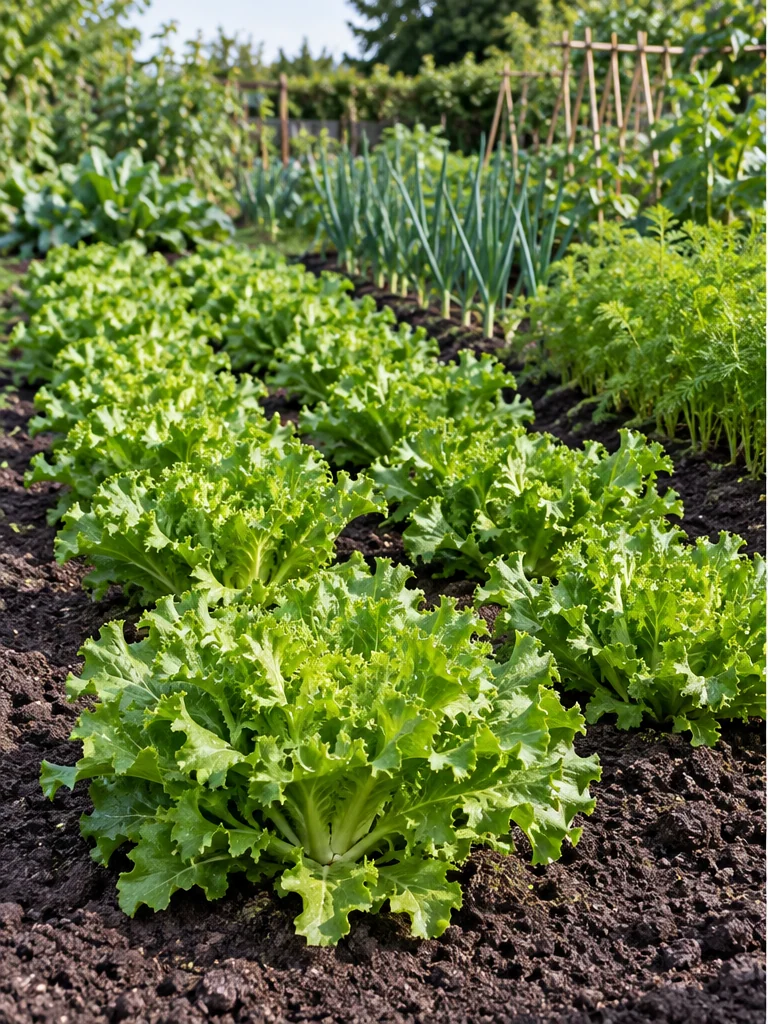
This image was created with AI from described plant characteristics and growing advice. It shows a possible situation and is not a photograph of a verified cultivar.
Heads in a garden bed
Spaced rows allow room for mature endive.
- Sow thinly or use young module plants.
- Thin to the head spacing for your variety.
- Keep the growing heart above ground and harvest by the head.
For fresh heads in summer and autumn.
Tick off your supplies →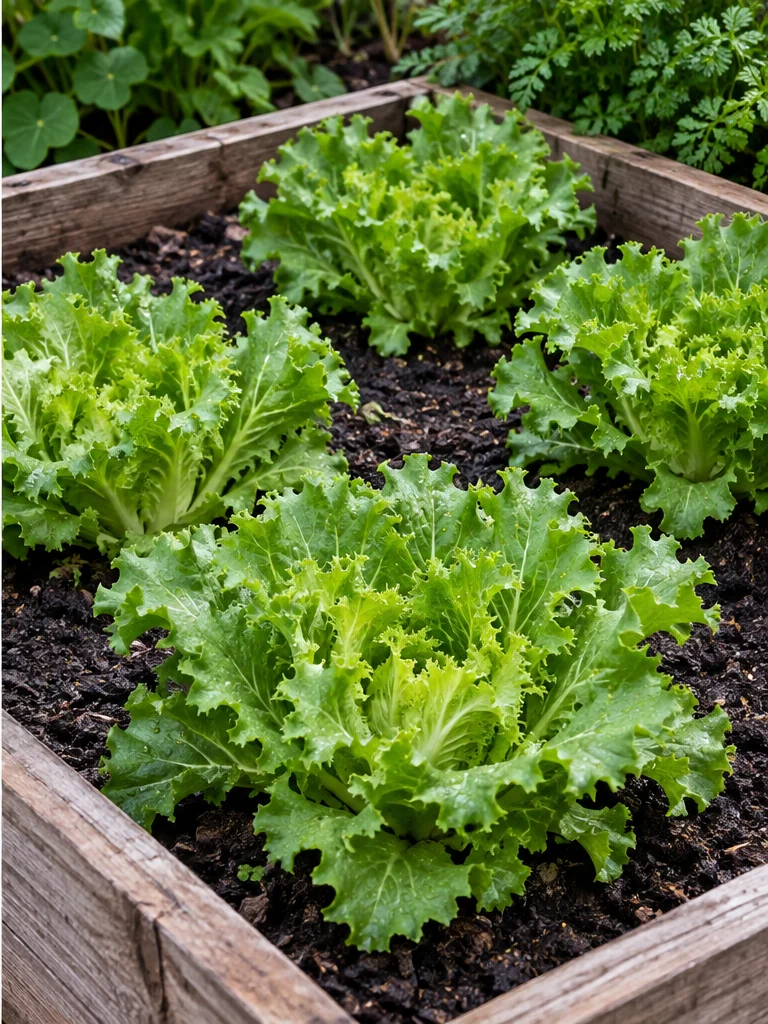
This image was created with AI from described plant characteristics and growing advice. It shows a possible situation and is not a photograph of a verified cultivar.
Short row in a large container
An accessible container makes small harvests simple.
- Use a container with drainage and suitable potting compost.
- Sow a small portion and give seedlings space.
- Check moisture especially along sunny edges.
For a balcony or kitchen near the garden.
Tick off your supplies →Choose by flavour, shape and use
Ruffec: Ruffec is curly endive with deeply cut leaves. Fleshy ribs give more structure than fine cutting lettuce. Slice finely for a substantial salad or use in mashed potato. Ribs and thin leaf parts differ in texture.
Endive generally has a recognisable bitterness. The source gives no separate flavour comparison between Ruffec and other endive cultivars.
Namen: This old Belgian selection forms a full curly endive rosette. The heart becomes paler than the outer leaves as it develops. Mix finely sliced heart leaves with firmer outer leaves in salad. Use the healthy whole rosette for mashed potato.
The usual endive bitterness belongs to the crop. A distinct aroma profile or fixed bitterness ranking for Namen is not substantiated.
Curly endive: A leaf type within endive, not an extra variety beside Ruffec and Namen. Open curls define appearance. Use fine curls as a light salad base; larger leaves suit cooked dishes welcoming firmness.
The flavour description applies to endive as a crop. This broad type designation does not justify a distinct cultivar-specific flavour promise.
Broad leaves or fine curls
Broad-leaved endive forms firm loose heads suited to cooking. Curly endive is more finely cut and often used younger. Match variety and season. Winter names do not make every seedling hardy against severe frost regardless of growth.
Sow small portions at different times
Sowing a whole row together often gives simultaneous harvests. Divide a small area into successive rounds. Late spring and summer offer useful conditions; early growing needs a suitable variety. Schedule time to harvest heads before ageing.
Germinate warm enough, then grow on in good light
Sow thinly in a fine, moist seedbed or seed-compost modules. Endive germinates better with enough warmth; cold raising can trigger later bolting. Keep moist without enclosing a soaking tray. After emergence, provide abundant light and room for sturdy growth.
Leave the heart clear
Move raised seedlings with root balls and acclimatise gradually outdoors. Plant no deeper than modules, leaving central leaves free. Thin direct sowings by variety advice; crowded heads dry poorly after rain and remain smaller.
Retaining moisture with good drainage
Endive likes fertile soil that does not continually dry. Mature compost helps poor or fast-drying ground. Use freely draining compost in containers. Feed only as soil requires. Keep fresh strong manure off young roots and leave access.
Look beneath the leaves during dry days
Surfaces can look dry while roots remain moist. Check before watering soil. Light shade can help in strong summer heat. Weed gently, simultaneously checking slugs on outer leaves and moist head centres.
A flower stalk is a signal to act
Longer days, cold or drought stress can steer the plant towards flowering. Cutting off the flower stem will not turn a bolting head into a new tender one. Use any usable leaves and plan a new small sowing. If you want to blanch inner leaves, do so only shortly before harvest with dry foliage; trapped wet leaves can rot.
Harvest fresh and use the head promptly
Cut mature heads at bases or pick outer leaves while centres grow. Wash carefully and drain. Endive remains a fresh leaf crop: cooling helps but long storage reduces crispness. Prefer harvesting near-term needs over every head in one day.
What you need
Tick what you already have. The extras depend on how you grow.
0 of 6 ticked off
Your ticks are saved in this browser.
Discover and grow more
More background, sources and image information
SeedSteps editorial team · updated on 11 October 2026. The AI images illustrate species and practical growing situations; they do not prove an exact cultivar, observations from your own garden or yield.
Britse gewasadviezen worden gecombineerd met Nederlandse en Vlaamse informatie waar beschikbaar. Amerikaanse Extension-bronnen ondersteunen plantprincipes en herkenning; hun kalenderdata, lokale plaagdruk, bestrijdingsmiddelen en mestdoseringen worden niet rechtstreeks op Nederland of Vlaanderen toegepast. Vorst, bodemwarmte, standplaats en expliciete rasinformatie blijven de lokale controle. Commerciële bronnen onderbouwen uitsluitend benoemde ras- en plantkenmerken; zij zijn geen affiliate-aanbeveling.
- World Checklist of Vascular Plants — 4 juni 2026Royal Botanic Gardens, Kew · accessed 2026-10-07
- Common catalogue of varieties of vegetable species — 27 januari 2023Europese Commissie · accessed 2026-10-07
- Krulandijvie uit Ruffec zaden biologischFeggies · accessed 2026-10-11
- Kruldandijvie uit Namen zaden biologischFeggies · accessed 2026-10-11
- Growing Leafy Greens in IowaIowa State University Extension · accessed 2026-10-08
- Growing lettuce, endive and radicchio in home gardensUniversity of Minnesota Extension · accessed 2026-10-08
- Andijvie kwekenRoyal Horticultural Society · accessed 2026-10-10
Supporting evidence by chapter: Choose by flavour, shape and use: Feggies, Feggies. Broad leaves or fine curls: Royal Horticultural Society, University of Minnesota Extension, Iowa State University Extension. Sow small portions at different times: Royal Horticultural Society, University of Minnesota Extension, Iowa State University Extension. Germinate warm enough, then grow on in good light: Royal Horticultural Society, University of Minnesota Extension, Iowa State University Extension. Leave the heart clear: Royal Horticultural Society, University of Minnesota Extension, Iowa State University Extension. Retaining moisture with good drainage: Royal Horticultural Society, University of Minnesota Extension, Iowa State University Extension. Look beneath the leaves during dry days: Royal Horticultural Society, University of Minnesota Extension, Iowa State University Extension. A flower stalk is a signal to act: Royal Horticultural Society, University of Minnesota Extension, Iowa State University Extension. Harvest fresh and use the head promptly: Royal Horticultural Society, University of Minnesota Extension, Iowa State University Extension.