
Brussels sprouts: a sturdy stem full of little winter cabbages
Brussels sprouts form one by one in the leaf axils of a tall stem. They need a long season, with harvest extending into the cooler months. Pick the lower ripe sprouts while those higher up keep growing.
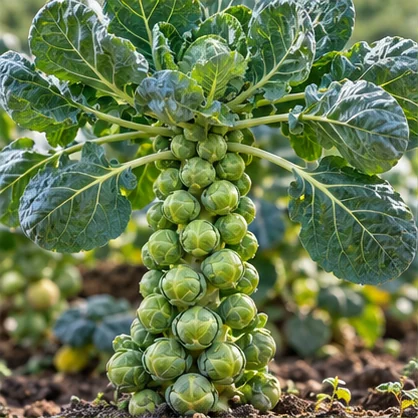
This image was created with AI from described plant characteristics and growing advice. It shows a possible situation and is not a photograph of a verified cultivar.
- Sowing
- Spring; the precise window depends on variety
- Harvesting
- Autumn and winter with suitable varieties
- Location
- Sun, fertile firm soil
- Space
- Often about 60 cm; follow cultivar guidance
This growing advice helps you choose. Your variety, growth stage, weather and conditions in your space determine the actual timing.
Sowing under cover and raising seedlings
Start under cover in cool conditions in modules or a seedbed · Brussels sprouts
March–AprilStart under cover in cool, bright conditions.
- Germination and temperature
- Germinate under cover, then grow on in cool, bright, well-ventilated conditions; avoid a hot growing space.
- After emergence
- Give seedlings light immediately after emergence. A dark loft needs suitable grow lights; warmth alone is insufficient. Ventilate and keep the compost moist without saturating it.
- Pricking out and potting on
- Sow in modules or prick out manageable young plants. Let the root ball firm up without a check in growth.
- Hardening off and planting out
- Gradually acclimatise indoor-raised plants to sun, wind and outdoor temperatures; shelter them again on cold nights. Plant out sturdy young brassicas and protect against cabbage root fly and caterpillars where needed.
Brussels sprouts need a long season. Choose the cultivar for an early, autumn or winter harvest and start according to that schedule.
Sources and use
Royal Horticultural Society · RHS — spruitkool kweken ↗Soort- of productgebonden bron; buitenlandse perioden zijn geen vaste Nederlandse zaaidatum.
University of Minnesota Extension · UMN Extension — spruitkool in de moestuin ↗Soort- of productgebonden bron; buitenlandse perioden zijn geen vaste Nederlandse zaaidatum.
Guideline periods for the Netherlands and Flanders. Check the variety, available light, soil and measured temperatures. Greenhouse heating does not guarantee enough winter light.
A different flavour, a different harvest.
Choose by more than the name. Discover how these varieties and crop types taste, what you can use them for and what growing them involves.
3 of 3 choices · 3 named varieties
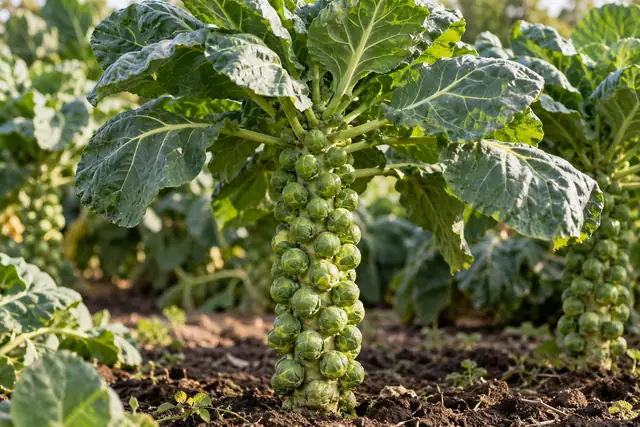
This image was created with AI from described plant characteristics and growing advice. It shows a possible situation and is not a photograph of a verified cultivar.
Groninger
Groninger is described with many small, firm sprouts along the stem. It suits a winter-focused Brussels sprout bed.
Choose Groninger when small sprouts and a longer winter schedule matter. Cold tolerance still depends on weather and position.
Flavour, kitchen and growing
How does it taste?
The source gives no distinct Groninger aroma. Ordinary Brussels sprout flavour is distinguished from the confirmed small, firm structure.
This flavour description applies to the crop; there is no separate tasting result for this variety.In the kitchen
Use small sprouts whole or halve them for brief frying. A modest picking can provide exactly a meal.
A space in the garden
Start early enough to develop a good stem before winter. Give each plant room for leaves and sprout formation.
Harvesting
Pick usable, firm sprouts along the stem in portions. Check upper sprouts later if still smaller.
Read the source notes →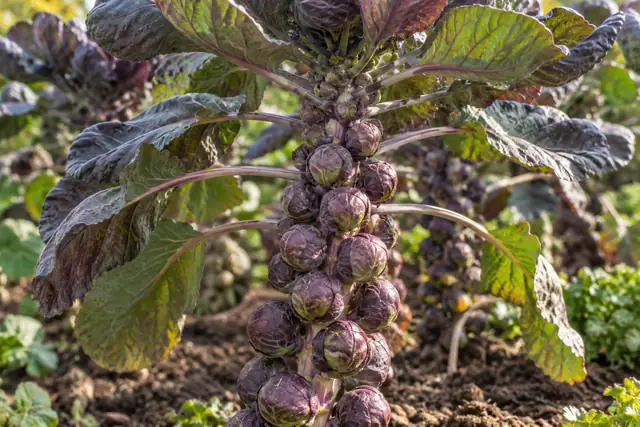
This image was created with AI from described plant characteristics and growing advice. It shows a possible situation and is not a photograph of a verified cultivar.
Rubine
Rubine brings reddish sprouts and leaves to the cabbage bed. The product source describes later development than a quick green harvest.
Choose Rubine for colour and when you have enough time for a later cultivar. Planning for winter calls for space and patience.
Flavour, kitchen and growing
How does it taste?
A separate red Brussels sprout aroma is not confirmed. Colour is a selection criterion, not evidence of sweeter flavour.
This flavour description applies to the crop; there is no separate tasting result for this variety.In the kitchen
Cook the coloured sprouts or compare a small portion with green sprouts. Colour retention is not guaranteed.
A space in the garden
Start raising plants in good time and give them room to grow. Leave contradictory absolute frost claims out of the plan and follow the local weather.
Harvesting
Harvest firm sprouts at usable size. Sprouts along one stem need not all be ready together.
Read the source notes →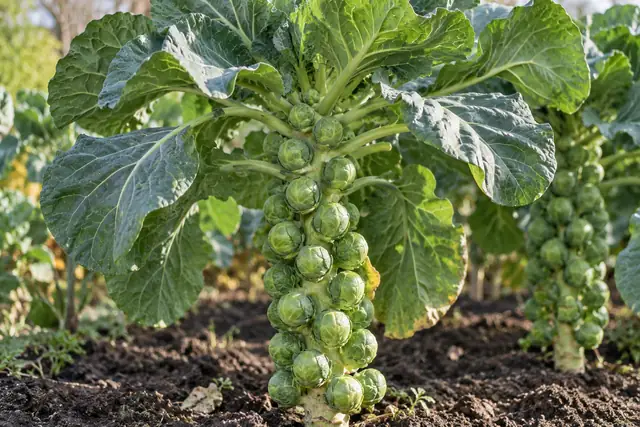
This image was created with AI from described plant characteristics and growing advice. It shows a possible situation and is not a photograph of a verified cultivar.
Darkmar
Darkmar is also called Darkmar 21 in the description. The source emphasises a sturdy plant with medium-sized, even sprouts.
Choose Darkmar when a more even sprout size is wanted. The two listings are linked here as a name and a descriptive alias.
Flavour, kitchen and growing
How does it taste?
The product source gives no distinct Darkmar aroma. General flavour change after cold is not presented as an exclusive cultivar fact.
This flavour description applies to the crop; there is no separate tasting result for this variety.In the kitchen
Use sprouts whole or halved in cooking. An even size can help them cook at the same rate.
A space in the garden
Plan longer growth into late season and keep soil moist during stem development. Give the sturdy plant enough room.
Harvesting
Pick firm sprouts at the desired size and let smaller ones develop further. Check the crop more often during major changes in the weather.
Also listed as: Darkmar 21.
Read the source notes →Choose your way to grow
From a garden bed to a suitable pot or support: give your plant a place that suits your garden and the care you can provide.
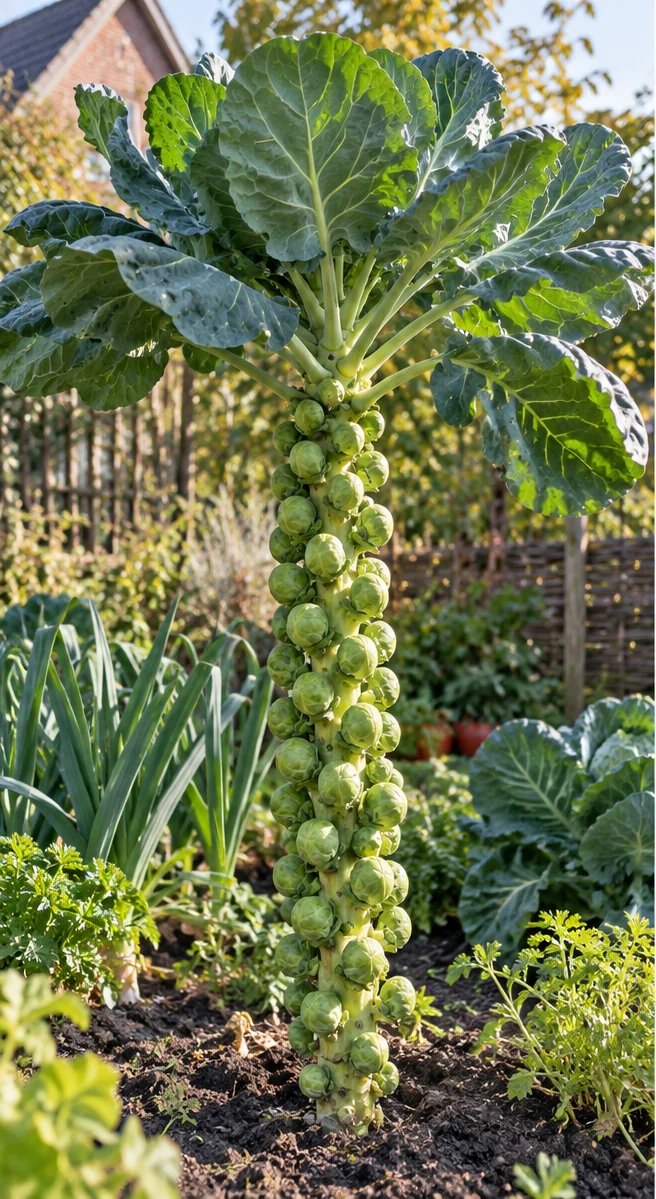
This image was created with AI from described plant characteristics and growing advice. It shows a possible situation and is not a photograph of a verified cultivar.
A row that remains all season
Brussels sprouts suit a permanent cabbage bed you can spare for a long time. Firm soil around the plant and ensure you can pick along the stem without damaging neighbouring foliage.
- Start indoors in spring.
- Plant sturdy young plants at the variety's spacing.
- Support a tall, heavy plant if wind loosens it.
For a garden where you also want autumn and winter harvests.
Tick off your supplies →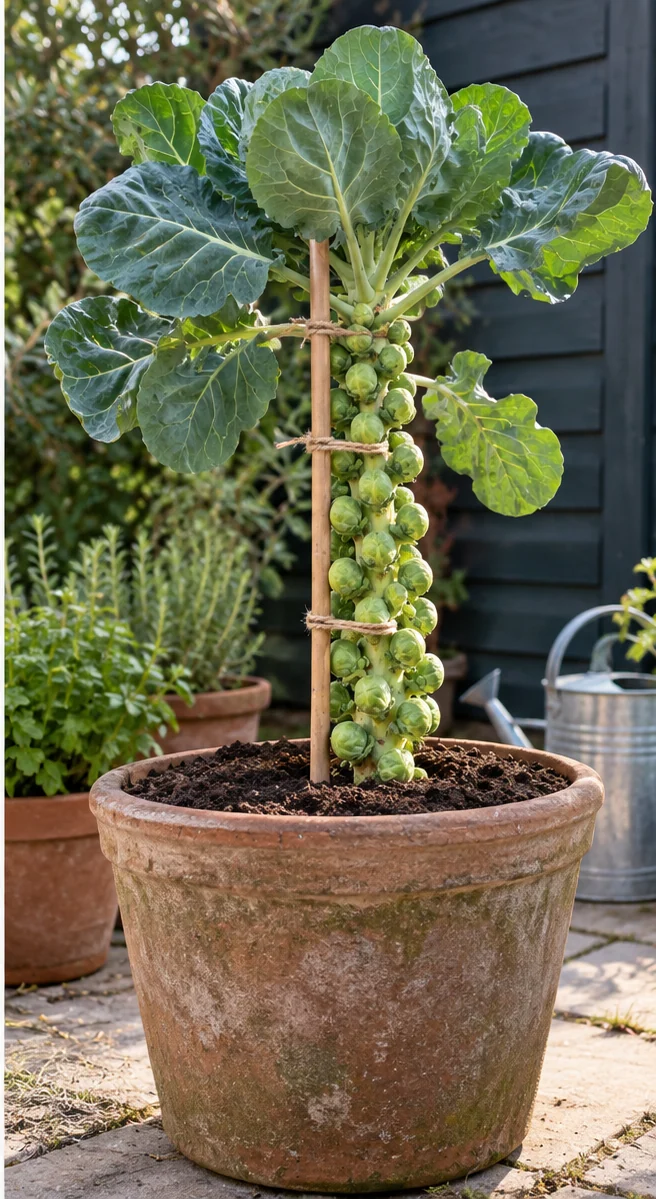
This image was created with AI from described plant characteristics and growing advice. It shows a possible situation and is not a photograph of a verified cultivar.
A compact variety in a large container
A compact sprout variety can grow in a large pot with drainage holes. One plant needs much root space and stays for a long time. Provide stability, moisture and light; do not add extra plants.
- Choose a confirmed compact variety.
- Place one plant in a large, deep pot.
- Check moisture and support as the main stem becomes heavy.
For a sunny patio with room for a long-running crop.
Tick off your supplies →Explore the varieties
See the confirmed differences. Characteristics without supporting evidence are left blank.
8 of 8 varieties
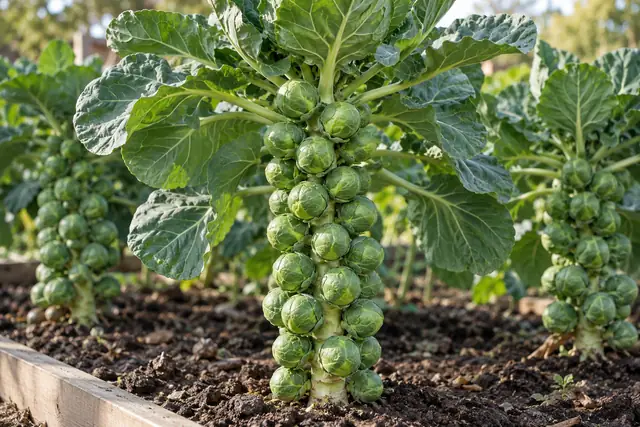
This image was created with AI from described plant characteristics and growing advice. It shows a possible situation and is not a photograph of a verified cultivar.
Abacus
Explore this variety and use the growing guide to choose a place for your plant.
View variety →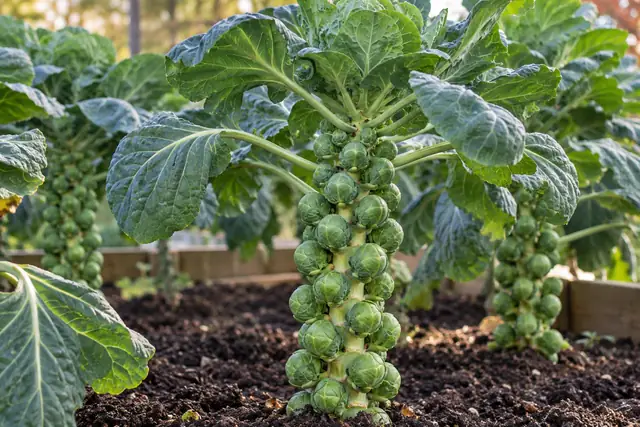
This image was created with AI from described plant characteristics and growing advice. It shows a possible situation and is not a photograph of a verified cultivar.
Brodie
Explore this variety and use the growing guide to choose a place for your plant.
View variety →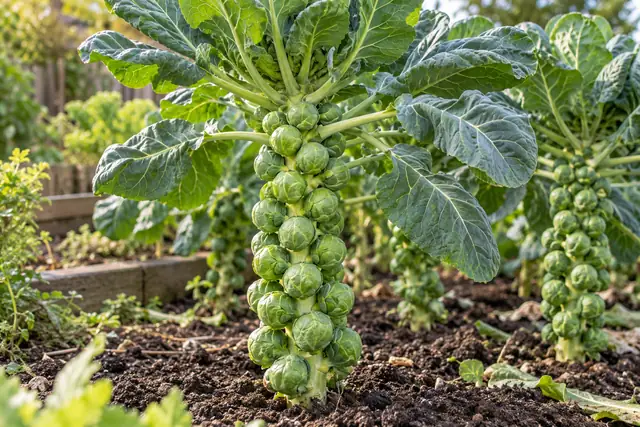
This image was created with AI from described plant characteristics and growing advice. It shows a possible situation and is not a photograph of a verified cultivar.
Clodius
Explore this variety and use the growing guide to choose a place for your plant.
View variety →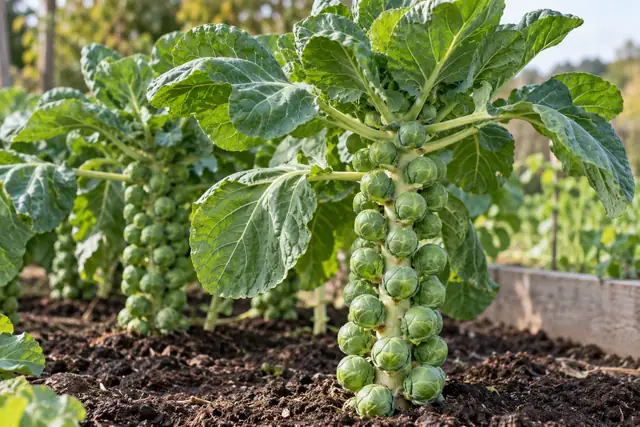
This image was created with AI from described plant characteristics and growing advice. It shows a possible situation and is not a photograph of a verified cultivar.
Crispus
Explore this variety and use the growing guide to choose a place for your plant.
View variety →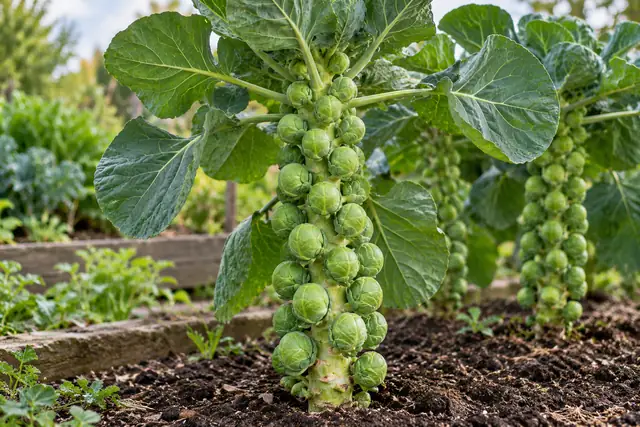
This image was created with AI from described plant characteristics and growing advice. It shows a possible situation and is not a photograph of a verified cultivar.
Doric
Explore this variety and use the growing guide to choose a place for your plant.
View variety →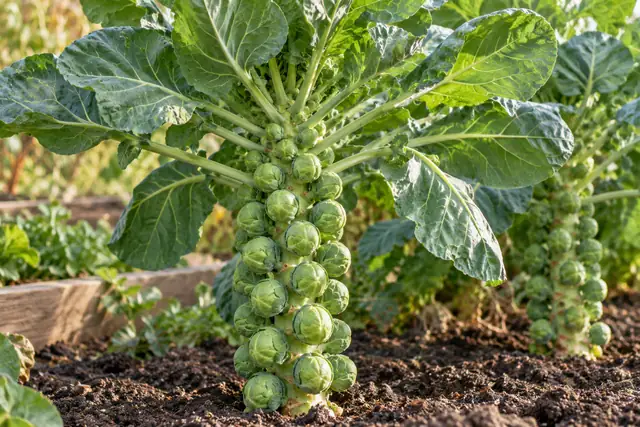
This image was created with AI from described plant characteristics and growing advice. It shows a possible situation and is not a photograph of a verified cultivar.
Igor
Explore this variety and use the growing guide to choose a place for your plant.
View variety →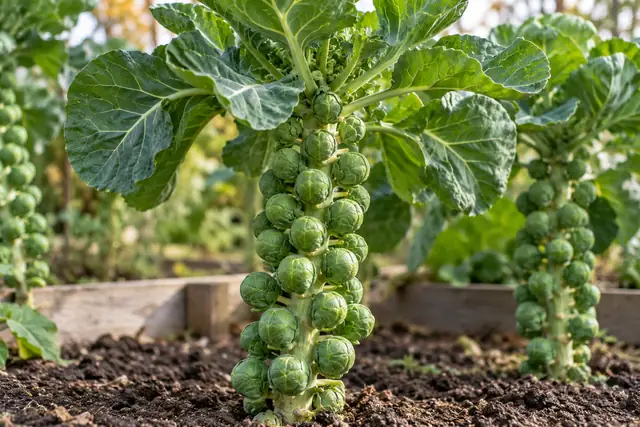
This image was created with AI from described plant characteristics and growing advice. It shows a possible situation and is not a photograph of a verified cultivar.
Marte
Explore this variety and use the growing guide to choose a place for your plant.
View variety →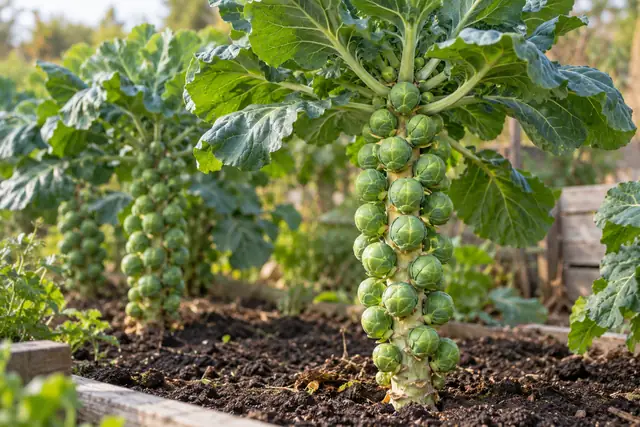
This image was created with AI from described plant characteristics and growing advice. It shows a possible situation and is not a photograph of a verified cultivar.
Maximus
Explore this variety and use the growing guide to choose a place for your plant.
View variety →Choose two to four varieties to compare their source data side by side.
Choose by flavour, shape and use
Groninger: Groninger is described as having many small, firm sprouts along the stem. The offering suits a winter-focused Brussels sprout bed. Use small sprouts whole or halve them for brief frying. A modest picking can provide exactly a meal.
The source gives no distinct Groninger aroma. Ordinary Brussels sprout flavour is distinguished from the confirmed small, firm structure.
Rubine: Rubine brings reddish sprouts and leaves to the cabbage bed. The product source describes later development than a quick green harvest. Cook the coloured sprouts or compare a small portion with green sprouts. Colour retention is not guaranteed.
A separate red Brussels sprout aroma is not confirmed. Colour is a selection criterion, not evidence of sweeter flavour.
Darkmar: Also called Darkmar 21 in the description. The source emphasises sturdy plants with medium, even sprouts. Cook whole or halved. Even sizing can help achieve matching doneness.
The product source gives no distinct Darkmar aroma. General flavour change after cold is not presented as an exclusive cultivar fact.
Winter harvest starts in spring
Brussels sprouts need a long growing season. Sow a cultivar in time and reserve the space well before winter. Early and late cultivars spread the harvest; a name or picture alone does not say when they are ready.
A tall plant needs a sturdy base
Choose a sunny position with fertile soil draining after rain. Firm soil around the root ball. A plant rocking in wind can suffer root damage and struggle to maintain even growth.
Do not let the young plant stall
Sow in separate modules and provide plenty of light after emergence. Keep the root ball moist and move before the pot becomes too small. Gradually introduce outdoor sun and wind for a gentler transition to the bed.
Leave room for the large leaves
Plant sturdy seedlings with the variety's spacing. About sixty centimetres is often a useful scale, but large varieties may need more. Water immediately and prevent insect mesh lying tightly on leaves.
Monitor the stem and root zone
Water during drought, especially while sprouts develop. Support a heavy plant in wind with a stake and soft tie. Do not simply remove every leaf; healthy leaves help growth.
The sprouts appear from bottom to top
Look for closed, firm buds in the lower leaf axils. Higher sprouts may still be smaller. Topping is not required for every variety or crop; acting too early limits further growth.
Loose sprouts and chewed leaves
Growth stress, insufficient moisture or unsuitable timing can reduce quality. Check caterpillars, aphids and root problems too. Protect early with mesh and do not simply treat a seriously abnormal root as a feeding issue.
Pick firm sprouts first
Harvest sprouts when closed and firm, working gradually upwards. Handle a frozen plant carefully and preferably wait for it to thaw. A winter cultivar tolerates cold better than a randomly chosen cultivar; severe frost can still cause damage.
Pick shortly before cooking
Fresh sprouts are best soon after harvest. Keep a picked portion cool and use damaged ones first. Freeze large supplies following reliable guidance; do not plan only a single complete harvest.
What you need
Tick what you already have. The extras depend on how you grow.
0 of 5 ticked off
Your ticks are saved in this browser.
Discover and grow more
More background, sources and image information
SeedSteps editorial team · updated on 11 October 2026. The AI images illustrate species and practical growing situations; they do not prove an exact cultivar, observations from your own garden or yield.
Britse gewasadviezen worden gecombineerd met Nederlandse en Vlaamse informatie waar beschikbaar. Amerikaanse Extension-bronnen ondersteunen plantprincipes en herkenning; hun kalenderdata, lokale plaagdruk, bestrijdingsmiddelen en mestdoseringen worden niet rechtstreeks op Nederland of Vlaanderen toegepast. Vorst, bodemwarmte, standplaats en expliciete rasinformatie blijven de lokale controle. Commerciële bronnen onderbouwen uitsluitend benoemde ras- en plantkenmerken; zij zijn geen affiliate-aanbeveling.
- World Checklist of Vascular Plants — 4 juni 2026Royal Botanic Gardens, Kew · accessed 2026-10-07
- Spruitkool ‘Darkmar’ (Brassica oleracea) – biologische zadenFeggies · accessed 2026-10-11
- Spruitkool Groninger zadenFeggies · accessed 2026-10-11
- Spruitkool Rubine zaden biologischFeggies · accessed 2026-10-11
- RHS — spruitkool kwekenRoyal Horticultural Society · accessed 2026-10-10
- UMN Extension — spruitkool in de moestuinUniversity of Minnesota Extension · accessed 2026-10-10
Supporting evidence by chapter: Choose by flavour, shape and use: Feggies, Feggies, Feggies. Winter harvest starts in spring: Royal Horticultural Society, University of Minnesota Extension. A tall plant needs a sturdy base: Royal Horticultural Society, University of Minnesota Extension. Do not let the young plant stall: Royal Horticultural Society, University of Minnesota Extension. Leave room for the large leaves: Royal Horticultural Society, University of Minnesota Extension. Monitor the stem and root zone: Royal Horticultural Society, University of Minnesota Extension. The sprouts appear from bottom to top: Royal Horticultural Society, University of Minnesota Extension. Loose sprouts and chewed leaves: Royal Horticultural Society, University of Minnesota Extension. Pick firm sprouts first: Royal Horticultural Society, University of Minnesota Extension. Pick shortly before cooking: Royal Horticultural Society, University of Minnesota Extension.