
Asparagus: make a bed for many springs
Growing asparagus starts with planning ahead. First give the roots time to establish a strong bed, then harvest the young shoots in spring in later years. Green asparagus is the simplest option at home; white asparagus takes extra work to keep light away from the shoots.
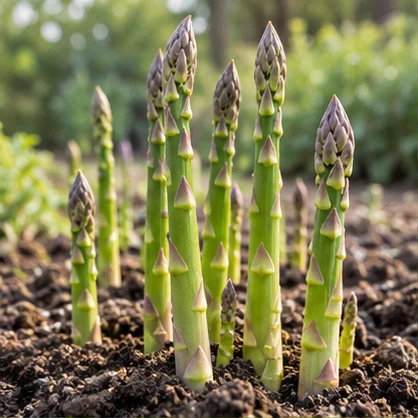
This image was created with AI from described plant characteristics and growing advice. It shows a possible situation and is not a photograph of a verified cultivar.
- Lifespan
- Perennial bed
- Start
- Young root crowns or seed
- Location
- Full sun, well-drained
- First harvest
- Only after sufficient establishment
This growing advice helps you choose. Your variety, growth stage, weather and conditions in your space determine the actual timing.
Sowing under cover and raising seedlings
Perennial growing: young plants, divisions or seed · Asparagus
Spring for suitable planting stock; follow species and supplierPlant suitable stock, crowns or divisions in workable soil. This is not a general sowing route.
- Germination and temperature
- Germination requirements differ by species. Follow the packet; germination of Good King Henry can be slow and irregular.
- After emergence
- Give emerged plants light, prevent drying out and allow a healthy root ball to develop.
- Pricking out and potting on
- Prick out seedlings only when manageable. Plant bought stock or divisions with roots intact.
- Hardening off and planting out
- Gradually acclimatise indoor-raised plants to sun, wind and outdoor temperatures; shelter them again on cold nights. Choose a suitable permanent position. Plant asparagus crowns and rhubarb divisions according to their own planting guidance.
Not all perennial plants yield a harvest in their first year. Choose healthy planting stock for a predictable start; seedlings can vary.
Sources and use
Royal Horticultural Society · Asperges kweken ↗Soort- of productgebonden bron; buitenlandse perioden zijn geen vaste Nederlandse zaaidatum.
Utah State University Extension · Asparagus in the garden ↗Soort- of productgebonden bron; buitenlandse perioden zijn geen vaste Nederlandse zaaidatum.
Guideline periods for the Netherlands and Flanders. Check the variety, available light, soil and measured temperatures. Greenhouse heating does not guarantee enough winter light.
Choose your way to grow
From a garden bed to a suitable pot or support: give your plant a place that suits your garden and the care you can provide.
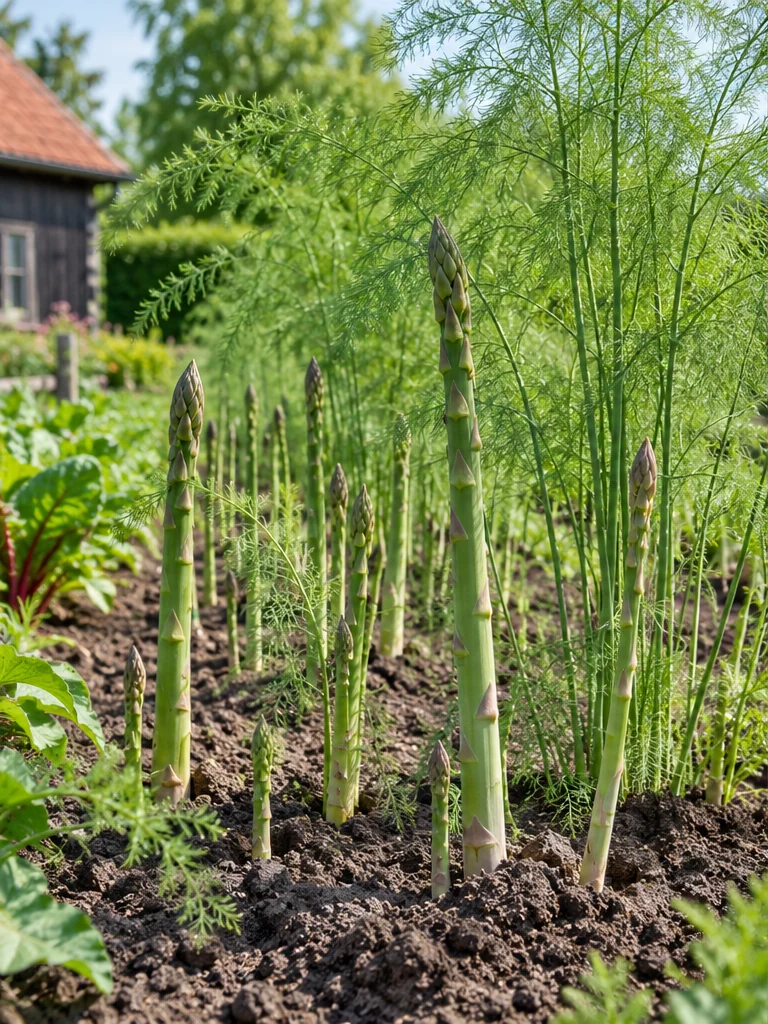
This image was created with AI from described plant characteristics and growing advice. It shows a possible situation and is not a photograph of a verified cultivar.
Green asparagus in a permanent bed
Shoots grow above ground and turn green in light.
- Clear persistent weeds from the bed.
- Plant healthy root crowns according to the supplier.
- Let enough shoots develop into foliage during the early years.
For a permanent, sunny position and a simple harvest route.
Tick off your supplies →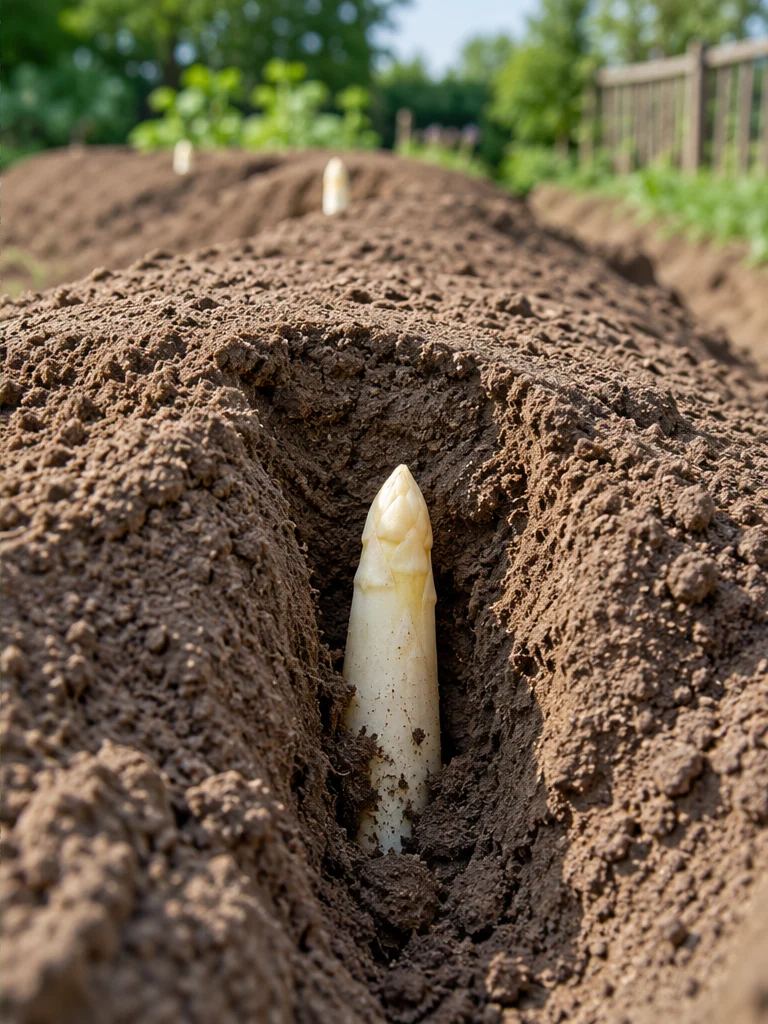
This image was created with AI from described plant characteristics and growing advice. It shows a possible situation and is not a photograph of a verified cultivar.
White asparagus under a soil ridge
A soil ridge excludes light from shoots and needs careful harvesting.
- Choose a variety and bed layout for white asparagus.
- Build up the ridge according to growing instructions.
- Harvest carefully underground and restore the ridge.
For anyone with space and time to maintain ridges.
Tick off your supplies →Explore the varieties
See the confirmed differences. Characteristics without supporting evidence are left blank.
3 of 3 varieties
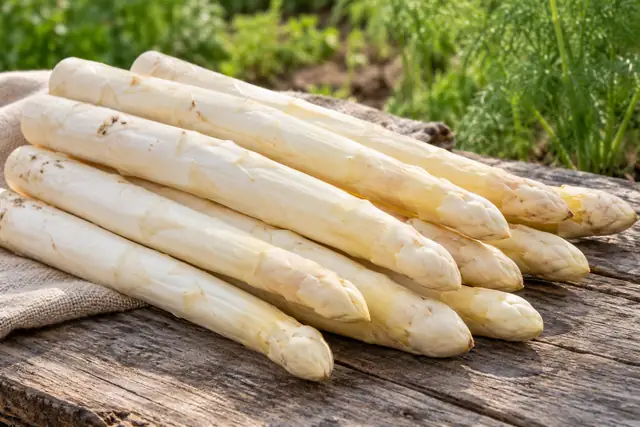
This image was created with AI from described plant characteristics and growing advice. It shows a possible situation and is not a photograph of a verified cultivar.
Backlim
Explore this variety and use the growing guide to choose a place for your plant.
View variety →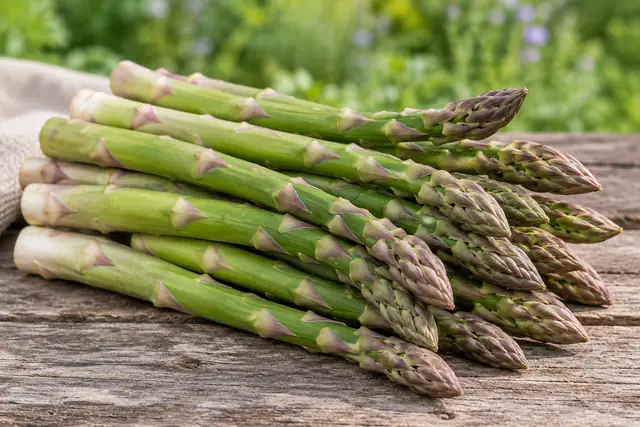
This image was created with AI from described plant characteristics and growing advice. It shows a possible situation and is not a photograph of a verified cultivar.
Gijnlim
Explore this variety and use the growing guide to choose a place for your plant.
View variety →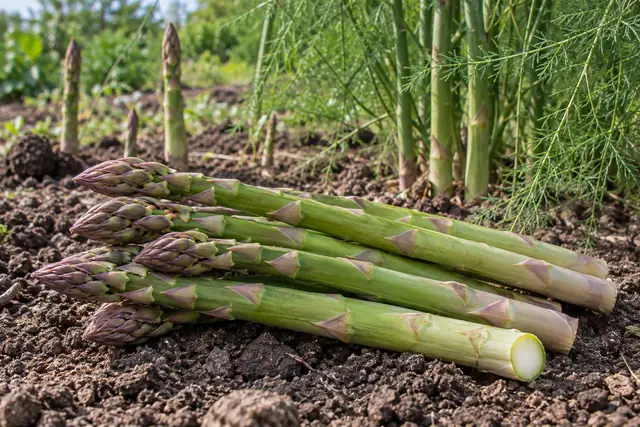
This image was created with AI from described plant characteristics and growing advice. It shows a possible situation and is not a photograph of a verified cultivar.
Guelph Millennium
Explore this variety and use the growing guide to choose a place for your plant.
View variety →Choose two to four varieties to compare their source data side by side.
A permanent position starts with weed removal
Asparagus stays for several years. Remove root weeds beforehand and choose sun without waterlogging. Leave a path for harvesting and care. Small temporary corners are less suitable: moving later takes time and may damage established roots.
Green or white determines the work
Green shoots receive light and are visibly harvested. White asparagus grows beneath covering ridges, staying pale and needing more earthwork and careful cutting. Choose for time and soil beforehand. Colour comes from method; variety must also suit that route.
Crowns give a head start over seed
Healthy young crowns already have roots. Seed is possible but needs extra raising and patience. Plant crowns once delivered into workable soil, usually in spring. Do not leave them dry for long. Inspect stock and read depth and layout guidance.
Lay roots without bends
Make room to spread roots carefully. Put growing points upwards and settle soil gently. Exact depth varies with the growing system; follow the supplier. Water after planting to settle roots and soil. Do not walk on the new root zone.
Let the bed strengthen first
New plants need reserves before many shoots are removed. Do not harvest a whole season immediately from young beds. Use planting year and stock instructions to choose a first short harvest. One thick shoot does not prove the bed supports prolonged cutting.
Green foliage works for next year
After harvesting, let shoots develop finely branched foliage. This feeds roots and builds bed reserves. Water in drought and support tall stems where wind flattens them. Weed shallowly. Remove dead foliage at season's end and separate diseased material.
A weak bed needs less harvesting
Thin shoots, declining growth or diseased stems call for soil, water and health checks. Asparagus beetles or damage need whole-plant inspection, not conclusions from one hole. Do not prolong weak-bed harvesting for a full basket. Recovery needs foliage and suitable roots.
Harvest shoots young and rest the bed
Cut green shoots while tips remain closed; older open tips become fibrous. Support shoots without hitting nearby growing points. End spring picking promptly for foliage growth, earlier in young beds. Cool quickly and use fresh to keep shoots juicy.
What you need
Tick what you already have. The extras depend on how you grow.
0 of 6 ticked off
Your ticks are saved in this browser.
Discover and grow more
More background, sources and image information
SeedSteps editorial team · updated on 11 October 2026. The AI images illustrate species and practical growing situations; they do not prove an exact cultivar, observations from your own garden or yield.
Britse gewasadviezen worden gecombineerd met Nederlandse en Vlaamse informatie waar beschikbaar. Amerikaanse Extension-bronnen ondersteunen plantprincipes en herkenning; hun kalenderdata, lokale plaagdruk, bestrijdingsmiddelen en mestdoseringen worden niet rechtstreeks op Nederland of Vlaanderen toegepast. Vorst, bodemwarmte, standplaats en expliciete rasinformatie blijven de lokale controle. Commerciële bronnen onderbouwen uitsluitend benoemde ras- en plantkenmerken; zij zijn geen affiliate-aanbeveling.
- World Checklist of Vascular Plants — 4 juni 2026Royal Botanic Gardens, Kew · accessed 2026-10-07
- Asperges kwekenRoyal Horticultural Society · accessed 2026-10-10
- Asparagus in the gardenUtah State University Extension · accessed 2026-10-10
Supporting evidence by chapter: A permanent position starts with weed removal: Royal Horticultural Society, Utah State University Extension. Green or white determines the work: Royal Horticultural Society, Utah State University Extension. Crowns give a head start over seed: Royal Horticultural Society, Utah State University Extension. Lay roots without bends: Royal Horticultural Society, Utah State University Extension. Let the bed strengthen first: Royal Horticultural Society, Utah State University Extension. Green foliage works for next year: Royal Horticultural Society, Utah State University Extension. A weak bed needs less harvesting: Royal Horticultural Society, Utah State University Extension. Harvest shoots young and rest the bed: Royal Horticultural Society, Utah State University Extension.