Why grow Ruffec?
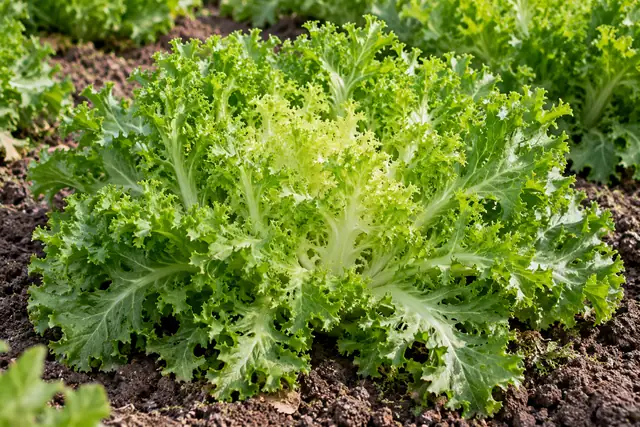
Ruffec is curled endive with strongly divided leaves. Fleshy ribs give more structure than fine cutting lettuce.
Choose this variety mainly for its strongly curled leaves and described suitability for cooler conditions, not for unproven sweetness.
How this choice tastes
Endive generally has a recognisable bitterness. The source gives no separate flavour comparison between Ruffec and other endive cultivars.
From harvest to kitchen
Cut leaves finely for a substantial salad or use in mashed potatoes. Ribs and thin leaf portions have different textures.
What needs attention when growing
Allow each plant room for a broad rosette and prevent drying. Time sowing for a cool growing period.
Harvest a developed rosette before a flower stem forms. Try an outer leaf first to assess desired tenderness.
Choose by flavour, shape and use
Ruffec: Ruffec is curly endive with deeply cut leaves. Fleshy ribs give more structure than fine cutting lettuce. Slice finely for a substantial salad or use in mashed potato. Ribs and thin leaf parts differ in texture.
Endive generally has a recognisable bitterness. The source gives no separate flavour comparison between Ruffec and other endive cultivars.
Namen: This old Belgian selection forms a full curly endive rosette. The heart becomes paler than the outer leaves as it develops. Mix finely sliced heart leaves with firmer outer leaves in salad. Use the healthy whole rosette for mashed potato.
The usual endive bitterness belongs to the crop. A distinct aroma profile or fixed bitterness ranking for Namen is not substantiated.
Curly endive: A leaf type within endive, not an extra variety beside Ruffec and Namen. Open curls define appearance. Use fine curls as a light salad base; larger leaves suit cooked dishes welcoming firmness.
The flavour description applies to endive as a crop. This broad type designation does not justify a distinct cultivar-specific flavour promise.
Broad leaves or fine curls
Broad-leaved endive forms firm loose heads suited to cooking. Curly endive is more finely cut and often used younger. Match variety and season. Winter names do not make every seedling hardy against severe frost regardless of growth.
Sow small portions at different times
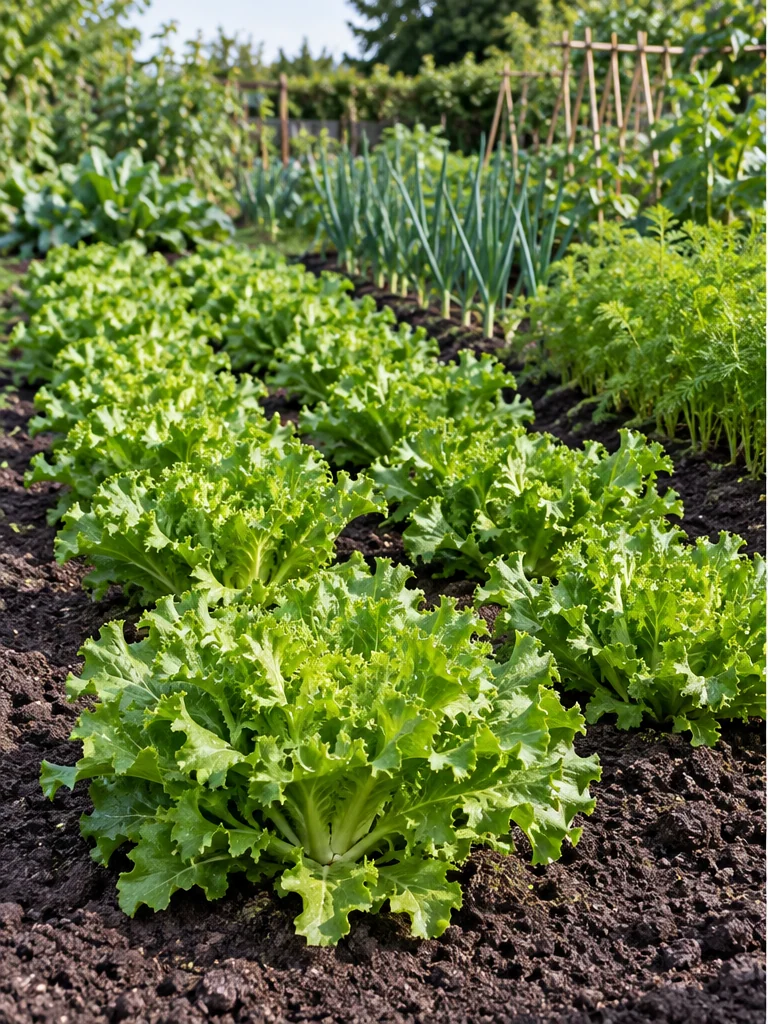
Sowing a whole row together often gives simultaneous harvests. Divide a small area into successive rounds. Late spring and summer offer useful conditions; early growing needs a suitable variety. Schedule time to harvest heads before ageing.
Germinate warm enough, then grow on in good light
Sow thinly in a fine, moist seedbed or seed-compost modules. Endive germinates better with enough warmth; cold raising can trigger later bolting. Keep moist without enclosing a soaking tray. After emergence, provide abundant light and room for sturdy growth.
Leave the heart clear
Move raised seedlings with root balls and acclimatise gradually outdoors. Plant no deeper than modules, leaving central leaves free. Thin direct sowings by variety advice; crowded heads dry poorly after rain and remain smaller.
Retaining moisture with good drainage
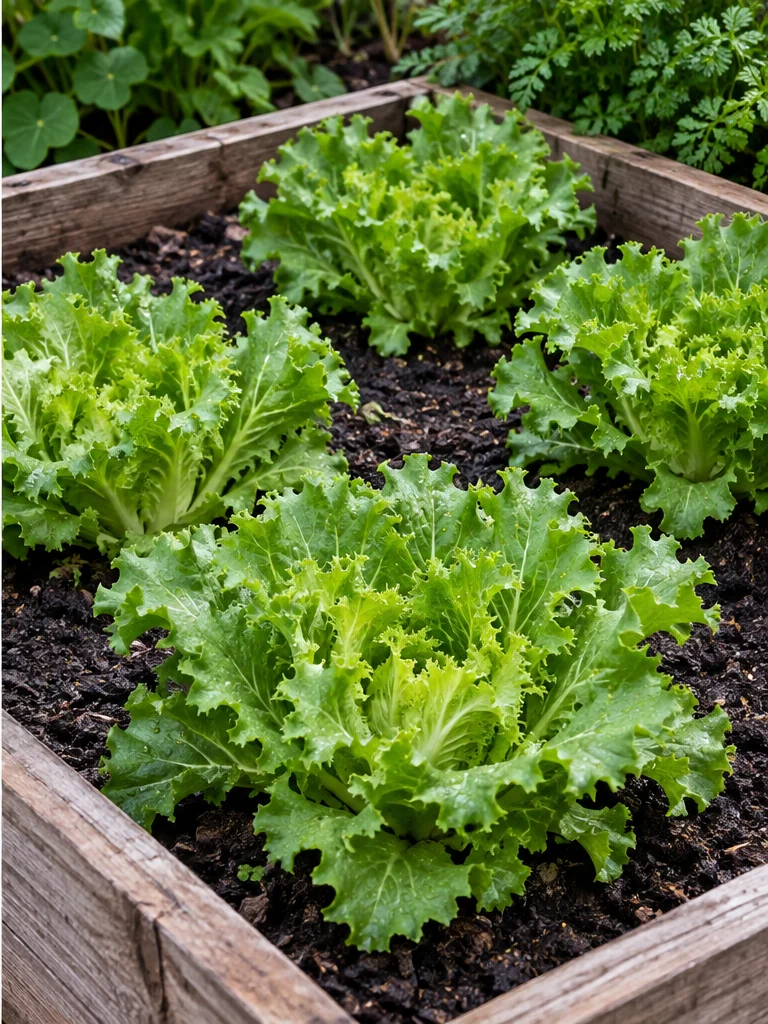
Endive likes fertile soil that does not continually dry. Mature compost helps poor or fast-drying ground. Use freely draining compost in containers. Feed only as soil requires. Keep fresh strong manure off young roots and leave access.
Look beneath the leaves during dry days
Surfaces can look dry while roots remain moist. Check before watering soil. Light shade can help in strong summer heat. Weed gently, simultaneously checking slugs on outer leaves and moist head centres.
A flower stalk is a signal to act
Longer days, cold or drought stress can steer the plant towards flowering. Cutting off the flower stem will not turn a bolting head into a new tender one. Use any usable leaves and plan a new small sowing. If you want to blanch inner leaves, do so only shortly before harvest with dry foliage; trapped wet leaves can rot.
Harvest fresh and use the head promptly
Cut mature heads at bases or pick outer leaves while centres grow. Wash carefully and drain. Endive remains a fresh leaf crop: cooling helps but long storage reduces crispness. Prefer harvesting near-term needs over every head in one day.