Why grow Chiba Green?
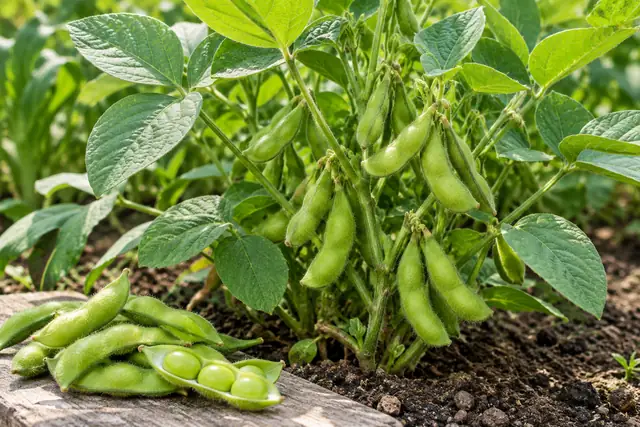
Compact soya bean for green, well-filled edamame.
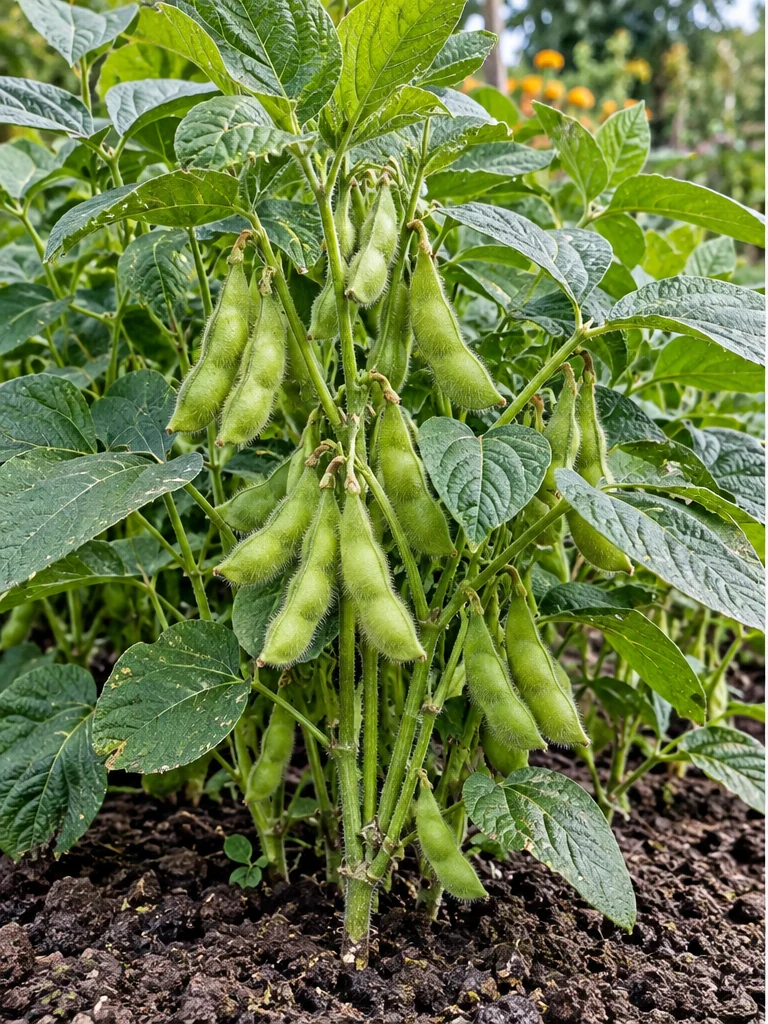
Choose Chiba Green for compact, upright plants and concentrated pod set. This needs an organised harvest round when several pods reach the correct green size together.
How this choice tastes
Young and cooked, soya has the mild, slightly nutty character of edamame. The producer describes Chiba Green as flavoursome and crisp; a separate sweetness ranking is not established.
From harvest to kitchen
Boil the green, filled pods and push the cooked beans out. The pod wall is not eaten; use the beans loose in rice or serve pods for shelling.
What needs attention when growing
Sow after frost in warm soil and provide a sunny, sheltered position. The American days-to-maturity figure is a guide, rather than a guarantee in a cool Dutch season.
Harvest when the pods are plump but still bright green. For edamame, do not wait for yellow, dry pods; those have a different storage purpose.
Choose by flavour, shape and use
Chiba Green: Compact soya bean for green, well-filled edamame. Boil the green, filled pods and push the cooked beans out. The pod wall is not eaten; use the beans loose in rice or serve pods for shelling.
Young and cooked, soya has the mild, slightly nutty character of edamame. The producer describes Chiba Green as flavoursome and crisp; a separate sweetness ranking is not established.
Gele soja: Soya type for young green beans or ripe dry seeds. Cook young filled pods and shell the cooked beans. Let a separate portion ripen if you want to try dry soya for cooking or further processing.
Cooked young soya has a mild, slightly nutty flavour. Yellow refers to the dry seed type here; for edamame, harvest before pods turn yellow and dry.
Vegetable soya is the right start
Edamame is a use type of soya bean. An agricultural dry-seed variety does not automatically give the same suitable fresh harvest. Choose seed explicitly intended for edamame and a maturity time suited to your position.
Sun and a warm seedbed
Soya is a warm-season crop. Wait for warm soil and a frost-free forecast. Choose an open, sunny spot with drainage. A sheltered bed helps, but a dark greenhouse corner does not replace the light needed.
Direct sowing keeps things manageable
Sow directly in the bed following variety advice and keep soil moist during emergence. Mark the row to avoid accidentally removing seedlings. With poor emergence, first assess cold, wet soil and feeding damage.
Let the bush support itself
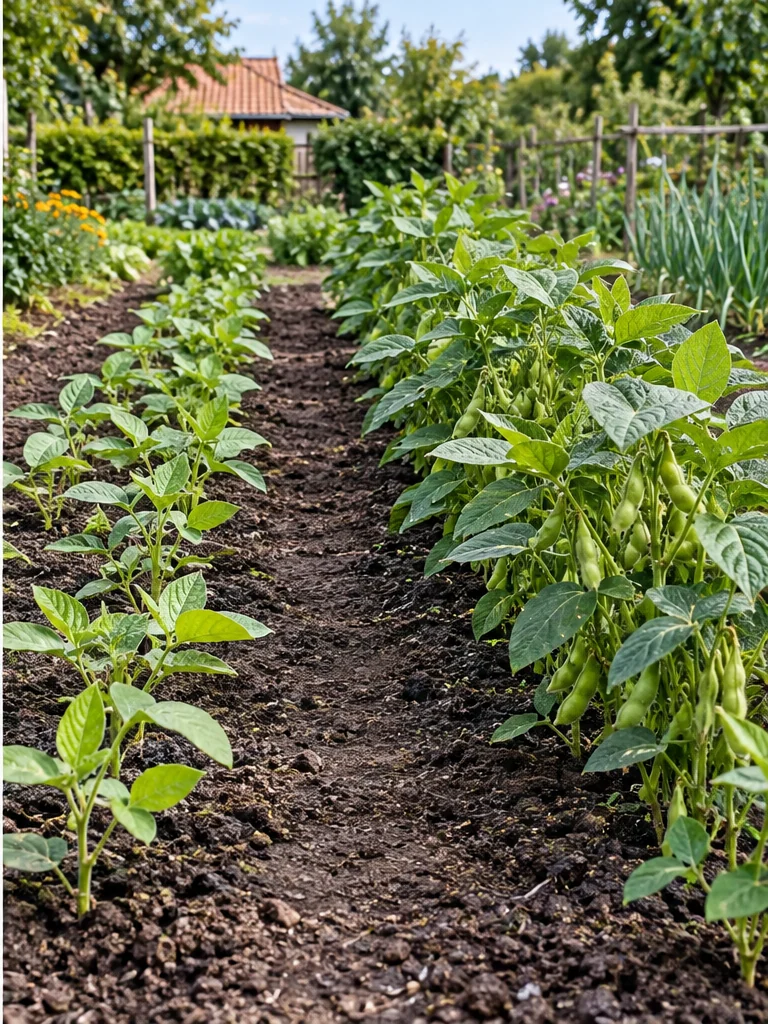
Soya beans grow upright without typical twining bean vines. Give prescribed spacing rather than a tall support. Remove early weeds around small plants; later the crop fills more of the bed.
Full pods need root moisture
In dry weather, check soil moisture, especially during flowering and seed filling. Water the bed directly. Do not feed heavily on a guess: lush growth does not guarantee a good harvest.
The green harvest window
Harvest once seeds are clearly full and pods remain green. Yellowing pods indicate further ripening and a different product. Open a trial pod and check several times a week as harvest approaches.
Protect young plants selectively
Feeding damage can severely set back young soya. Look for evidence before choosing a measure and protect against animals actually feeding in your garden. Leave enough room beneath insect mesh so it does not press on the whole crop.
The pod does not go on the plate
Do not eat soya beans raw. Heat pods and remove cooked beans; do not eat the hairy exterior. Process the fresh harvest promptly or follow reliable freezing guidance. Separate eating harvests from fully dry seed ripening.
Make a small trial plot for your season
For a first edamame crop, a limited trial helps more than a long row of an unknown cultivar. Choose an early selection sold as vegetable soya and label it. Record sowing, first flowering and when green pods fill. This shows whether it fits your warm season. American maturity figures provide comparison, not a fixed Dutch harvest date; temperature and conditions can lengthen development.