Why grow Belleville?
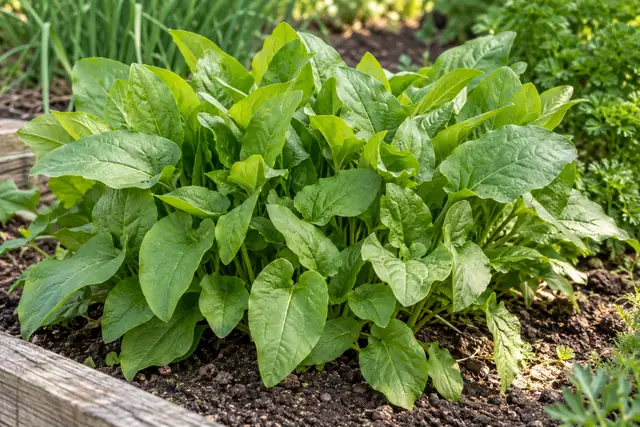
Belleville is a named sorrel with relatively low, somewhat heart-shaped leaves. It can persist in a permanent position.
Choose Belleville when sour green leaves are the growing aim. The species differs from milder patience dock and from red-veined sorrel.
How this choice tastes
The product source confirms an acidic flavour. This is a useful flavour characteristic, without a fixed acidity level compared with other sorrel.
From harvest to kitchen
Use a few young leaves with fish, in salad or soup. A small portion makes the acidic accent easy to control.
What needs attention when growing
Give the plant its own well-drained position and room for new leaves. Long leaf harvesting needs enough healthy growth retained.
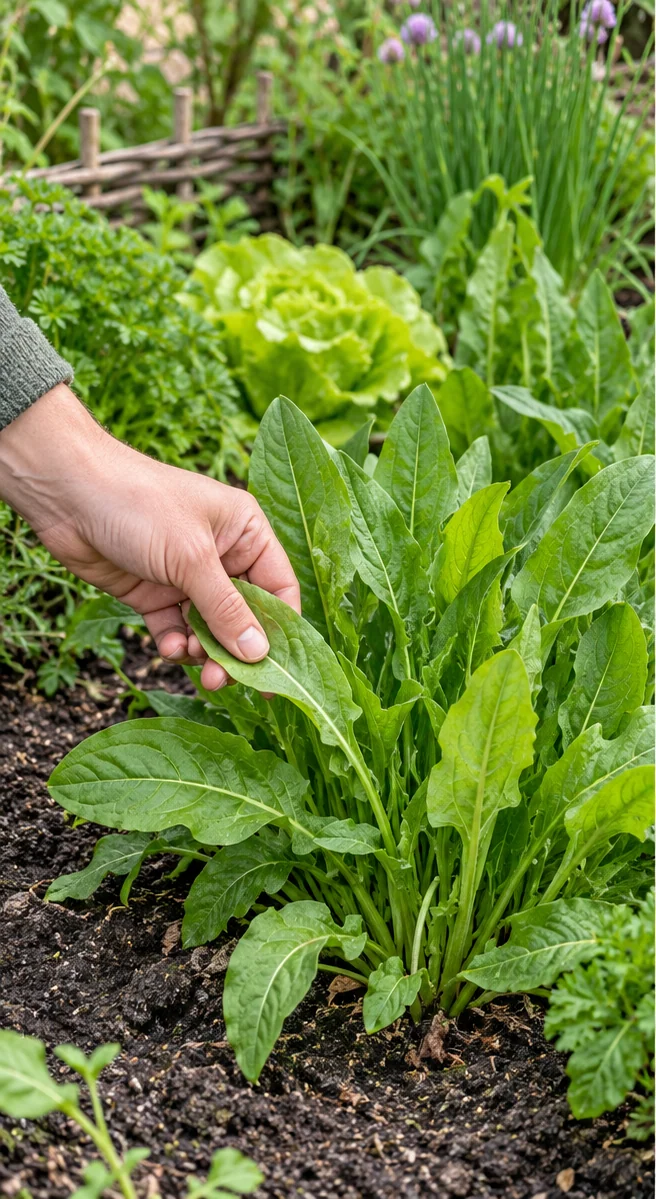
Harvest young leaves as needed and leave the heart intact. Add them gradually to a dish if you are not yet familiar with their acidity.
Choose by flavour, shape and use
Belleville: Belleville is a named sorrel with relatively low, somewhat heart-shaped leaves. It can last longer in a permanent position. Use a few young leaves with fish, salad or soup. A small portion makes acidity easy to control.
The product source confirms an acidic flavour. This is a useful flavour characteristic, without a fixed acidity level compared with other sorrel.
Bloedrood: Red-veined sorrel has narrow green leaves with striking red veins. Botanically Rumex sanguineus, not a Belleville colour variant. Use young leaves as a visible accent with fish or in a salad. The red veins show particularly well when served fresh.
The source describes young, acidic leaves. This concerns the species and establishes no separately named, distinctive-flavoured variety.
Choose the edible sorrel you intend
Common sorrel, French sorrel and red-veined sorrel have different leaves and do not all belong to the same species. This page starts with common sorrel. Choose named edible planting material; do not assume an unknown wild plant is the same vegetable because it tastes sour.
A moist base without a dark corner
Sorrel grows in sun and light partial shade. Mature compost helps fast-drying soil retain moisture. Light shade suits hot periods. A wet hollow does not solve drought: roots still need air and drainage.
A small sowing is often enough
Sow in fine, moist seed compost in spring, about a centimetre deep according to species instructions. Provide light and surface moisture. Thin or prick out once safe to handle. A few mature plants can provide many small kitchen portions.
Let the clump grow at the same level
Plant young sorrel at roughly its pot depth and water in. Allow for a widening clump. Spacing and size vary by species; French sorrel can spread differently from common sorrel. Let roots establish before heavy harvesting.
Pots need attention more often
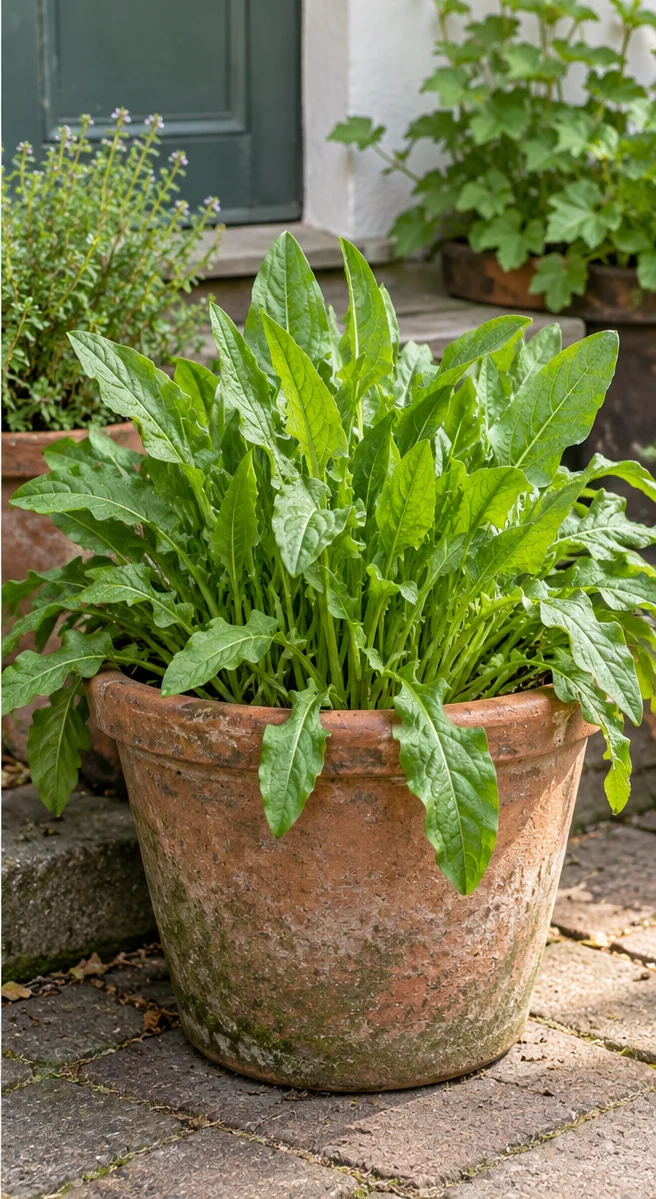
Water new plants in drought until established. Ground-grown established clumps manage more independently except during prolonged drought. Check pots regularly even when green above. Prevent pots remaining full of water through winter.
Encourage the plant to produce young leaves
For leaf harvests, remove emerging flower stalks. Leaving flowers and seeds can let sorrel self-seed. Choose where this is allowed. Removing old tough leaves makes space for young growth without repeatedly stripping the clump bare.
Pick a fresh addition, not the whole clump
Take young, intact leaves and leave enough vigour. Older leaves can be tougher and more bitter. Sorrel is distinctly sour, so start with a little in salad, soup or sauce. Rinse and preferably use soon after picking.
Look particularly at young growth
Slugs can damage leaves and seedlings; aphids gather on tender tips. Inspect clumps without treating every imperfection. With poor recovery, assess drought, wet roots or excessive harvesting too. Diseased or badly damaged leaves are no attractive kitchen portion.
Divide a full clump in a quiet season
Lift older dense clumps in spring or autumn and divide healthily. Each division needs roots and growing points. Replant in cared-for soil and water. This creates a new harvest patch without letting an old clump crowd for years.