
Rasportret · Struikboon
Loading the garden guide…
Loading the garden guide…
Bonte korrels met rode peulen van een lage plant. Kies dit ras voor een kleurrijke droge bonenoogst op lage planten. Het past bij voorraadteelt wanneer je na de verse zomerbonen nog een bed wilt laten afrijpen.
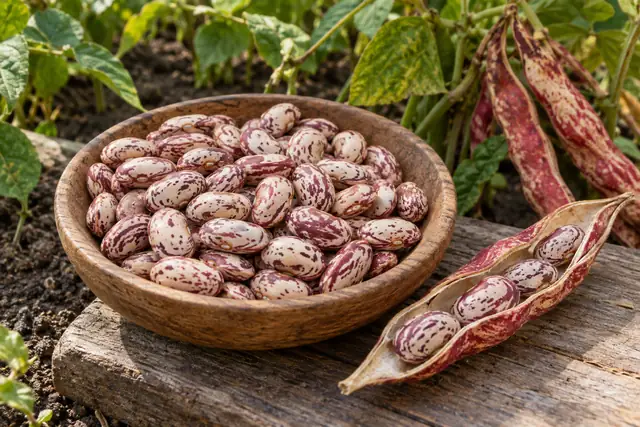
This image was created with AI from described plant characteristics and growing advice. It shows a possible situation and is not a photograph of a verified cultivar.
This growing advice helps you choose. Your variety, growth stage, weather and conditions in your space determine the actual timing.
Kort voorzaaien of direct zaaien · Dwarf bean
Eind april–meiZaai kort voor in afzonderlijke potjes. Zorg dat je na enkele weken warm kunt uitplanten.
Begin voor buitenplanten niet maanden te vroeg. Bonen groeien snel en verdragen geen vorst.
Royal Horticultural Society · RHS — boon kweken ↗Soort- of productgebonden bron; buitenlandse perioden zijn geen vaste Nederlandse zaaidatum.
University of Minnesota Extension · UMN Extension — boon in de moestuin ↗Soort- of productgebonden bron; buitenlandse perioden zijn geen vaste Nederlandse zaaidatum.
Guideline periods for the Netherlands and Flanders. Check the variety, available light, soil and measured temperatures. Greenhouse heating does not guarantee enough winter light.
The source context and any limitations are in the background information at the bottom.
Compare with another varietyAfter cooking, Borlotto has a soft, full bean character. Its attractive seed markings are mainly a harvest feature; they do not promise a fixed flavour ranking alongside white or red beans.
This flavour description applies to the crop; a separate taste test for this variety is not supported by evidence.Use thoroughly cooked fresh shelling beans in soup or cook soaked dried beans for a stew. Look at the pattern before cooking if you want to compare the colourful harvest.
Why choose it? Choose this variety for a colourful dried bean harvest on dwarf plants. It suits storage growing when you want to leave a bed to ripen after fresh summer beans.
The options below belong to the plant. From these, choose the method that suits your variety's growth habit.
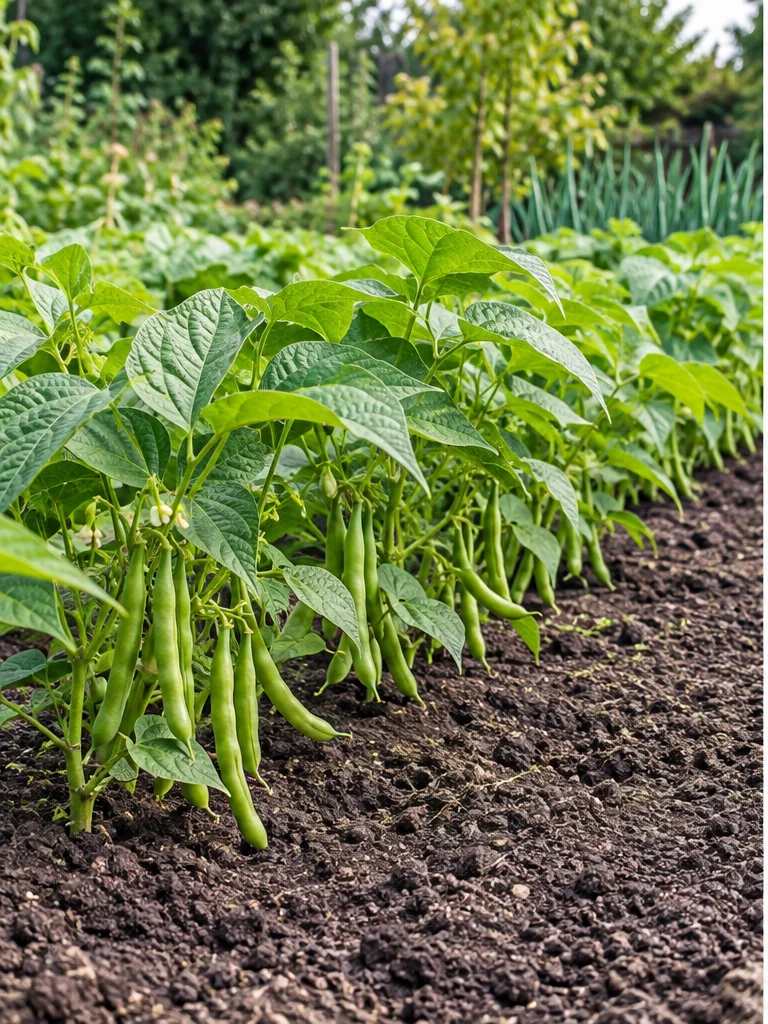
This image was created with AI from described plant characteristics and growing advice. It shows a possible situation and is not a photograph of a verified cultivar.
Een lage rij vraagt geen hoog rek. Maak het bed vrij van onkruid en houd genoeg ruimte om onder het blad te plukken. Plan liever twee kleine zaaisels dan één grote oogstpiek.
For anyone with a sunny outdoor bed.
Tick off your supplies →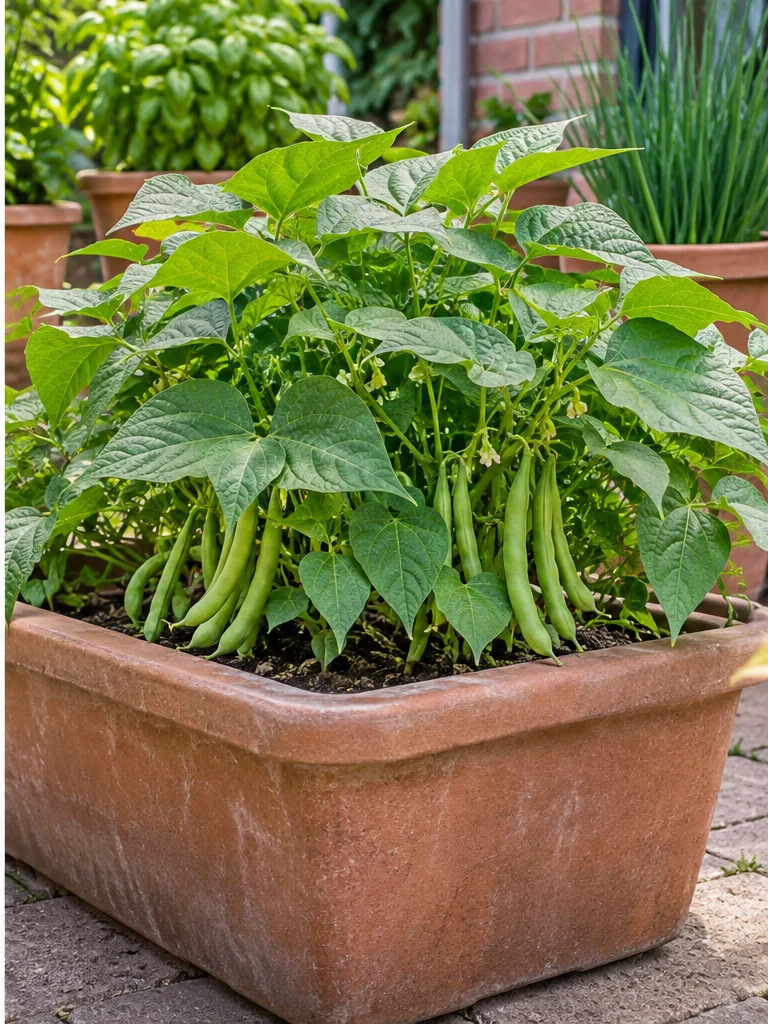
This image was created with AI from described plant characteristics and growing advice. It shows a possible situation and is not a photograph of a verified cultivar.
Een compact struikras past in een brede pot met afvoergaten. De kleinere hoeveelheid grond vraagt vaker watercontrole dan het bed.
Voor een beschut balkon of terras met ruimte voor de gekozen groeiwijze.
Tick off your supplies →Bonte korrels met rode peulen van een lage plant.
Choose this variety for a colourful dried bean harvest on dwarf plants. It suits storage growing when you want to leave a bed to ripen after fresh summer beans.
After cooking, Borlotto has a soft, full bean character. Its attractive seed markings are mainly a harvest feature; they do not promise a fixed flavour ranking alongside white or red beans.
Use thoroughly cooked fresh shelling beans in soup or cook soaked dried beans for a stew. Look at the pattern before cooking if you want to compare the colourful harvest.
Zaai in opgewarmde grond en reserveer voldoende tijd tot de herfst. Houd tijdens bloei en korrelvulling de bodem vochtig, daarna wordt droog oogstweer belangrijk.
Oogst gevulde peulen voor verse dop of droge peulen voor voorraad. Laat nog vochtige bonen luchtig nadrogen en sluit ze pas goed droog in een voorraadpot.
Cannellini: Creamy-white kidney-shaped beans from a low-growing plant. Thoroughly cook shelled beans or soaked dried beans for soup or a creamy bean purée. The creamy-white colour suits a pale vegetable stew.
Cooked Cannellini beans have a soft texture. Their mild bean character allows herbs and stock to come through well; no special flavour note has been proven.
Rognon de Coq: Red, kidney-shaped storage beans from a low-growing plant. Soak dried beans and cook them thoroughly for chilli or a vegetable stew. The kidney-shaped seeds give a recognisable texture alongside tomatoes, onions and herbs.
Rognon de Coq has a full bean character after thorough cooking. The supplier mentions good flavour; a precise comparison with other kidney beans is absent.
Borlotto: Mottled seeds with red pods from a low-growing plant. Use thoroughly cooked fresh shelling beans in soup or cook soaked dried beans for a stew. Look at the pattern before cooking if you want to compare the colourful harvest.
After cooking, Borlotto has a soft, full bean character. Its attractive seed markings are mainly a harvest feature; they do not promise a fixed flavour ranking alongside white or red beans.
Starazagorsky Yin Yang: Black-and-white patterned seeds from a dwarf bean. Thoroughly cook freshly shelled or soaked dried beans for soup or a salad of cooked beans. Photograph the dried harvest if you want to preserve the unusual pattern.
The black-and-white pattern adds visual variety, with the mild character of cooked beans. No distinct flavour directly caused by the colour pattern has been proven.
A dwarf bean is a growth type. You can eat young pods from cultivars suited to that use, or harvest mature beans from a drying bean. Check the use on the seed packet and do not treat a harvest date as meaning the same thing for every type.
A bean from warm indoor air cannot immediately cope with a cold garden. Follow the frost forecast, harden the plant off and provide warm soil. A good start avoids trying to recover from several weeks of stalled growth.
Water according to moisture around the roots, paying extra attention during flowering and pod formation. Keep young plants free of weeds. Growing in pots requires more frequent checks; a dry pot can still be dry inside after a brief shower.
For fresh French or flat beans, pick the pods young, before the seeds swell noticeably. Check often: regular picking helps maintain the quality you want.
If you grow a named shelling or drying bean, you let the seeds develop instead. Harvest fresh shelling beans when the seeds are full but the pod is not yet dry; for dried beans, wait for mature pods that are drying and finish drying the harvest under shelter if necessary. Follow the harvesting instructions for your chosen cultivar.
A school garden deliberately plans its bean harvest around the summer holidays. The same question helps at home: who checks the row while you are away? The date alone does not tell you whether you can keep up with the harvest. Link the plan to your actual garden visits and write down who will check for young pods during an absence.
Outdoors, wait for sufficiently warm soil and the end of frost risk. The Dutch growing description explicitly links starting to those conditions. Look at the bed before sowing accordingly. Record how wet the ground was too, so disappointing emergence becomes a question to investigate later rather than an immediate judgement on the cultivar.
Use the spacing on the packet as a starting point. Position the label so you can still read it later and keep the path recognisable. The British growing guide also describes blocks and double rows in which low plants support one another. Choose a layout that lets you reach the middle; the bed must remain accessible at harvest.
Alongside a deep root, beans have side roots closer to the surface. Keep weeding shallow and careful accordingly. Look at where the plant starts before using a tool. That small pause helps you maintain the row clearly, even as weeds and bean leaves grow increasingly close together.
During drought, check the root zone and water directly where necessary. Look at flowers and first pods during the same round too. Write an observation against the row: dry below the surface, just watered or new pods seen. This lets you read back what really happened without attributing every change to a single cause.
A low row may hide more than first appears. Search among the leaves for pods whose seeds have not yet swollen much. Compare shape and size with the cultivar's own description. Walk along both sides of the row; picking then becomes a brief, attentive round rather than grabbing whatever lies on top.
For fresh French or flat beans, pick the pods young, before the seeds swell noticeably. Check often: regular picking helps maintain the quality you want.
If you grow a named shelling or drying bean, you let the seeds develop instead. Harvest fresh shelling beans when the seeds are full but the pod is not yet dry; for dried beans, wait for mature pods that are drying and finish drying the harvest under shelter if necessary. Follow the harvesting instructions for your chosen cultivar.
Tick what you already have. The extras depend on how you grow.
0 of 4 ticked off
Your ticks are saved in this browser.
SeedSteps editorial team · updated on 11 October 2026. The AI images illustrate species and practical growing situations; they do not prove an exact cultivar, observations from your own garden or yield.
Britse gewasadviezen worden gecombineerd met Nederlandse en Vlaamse informatie waar beschikbaar. Amerikaanse Extension-bronnen ondersteunen plantprincipes en herkenning; hun kalenderdata, lokale plaagdruk, bestrijdingsmiddelen en mestdoseringen worden niet rechtstreeks op Nederland of Vlaanderen toegepast. Vorst, bodemwarmte, standplaats en expliciete rasinformatie blijven de lokale controle. Commerciële bronnen onderbouwen uitsluitend benoemde ras- en plantkenmerken; zij zijn geen affiliate-aanbeveling.
Supporting evidence by chapter: Why grow Borlotto?: Feggies. How this choice tastes: Feggies. From harvest to kitchen: Feggies. What needs attention when growing: Feggies. Choose by flavour, shape and use: Feggies, Feggies, Feggies, Feggies. Make your growing choice first: Royal Horticultural Society, University of Minnesota Extension, University of Maryland Extension. Wait for suitable outdoor weather: Royal Horticultural Society, University of Minnesota Extension, University of Maryland Extension. Keep an eye on the soil: Royal Horticultural Society, University of Minnesota Extension, University of Maryland Extension. A low-growing plant does not yet tell you which type of bean you harvest: De Bolster, Handboek Schooltuinen, via Velt. Consider when you have time to pick: Handboek Schooltuinen, via Velt. Starting needs warmth without waterlogging: De Bolster. Create a row you can keep working along: Royal Horticultural Society.
Groeiwijze: laag Beschrijving van de genoemde rasbron; geen eigen tuinwaarneming. Feggies
Hoofdkleur: bonte korrels, rode peulen Beschrijving van de genoemde rasbron; geen eigen tuinwaarneming. Feggies