Loading the garden guide…
Loading the garden guide…
A chilli plant is a little project for the season: start it early, grow it in warmth and watch new fruits develop. A generous pot on a sheltered patio or a spot in the greenhouse makes care manageable. Choose variety and heat level carefully; a fruit's colour does not tell you how hot it tastes.
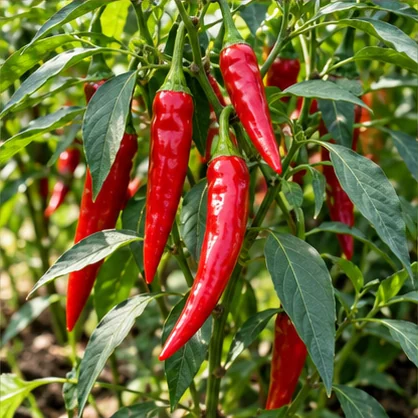
This image was created with AI from described plant characteristics and growing advice. It shows a possible situation and is not a photograph of a verified cultivar.
This growing advice helps you choose. Your variety, growth stage, weather and conditions in your space determine the actual timing.
Start under cover in warmth · Chilli
February–March; slow types sometimes earlierStart indoors in warmth and reserve enough bright space for raising plants.
A slow-ripening chilli needs a different start from a quick Capsicum annuum. A January start suits only sufficient warmth, light and propagation space.
RHS · peper ↗Britse teeltrichtlijn voor een gematigd klimaat; de genoemde perioden zijn richtlijnen voor Nederland en Vlaanderen.
De Bolster · Koh Chang en Koh Tao — producentvergelijking ↗Nederlandse producent of teeltbron; de rasinstructie blijft leidend.
Feggies · Peper Cayorange — rasbeschrijving ↗Nederlandse producent of teeltbron; de rasinstructie blijft leidend.
Guideline periods for the Netherlands and Flanders. Check the variety, available light, soil and measured temperatures. Greenhouse heating does not guarantee enough winter light.
Choose by more than the name. Discover how these varieties and crop types taste, what you can use them for and what growing them involves.
17 of 17 choices · 15 named varieties
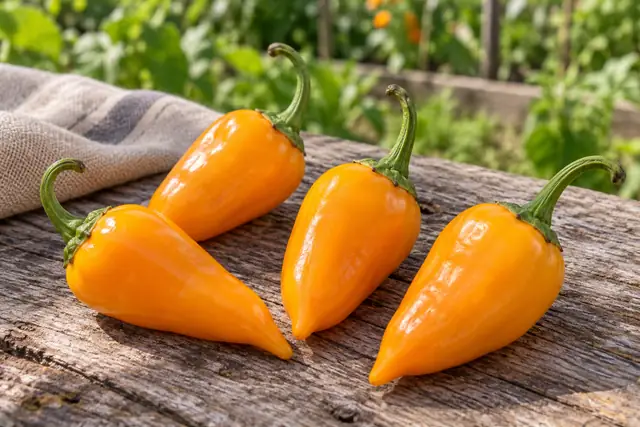
This image was created with AI from described plant characteristics and growing advice. It shows a possible situation and is not a photograph of a verified cultivar.
A very early-ripening chilli with bright yellow-orange fruits, also selected for promising warm outdoor growing.
Choose Cayorange for early orange chillies and a trial in a sunny outdoor spot, rather than a late exotic greenhouse variety.
The source mentions consistently good scent and flavour, without an exact heat rating. Orange colour does not prove that it is a mild sweet pepper.
This flavour description applies to the crop; there is no separate tasting result for this variety.Add a small amount of ripe chilli to a sauce and increase the quantity after tasting. The colour gives a different accent from red chilli.
Start in warmth in February–March and support the plant. The supplier mentions growing in a bucket of approximately ten litres.
Pick ripe yellow-orange fruit regularly. Early development and a long harvest period still depend on warmth and the season.
Read the source notes →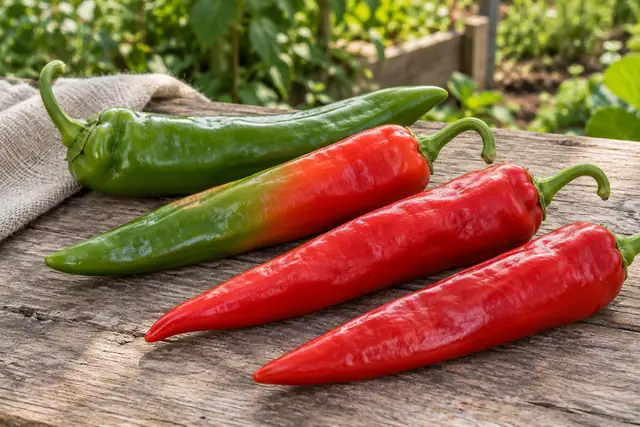
This image was created with AI from described plant characteristics and growing advice. It shows a possible situation and is not a photograph of a verified cultivar.
A familiar elongated, pointed chilli that ripens from green to red, suitable for fresh picking and drying.
Choose this classic for a practical long, red shape and various preserving uses, with a warm greenhouse or a sheltered outdoor position.
The source describes a hot flavour. Other listings differ in their heat ratings; taste your own harvest rather than relying on a fixed guarantee of heat.
Finely chop red-ripe chillies for a sauce or dry sound fruits for later. Start with little and adjust the amount.
Start in warmth and support stems with stakes or string. Producer instructions do not require routine chilli pruning.
Fruit can be harvested green or red. Compare the ripening stage yourself; green is not a reliable guarantee that a chilli will not be hot.
Read the source notes →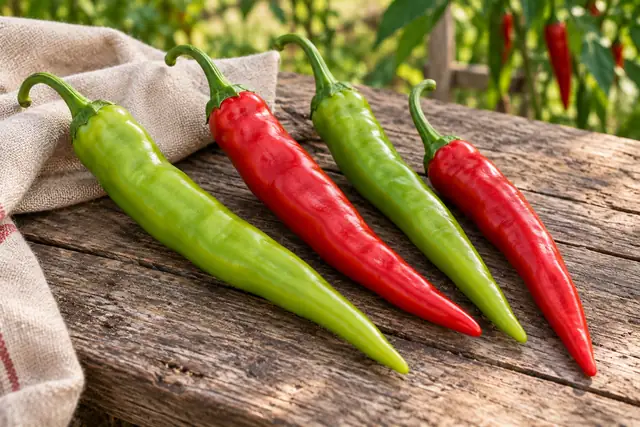
This image was created with AI from described plant characteristics and growing advice. It shows a possible situation and is not a photograph of a verified cultivar.
A second-early variety with long, slender, pointed fruits, light green turning bright red, on a heavily branched plant.
Choose Lombardo for long, relatively mild chillies and productive branching without a small ornamental chilli's compactness.
Sweet flesh and a mild profile are described. Lombardo is therefore a different choice from a hot cayenne.
Use thin rings in a vegetable dish or preserve the harvest using a proven recipe. The source recommends it for preserving.
Provide warm shelter and side-branch space. Support a heavily laden plant and keep soil evenly moist.
Pick light green fruit for an early portion or let it ripen to bright red. Taste the two stages separately to record your own kitchen preference.
Read the source notes →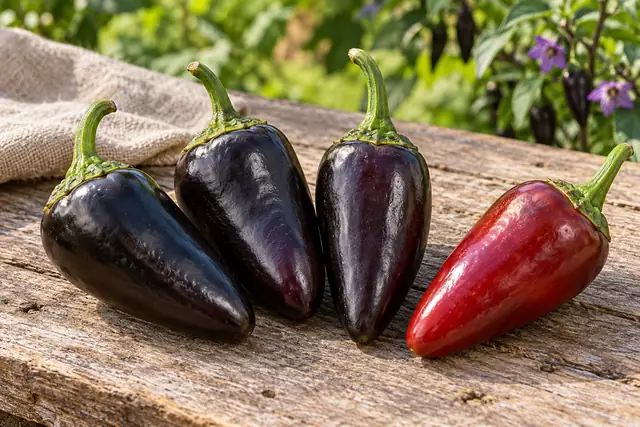
This image was created with AI from described plant characteristics and growing advice. It shows a possible situation and is not a photograph of a verified cultivar.
Purple flowers and cone-shaped, Jalapeño-like fruit ripening from almost black to dark red make this Hungarian variety distinctive.
Choose Black Hungarian for colour in flowers and fruit, and a juicy conical shape rather than long, thin cayennes.
Juicy flesh and a well-regarded flavour are described; the offering is listed among hot chillies. A fixed Scoville value has not been established.
This flavour description applies to the crop; there is no separate tasting result for this variety.Use rings in a salsa or cook small pieces with a dish. Taste a small amount before adding a whole fruit.
Grow in warmth and shelter with enough room for the vigorous plant. Label the variety so that the almost black young fruit remains recognisable.
Dark purple to almost black is a growth stage; dark red is fully ripe. Compare harvest stages without equating colour with a fixed heat level.
Read the source notes →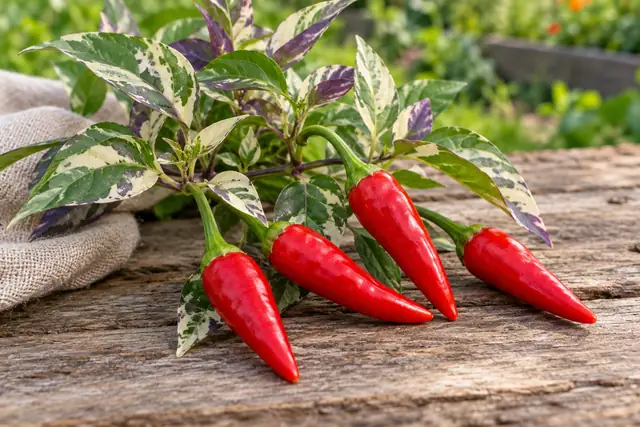
This image was created with AI from described plant characteristics and growing advice. It shows a possible situation and is not a photograph of a verified cultivar.
An early, compact chilli with variegated green-white-purple leaves and small, elongated fruits eventually ripening red.
Choose Variegata for variegated leaves and coloured chillies in pots. Trifetti is a documented alternative name for the same selection.
This offering is a hot chilli, not a sweet ornamental pepper. A separate fruity aroma is missing; the described ornamental value and compact growth are the established distinction.
This flavour description applies to the crop; there is no separate tasting result for this variety.Use small pieces as a hot sauce accent. Taste carefully and wear gloves when cutting hot fruits.
Provide a warm, sunny position and large pot with drainage. Compact growth is useful, but do not let roots dry out.
Pick fully red for a ripe harvest or leave several colour stages for ornament. Different colours on one plant are ripening stages and do not make the variety a seed mix.
Also listed as: Trifetti, Variegata/Trifetti.
Read the source notes →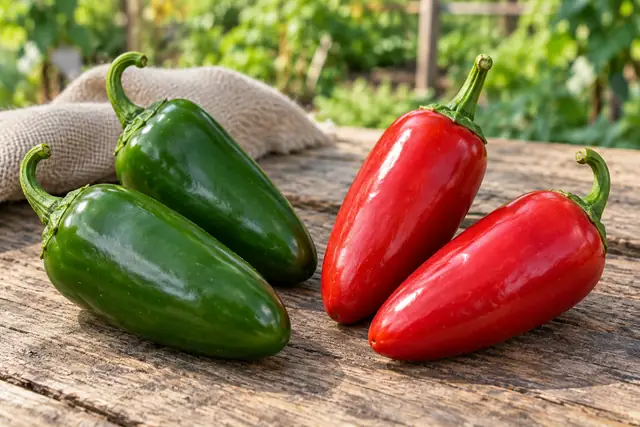
This image was created with AI from described plant characteristics and growing advice. It shows a possible situation and is not a photograph of a verified cultivar.
The familiar Mexican chilli for green picking and fully red ripening; one plant provides two recognisable kitchen stages.
Choose Jalapeño when familiar Mexican use matters and you enjoy comparing green and red harvests.
Red, ripe fruit is described as sweet and fruity with heat. Actual heat varies; green is not always the hottest stage.
Use rings in salsa or stuffed chillies. Red fruit also provides the basis for chipotle use with a suitable smoking and drying method.
Start early indoors in warmth and provide a greenhouse position or warm shelter. Overwintering frost-free in a pot is an option, not a required growing step.
Pick firm green fruits for early use or wait for red. Note the amount you use from your own harvest rather than assuming a fixed heat level.
Also listed as: Jalapeno.
Read the source notes →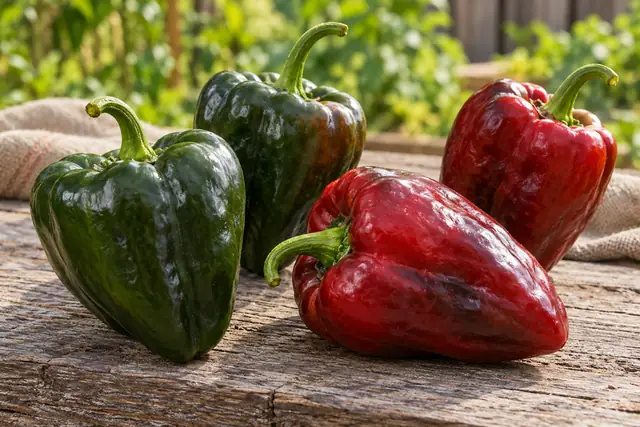
This image was created with AI from described plant characteristics and growing advice. It shows a possible situation and is not a photograph of a verified cultivar.
Fairly large, ribbed, heart-shaped Mexican chillies approximately 7–10 cm long, dark green turning dark red.
Choose this variety for broad, mild Mexican chillies and the option to use them green and red.
The variety is offered as mild and fragrant. The green kitchen stage is called poblano; that is a use description, not a second variety in this list.
Roast broad halves or use pieces in a sauce. The fleshy heart shape lends itself to different stuffing than a long, thin pepper.
Start early in warmth and preferably provide a long, sheltered season. Let large fruits hang freely and support laden branches.
Pick dark green for poblano use or let it ripen to dark red. Taste the harvest; a mild variety description does not rule out individual heat.
Read the source notes →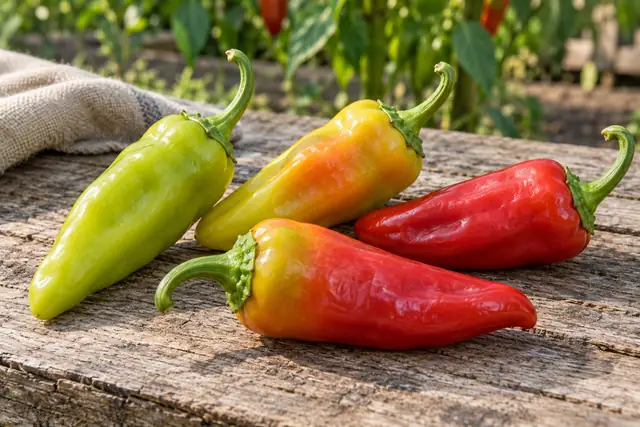
This image was created with AI from described plant characteristics and growing advice. It shows a possible situation and is not a photograph of a verified cultivar.
An old Italian selection with fruits approximately 7–10 cm long, green-yellow turning red, on a vigorous, compact plant.
Choose Pepperoncini for preserving small, milder chillies rather than an extremely hot habanero.
The source describes a sweet flavour and offers it as a mild chilli. This suits milder dishes without an absolute guarantee of mildness.
Use the harvest in a tested pickling recipe or dry ripe fruits. The supplier explicitly mentions both uses.
Start in warmth and provide a sunny, sheltered position. Even compact plants need enough water with abundant fruit set.
Pick at your preferred green-yellow or red stage and keep different sizes separate. Your own tasting determines how mild the harvest really is.
Read the source notes →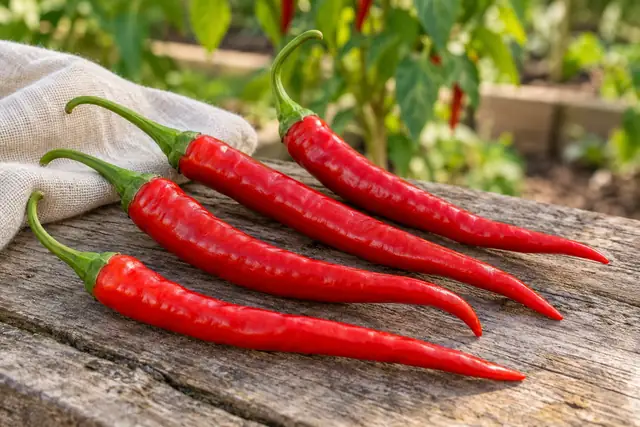
This image was created with AI from described plant characteristics and growing advice. It shows a possible situation and is not a photograph of a verified cultivar.
A hot cayenne chilli for anyone wanting a clearly spicy flavouring, also in a pot or under glass.
Choose Cayenne Long Slim for hot chilli in a practical crop. It is a named variety alongside the broader cayenne type.
The source states a hot flavour. No precise aroma note or guaranteed Scoville value is provided; add measured amounts.
Chop small amounts into sauce or use a suitable drying method for a spicy kitchen store.
Start in warmth in February–March and prick out into pots. Provide warmth and cold-night protection on balconies or outdoors.
Pick healthy, usable fruit and taste the heat of your harvest. Use only undamaged chillies for drying and let them dry completely.
Read the source notes →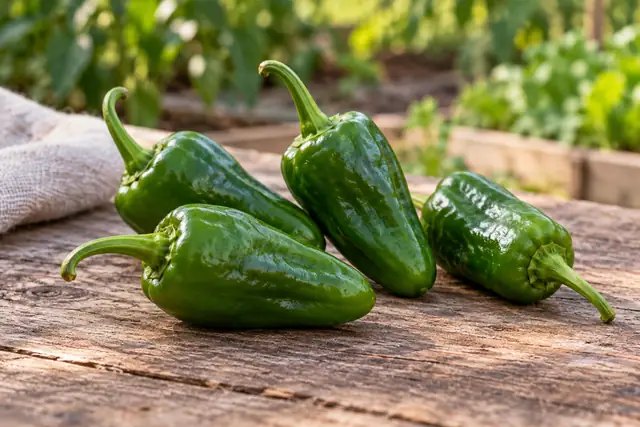
This image was created with AI from described plant characteristics and growing advice. It shows a possible situation and is not a photograph of a verified cultivar.
The Galician tapas chilli is usually picked young and green: a variety for small pan-cooked portions.
Choose Padrón for recognisable tapas and many small, green pickings rather than uniform hot sauce.
When young, this offering is usually mild to sweet, but some green fruit is already hot. Riper chillies can become stronger; surprise is part of Padrón.
Fry young whole chillies in oil and serve with salt. Tell diners that an individual chilli may be hotter.
Provide a warm greenhouse or sheltered pot position. Regular young picking maintains a supply of small table portions.
Harvest young and green for the usual tapas stage. A green appearance does not guarantee mildness, so taste again with each new harvest.
Also listed as: Padron.
Read the source notes →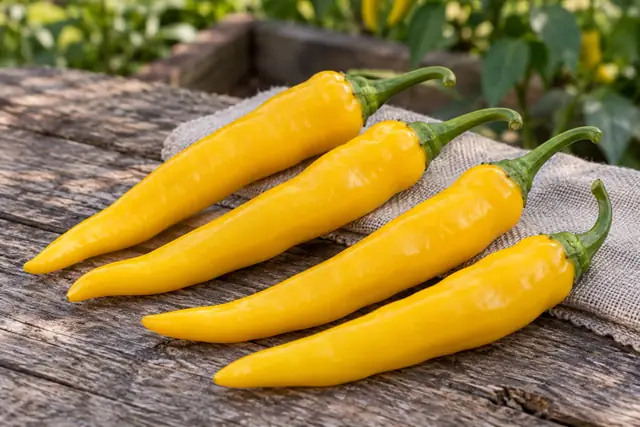
This image was created with AI from described plant characteristics and growing advice. It shows a possible situation and is not a photograph of a verified cultivar.
Straight, yellow chillies approximately 13 cm long on a relatively short crop with early fruit set.
Choose Koh Chang for yellow fruit, early fruit set and a shorter plant than orange Koh Tao.
The producer gives about 6,000 Scoville as a variety indication: clearly hotter than the stated 4,000 for Koh Tao, with variation between harvests.
Slice small yellow rings into a sauce or vegetable dish. Increase the amount gradually, especially when using several varieties together.
Start in warmth and support stems. Use the shorter-growth description as a selection aid, not a fixed height guarantee.
Pick fruits fully coloured yellow for a ripe harvest. Keep straight chillies clear of support ties and snip carefully.
Read the source notes →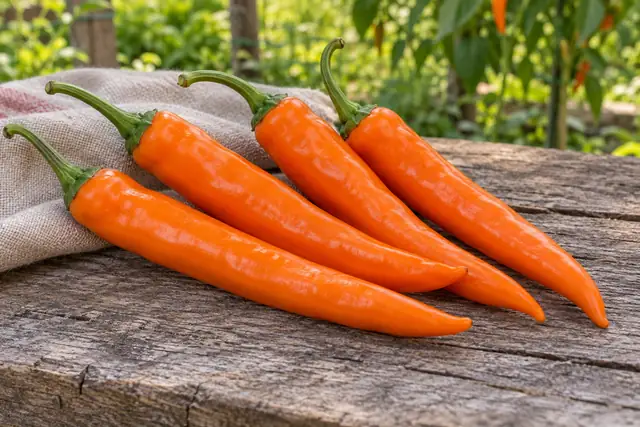
This image was created with AI from described plant characteristics and growing advice. It shows a possible situation and is not a photograph of a verified cultivar.
Straight, orange chillies approximately 14 cm long on a strong, taller crop: a colourful counterpart to Koh Chang.
Choose Koh Tao for orange ripening and a taller, productive crop; choose Koh Chang for yellow and shorter growth.
The producer gives about 4,000 Scoville as an indication. This is a variety comparison, not an exact figure for every chilli from your garden.
Use orange rings in a spicy dish or blend a small amount into sauce. Taste before adding more.
Provide warmth and taller support, as the variety forms taller plants. Leave airflow and picking space between branches.
Harvest fruit that has turned orange at a usable size. The stated length is an indication, not a minimum size for ripe fruit.
Read the source notes →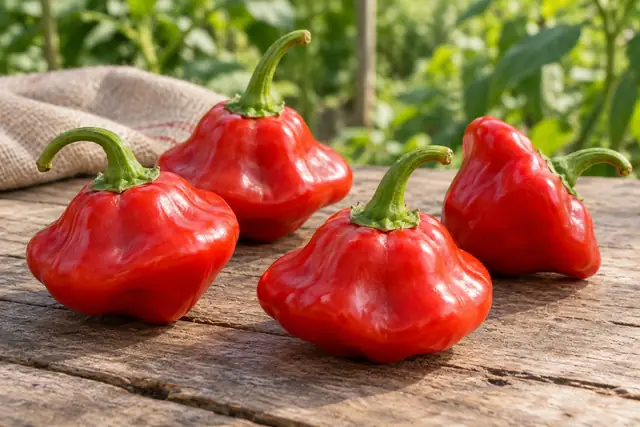
This image was created with AI from described plant characteristics and growing advice. It shows a possible situation and is not a photograph of a verified cultivar.
A striking red crown-shaped chilli on a vigorous crop, with an unusual eating experience within one fruit.
Choose Bishop Crown for unusual fruit and contrast between sweet edges and a hotter core, as an enthusiast's trial variety.
The source describes mildly sweet flesh with more heat around the centre. Not every part of the pepper therefore tastes equally hot.
Cut small pieces for a sauce and taste an outer edge separately from the centre. Removing seed membranes does not guarantee removal of all heat.
Provide plenty of warmth and room for a vigorous crop around a metre tall. Support branches carrying several fruits.
Let the fruits turn red for a ripe harvest. Taste again at each picking and do not treat the sweet flavour at the edges as a guarantee that the whole fruit is mild.
Read the source notes →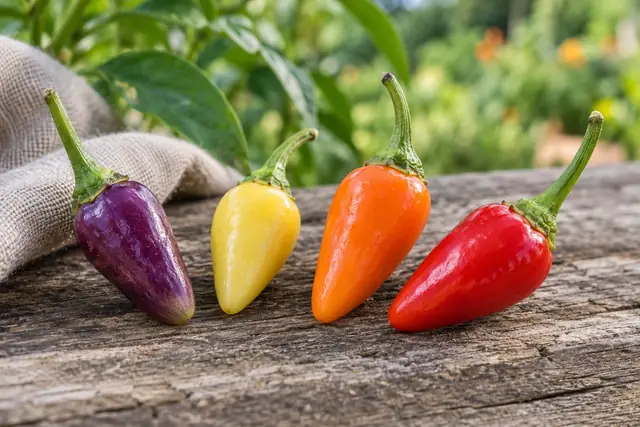
This image was created with AI from described plant characteristics and growing advice. It shows a possible situation and is not a photograph of a verified cultivar.
Small upright chillies about 1–2 cm long change from purple through yellow and orange to red on a bushy plant.
Choose Numex Twilight if a pot of many small, colourful fruits should also give an edible, hot harvest.
This offering is very hot. No separate aroma is described; its main combination is strong heat and colourful ornamental appeal.
Use only small quantities finely chopped in sauce. Wear gloves when cutting and test the amount in the dish, not by eating a whole chilli at once.
Start early in warm conditions, as the source describes late development. Provide a warm position and leave enough space around the bushy crop.
Red is the final colour stage. Leave several stages on the plant for ornament or pick healthy, ripe fruit for a small hot supply.
Read the source notes →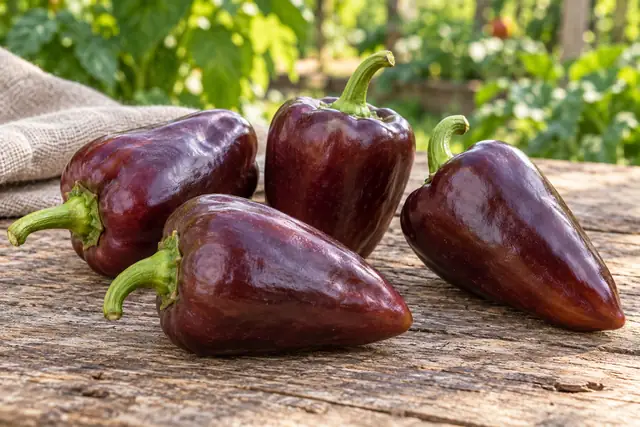
This image was created with AI from described plant characteristics and growing advice. It shows a possible situation and is not a photograph of a verified cultivar.
Purple-brown fruits with thick flesh: a dark chilli for substantial, hot sauces.
Choose Purple for dark ripening colour and fleshy, hot fruits rather than thin chillies for quick drying.
The source describes strong heat and thick flesh. The dark colour does not make this selection mild.
Use a small amount in sauce where fleshy texture is welcome too. Compare first with your usual red chilli.
Start in warmth and provide a sunny greenhouse or pot position. Keep water and feed steady during fruit growth.
Harvest healthy, firm, purple-brown ripe fruits. Final colour depends on variety; do not automatically wait for red.
Read the source notes →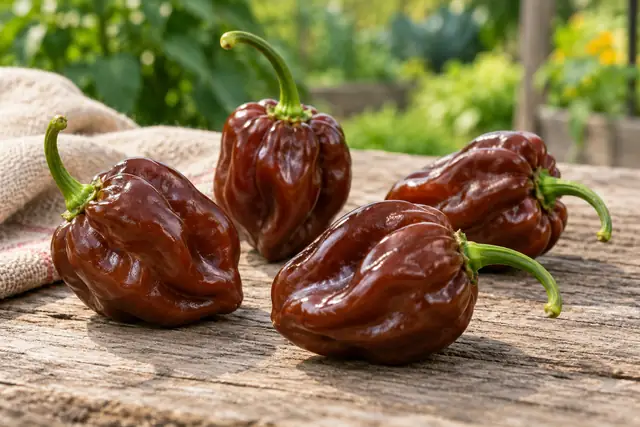
This image was created with AI from described plant characteristics and growing advice. It shows a possible situation and is not a photograph of a verified cultivar.
Wrinkled lanterns about 5 cm long turn from green to chocolate brown: a habanero type for strong-chilli enthusiasts.
Choose this type for strong habanero heat and brown ripening. The offering does not establish a separate cultivar identity under an official variety name.
Fruitiness is described alongside extreme heat. Brown colour does not mean chocolate or cocoa aroma.
Use very little finely chopped chilli in a sauce so the fruity character remains recognisable alongside the heat. Wear gloves.
Start early in warmth and provide a long greenhouse or sheltered container season. Do not leave outdoors as nights turn cold.
Pick healthy fruit that has turned chocolate brown. Keep it separate from milder chillies so that a kitchen portion does not accidentally become much hotter.
Read the source notes →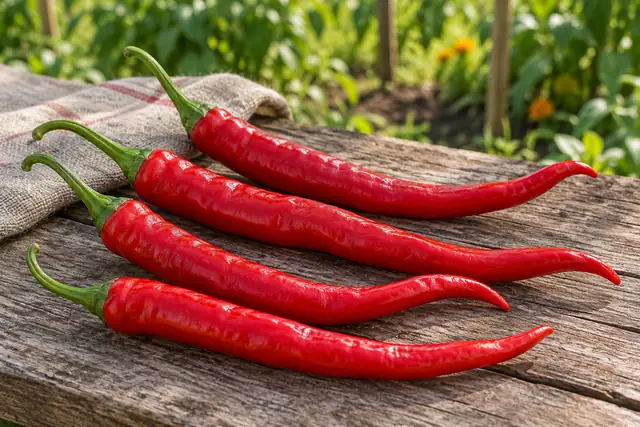
This image was created with AI from described plant characteristics and growing advice. It shows a possible situation and is not a photograph of a verified cultivar.
A cayenne offering with long slender red fruits about 15–20 cm long, intended for pungent seasoning and drying.
Choose this selection for a hot, red cayenne without pretending every cayenne type is one exact variety.
A very hot flavour is described. The type designation does not establish a uniform Scoville value or proven identity with Cayenne Long Slim.
Dry healthy, ripe chillies using a suitable method, or chop a little fresh chilli into a sauce. The slender shape suits a supply of dried chillies.
Provide a warm position and support for a plant that can reach about a metre. Start early enough to allow red ripening.
Pick undamaged, red-ripe fruits. Do not dry wet or damaged chillies; check stores are thoroughly dried.
Read the source notes →From a garden bed to a suitable pot or support: give your plant a place that suits your garden and the care you can provide.
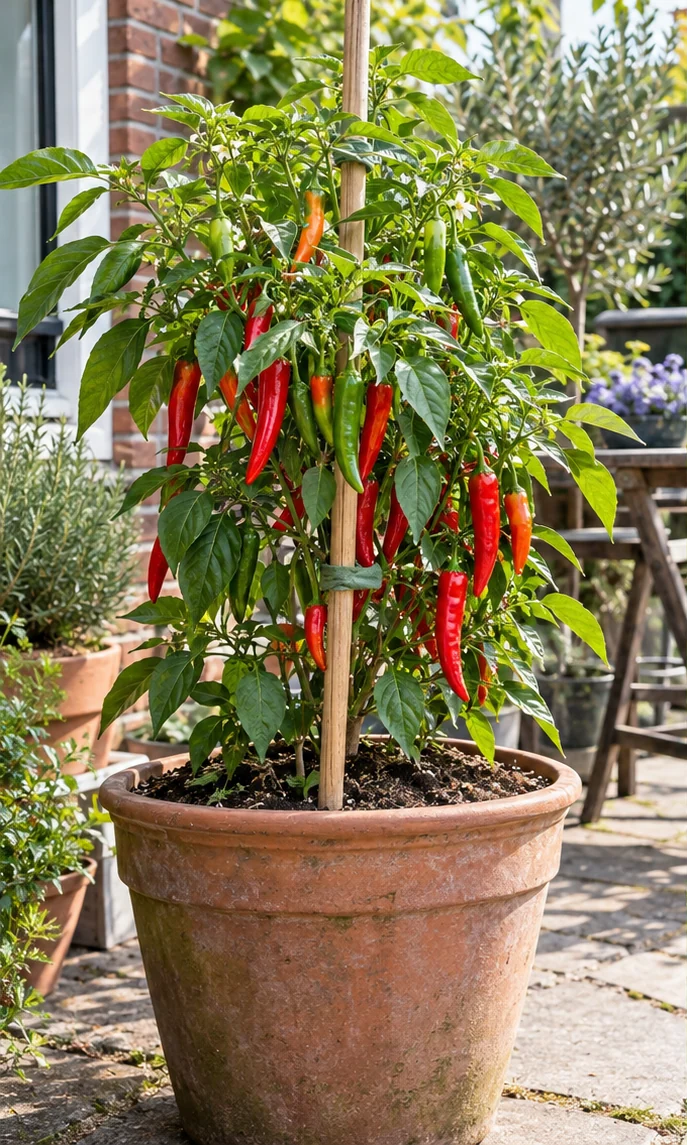
This image was created with AI from described plant characteristics and growing advice. It shows a possible situation and is not a photograph of a verified cultivar.
A pot makes a small chilli crop movable and easy to monitor.
For a warm balcony or patio where cold and drying can be actively monitored.
Tick off your supplies →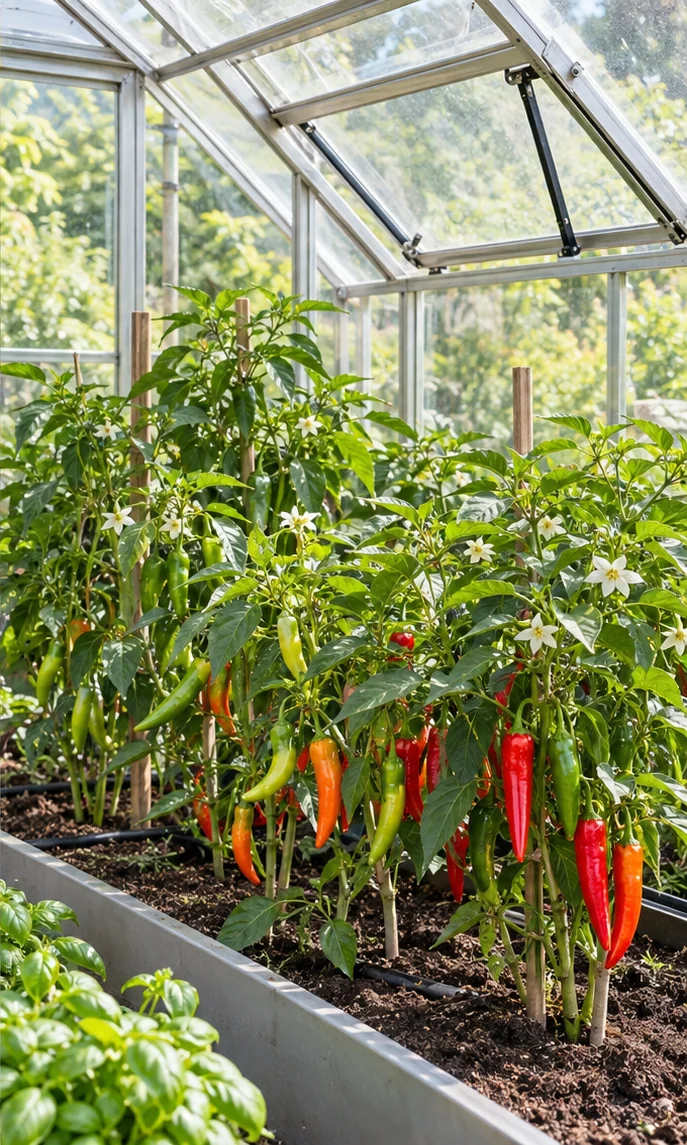
This image was created with AI from described plant characteristics and growing advice. It shows a possible situation and is not a photograph of a verified cultivar.
Under glass, a warmth-demanding variety has more sheltered ripening time.
For a longer warm season; a greenhouse can also overheat.
Tick off your supplies →See the confirmed differences. Characteristics without supporting evidence are left blank.
3 of 3 varieties
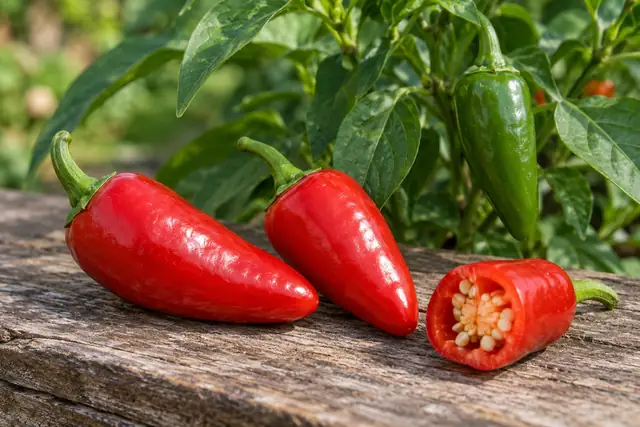
This image was created with AI from described plant characteristics and growing advice. It shows a possible situation and is not a photograph of a verified cultivar.
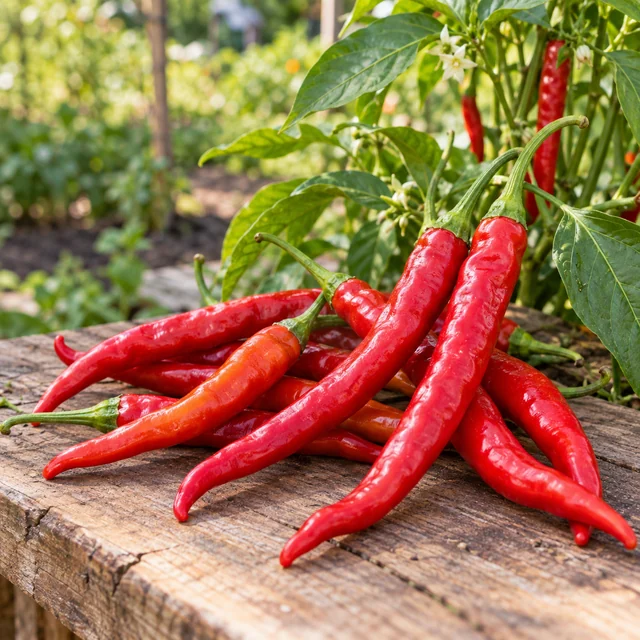
This image was created with AI from described plant characteristics and growing advice. It shows a possible situation and is not a photograph of a verified cultivar.
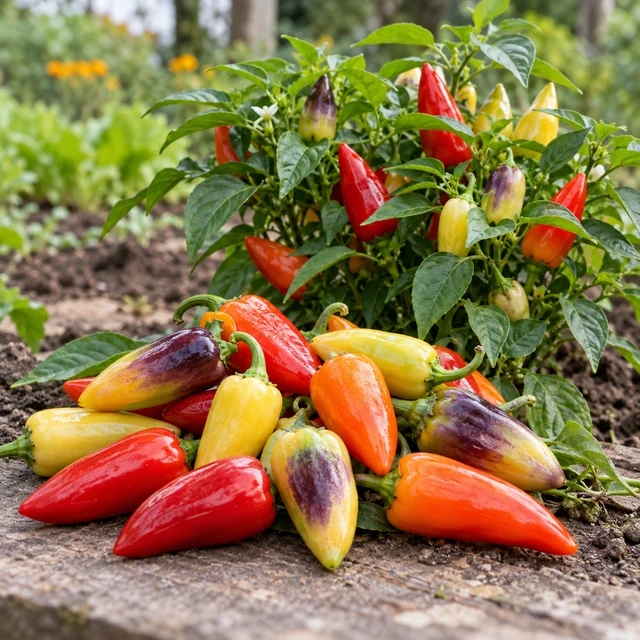
This image was created with AI from described plant characteristics and growing advice. It shows a possible situation and is not a photograph of a verified cultivar.
Choose two to four varieties to compare their source data side by side.
Cayorange: A very early-ripening chilli with bright yellow-orange fruits, also selected for promising outdoor growing in warmth. Add a small amount of ripe chilli to a sauce and increase the quantity after tasting. The colour gives a different accent from red chilli.
The source mentions consistently good scent and flavour, without an exact heat rating. Orange colour does not prove that it is a mild sweet pepper.
Westlandse Lange Rode: A familiar elongated, pointed chilli that changes from green to red, suitable for fresh picking and drying. Finely chop red-ripe chillies for a sauce or dry sound fruits for later. Start with little and adjust the amount.
The source describes a hot flavour. Other listings differ in their heat ratings; taste your own harvest rather than relying on a fixed guarantee of heat.
Lombardo: A mid-early cultivar with long, slender, pointed fruits, changing from light green to bright red, on a strongly branching plant. Use thin rings in a vegetable dish or preserve the harvest using a proven recipe. The source recommends it for preserving.
Sweet flesh and a mild profile are described. Lombardo is therefore a different choice from a hot cayenne.
Black Hungarian: Purple flowers and conical, Jalapeño-like fruits that ripen from almost black to dark red make this Hungarian cultivar distinctive. Use rings in a salsa or cook small pieces with a dish. Taste a small amount before adding a whole fruit.
Juicy flesh and a well-regarded flavour are described; the offering is listed among hot chillies. A fixed Scoville value has not been established.
Chillies include several types with different shapes, growing periods and heat levels. Look at the full cultivar description and the warm season available to you. Colour alone does not measure heat. Start with a manageable number of plants so you can also use the harvest. Keep the cultivar name and your own tasting notes with the crop.
Chillies need a long period of raising compared with many summer vegetables. Sow in warmth in early spring and give seedlings light after emergence. A heat mat may support germination but also dries the sowing compost faster. Check moisture accordingly. Buy a healthy young plant if you have no suitable bright place for raising one.
Let plants acclimatise gradually to sun and outdoor air. Chillies do not tolerate frost; cold nights may slow growth and fruit set. Choose a sheltered spot or greenhouse and check the local forecast. The American calendar differs from the Dutch one. The useful starting point is a genuinely warm planting-out time, not a fixed date on the packet.
Set the plant at about the same depth as in its growing-on pot and retain the rootball. Use soil or a growing medium that retains moisture and drains excess water. A pot must be large enough for the chosen type. Put in support early if necessary, so you do not need to push it through a full rootball later.
Water at the base when the root zone dries out. A warm pot particularly needs more frequent checks. Too much nitrogen can produce plentiful leaves and slower fruiting, so more feed is not automatically better. Follow the product dosage and soil conditions. Keep leaves as dry as possible and give greenhouse plants fresh air on hot days.
When flowers drop, first consider heat, cold and moisture. Check curled or sticky leaves for aphids. A sunken patch at the end of a fruit may relate to disrupted moisture uptake. Take a photograph and watch whether the problem continues before intervening; one damaged fruit does not describe the plant's whole condition.
Some chillies are deliberately harvested green; others are left to develop more colour. Check the use and ripe colour appropriate to the cultivar. Cut with sharp scissors and support the branch with your other hand. Do not pull at a firmly attached fruit. Regular harvesting helps keep the crop in a useful picking rhythm.
Wear gloves when cutting hot chillies or processing a large harvest. Do not touch your eyes or face immediately afterwards, and clean your hands and tools. Start with a small amount when cooking. Record what you used for each cultivar and how you experienced its flavour; this is more useful than assigning the same heat to every fruit.
Tick what you already have. The extras depend on how you grow.
0 of 6 ticked off
Your ticks are saved in this browser.
SeedSteps editorial team · updated on 11 October 2026. The AI images illustrate species and practical growing situations; they do not prove an exact cultivar, observations from your own garden or yield.
Britse gewasadviezen worden gecombineerd met Nederlandse en Vlaamse informatie waar beschikbaar. Amerikaanse Extension-bronnen ondersteunen plantprincipes en herkenning; hun kalenderdata, lokale plaagdruk, bestrijdingsmiddelen en mestdoseringen worden niet rechtstreeks op Nederland of Vlaanderen toegepast. Vorst, bodemwarmte, standplaats en expliciete rasinformatie blijven de lokale controle. Commerciële bronnen onderbouwen uitsluitend benoemde ras- en plantkenmerken; zij zijn geen affiliate-aanbeveling.
Supporting evidence by chapter: Choose by flavour, shape and use: Feggies, Culinaris, Feggies, De Bolster, Feggies, Feggies, Kokopelli. Choose a cultivar without expecting fixed heat: Royal Horticultural Society, University of Minnesota Extension. Start early, in warmth and with enough light: Royal Horticultural Society, University of Minnesota Extension. Wait for suitable nights before moving outdoors: Royal Horticultural Society, University of Minnesota Extension. Give the roots a steady start: Royal Horticultural Society, University of Minnesota Extension. Keep moisture and feeding balanced: Royal Horticultural Society, University of Minnesota Extension. Look at flowers, leaves and fruit together: Royal Horticultural Society, University of Minnesota Extension. Cut the stalk and follow the cultivar: Royal Horticultural Society, University of Minnesota Extension. Handle hot fruits carefully: Royal Horticultural Society, University of Minnesota Extension.
