Loading the garden guide…
Loading the garden guide…
Mohawk is a compact sweet pepper for pots in a sunny position. Follow it from raising to harvest and discover why the sources give no unambiguous answer on ripening colour.
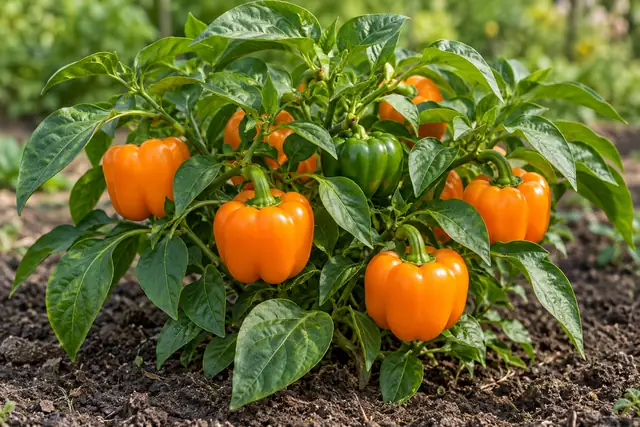
This image was created with AI from described plant characteristics and growing advice. It shows a possible situation and is not a photograph of a verified cultivar.
This growing advice helps you choose. Your variety, growth stage, weather and conditions in your space determine the actual timing.
Start under cover in warmth · Chillies & sweet peppers
Mid-February–early March for greenhouse growingStart indoors in warmth and reserve enough bright space for raising plants.
Sweet pepper needs a long season. Very early sowing without enough light gives no head start. For outdoor growing, a suitable early cultivar may be sown later; follow seed guidance.
RHS · paprika ↗Britse teeltrichtlijn voor een gematigd klimaat; de genoemde perioden zijn richtlijnen voor Nederland en Vlaanderen.
Guideline periods for the Netherlands and Flanders. Check the variety, available light, soil and measured temperatures. Greenhouse heating does not guarantee enough winter light.
The source context and any limitations are in the background information at the bottom.
Compare with another varietyThe options below belong to the plant. From these, choose the method that suits your variety's growth habit.
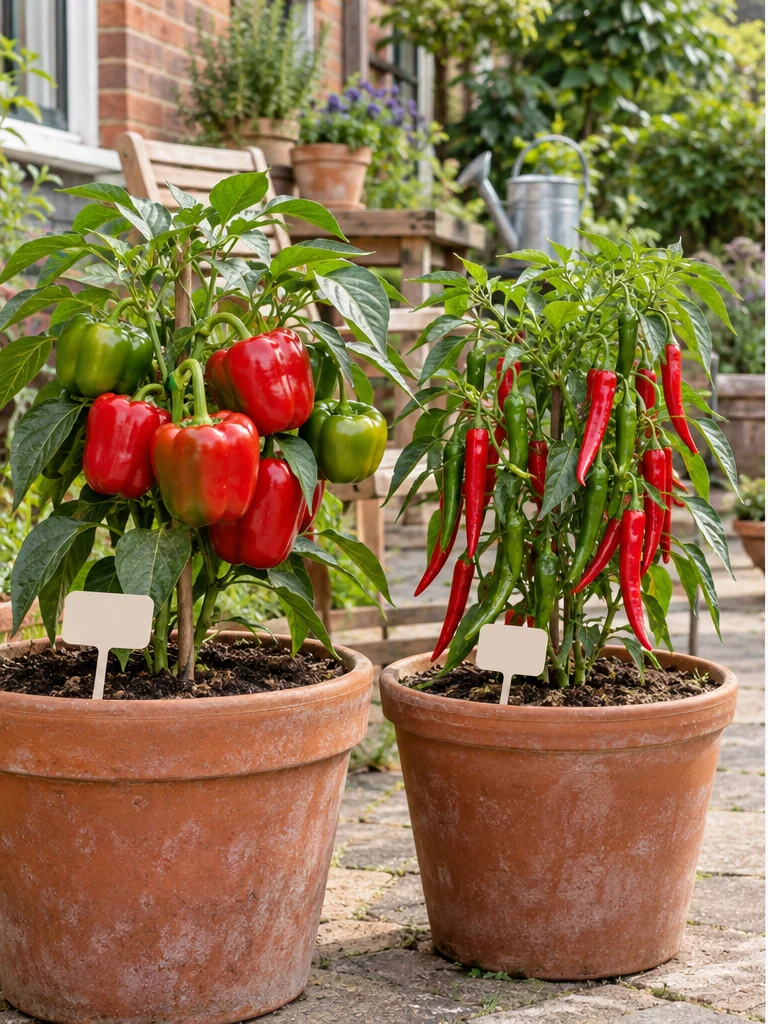
This image was created with AI from described plant characteristics and growing advice. It shows a possible situation and is not a photograph of a verified cultivar.
A sweet and a hot selection side by side make the difference visible.
For a warm, sheltered patio where both plants can receive regular care.
Tick off your supplies →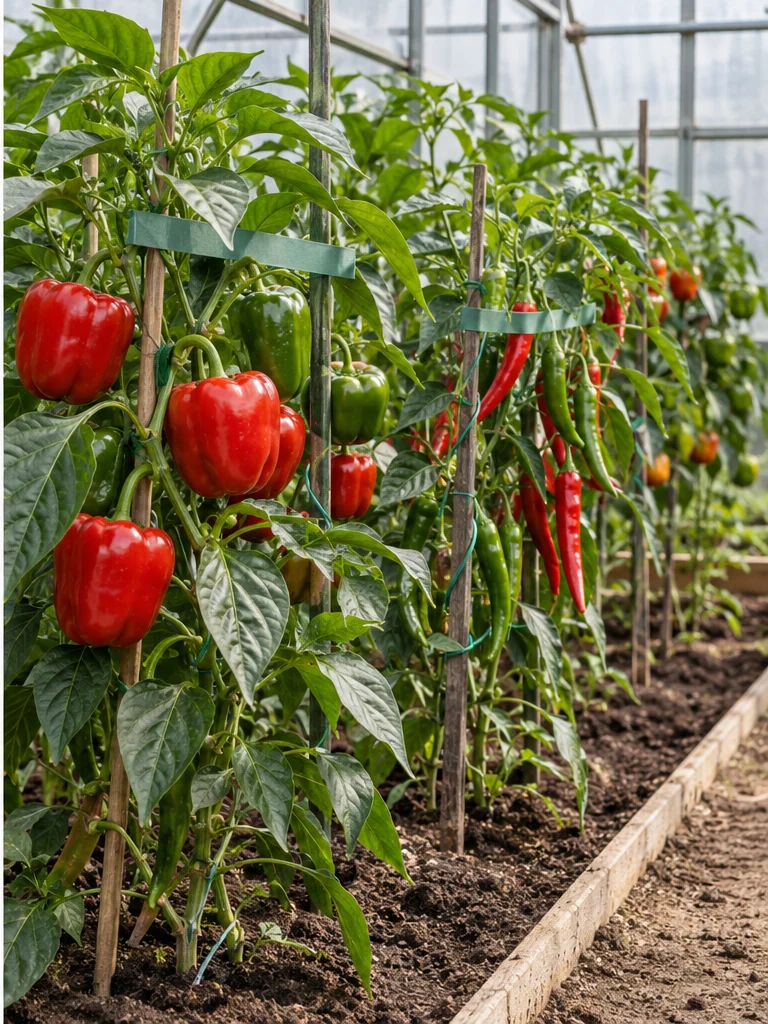
This image was created with AI from described plant characteristics and growing advice. It shows a possible situation and is not a photograph of a verified cultivar.
Under glass, sweet and hot varieties can each have their own space.
For a hobby greenhouse; one schedule must not hide differences between large sweet peppers and small chillies.
Tick off your supplies →According to the RHS, Mohawk is a dwarf sweet pepper reaching about 50 centimetres. Blocky fruit can reach 9 centimetres. This interests container growers. Sizes remain British references: compare your own plant's development.
The RHS lists Mohawk for patio and pot growing. Choose sun, shelter and fertile soil staying moist yet draining. Compact plants use less height, but roots still need growth room. Treat pots as final growing sites, not merely holders.
Start raising with warmth and light. Label variety and sowing date. Remove covering once seedlings appear and keep compost moist without saturation. Give each growing plant its own pot once large enough to handle.
Fruiting crops pass through growth, flowering and fruit set, needing long seasons and direct sun. Observe shifting patio shade throughout the day. The university source calls peppers frost-sensitive; adapt outdoor moves to your own conditions.
Small plants can carry laden branches. Observe weight distribution and support when needed. Keep ties soft and loose. Peppers need no routine topping; it can delay fruiting and therefore requires a deliberate choice.
Many leaves and little fruit do not automatically call for feed. Excess nitrogen may promote foliage and delay fruiting. Assess soil or compost and flower development. Let observations guide care so every addition has a clear reason.
The RHS profile describes dark green turning bright yellow; Thompson & Morgan gives an orange final colour. We therefore state no single colour as certain. Check your supplier's description and follow changes. Cut stalks when harvesting to preserve branches.
Use peppers raw in salad or cooked, considering ripeness when tasting. Save variety, pot position and first harvest date in My garden. Compare this compact plant's patio performance later without judging against generic yield promises.
Tick what you already have. The extras depend on how you grow.
0 of 6 ticked off
Your ticks are saved in this browser.
SeedSteps editorial team · updated on 11 October 2026. The AI images illustrate species and practical growing situations; they do not prove an exact cultivar, observations from your own garden or yield.
Britse gewasadviezen worden gecombineerd met Nederlandse en Vlaamse informatie waar beschikbaar. Amerikaanse Extension-bronnen ondersteunen plantprincipes en herkenning; hun kalenderdata, lokale plaagdruk, bestrijdingsmiddelen en mestdoseringen worden niet rechtstreeks op Nederland of Vlaanderen toegepast. Vorst, bodemwarmte, standplaats en expliciete rasinformatie blijven de lokale controle. Commerciële bronnen onderbouwen uitsluitend benoemde ras- en plantkenmerken; zij zijn geen affiliate-aanbeveling.
Supporting evidence by chapter: A small plant with recognisable block-shaped fruits: Royal Horticultural Society. Make the pot a complete growing environment: Royal Horticultural Society. The story starts in a light, warm position: Royal Horticultural Society. A patio also needs sufficient sun: North Carolina State University Extension. Compact does not mean support is never needed: Royal Horticultural Society. Read the plant before giving extra feed: University of Minnesota Extension. Sources differ on ripening colour: Royal Horticultural Society, Thompson & Morgan, University of Maryland Extension. From patio plant to your own trial note: Velt.
Fruit length: Tot 9 cm Brits rasprofiel; referentiewaarde, geen garantie voor jouw plant. Royal Horticultural Society
Fruit shape: Block-shaped (bell) Rasspecifieke beschrijving in de Britse tuinbron; teeltomstandigheden kunnen lokaal verschillen. Royal Horticultural Society
Growth habit: Dwarf form Rasspecifieke beschrijving in de Britse tuinbron; teeltomstandigheden kunnen lokaal verschillen. Royal Horticultural Society
Height: Up to 50 cm Brits rasprofiel; referentiewaarde, geen garantie voor jouw plant. Royal Horticultural Society
Light: Full sun Brits rasprofiel; referentiewaarde, geen garantie voor jouw plant. Royal Horticultural Society
Suitable for pots: Yes Rasspecifieke beschrijving in de Britse tuinbron; teeltomstandigheden kunnen lokaal verschillen. Royal Horticultural Society
