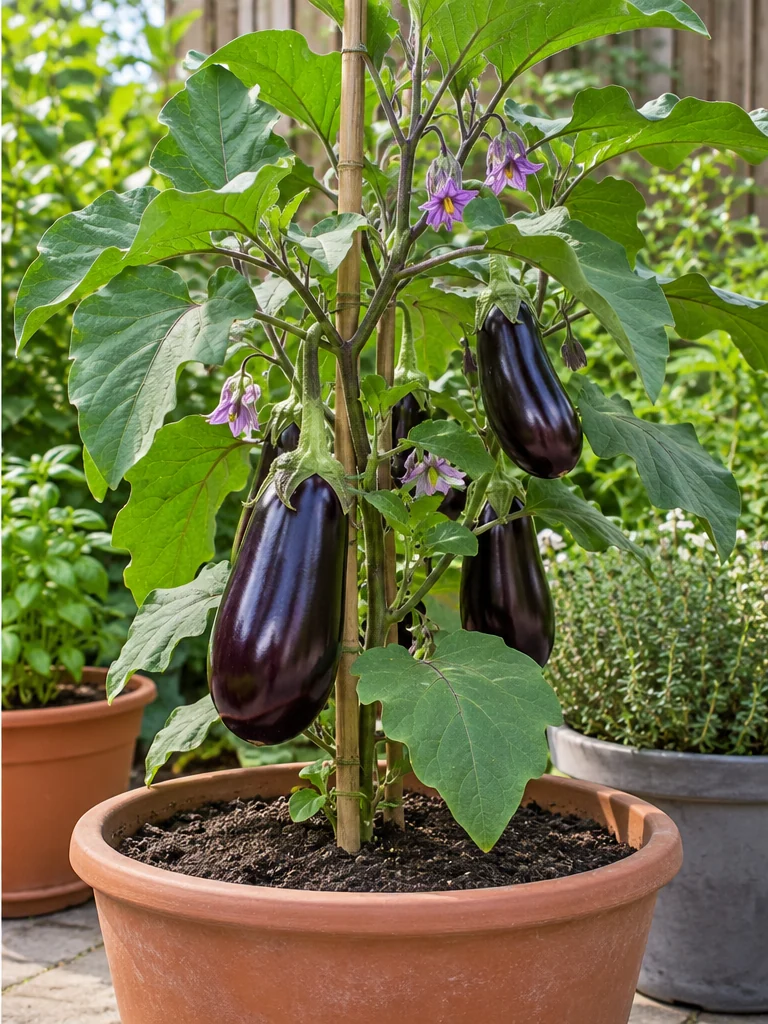
Choose by flavour, shape and use
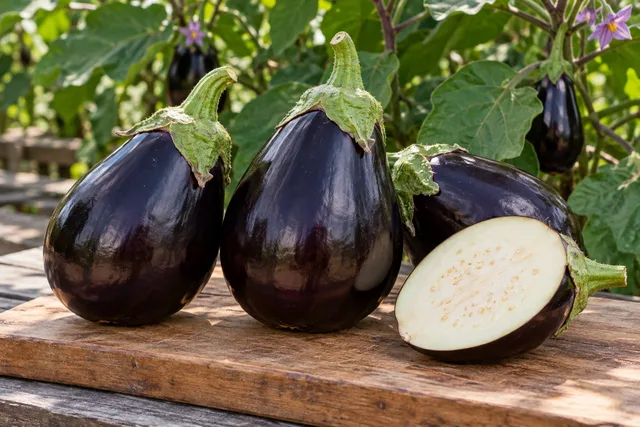
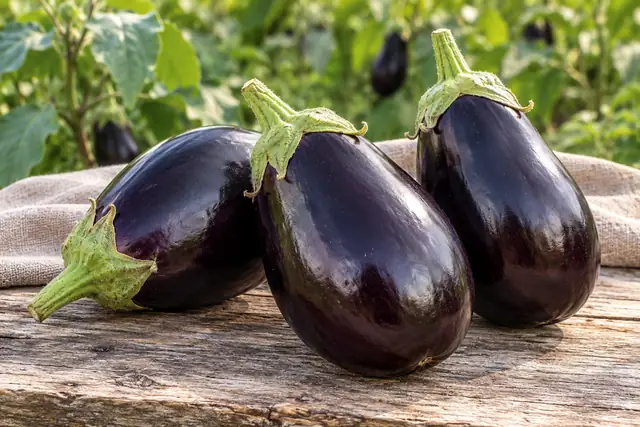
Aswad: An Iraqi aubergine with large, almost black, teardrop-shaped fruits: a real centrepiece in the greenhouse. Cut thick slices for grilling or roast a whole fruit for baba ganoush; its substantial size provides plenty of usable flesh.
The distinction lies in firm, relatively dry flesh. After roasting, expect primarily a substantial aubergine texture, not a proven different aroma.
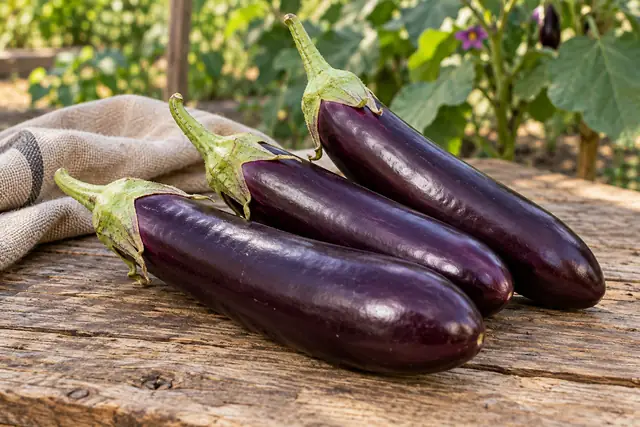
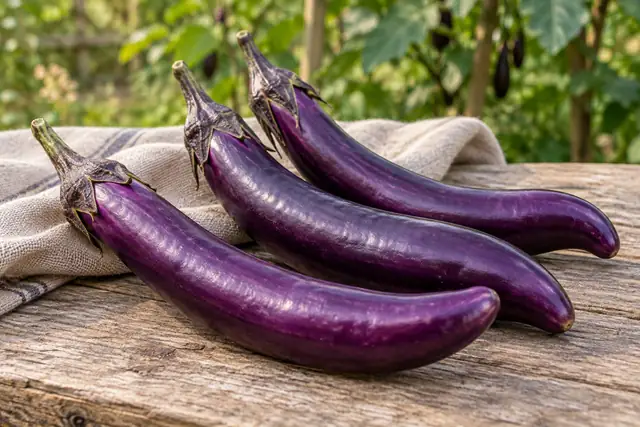
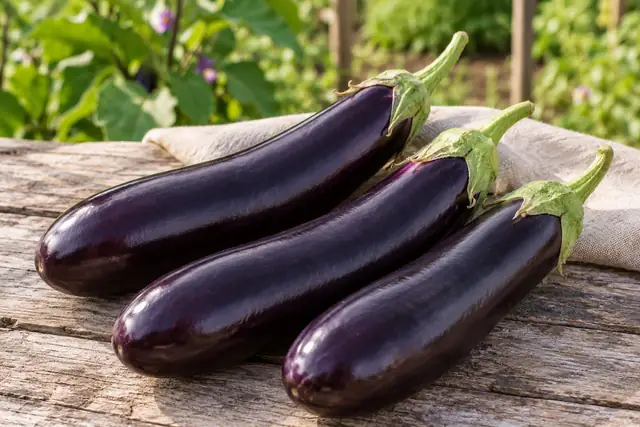
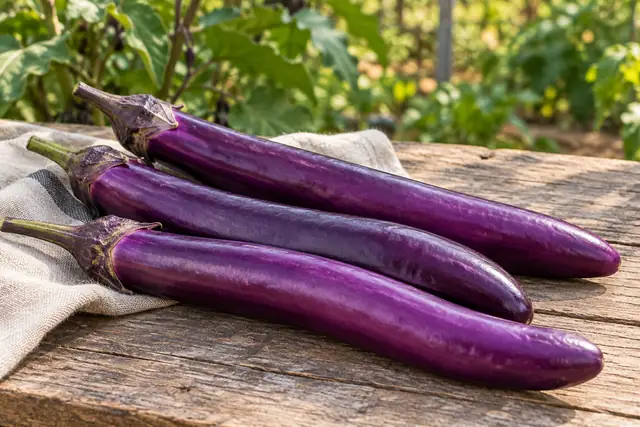
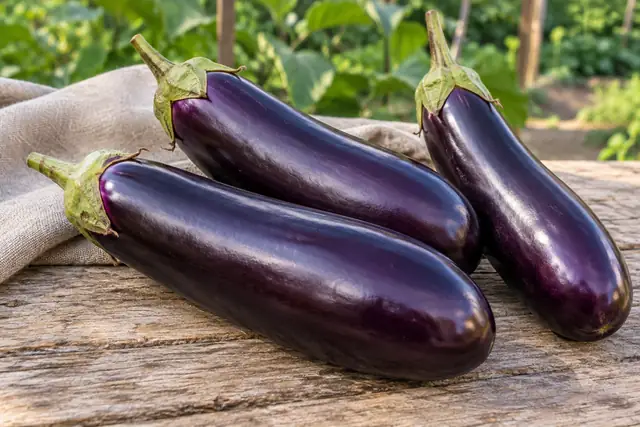
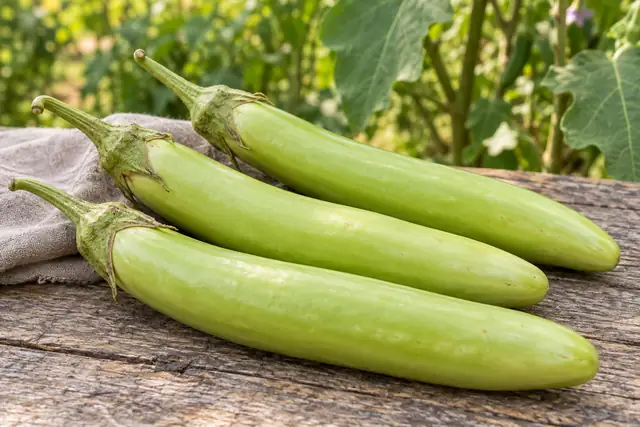
Violetta Lunga 3: Slender, dark purple fruits with a green calyx give this fairly early cultivar a classic Italian appearance. Cut long slices for ricotta rolls or even rounds for a small ovenproof dish.
A separate flavour profile is not described. The general aubergine flavour comes into its own when the slender fruits are fried or grilled until cooked.
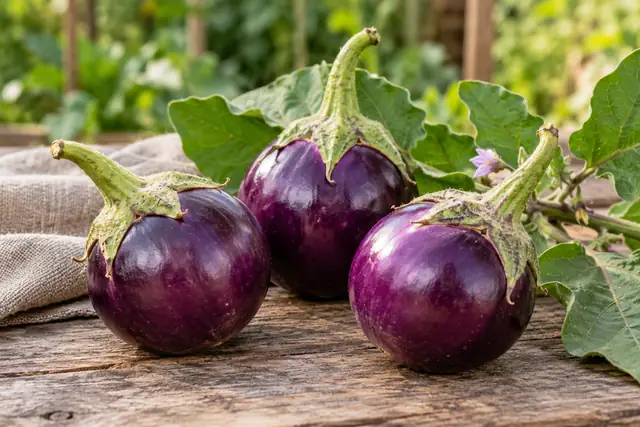
Bambino: A compact plant full of round, purple cocktail aubergines: small fruit is what makes the difference here. Halve the cocktail fruits for a vegetable traybake or serve them as small stuffed bites.
No separate aroma has been established. The small aubergines offer the same versatile crop flavour, in short pieces that cook evenly with ease.
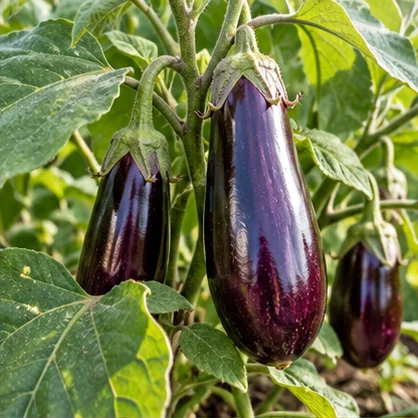
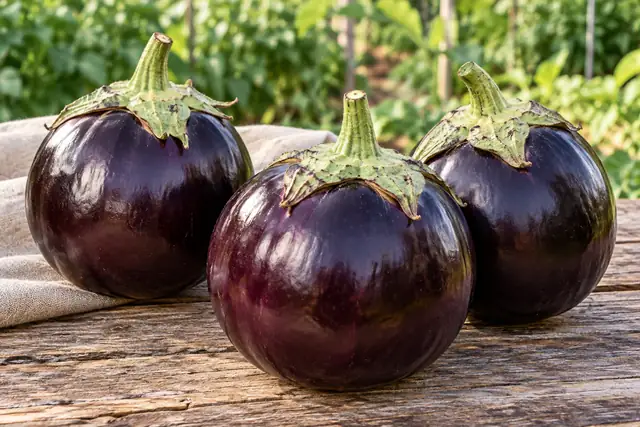
Black Beauty: The familiar broad, glossy, purple-black aubergine: recognisable, versatile and attractive beside white or striped cultivars. Use broad slices for moussaka or fry cubes for a tomato sauce. Roasting with oil softens the flesh.
The supplier describes a mild, slightly sweet flavour and soft, creamy flesh. That creamy character develops particularly with sufficient cooking.
Choose a fruit shape that suits your space
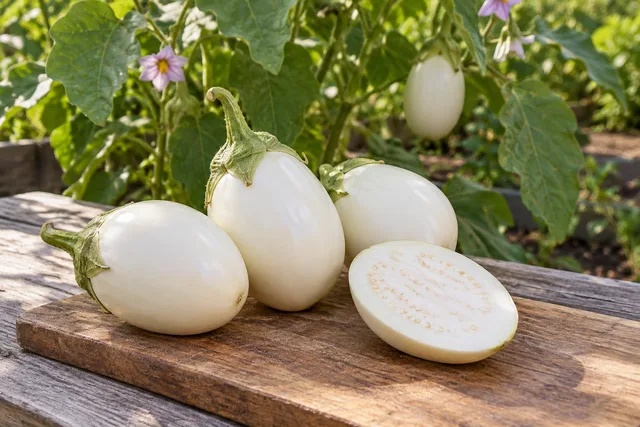
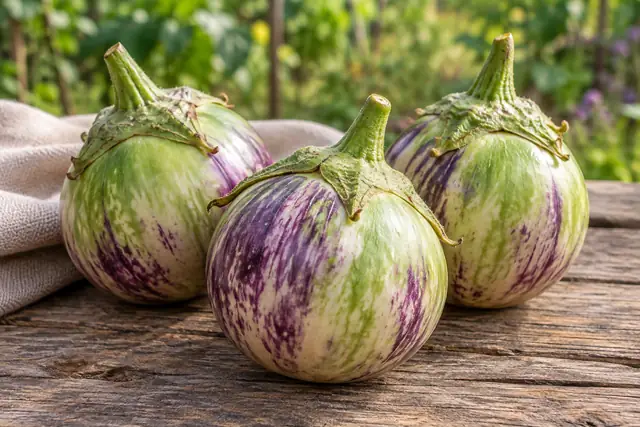
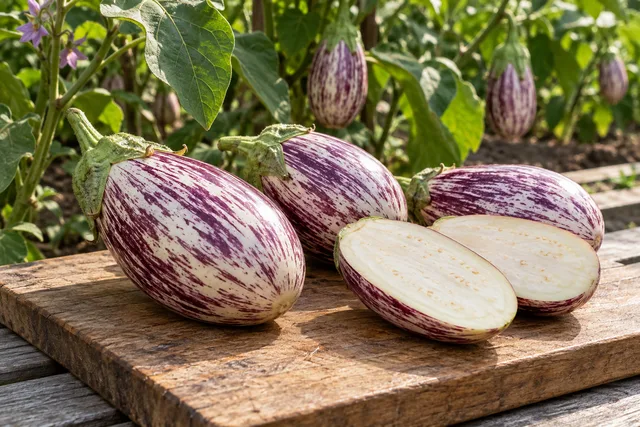
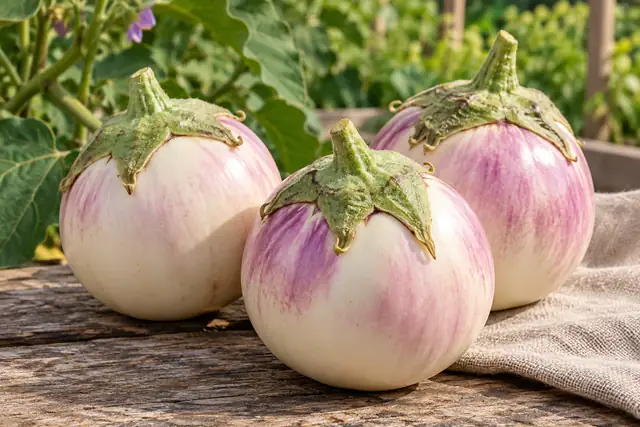
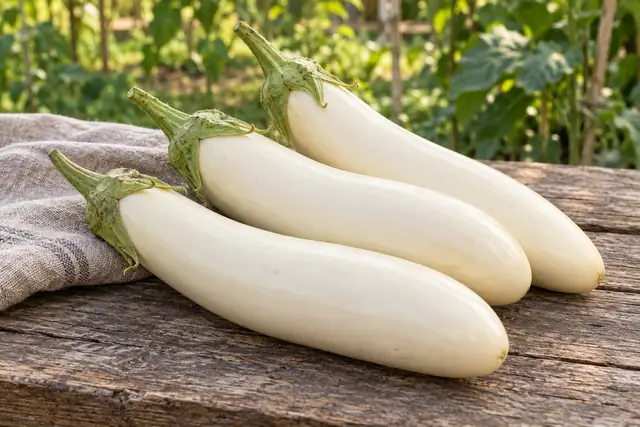
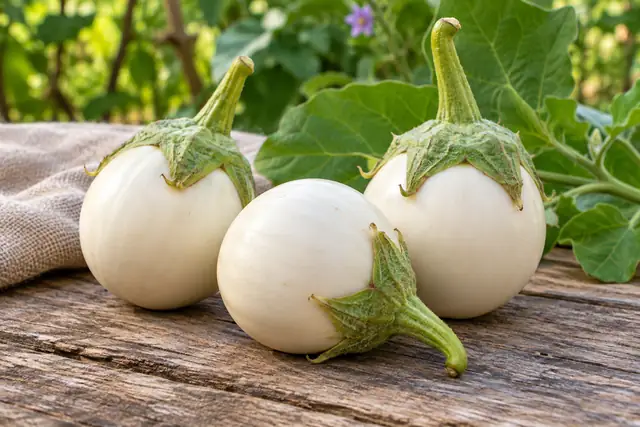
Aubergines vary in size and colour, from round purple fruits to elongated or paler forms. Above all, choose a cultivar with documented growth suited to your greenhouse or pot. An impressively large fruit on a packet says little about how easy it will be to grow on a cool balcony.
Start early, but provide light too
Sow indoors in late winter or early spring; aubergines need warmth to germinate and a long period of raising. Keep the seed compost moist without saturating it. Once plants emerge, light matters just as much as warmth. Very early sowing on a dark windowsill may produce weak, leggy plants.
Give every seedling growing space
Prick out carefully once true leaves are present and move the young plant into a larger pot in good time. Protect the rootball and support the plant when moving it. Keep growth steady with even moisture and enough light. Buying a young plant is a good option when raising plants at home would be too dark.
Warmth determines the chance of a harvest
A greenhouse or tunnel makes growing more reliable in a cool climate. Outdoors, choose your warmest sheltered position and plant only after the risk of frost. Harden the plant off gradually. Follow night temperatures: a warm afternoon can be followed by cold that stalls growth for a long time.
Retain moisture without waterlogging
Use fertile, well-drained soil. A pot needs enough volume for a useful water reserve. Water the soil and check regularly in warm weather. Adapt feeding to the soil and product label. Extra fertiliser does not compensate for cold roots or low light; assess those conditions before adding feed.
Provide support as the fruit load increases
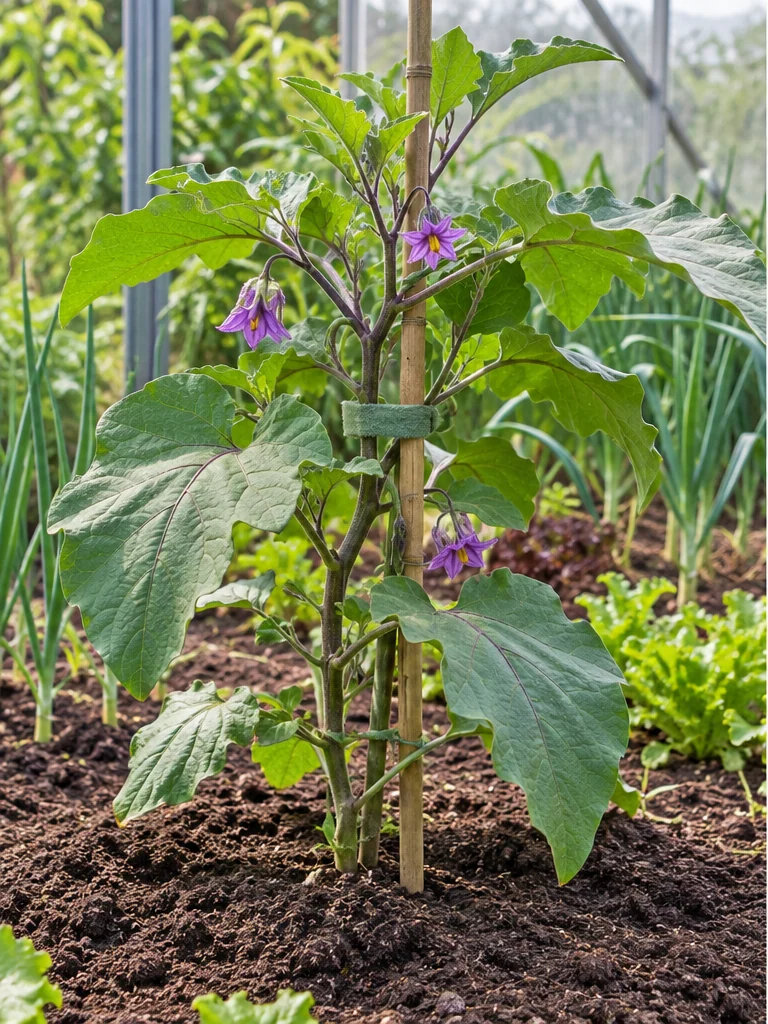
A stake beside the young plant avoids having to push through the roots later. Tie the main stem loosely with soft material and check that room remains for thickening. A heavy fruit can also load a side branch. Prune or pinch out only with a suitable growing plan; random cutting does not automatically bring an earlier harvest.
Follow flowers, leaves and greenhouse air
Plants growing poorly need checks for warmth, moisture and root space. When damage appears, inspect the undersides of leaves, where spider mites or whitefly may occur. Ventilate a warm greenhouse and avoid prolonged leaf wetness. A dropped flower has several possible causes; do not treat on a guess.
Pick while the skin is still glossy
Harvest a fruit at a useful size for the cultivar while it is still firm and glossy. Leaving it too long produces coarser seeds and tougher flesh. Cut the stalk with scissors without tugging the branch. Use the aubergine soon after harvesting or keep it briefly in a cool place.