Skip to content
SeedStepsYour vegetable garden, one step at a time.My garden
Plants and varieties for your garden

Discover what you can grow.

Vegetables, fruit, flowers and herbs. Start with a plant and discover its varieties.

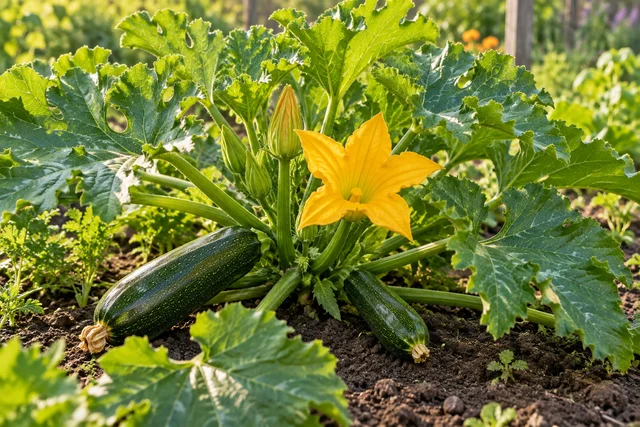
Courgette plant with a flower and young fruit
AI illustration

This image was created with AI from described plant characteristics and growing advice. It shows a possible situation and is not a photograph of a verified cultivar.

New · Courgette

A summer of harvests starts here.

Discover round, striped, yellow and trailing courgettes, their flavours and ways to grow them.

Discover courgettes →
Clear filters

938 results

Page 5
Gardening guide

Black Hungarian: discover its flavour and how to grow it

Purple flowers and cone-shaped, Jalapeño-like fruit ripening from almost black to dark red make this Hungarian variety distinctive. Choose Black Hungarian for colour in flowers and fruit, and a juicy conical shape rather than long, thin cayennes.

Read more
Gardening guide

Black Mexican: discover its flavour and how to grow it

An old, early sweetcorn whose kernels are white when young and turn black at full maturity. Choose Black Mexican for an early heirloom and white-to-black transition, with clearly separate eating and seed maturity.

Read more
Gardening guide

Black Plum: discover the flavour and growing

Small-to-medium, dark red, oval plum tomatoes, also called Prune Noire; the producer confirms the names are synonyms. Choose Black Plum for a dark, practical plum tomato with fresh and cooked uses. Prune Noire counts as the same selection.

Read more
Gardening guide

Black Shadow: discover its flavour and how to grow it

An indigo tomato with gold and red beneath sunlight-dependent dark markings, from Lee Goodwin's selection. For a lover of colour variation who wants to see another indigo selection beside Indigo Rose. Both names remain separate selections.

Read more
Gardening guide

Black and Brown Boar: discover its flavour and how to grow it

Reddish-brown fruits develop bright, metallic green stripes, with dark, thick, very juicy flesh. Choose this variety for dark, striped fruit and a juicy, rich profile. It is a named selection, not a mixture of black varieties.

Read more
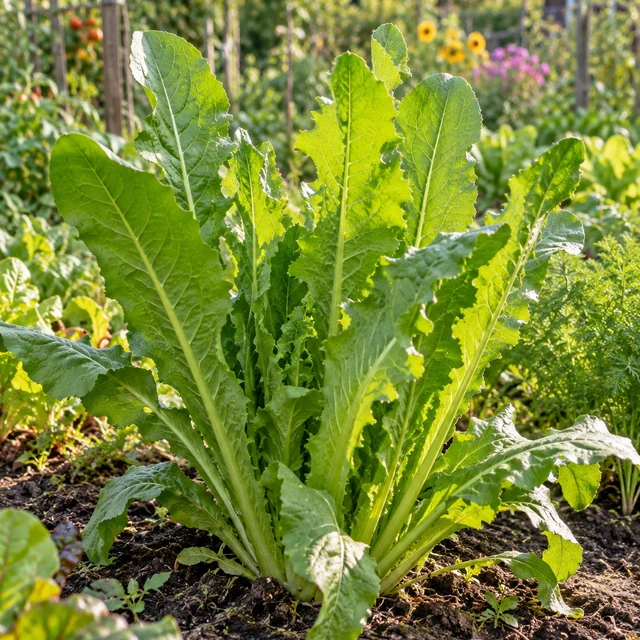
Illustrative species image of Leaf chicory: discover red, green and a pleasantly bitter accent
AI illustration

This image was created with AI from described plant characteristics and growing advice. It shows a possible situation and is not a photograph of a verified cultivar.

Gardening guide

Leaf chicory: discover red, green and a pleasantly bitter accent

Radicchio, sugarloaf chicory and loose-leaf types give leaf chicory different forms. Some are chopped into salads; others are grilled or braised. Growing them requires a clear variety choice: a plant grown for leaves or a head is managed differently from chicory later forced from a root in darkness.

Read the growing guide →
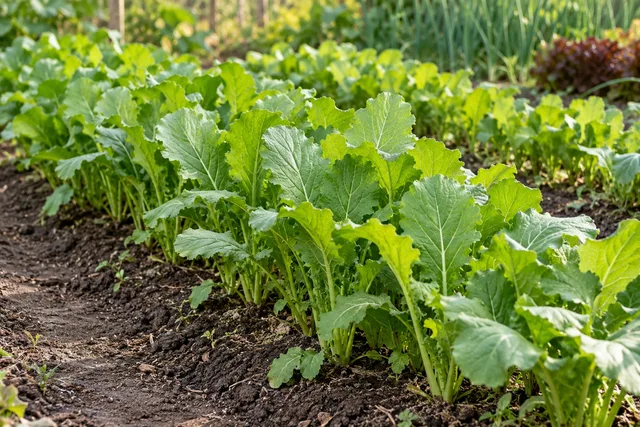
Illustrative species image of Leaf turnip
AI illustration

This image was created with AI from described plant characteristics and growing advice. It shows a possible situation and is not a photograph of a verified cultivar.

Gardening guide

Leaf turnip

Leaf turnip is also called Namenia in the range. Its fine leaves are harvested young and do not form a closed cabbage head.

Read the growing guide →
Illustrative species image of Mustard greens
AI illustration

This image was created with AI from described plant characteristics and growing advice. It shows a possible situation and is not a photograph of a verified cultivar.

Gardening guide

Mustard greens

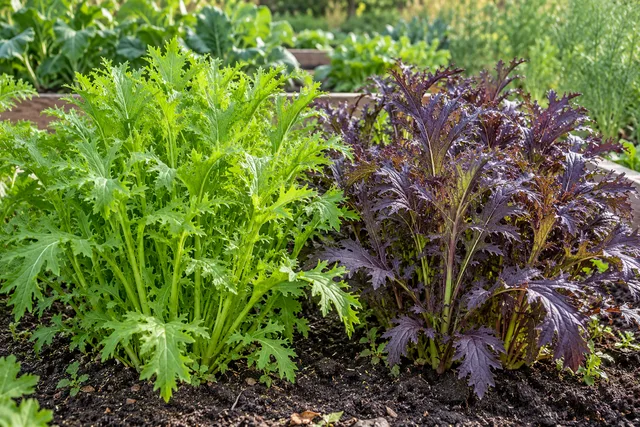
Golden Frills stands out for its finely cut, fresh green leaves. Its name is not evidence of yellow foliage: the product source describes green.

Read the growing guide →
Gardening guide

Fodder radish: varieties, growing and uses

Fodder radish produces a fresh green crop above ground and a strong root below. Here you choose a green manure type of Raphanus sativus, rather than a radish to harvest for the kitchen. Crop rotation is the main factor in whether it suits your garden.

Read more
Gardening guide

Blanc Pascal: discover its flavour and how to grow it

Blanc Pascal is distinguished by short, broad, fleshy ribs. The pale colour results from excluding light. Choose this variety for broad ribs and if you want to blanch it as an extra growing step. The name does not mean the crop will automatically turn white.

Read more
Gardening guide

Blanca: growing mashua

White tubers, classic late type

Read more
Gardening guide

Blanche d'Argenteuil: flavour and growing

Elongated, pale skin, red flesh.

Read more
Gardening guide

Blanche des Vosges: discover its flavour and how to grow it

White root with broad shoulders, best used young in the kitchen. Choose this variety for a broad, white root and a historical crop form. Aim for a useful kitchen size rather than maximum weight alone.

Read more
Gardening guide

Blanka: flavour and growing

Sweet, almost translucent berries.

Read more
Gardening guide

Blaukönigin: discover its flavour and how to grow it

An early variety, also called Blue Queen, with elongated, purple-blue fruits and smooth, glossy skin. Choose Blaukönigin for an early aubergine in the greenhouse; outdoors, a warm sheltered spot is still essential.

Read more
Gardening guide

Growing blueberries: a garden full of flavour

Compare a classic blue harvest with pink Pink Lemonade. A compact potted plant makes acid-loving fruit possible in a garden with lime-rich soil.

Read more
Gardening guide

Blauwschokker: discover its flavour and how to grow it

Climbing shelling pea with striking purple pods. Choose Blauwschokker for a decorative climber and shelled-pea harvest. Purple pods are easy to distinguish from green leaves while you try different ripening stages.

Read more
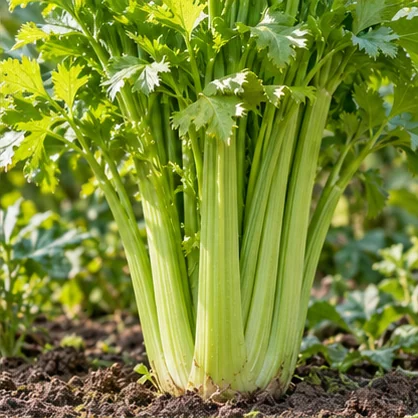
Illustrative species image of Celery: grow crisp stalks with attention to water
AI illustration

This image was created with AI from described plant characteristics and growing advice. It shows a possible situation and is not a photograph of a verified cultivar.

Gardening guide

Celery: grow crisp stalks with attention to water

Juicy celery starts with soil that does not keep drying out. The plant takes a long time to raise and needs more water checks than many other vegetables. Choose a green or self-blanching type for a straightforward crop, or deliberately try the traditional blanching of leaf stalks.

Read the growing guide →
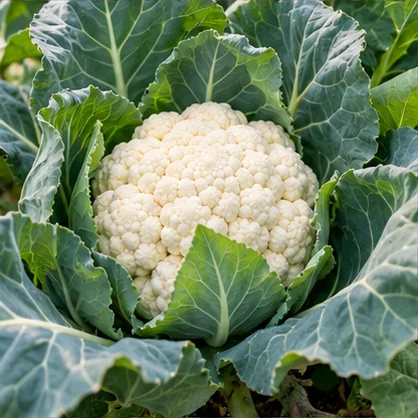
Illustrative species image of Cauliflower: look between the leaves for your next meal
AI illustration

This image was created with AI from described plant characteristics and growing advice. It shows a possible situation and is not a photograph of a verified cultivar.

Gardening guide

Cauliflower: look between the leaves for your next meal

You only get a good view of a cauliflower by looking between its leaves. The firm head develops into a single compact harvest. With a suitable variety, a steady start and enough moisture, even a few plants can offer different colours and harvest times.

Read the growing guide →
Gardening guide

Bloomingdale Rose: growing ranunculus

Compact pink double flowers.

Read more
Gardening guide

Blue Ballet: discover its flavour and how to grow it

Grey-green fruits with firm, orange-yellow flesh: a restrained exterior with a distinctive culinary profile. Choose Blue Ballet for chestnut-like aroma and firm flesh alongside orange kuri squash.

Read more
Gardening guide

Blue Beauty: discover its flavour and how to grow it

Large, flattened beefsteak tomatoes combine deep blue-purple shoulders with a red underside: a dark accent on a large shape. Choose Blue Beauty for a large indigo beefsteak tomato rather than small, dark cherries.

Read more
Gardening guide

Blue Dawg Indigo: discover its flavour and how to grow it

A mid-early variety with dark purple to blue-black shoulders and further reddish-purple colouring during ripening. Choose Blue Dawg Indigo for blue-shouldered fruit and mid-early development alongside a familiar red variety.

Read more
Gardening guide

Blue Green Zebra: discover its flavour and how to grow it

Round, sometimes ribbed fruits combine green stripes with intense blue-purple shoulders, with some variation within the selection. Choose Blue Green Zebra to discover variation and pigment in a named selection rather than one uniform red shape.

Read more